


International references
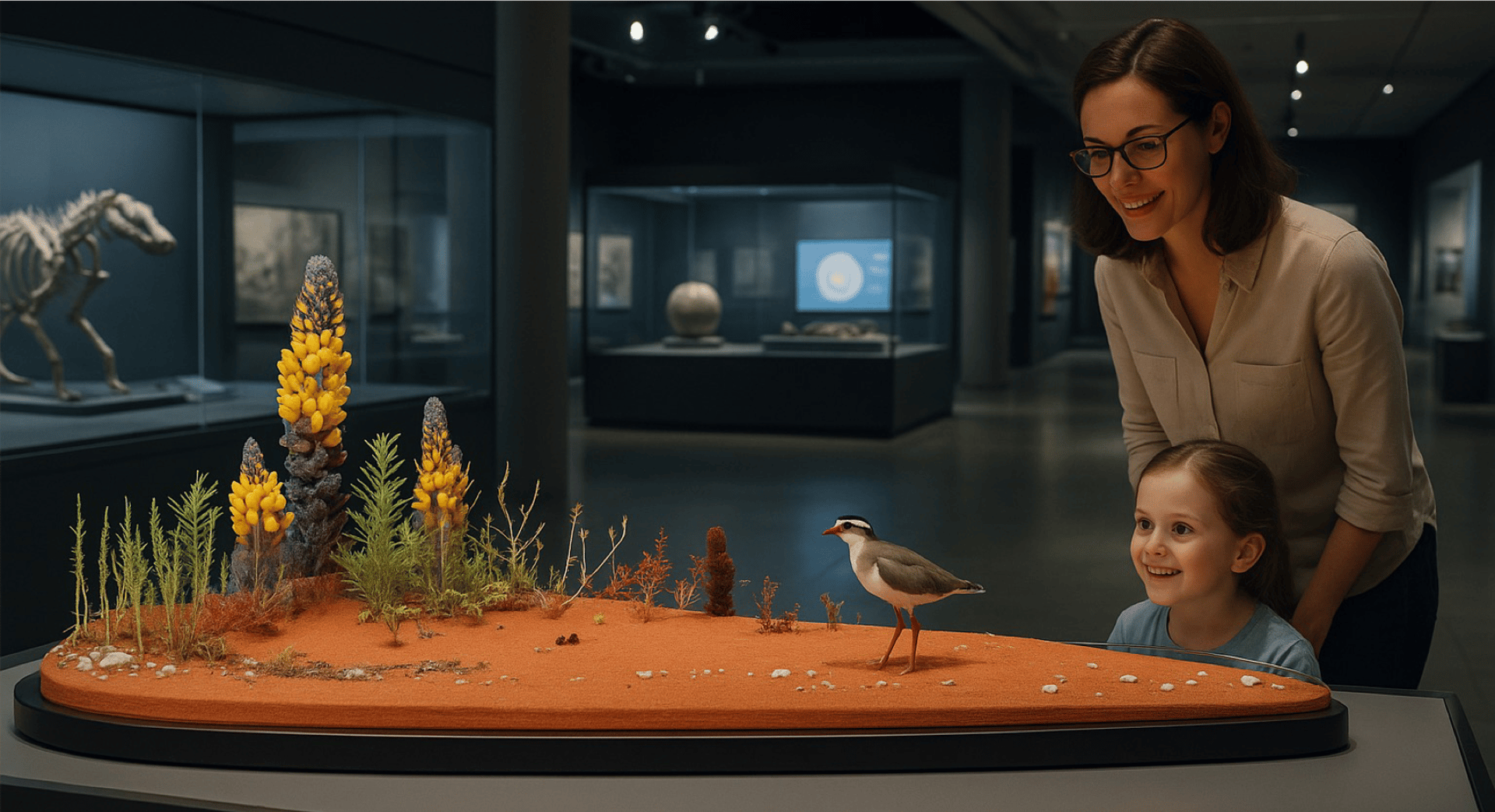
National Museum Qatar
Nature-identical plant models of Arabian ecosystems
Reco-Brandt exhibits are part of international exhibitions and collections, presenting complex biological and paleontological content in a direct and visually compelling way.
Natural History Museum Abu Dhabi
Botanical, zoological, and paleontological models featured within the new permanent exhibition.
Natural History Museum Vienna
Scientifically grounded dioramas of complex habitats
Naturhistorisches Museum Basel
Immersive habitat displays featuring nature-identical plant and fungi models
Natural History Museum St. Gallen
Lifelike botanical, zoological, and paleontological models, meticulously crafted based on current scientific research.
Botanical Garden und Botanical Museum Berlin
High-precision botanical models for exhibition and research


National Museum Qatar
Content for natural history exhibitions
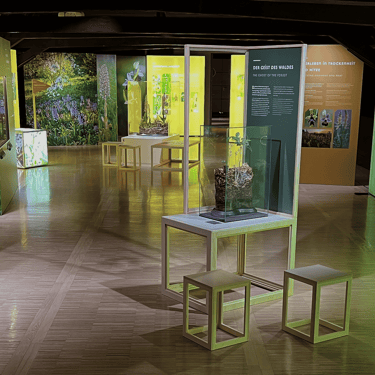
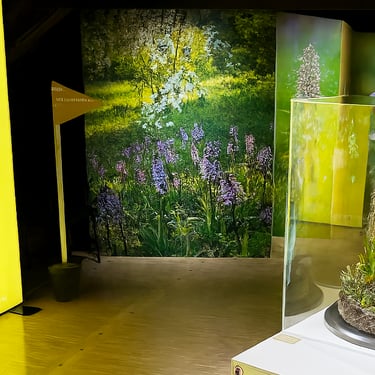
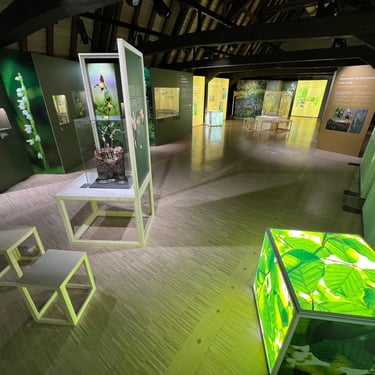
From Wonder to Knowledge
Under the direction of Sebastian Brandt, founder of Reco-Brandt, a unique spectrum of lifelike models, well-researched exhibition texts, and high-quality nature media has been developed over more than 20 years.
The works combine scientific precision with aesthetic expressiveness, opening up new perspectives on central themes such as evolution, biodiversity, and the dynamics of natural habitats.
The result is an authentic fascination for the real and the living. The exhibits act not merely as objects, but as representatives of their living counterparts - creating an emotional and aesthetic connection between the viewer and nature.
This connection between humans and their environment forms the foundation for understanding, appreciation, and a responsible approach to nature.
Multimedia exhibition concepts
Reco-Brandt develops scientifically researched content concepts and custom-made multimedia solutions for natural history exhibitions.
Each module combines unique, true-to-nature models with professional nature photography, accessible texts and carefully produced films and animations. This creates a focused presentation of species, habitats, and ecological relationships.
The combination of different media creates multiple points of access, from emotional engagement to scientifically grounded understanding.
Even complex subjects are communicated with precision, clarity, and strong visual impact, ready for use in museums, visitor centres, educational institutions, and travelling exhibitions.
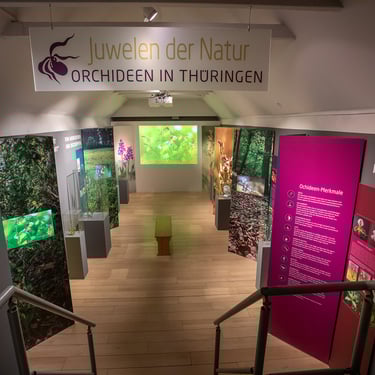
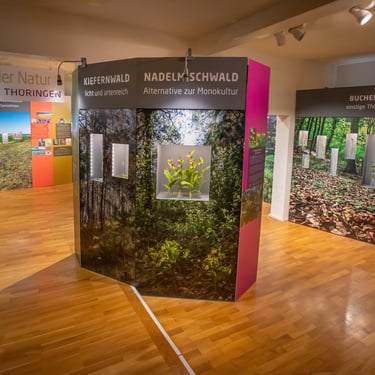
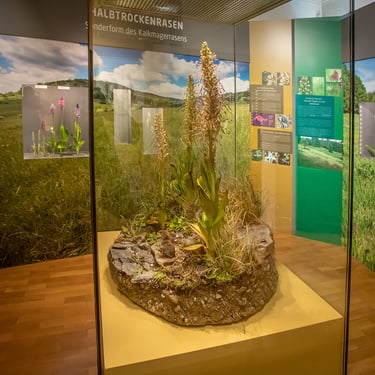
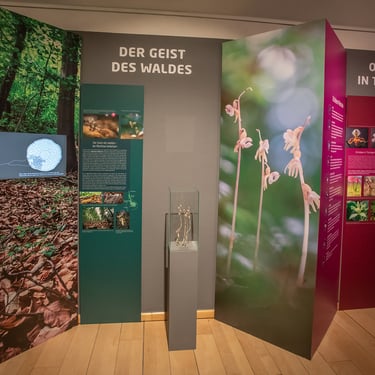
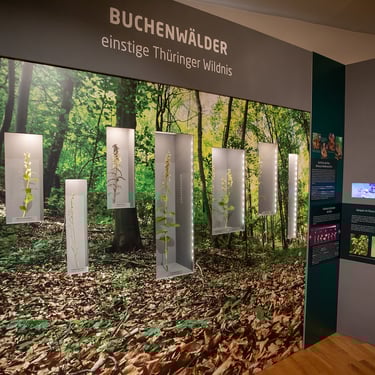
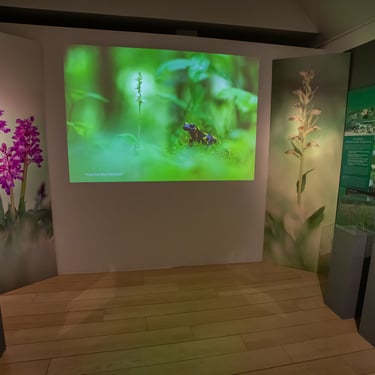
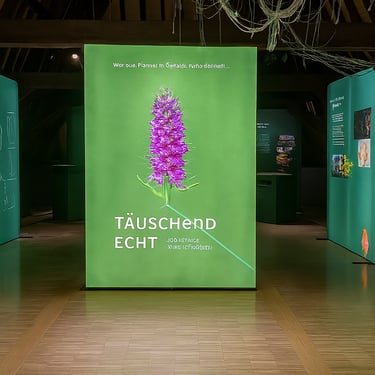
Exhibition "Deceptively Real!" at the Musée national d'histoire naturelle Luxembourg
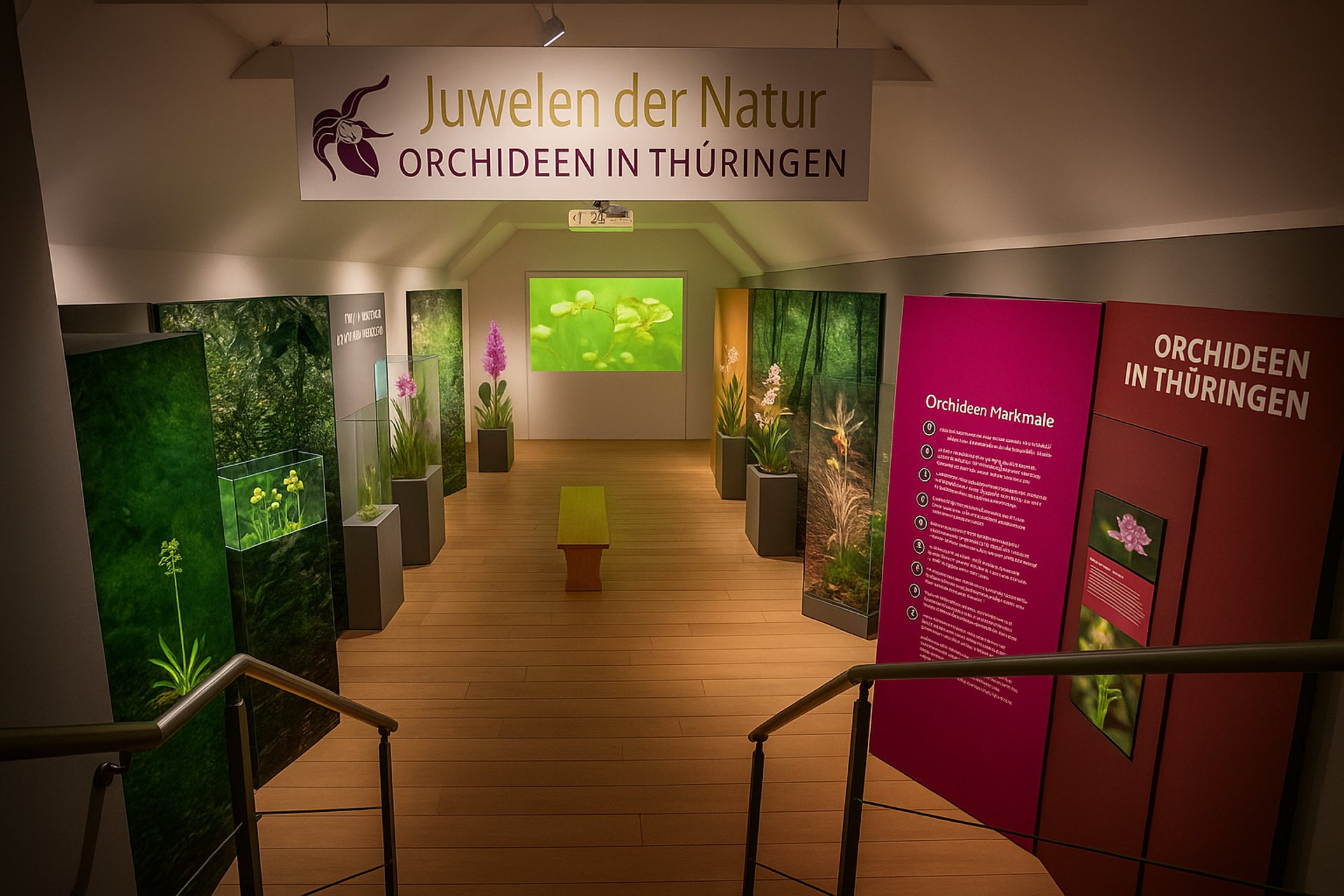
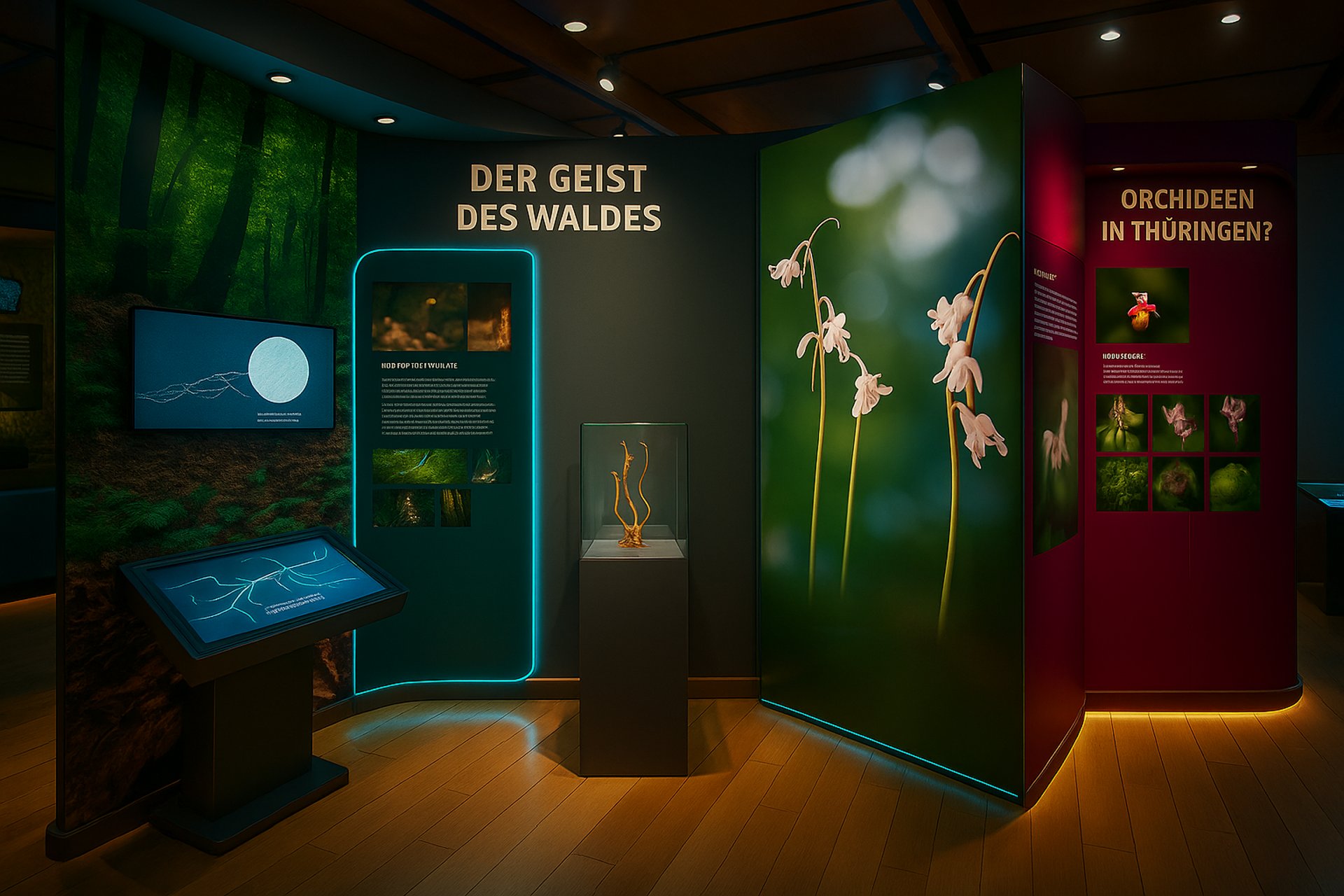
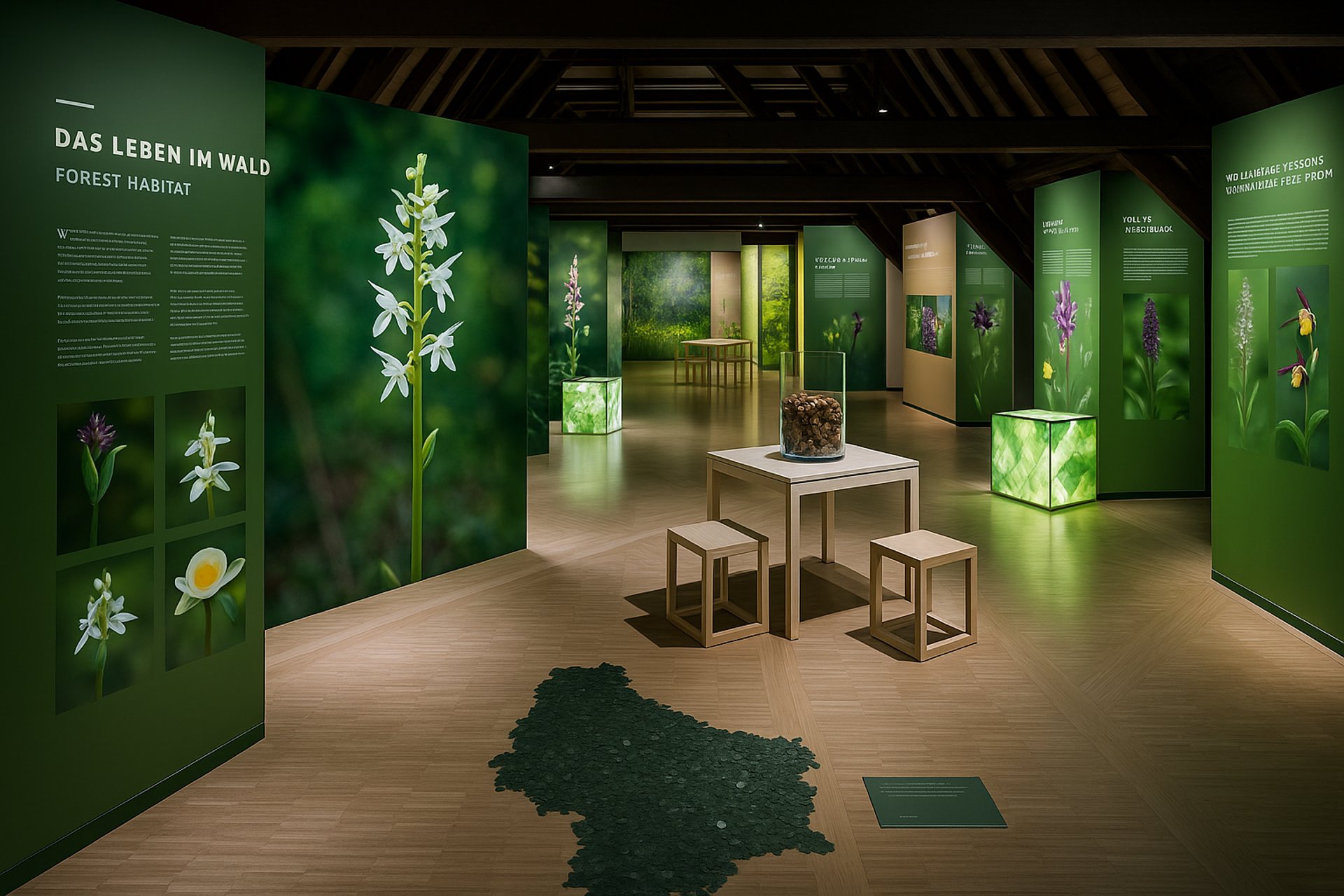
"Jewels of Nature" exhibition at the Natural History Museum Erfurt
Custom-made components as a package:
// Concepts – Reco-Brandt develops curatorial frameworks and content strategies for exhibition modules and displays.
// Content – scientifically grounded, clearly structured, and aligned with the overall exhibition concept.
// Texts – for respective education level and adaptable for multilingual use.
// Images & videos – high-quality visualizations, nature photography, and animations for an immersive experience.
// Models – nature-identical, handcrafted exhibits that unite scientific research and aesthetic quality.
module catalogue for download
Exhibitions
DECEPTIVELY REAL! – TRICK OR TRUTH?
Exhibition at the Musée national d'histoire naturelle Luxembourg (LUX)
// Concept
// Texts, videos and photography
// +60 Botanical models
// 4 Habitat exhibits
// Workshops & guided tours
// Accompanying brochure (The Making-of)
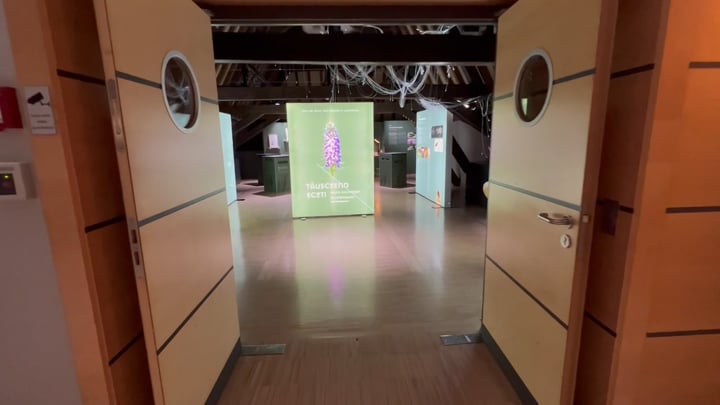
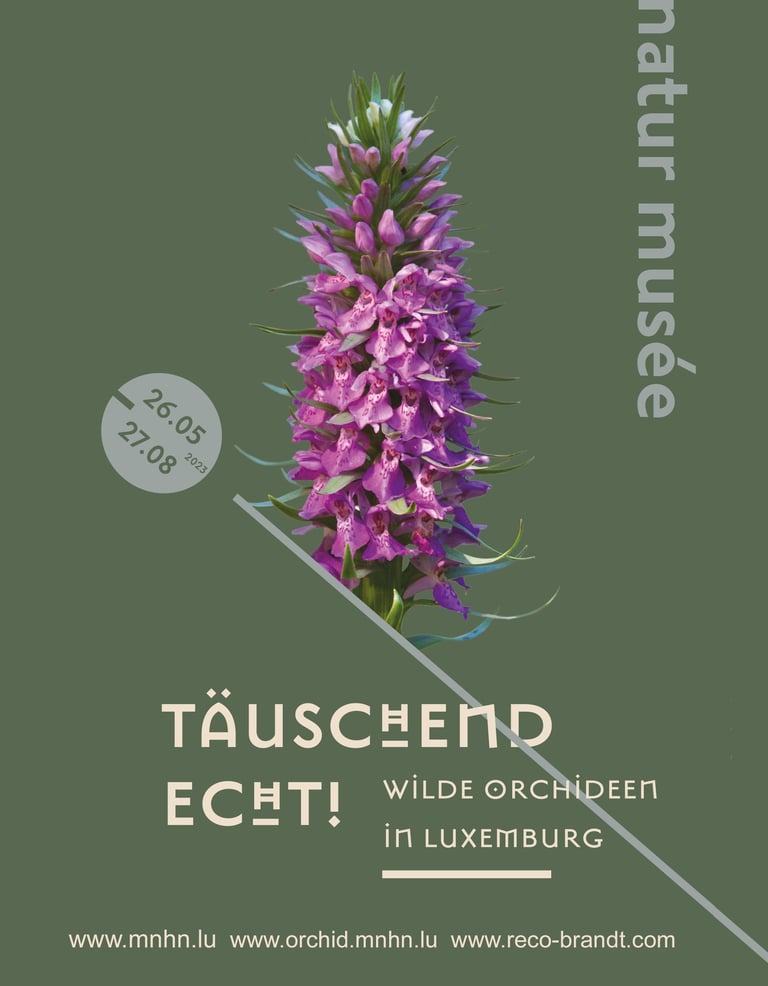
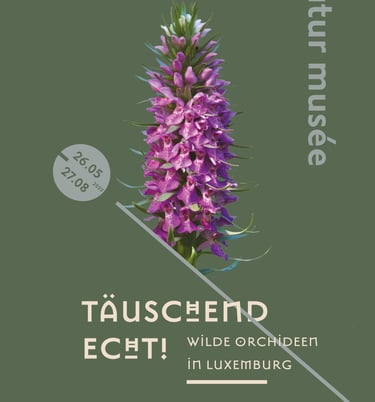
This extensive botanical exhibition illuminated the biology, ecology, and evolution of orchids in Luxembourg. A special focus was placed on raising awareness for biodiversity and species conservation. This special exhibition was the most-visited exhibition in the museum's history.
Tour trough the exhibition
In our exhibition, with its fitting title, we presented the 45 orchid species native to Luxembourg to our audience – using lifelike models by Sebastian Brandt. We adapted his outstanding concept to local conditions, inspiring numerous visitors with the diversity, beauty, and fascinating survival strategies of orchids.
★★★★★
Thierry Helminger, Dipl. Biol. Head of Department at Musée national d'histoire naturelle Luxembourg
JEWELS OF NATURE - ORCHIDS IN THURINGIA
Exhibition at the Natural History Museum Erfurt (GER)
// Idea, concept & organization
// Texts, videos, and photography
// +100 Botanical models
// 3 Habitat exhibits
// Workshops, lectures & guided tours
// Accompanying brochure
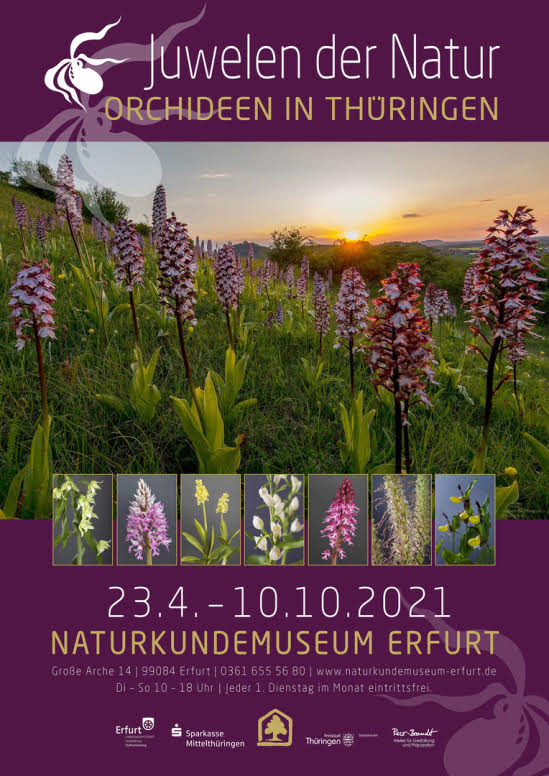
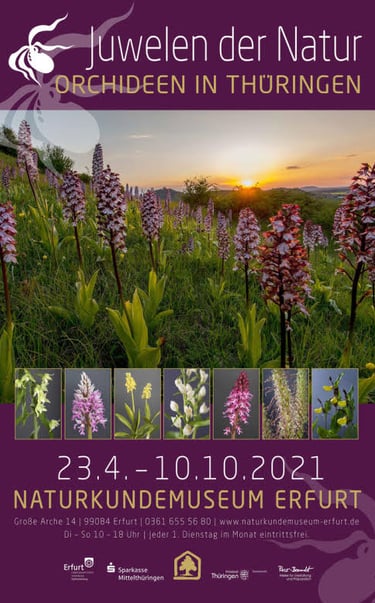
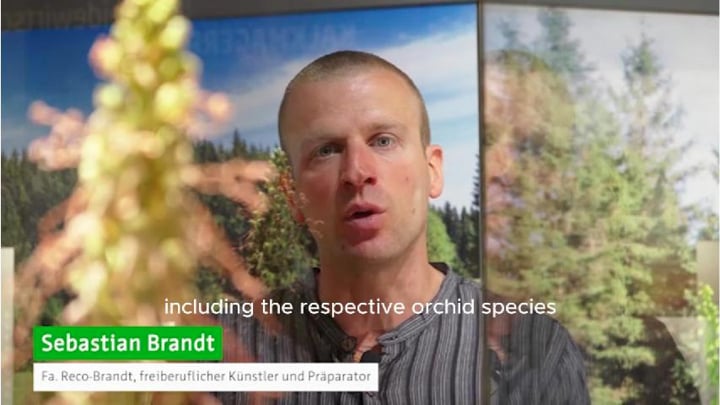
This innovative botanical exhibition, featuring numerous nature-identical plant models, was the first of its kind worldwide. The focus was on native orchids as flagship species for the intact natural and cultural landscapes of Thuringia. Nine different habitat types were presented with their characteristic features. A further focus was placed on the evolutionary strategies of orchids – from reproduction and pollination to interactions with soil fungi and special anatomical adaptations. The exhibition combined scientific precision with aesthetic design and became the most-visited exhibition in the museum's history.
Sebastian Brandt designed our orchid exhibition with extraordinary passion and precision – from the models and texts to the photography and film. You can truly feel that he doesn't just display nature, he lives it.
Matthias Hartmann, director Natural History Museum of Erfurt


★★★★★
Exhibition design: botany - everything begins with photosynthesis
Exhibition concept for museum displays
This permanent exhibition explores the central role of plants as the foundation of life on Earth. Scientific accuracy, strong visual staging and immersive spatial design come together to create a high-quality visitor experience. Award-winning lifelike models, multimedia content, and large-scale installations form a clear and distinctive visual identity with international appeal.
The exhibition is structured into three closely connected sections:
1. Photosynthesis & evolution
A striking multimedia introduction presents photosynthesis as the origin of life. The evolution of plants, from early forms to present-day species, is conveyed through models, fossils, film, and interactive media.
2. Global plant diversity - ten immersive habitats
Ten reconstructed habitats reveal the diversity and adaptation strategies of the plant world. From arid deserts and Mediterranean landscapes to alpine zones and tropical rainforests, each habitat is presented as a coherent three-dimensional environment, combining ecological, climatic and visual elements.
3. Plants & humans
The final section highlights the dependence of human life on plants. Oxygen production, nutrition, medicine, agriculture, and global nutrient cycles are presented through large-scale installations, object-based displays, and audiovisual media, making complex relationships clear and tangible.
Everything Begins with Photosynthesis offers museums a scalable exhibition concept with strong visual presence, high visitor engagement and lasting scientific relevance. Suitable for a broad audience as well as demanding curatorial contexts.
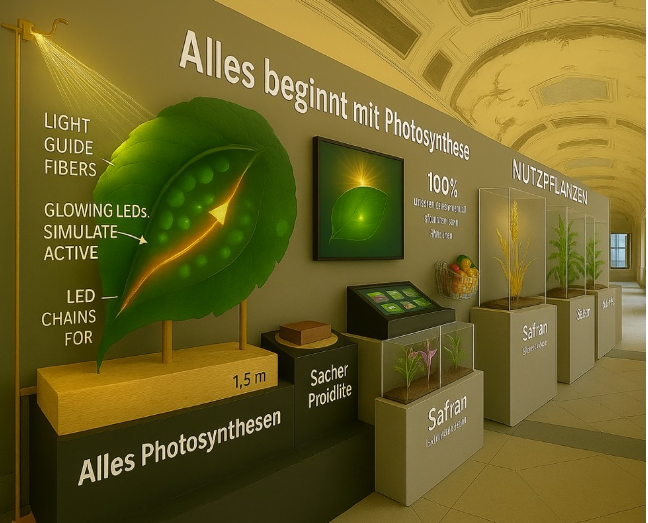
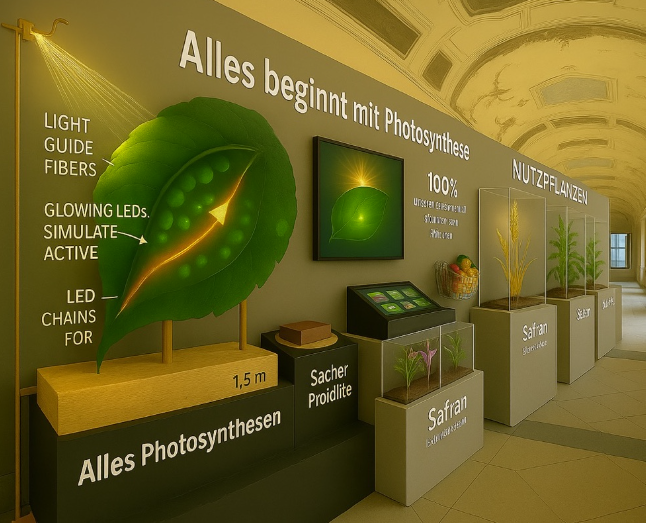
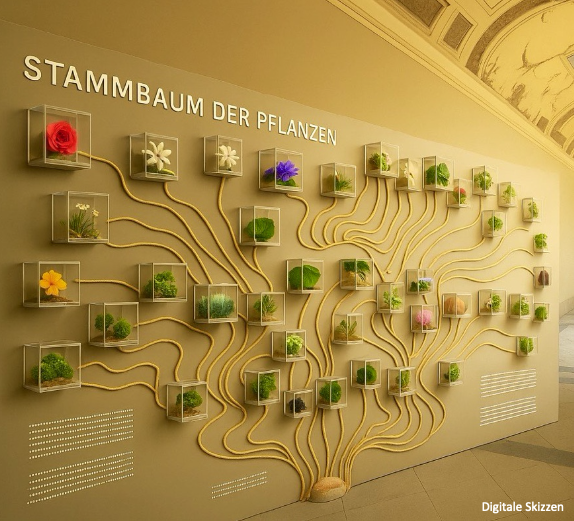
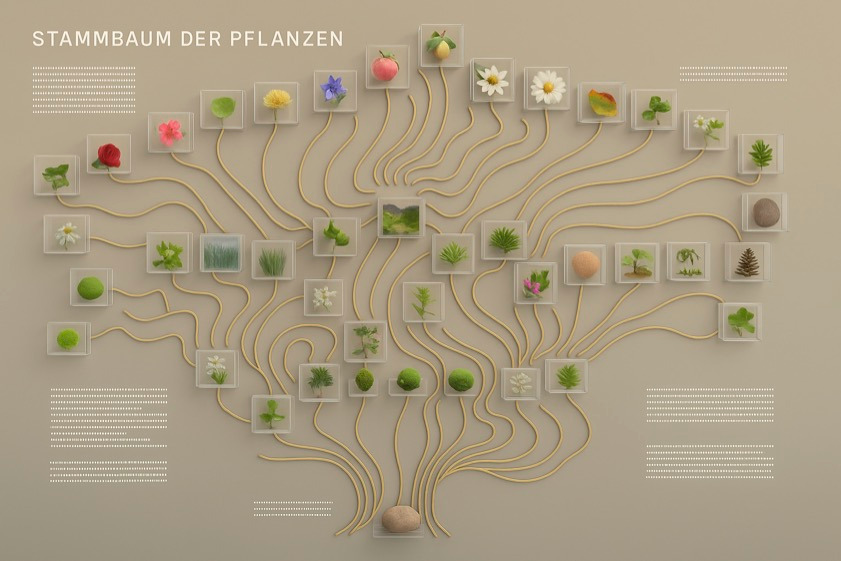
Digitale Skizze
Digitale Skizze
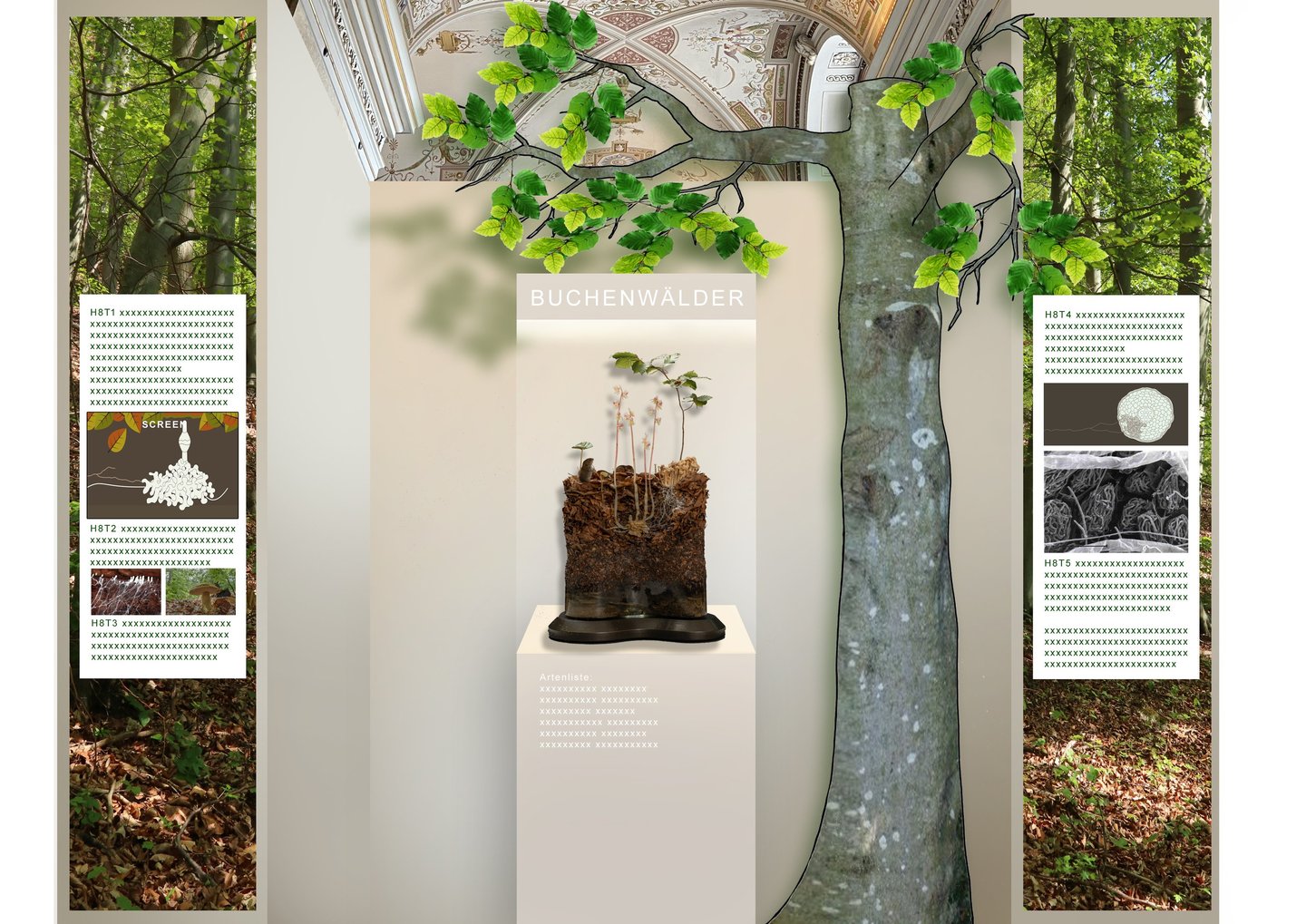
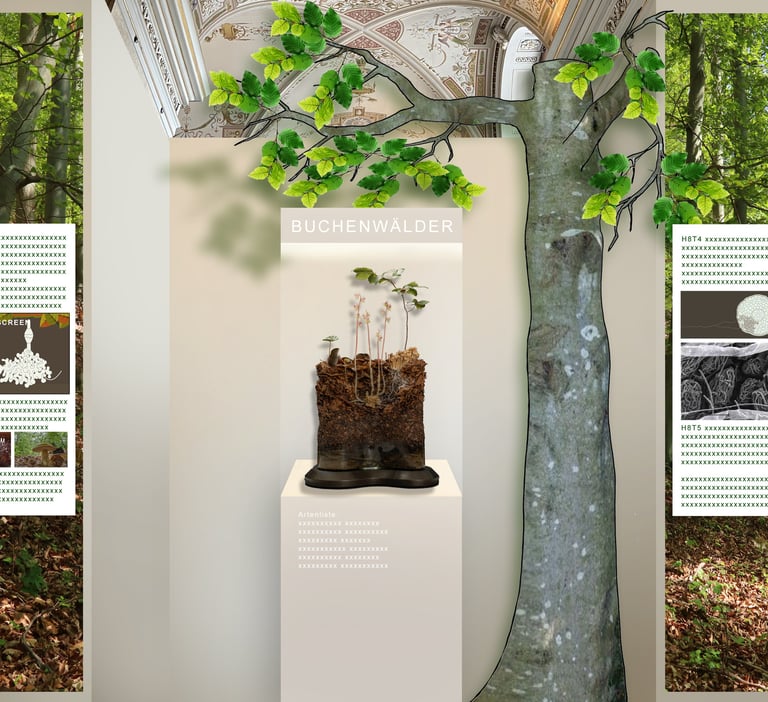
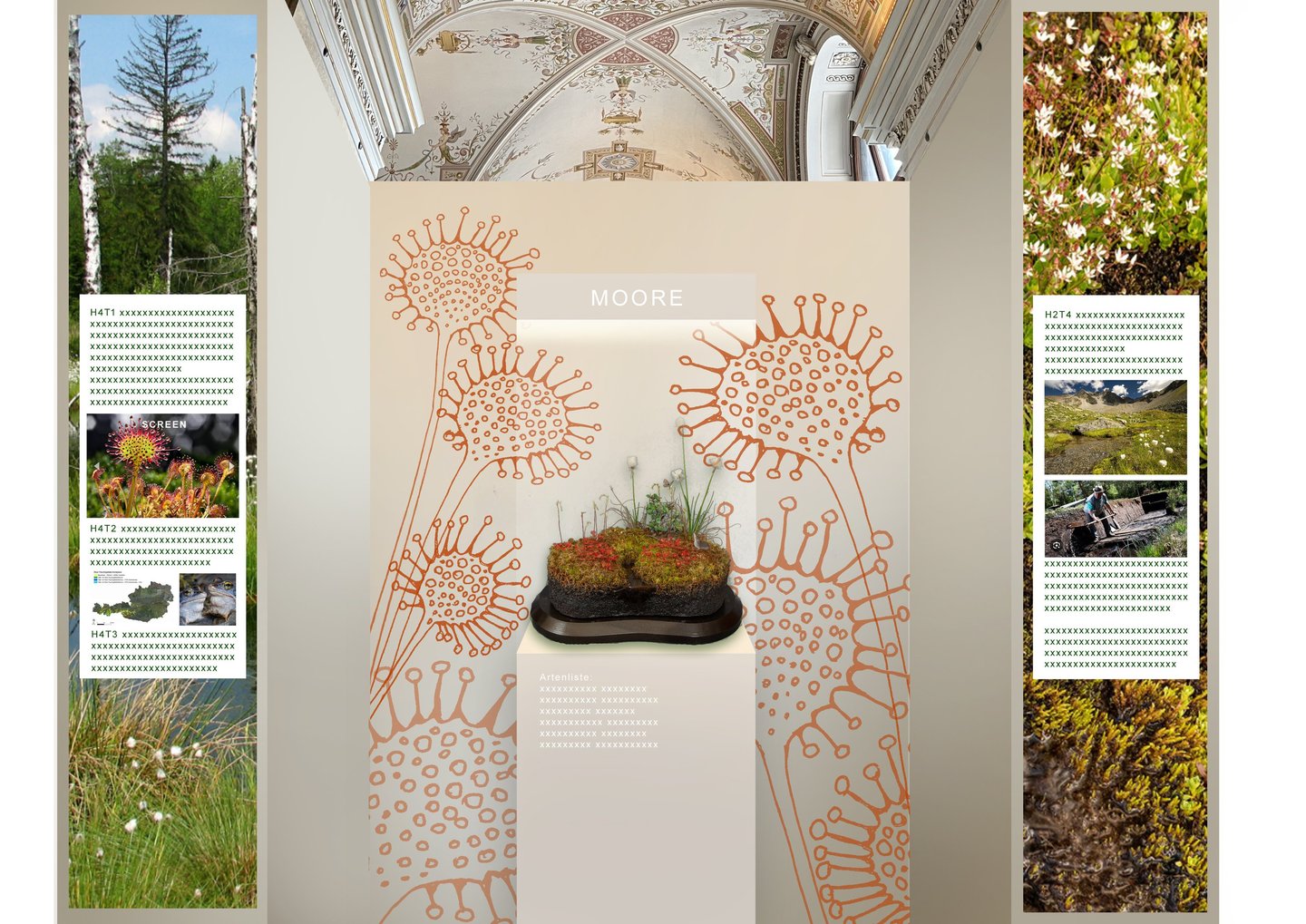
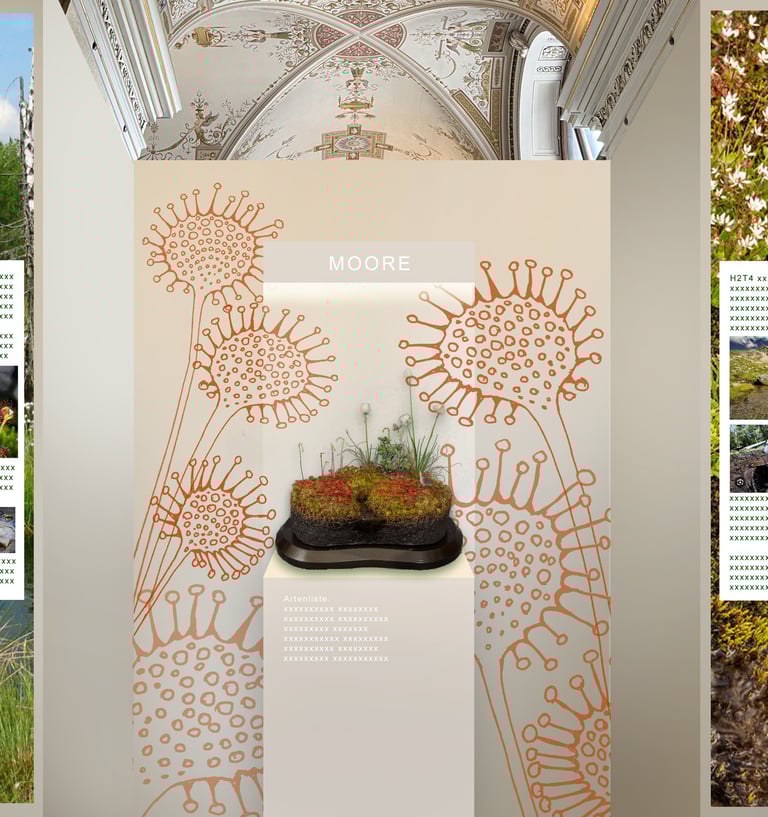
Plant Biodiversity – ten unique habitat displays
Featuring a collection of ten globally unparalleled, nature-identical botanical habitat displays, this exhibition presents the complex biodiversity of the plant kingdom in 3D.
Exhibition concepts
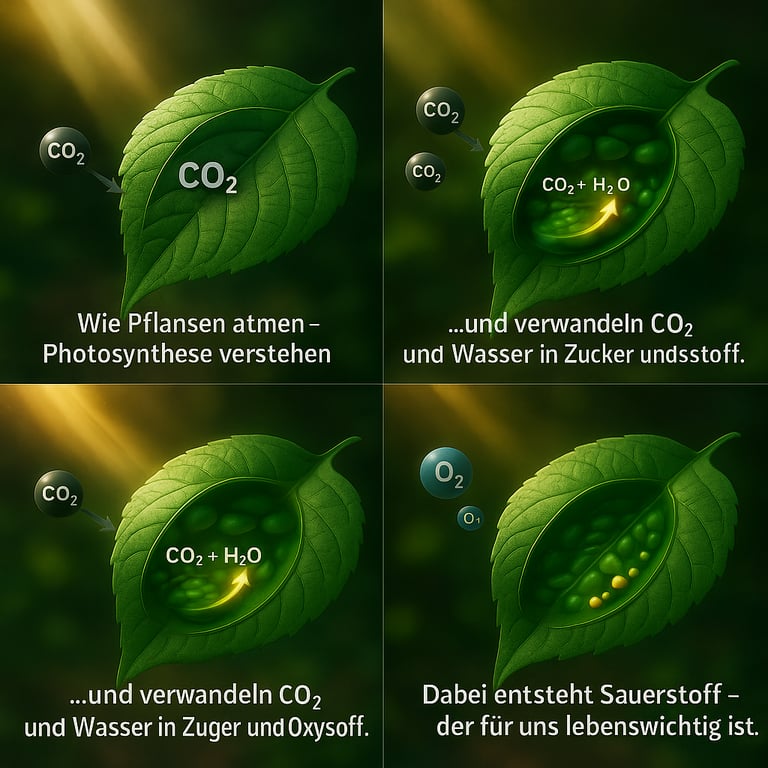
Example module - digital sketch
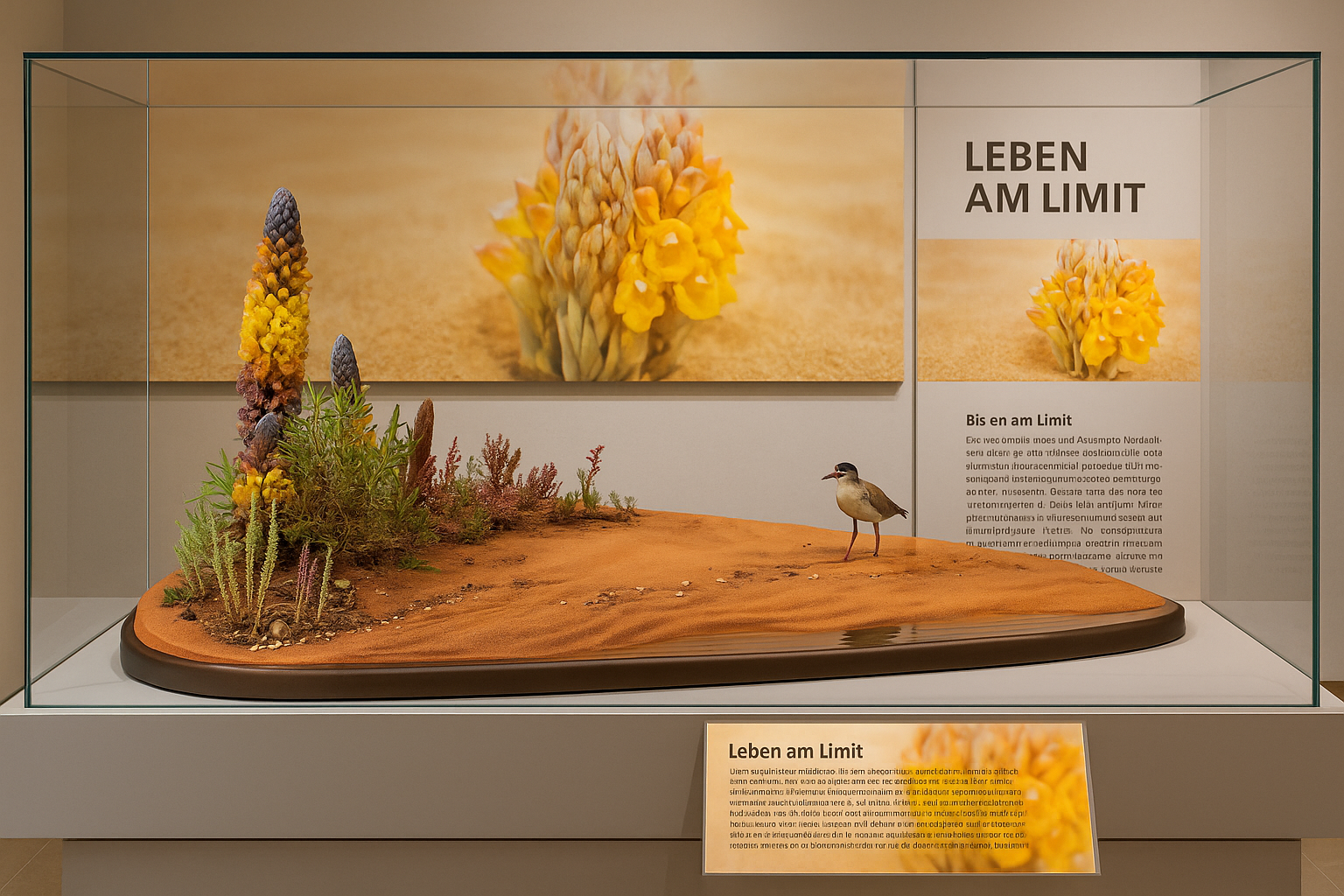
Module "Arabian spring"
Elementes and media:
// True-to-nature habitat exhibit with botanical models and zoological specimens
// Extensive image material and graphics
// Accessible science-based texts
// Display panels and design elements
// Accompanying brochure (making of)
Facts and stories:
// A desert garden - a world of extremes
// Succulent leaves - survival in salt
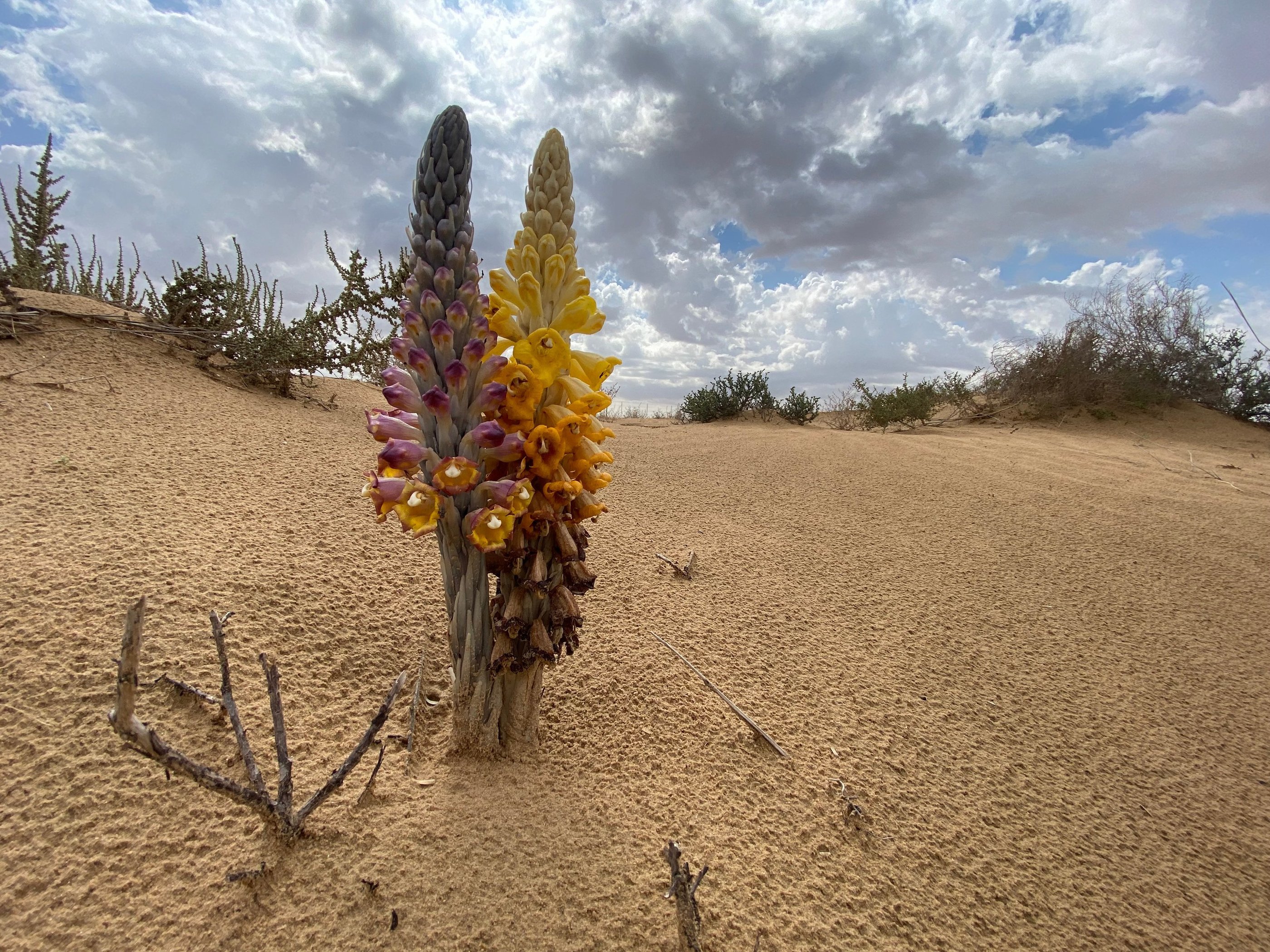
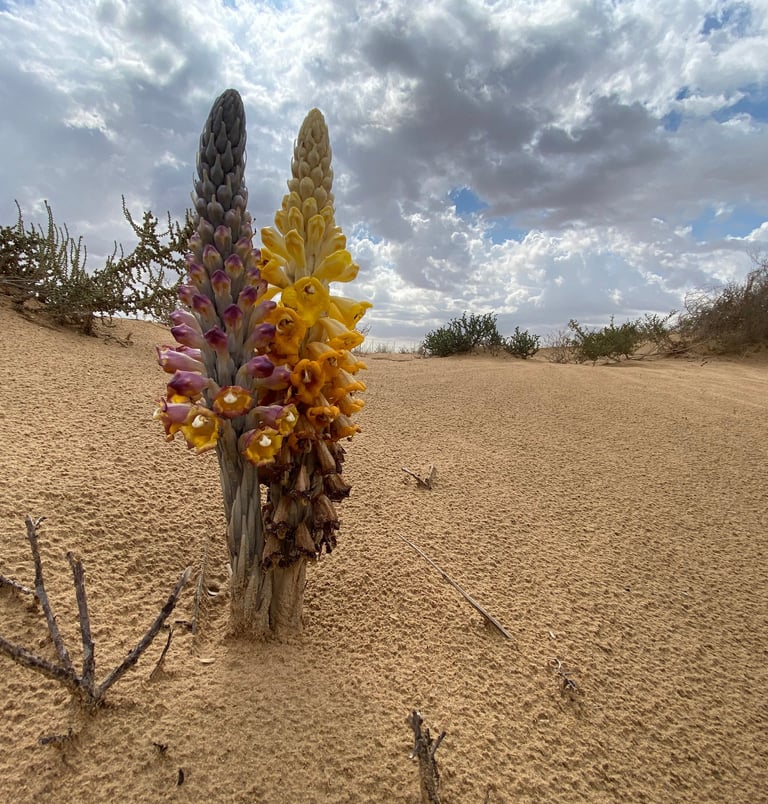
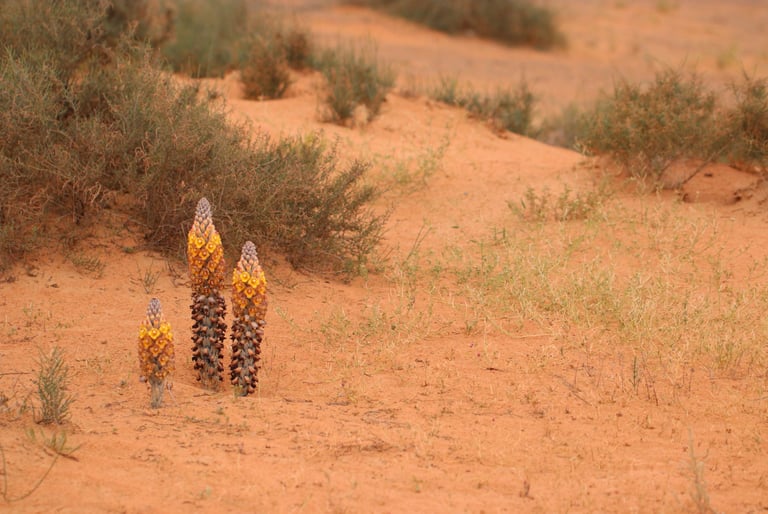
// Imitation or strategy? - the flower towers of the desert hyacinth
// Why does the darkling beetle raise its abdomen to the sky?
// Six legs in the heat - desert arthropods
Exhibition text (excerpt)
Leben am Limit
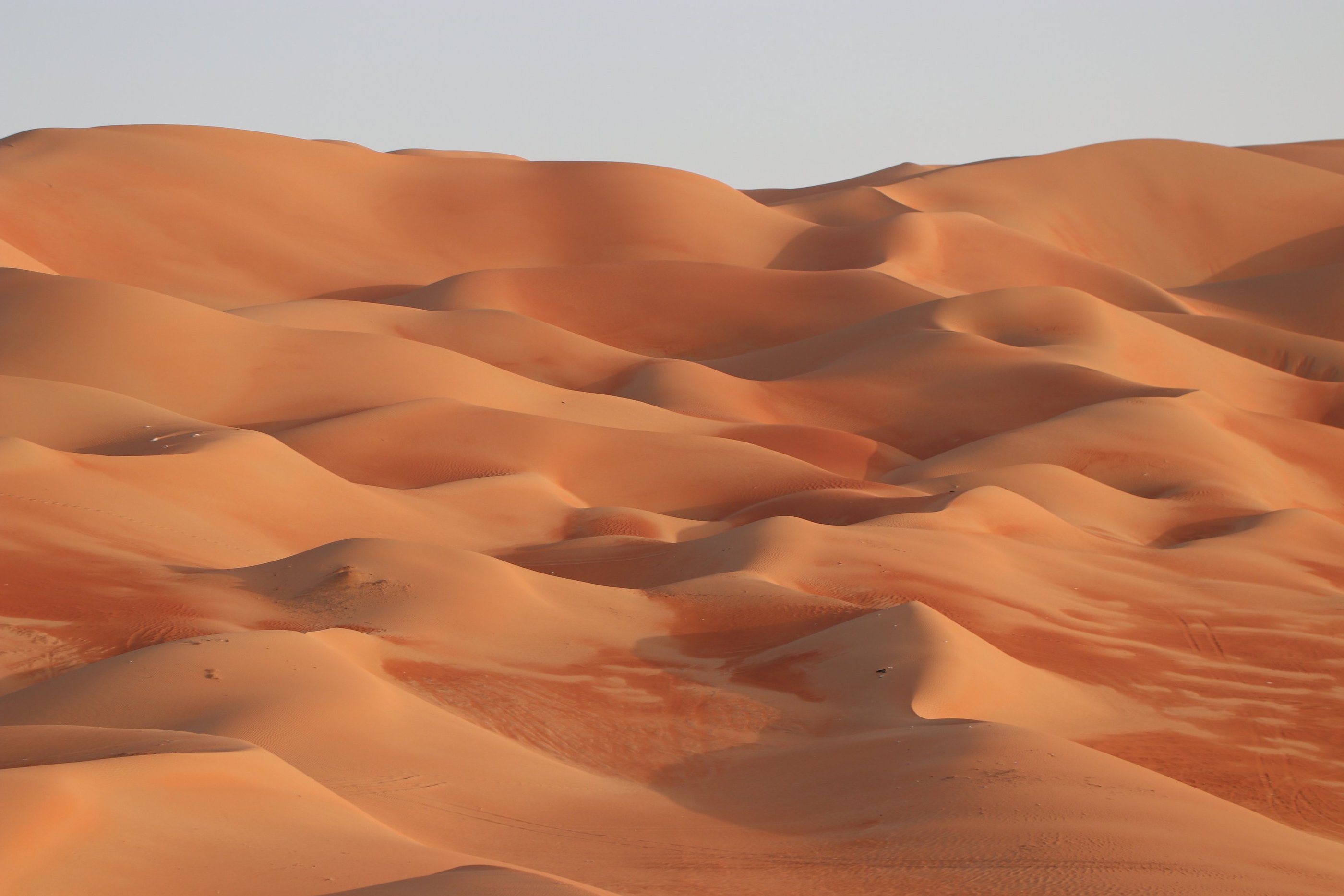
The coastal regions and salt marshes of Northeast Africa and the Middle East, with their extreme climatic and geological conditions, are among the most inhospitable ecosystems on Earth. Along the sharp boundary between the shifting sands of the Sahara and Rub al Khali deserts and the dynamic shores of the Indian Ocean and its marginal seas, a unique biological community has evolved.
Except for a few rainy days each year, the sun beats down mercilessly on the ever-drifting sands. Temperatures frequently soar from over 40 to well above 50 degrees Celsius. Intense evaporation of seawater along beaches and marshes, combined with geological uplift and leaching, results in highly saline soil. Furthermore, its fine-grained structure offers almost no stability.[...]
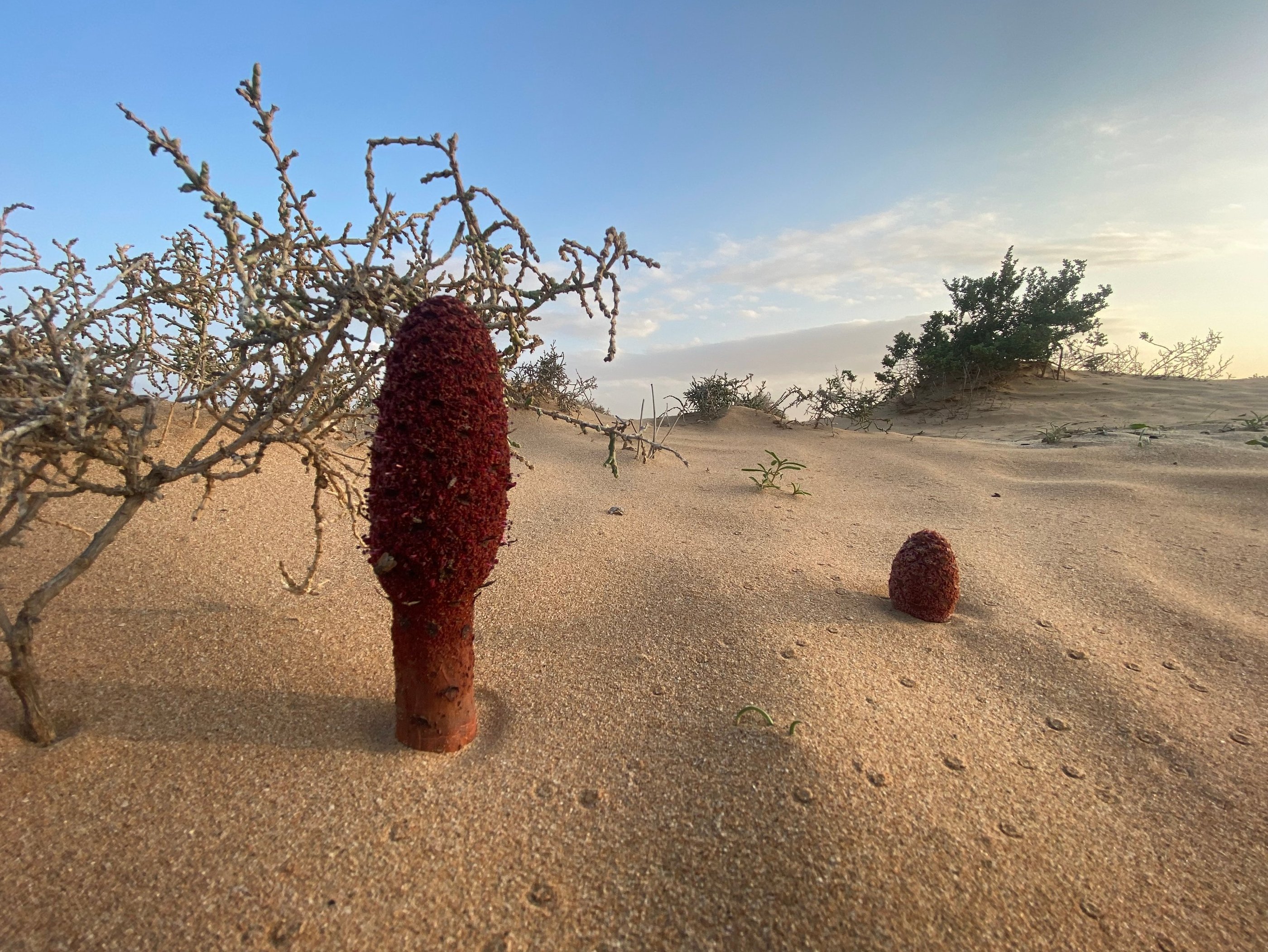
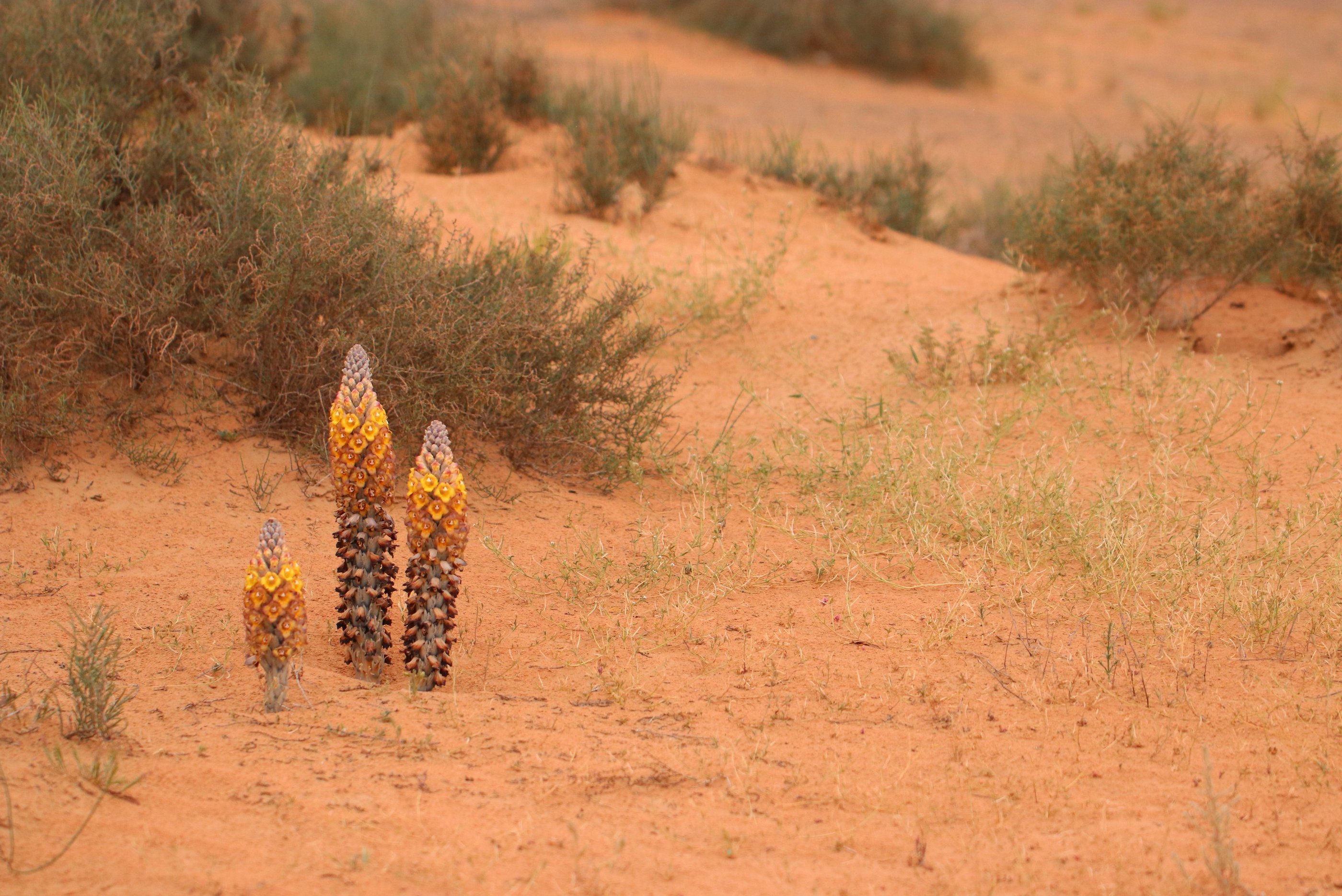
desert hyacinth (Cistanche tubulosa)
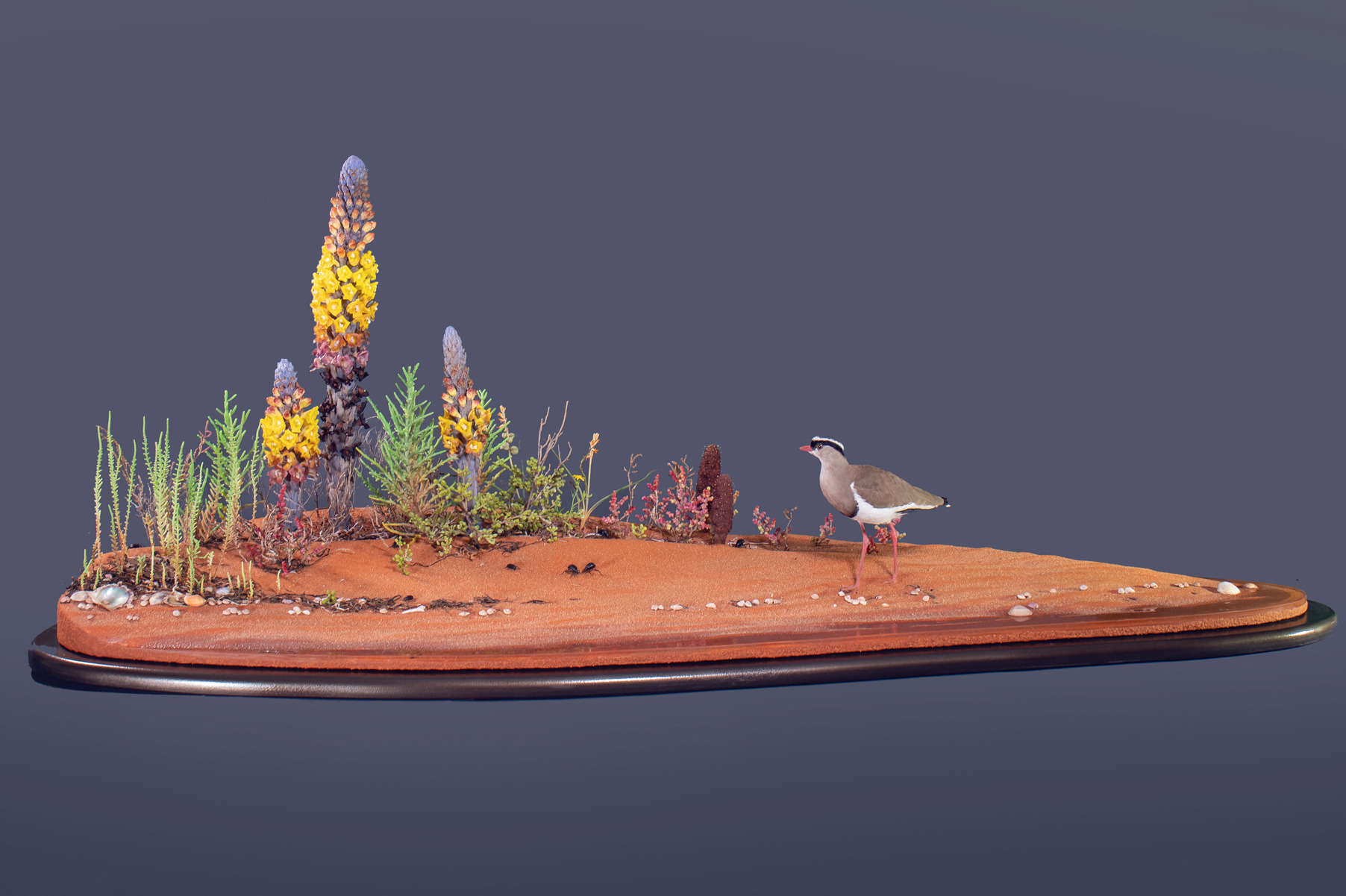
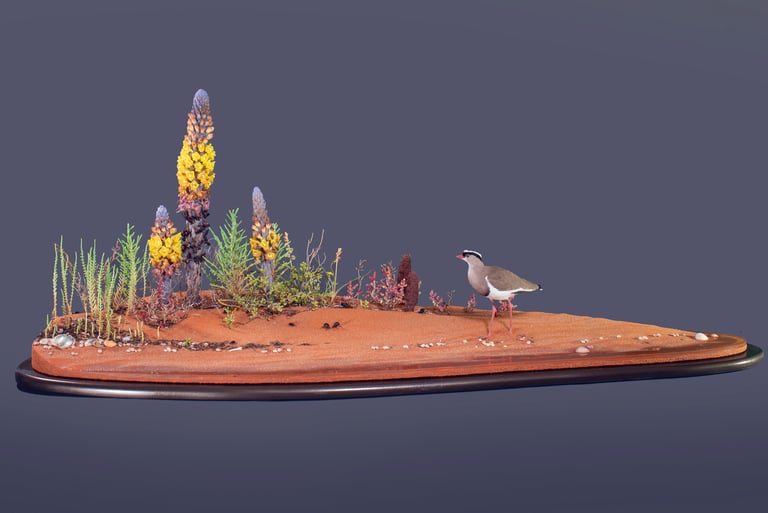
Habitat Diorama
"Arabian Spring": Crowned Lapwing (Vanellus coronatus), Darkling Beetle (Adesmia dilatata), Desert Hyacinth (Cistanche tubulosa), various "Glassworts" (Arthrocnemum macrostachyum, Halocnemum strobilaceum, Halopeplis perfoliata, Tetraena qatarense), Maltese Mushroom (Cynomorium coccineum), Desert Groundsel (Senecio glaucus), Brown Desert Lily (Dipcadi erythraeum), various insects and arthropods, etc.
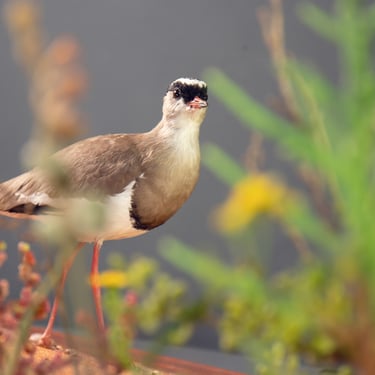
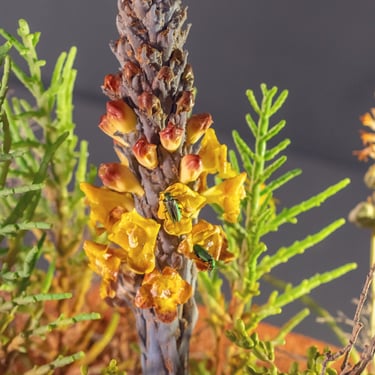
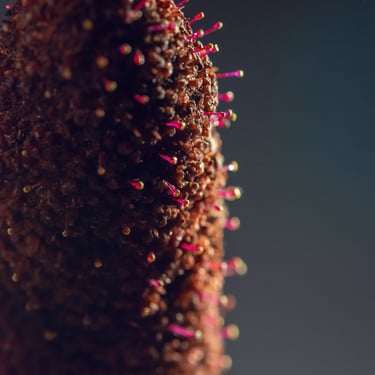
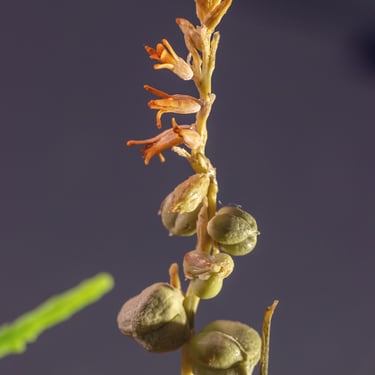
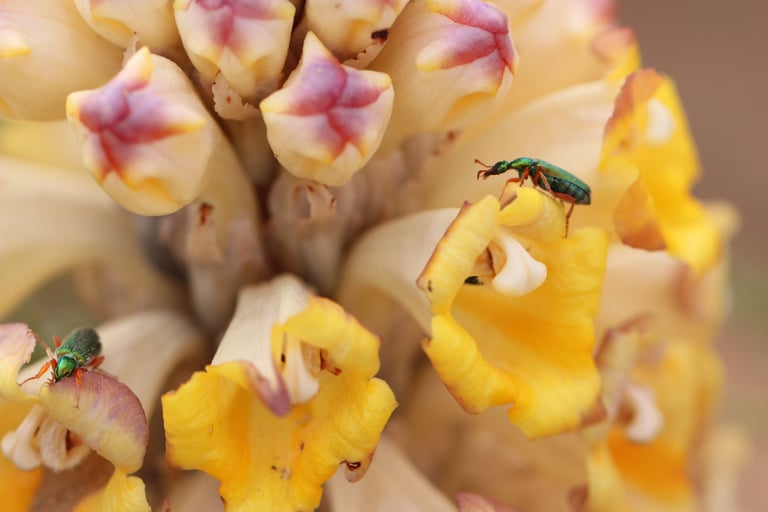
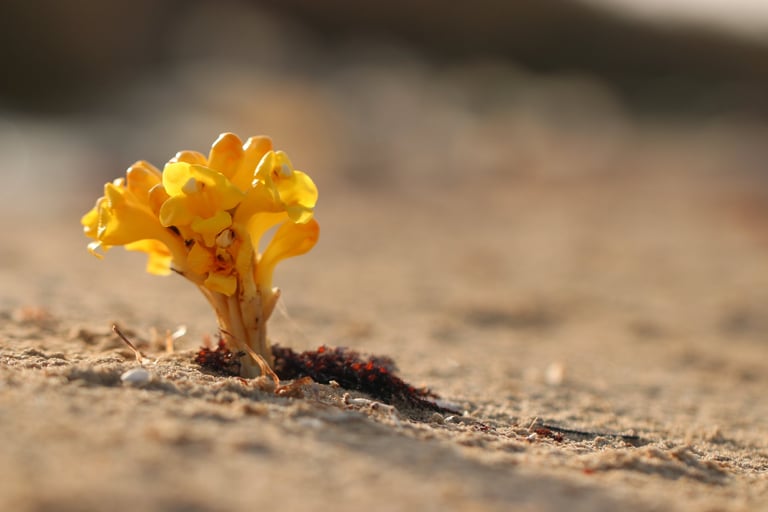
Additional Imagery: Professional nature photography including usage rights
Strandlebensraum - Digitale Skizze
copyright© S. Brandt
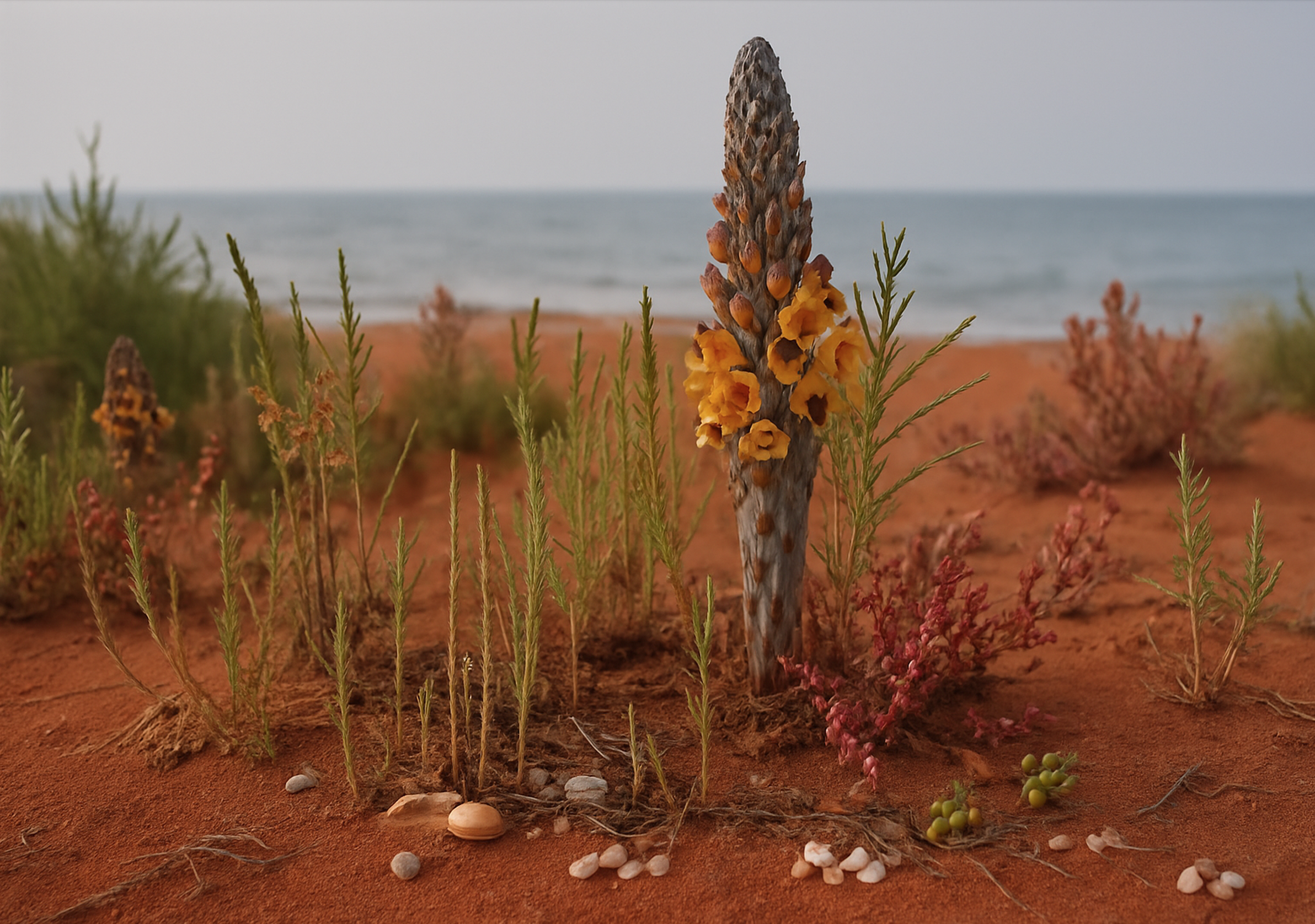
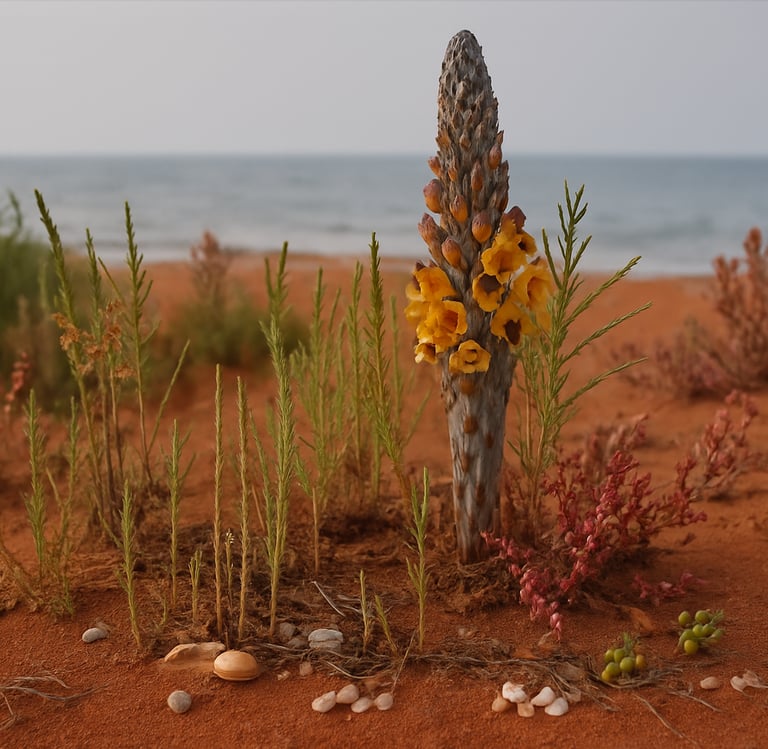

Images
- licensing rights included
example module - digital sketch
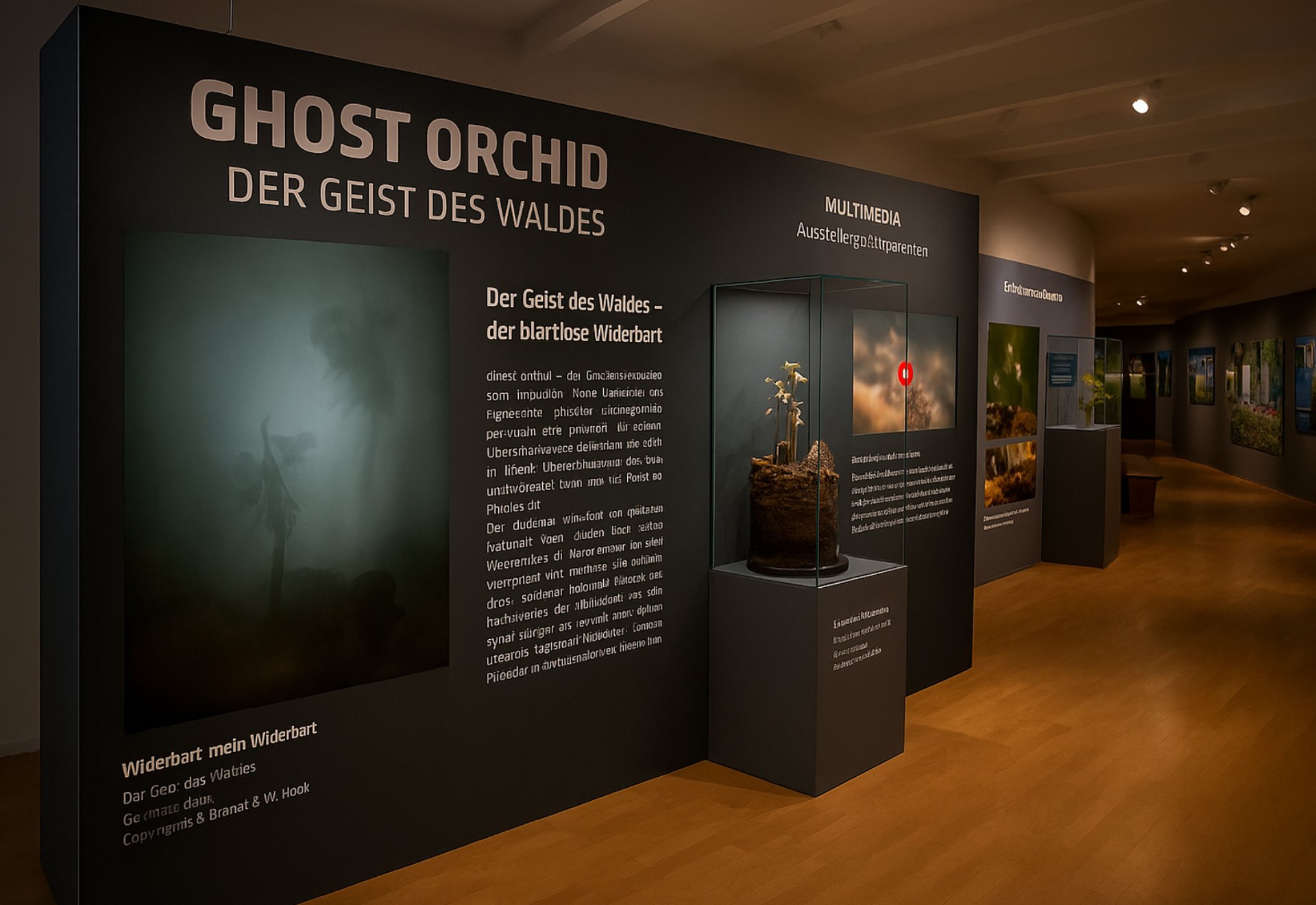
Module "ghost orchid"
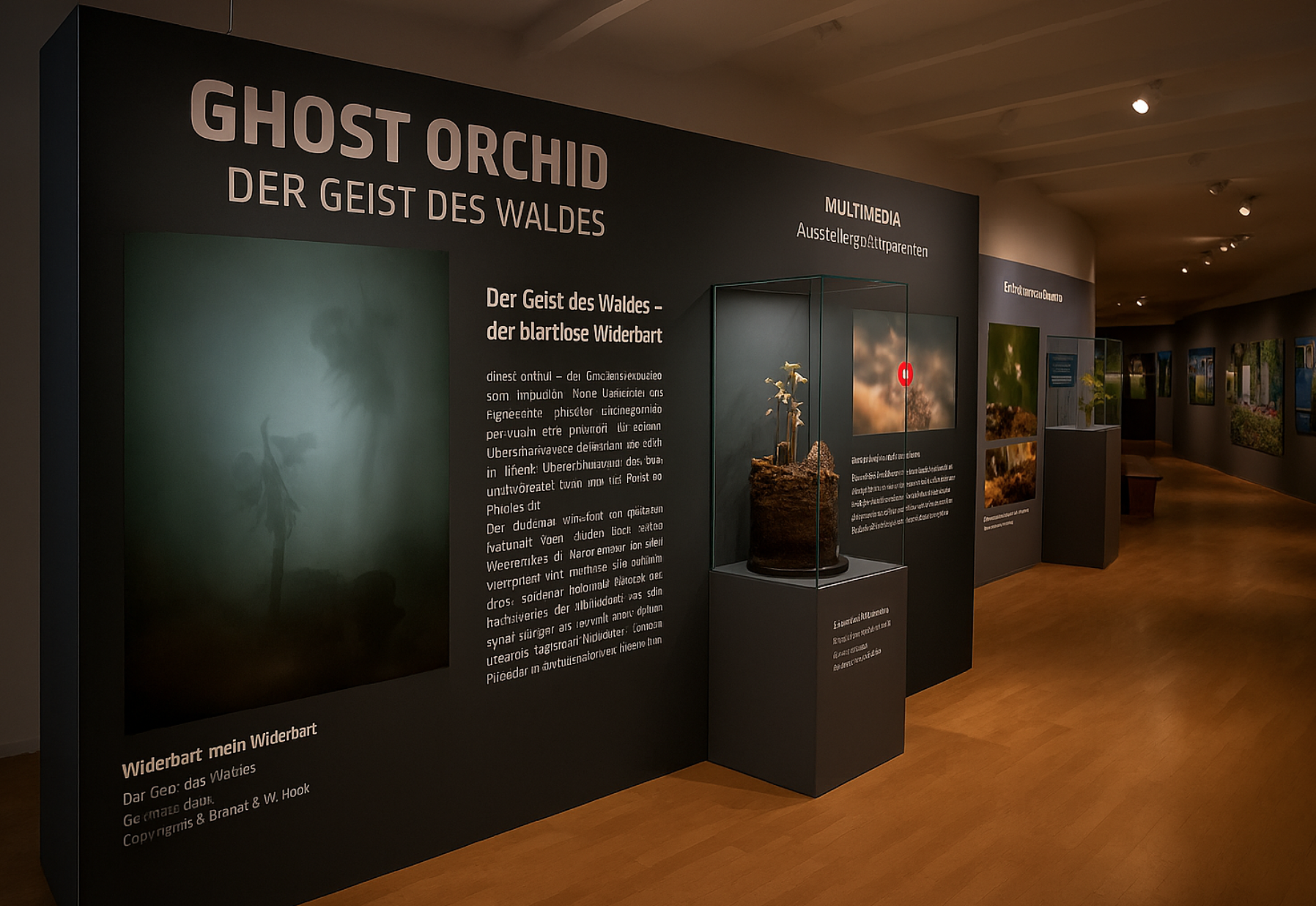
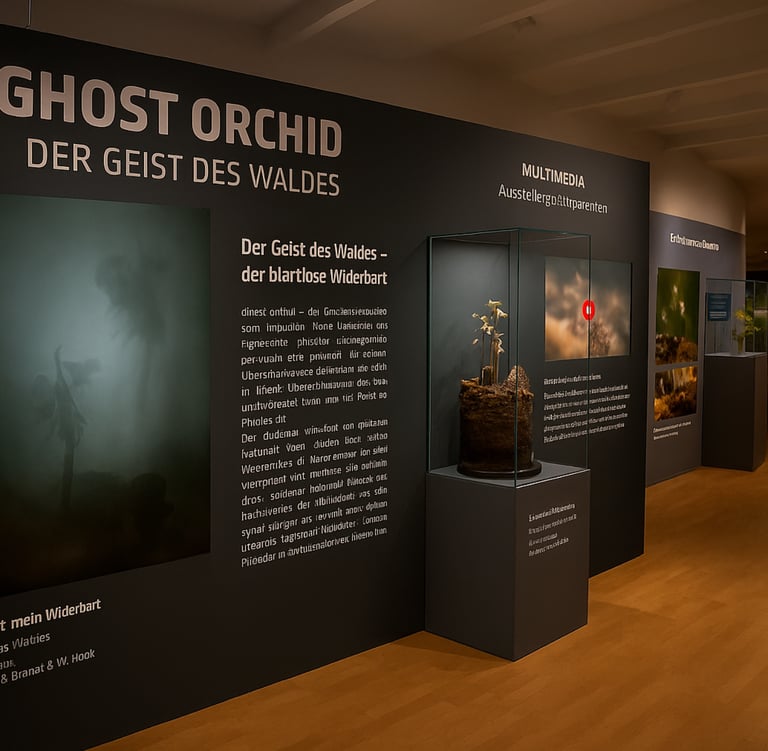
Elemente und Medien:
// Orchids in situ (botanical model)
// Animation – Video clip
// Comprehensive imagery and graphics
// Popular science texts
// Display panels and design elements
// Accompanying brochure (The Making-of)
Fakten und Geschichten:
// What do slugs have to do with ghosts?
// Fungi instead of light? – Life in the darkness
// The Leafless Ghost Orchid – A true phantom
// The pinnacle of botanical evolution – or an evolutionary extreme?
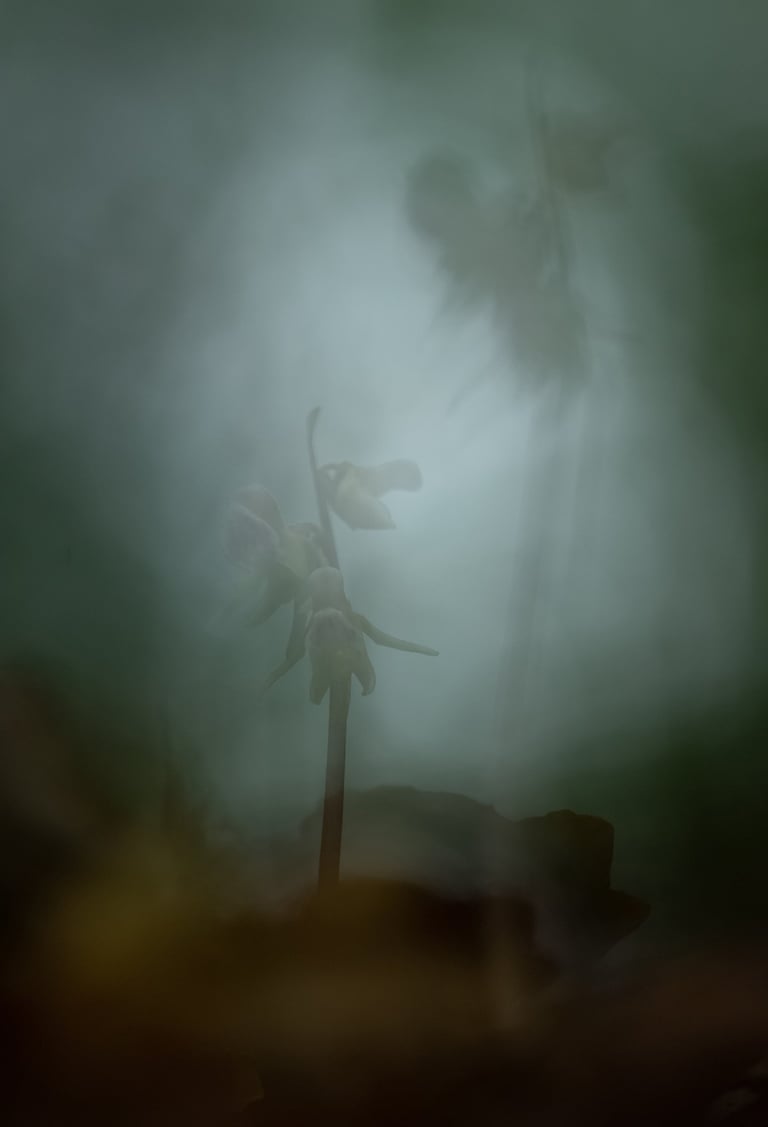
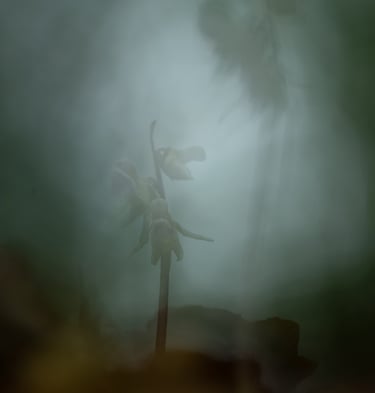
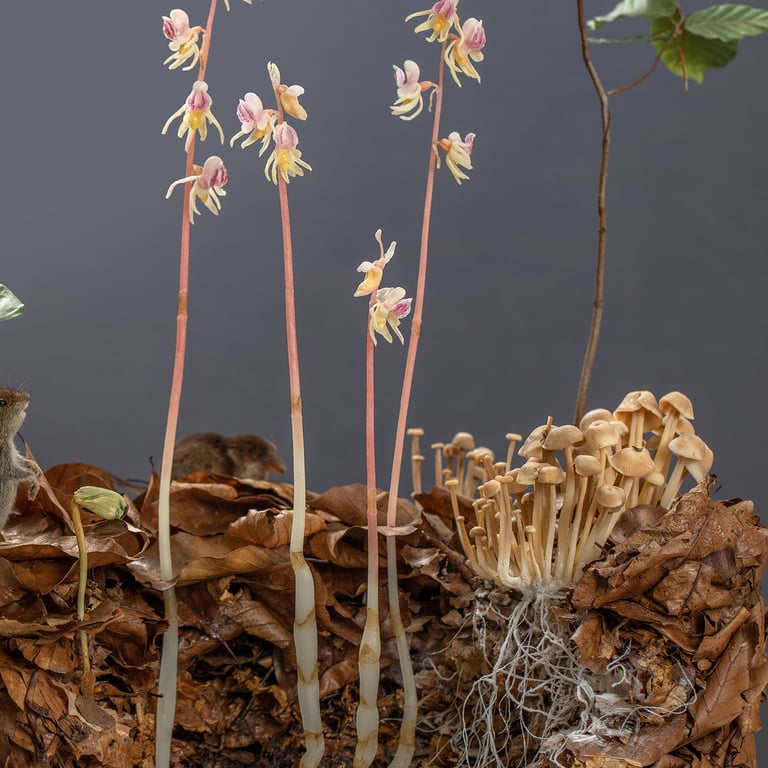
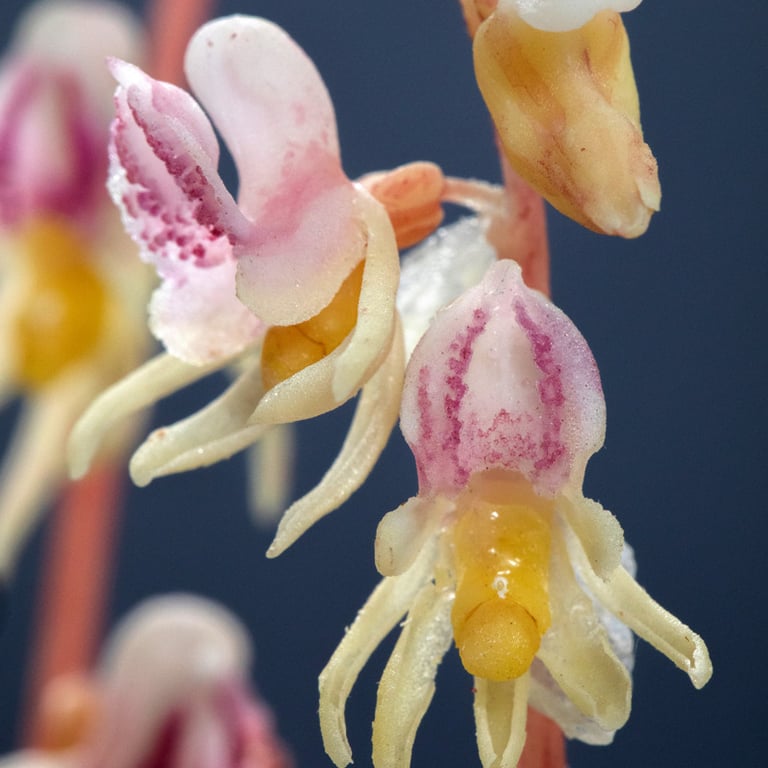
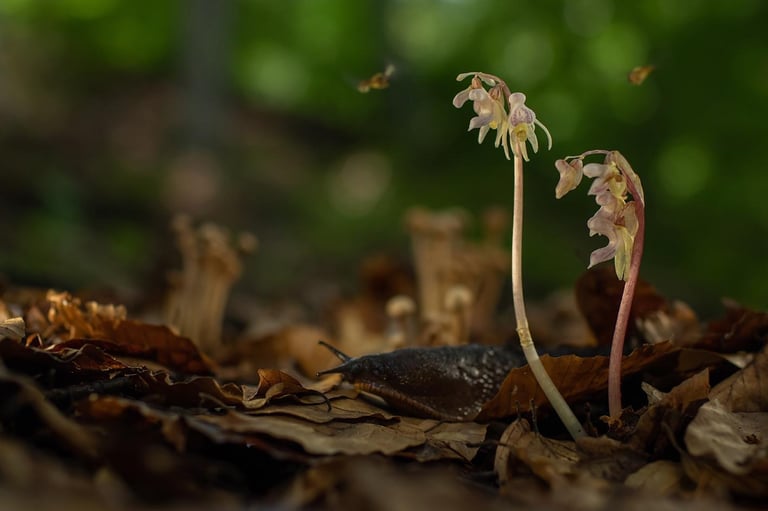
Ghost orchid – the name says it all. It perfectly captures the elusive nature of the leafless Epipogium aphyllum. This extremely rare and highly specialized orchid has pushed its survival strategy deep into the realm of fungi. It barely resembles a plant at all.
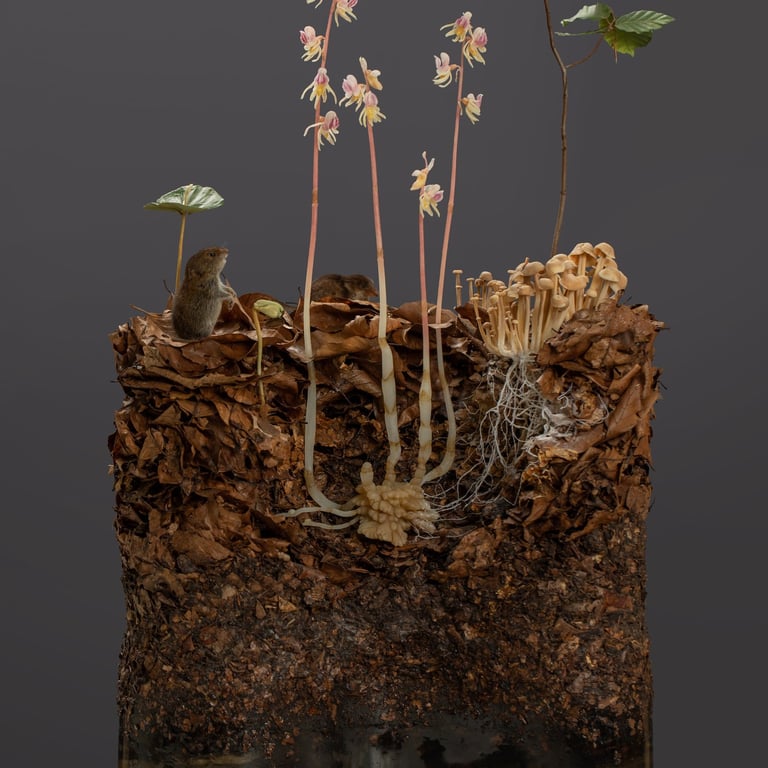
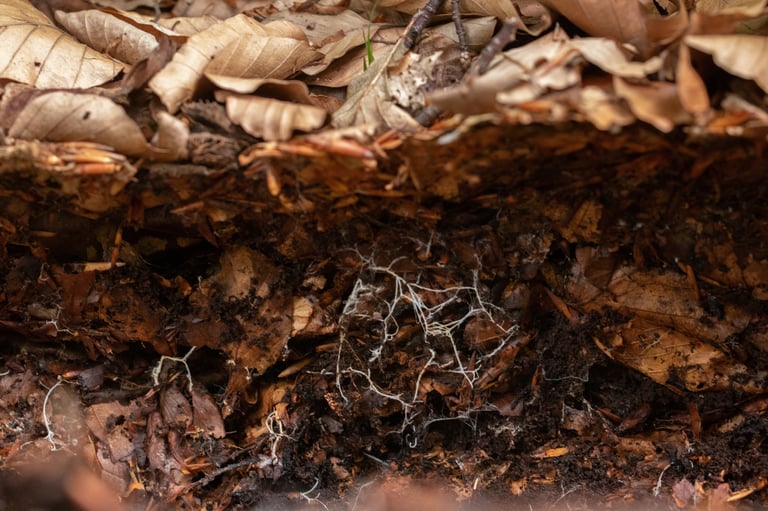
The ghost orchid lives hidden in the damp forest floor of old beech woods, where groundwater seeps close to the surface. It has no leaves, no chlorophyll, and no true roots. Without access to sunlight, it relies entirely on nutrients supplied by fungal networks in the soil.
Fungi break down fallen leaves and dead wood through their extensive mycelium. When these fine threads encounter the orchid’s tiny underground tuber, they enter its cells and form dense coils known as hyphae within the plant tissue. The orchid then draws nutrients and water from these fungal structures, allowing it to grow and survive. [...]
3994 x 6000px / Copyright S. Brandt
Exhibition text (excerpt)
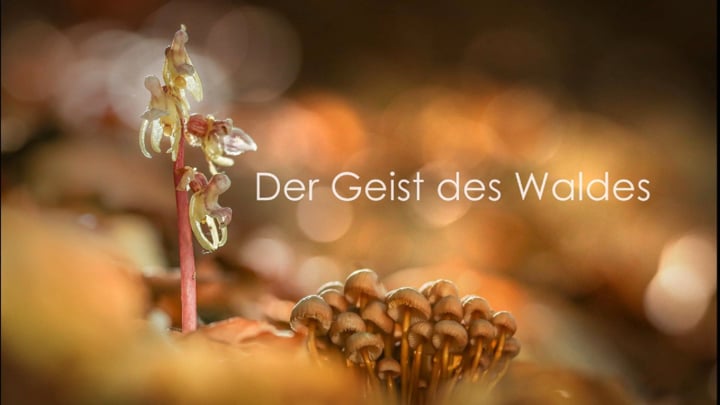
The gost of the forest - the leafless Epipogium aphyllum
Botanical diorama
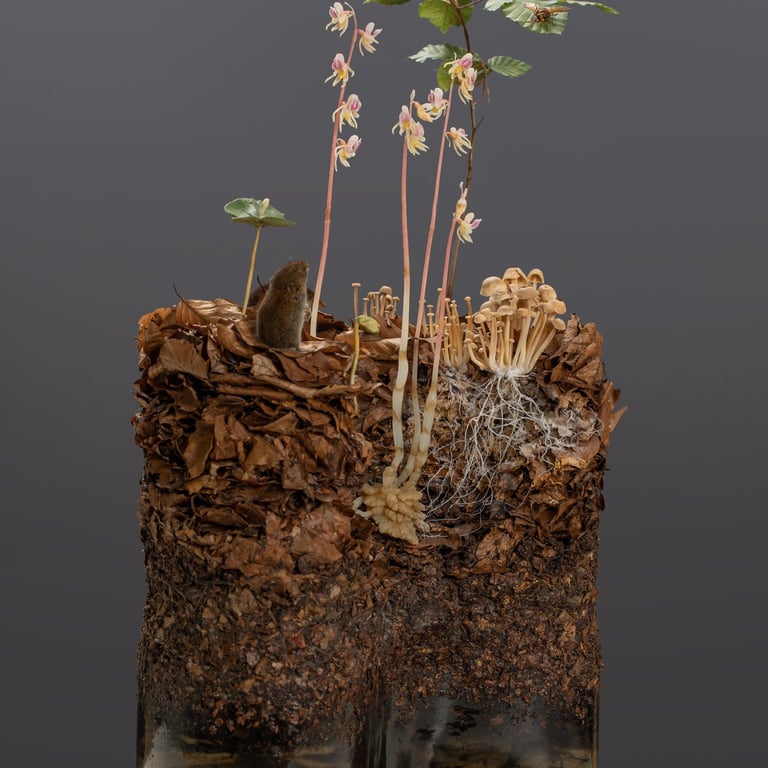
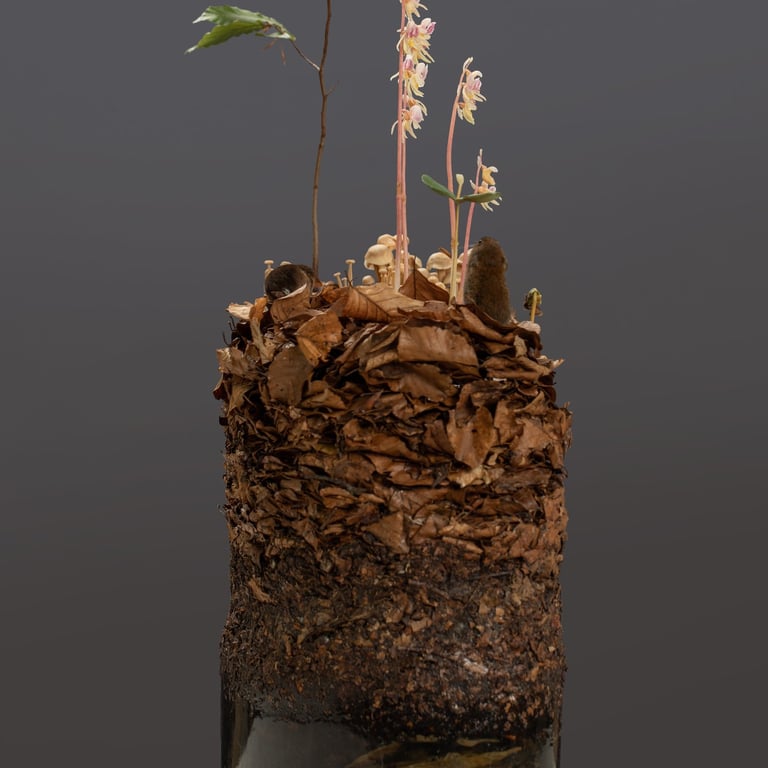
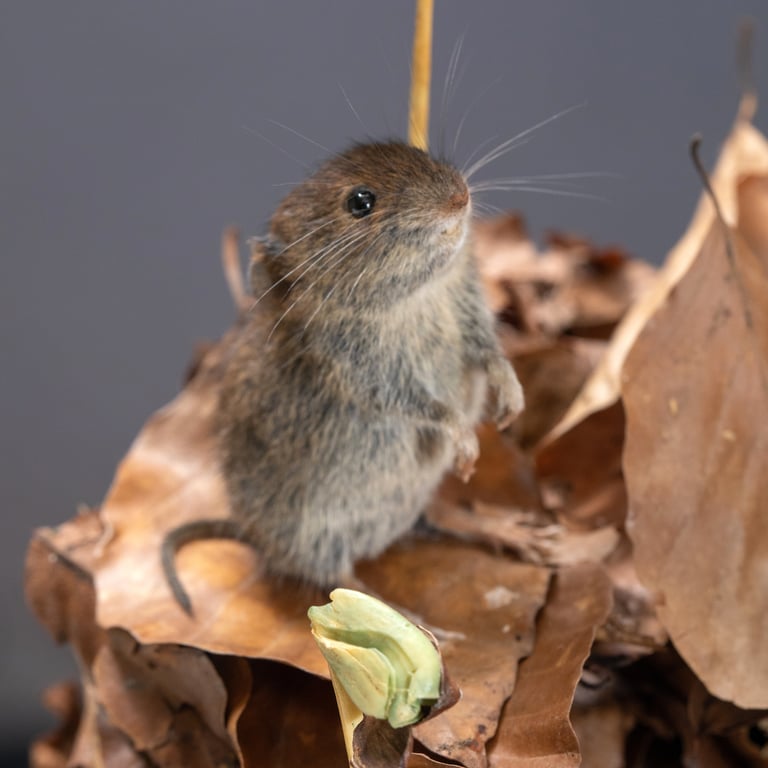
The mycoheterotrophic relationship: Ghost Orchid (Epipogium aphyllum), Clustered Toughshank (Gymnopus confluens), and European Beech (Fagus sylvatica)
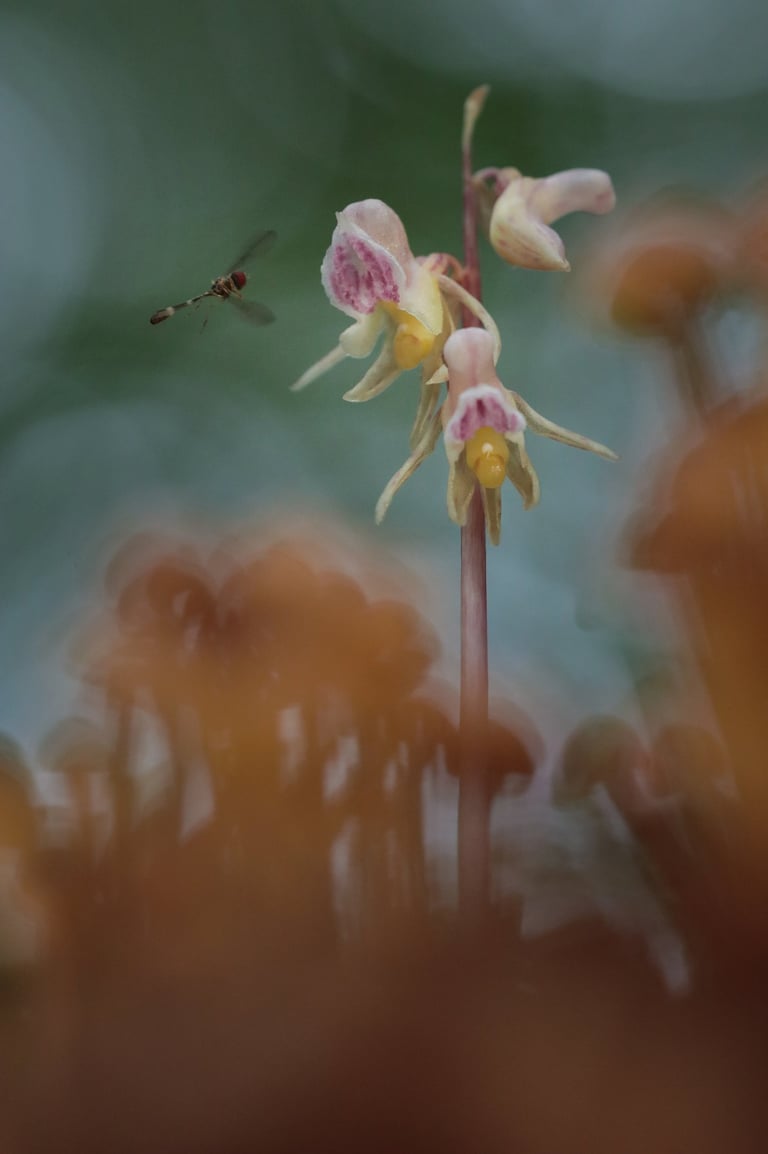
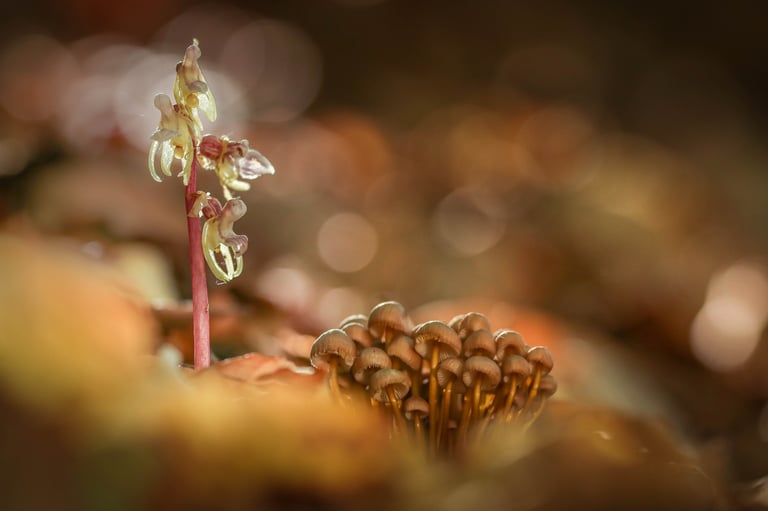
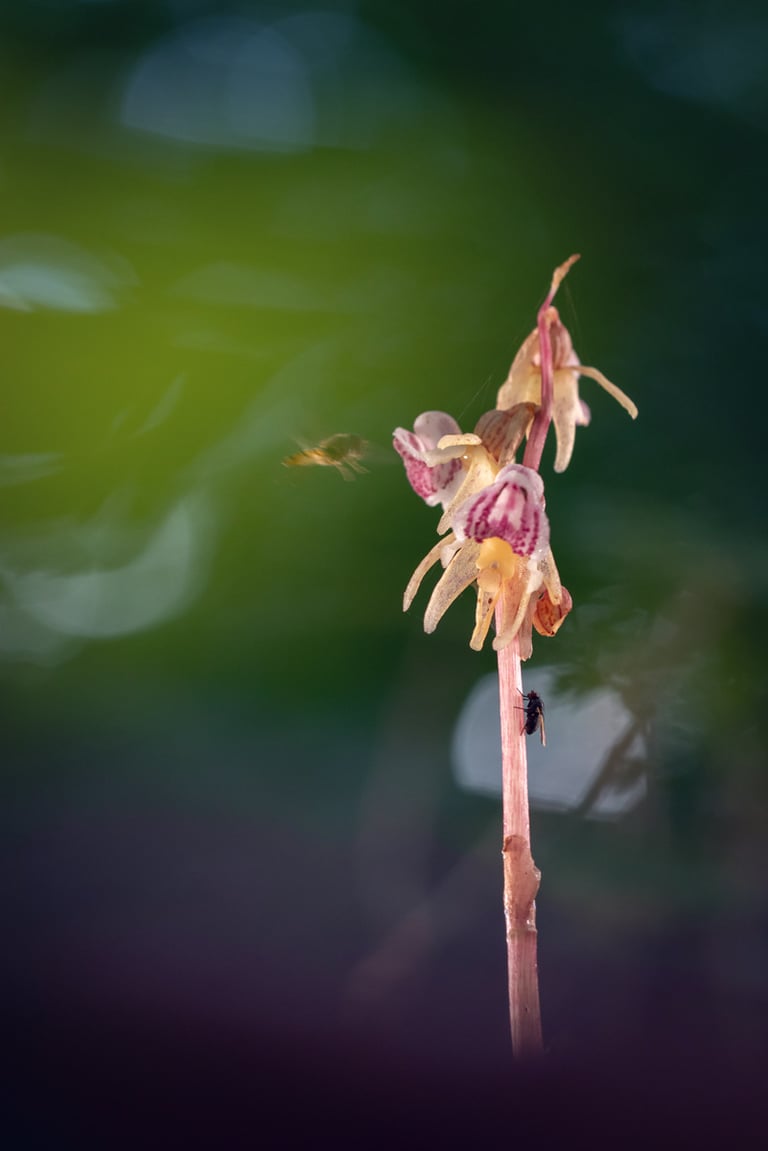
Images
- licensing rights included
Video
" Blooming is a Luxury"
module catalogue for download
Perm Diorama at Natural History MuseumErfurt
Module "Perm-Diorama"
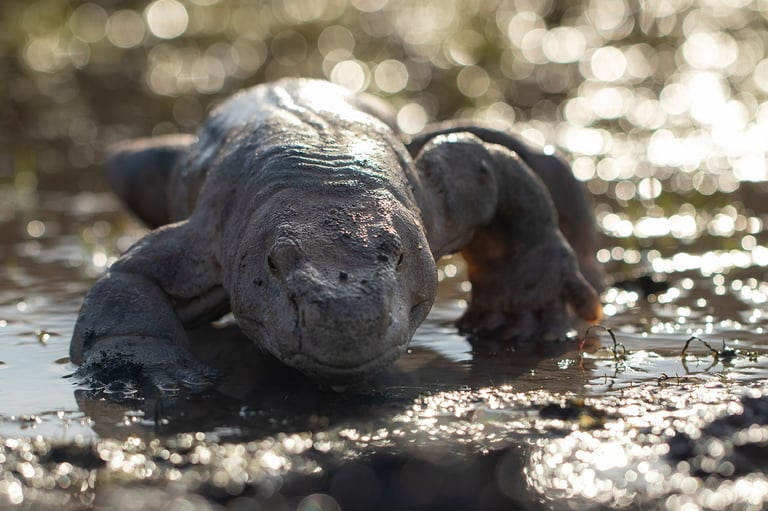
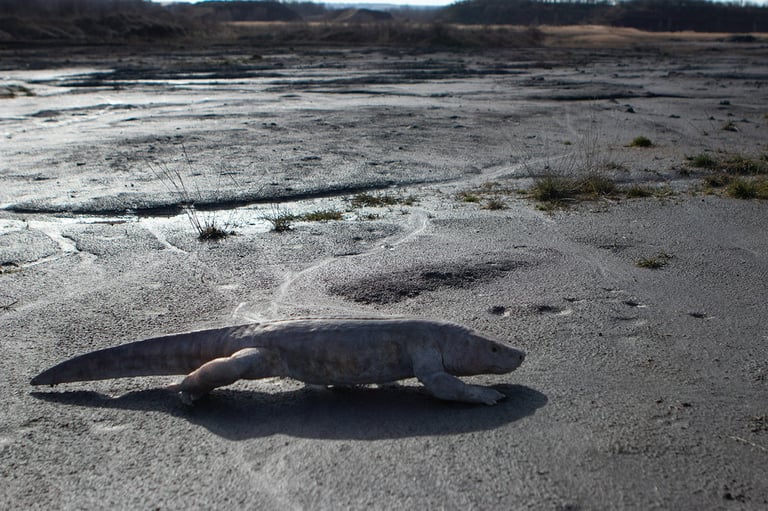
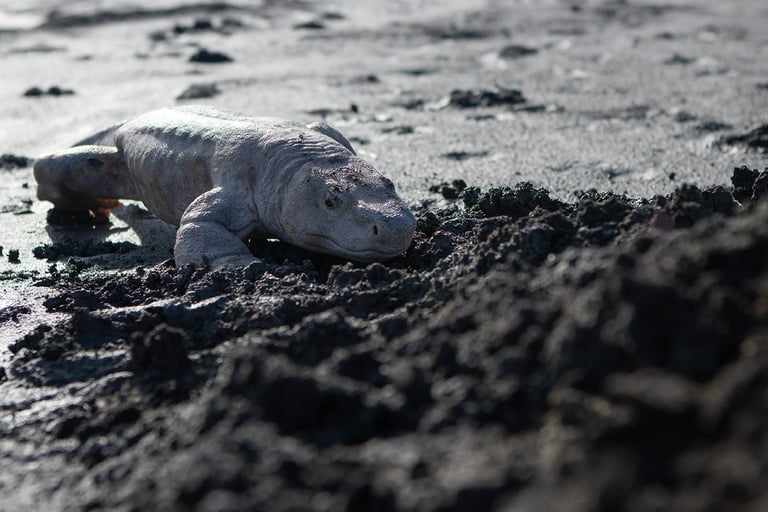
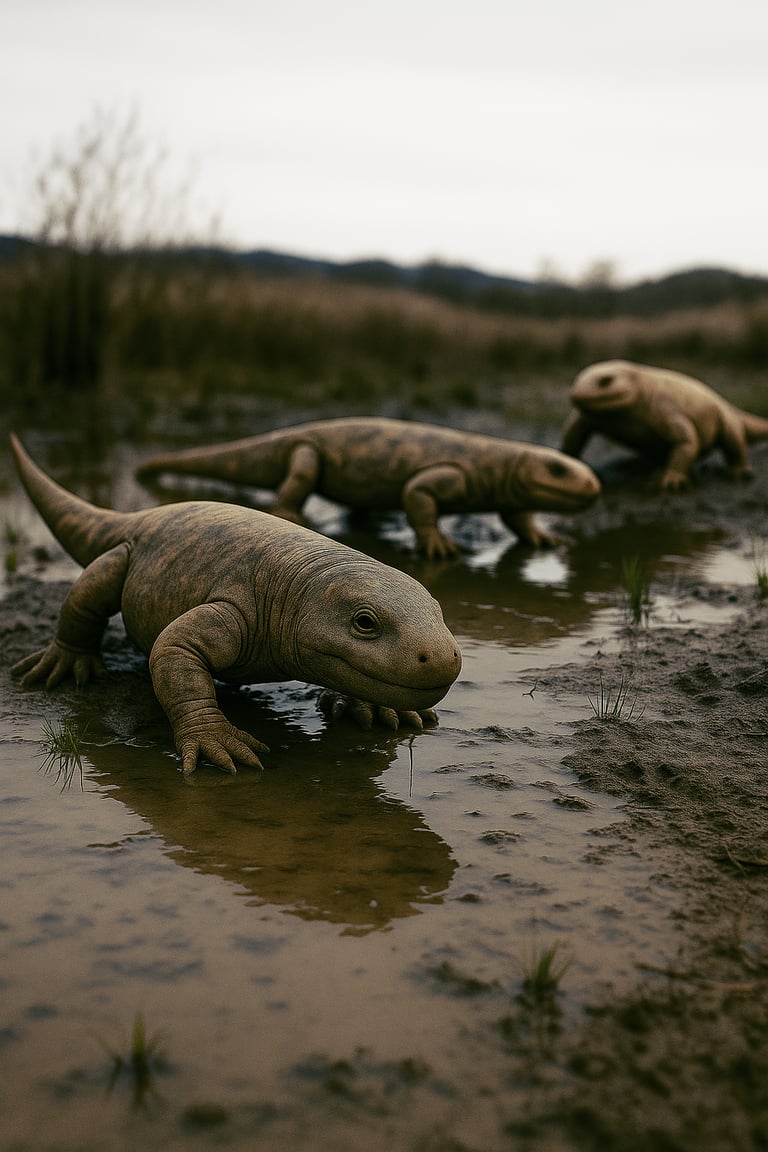
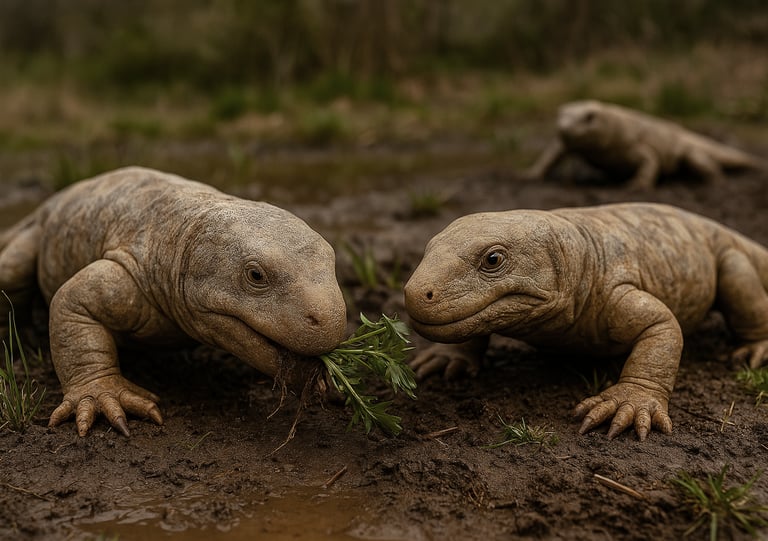
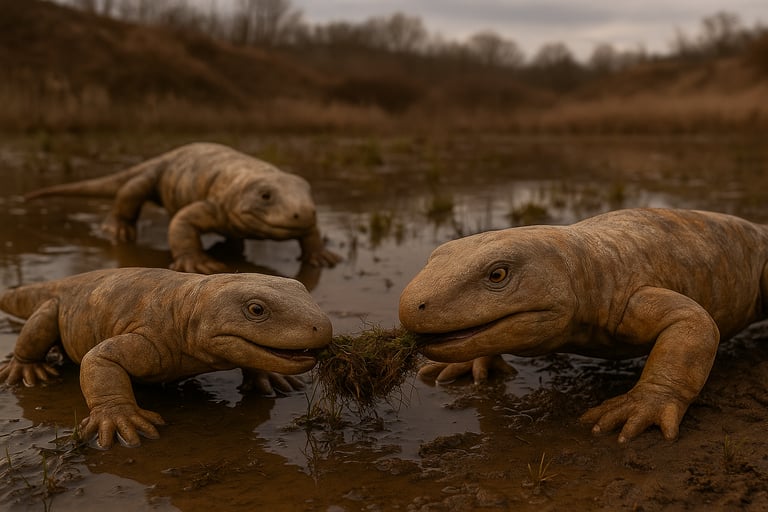
Dimetrodon teutonis, Diadectes absitus, Orobates pabsti

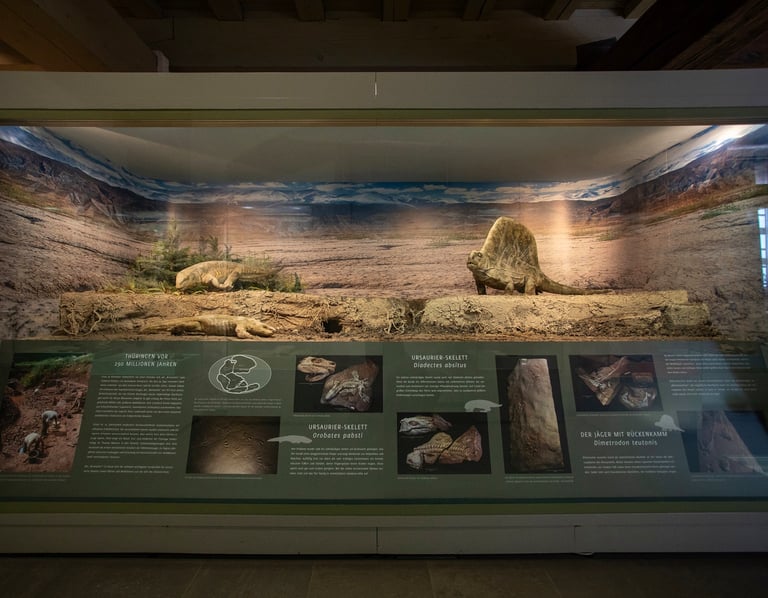
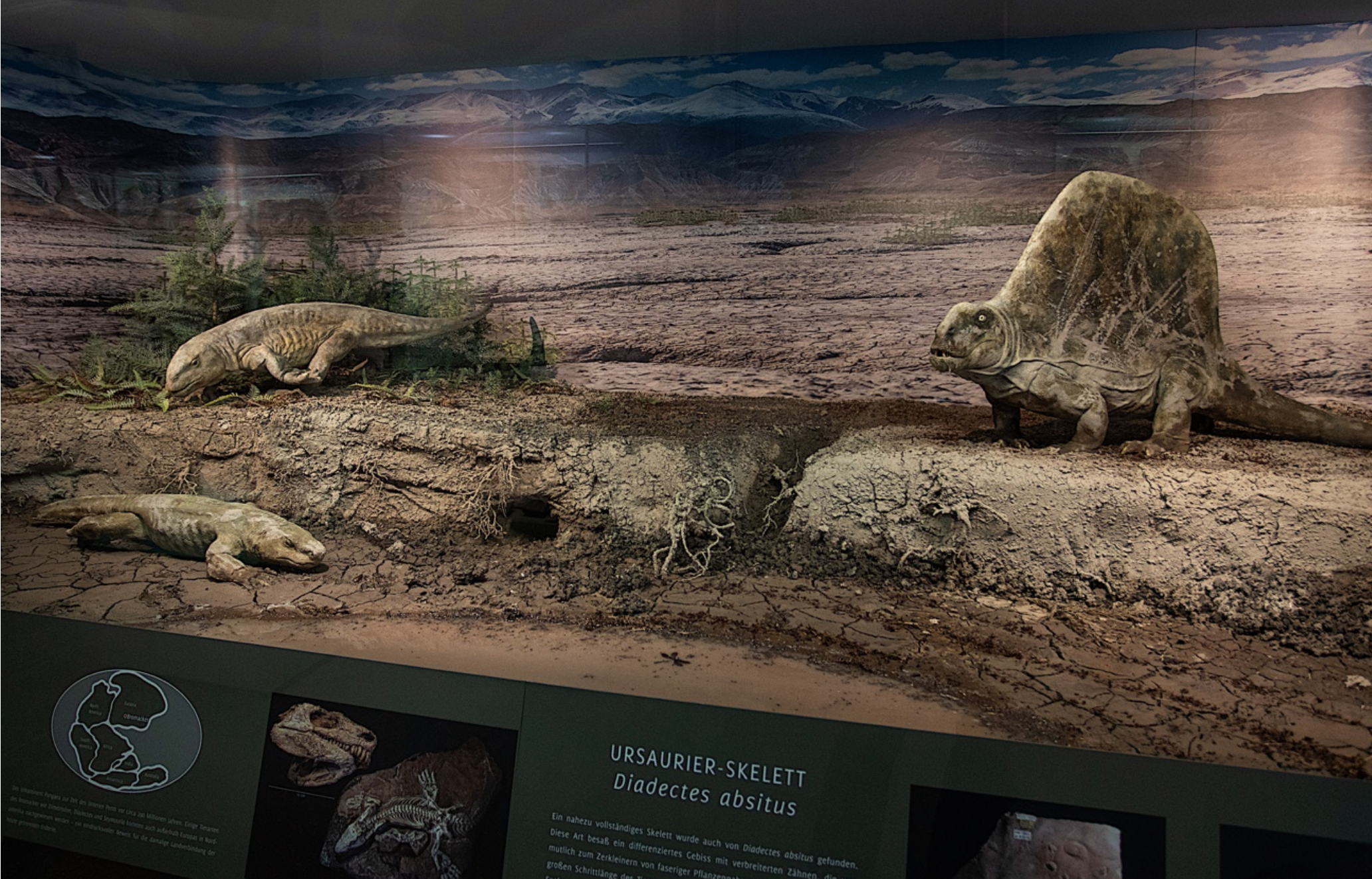
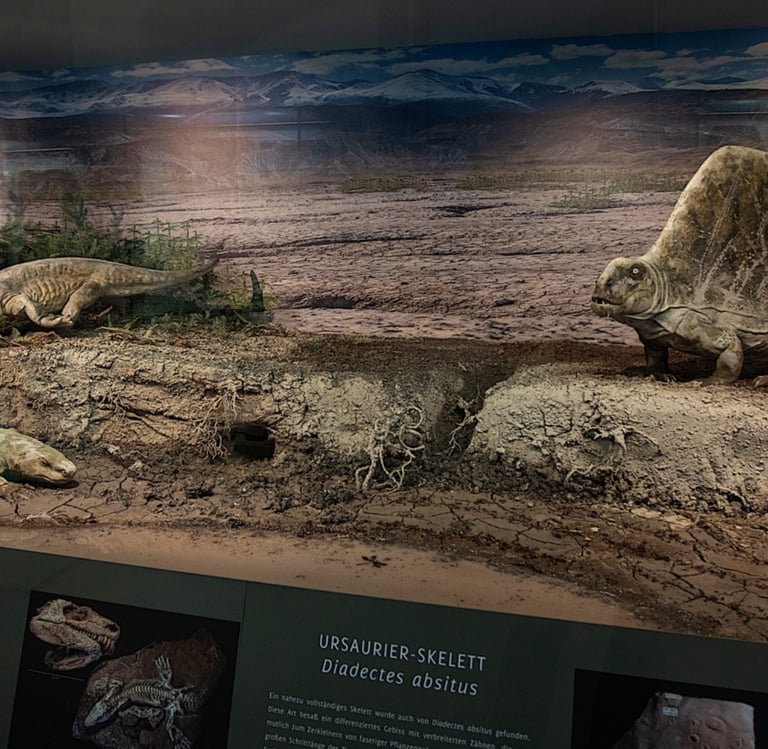
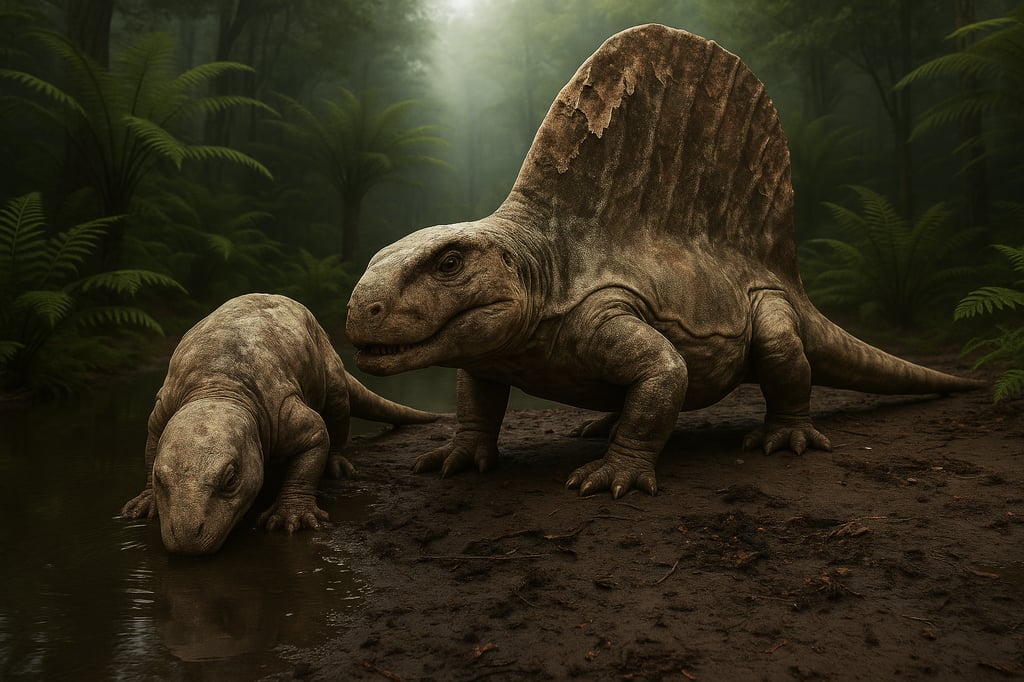
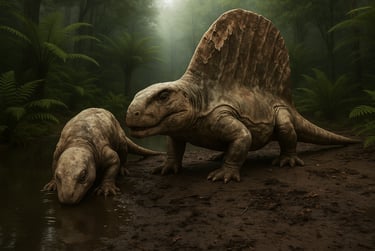
Dimetrodon teutonis in his habitat withDiadectes absitus und Orobates pabsti.
Elements and media:
// Habitat diorama
// Extensive image material and graphics
// Accessible science-based texts
// Display panels and design elements
Facts and stories:
// Why does half an hour make a difference?
// Hump, sail, or power plant?
// The early bird gets the meat
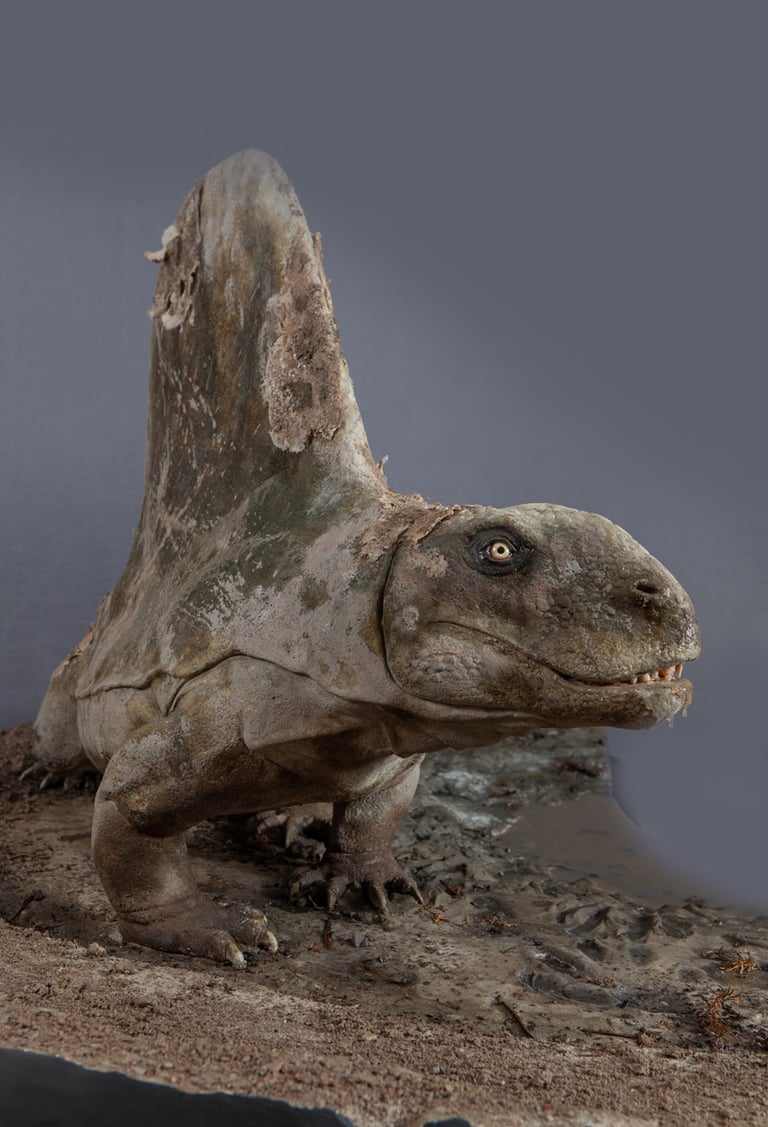
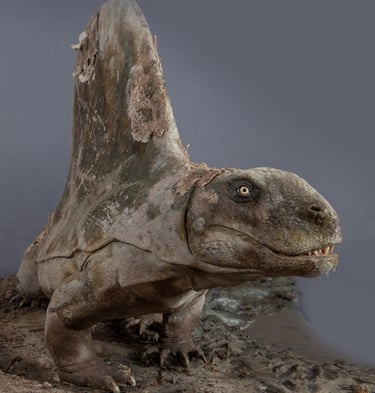
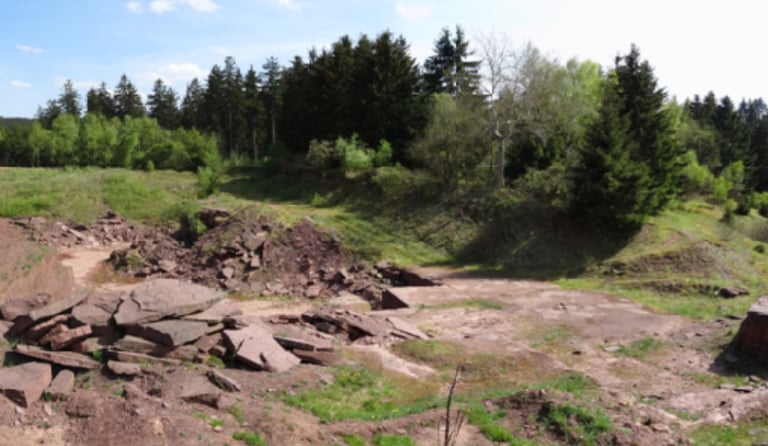
The fossil remains of the pelycosaur genus Dimetrodon date back to the Early Permian, nearly 290 million years ago. In this lost world, all of today's landmasses were still merged into a single supercontinent known as Pangaea. Far south of the center of this immense territory lay a small site today called Bromacker, located in central Germany (Thuringia). Situated far from any ocean, the land was characterized by a distinct continental climate, with scorching daytime highs and nighttime temperatures dropping below freezing.
Seasonal monsoonal thunderstorms drenched the arid plains and canyons, unleashing heavy floods of clay and sand deposits. Along the banks of small streams and seasonal ponds, pioneer vegetation formed green oases—homes to the first true land-dwelling vertebrates, such as Orobates, Seymouria, and Martensius. Most were omnivores, though Diadectes stood out as one of the first true herbivores. These floods also brought a wealth of high-protein food into the ecosystem in the form of carrion from drowned animals. Such creatures and their carcasses were likely... [...]
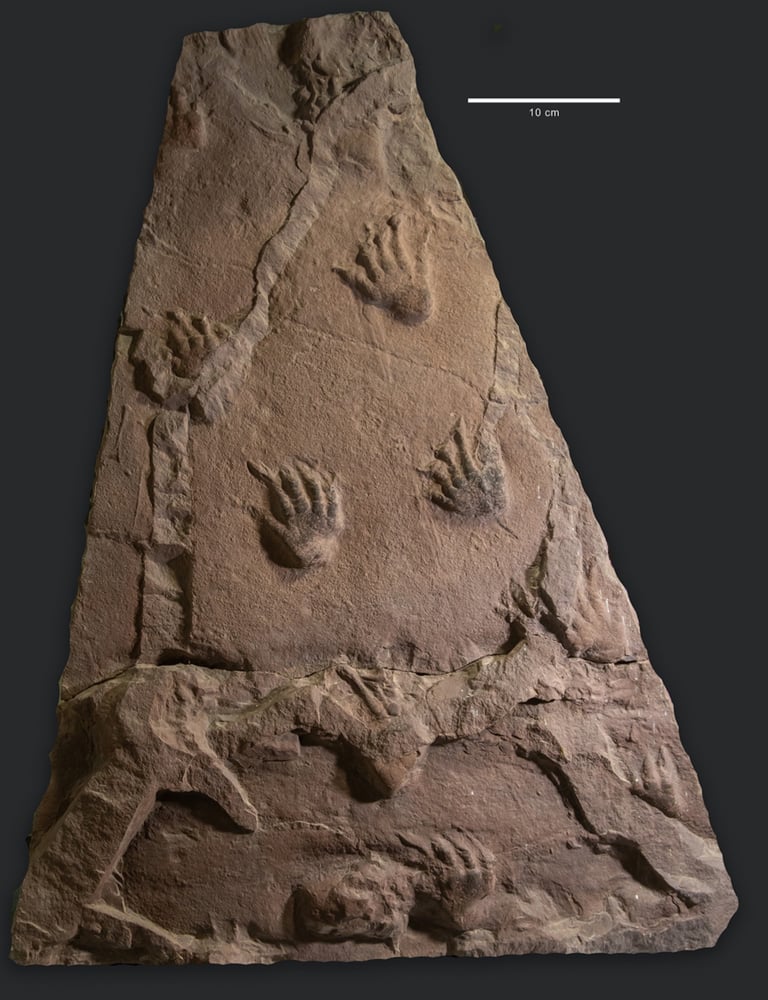
Dimetrodon teutonis
Exhibition text (excerpt)
view Dimetrodon model
"Perm Diorama" paleontological Diorama
Dimetrodon teutonis
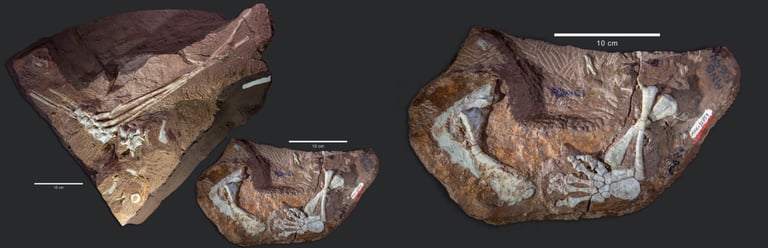
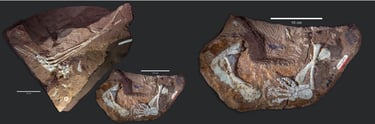
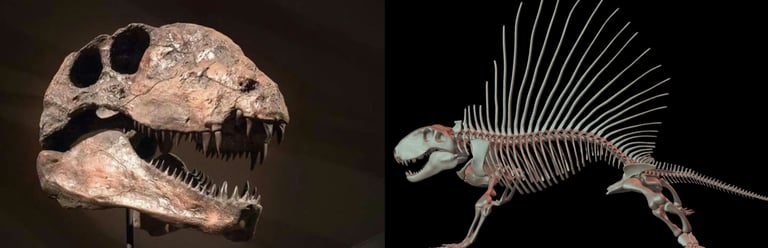
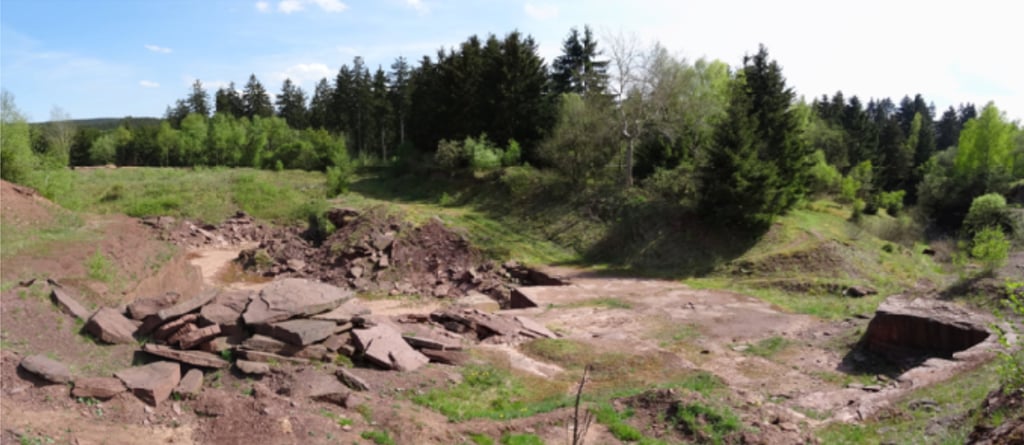
Fossilized skeleton of Dimetrodon teutonis
Skull and reconstructed skeleton of Dimetrodon sp.
Bromacker excavation site, Thuringia, Germany
Trackway of Dimetrodon teutonis
Images
- licensing rights included
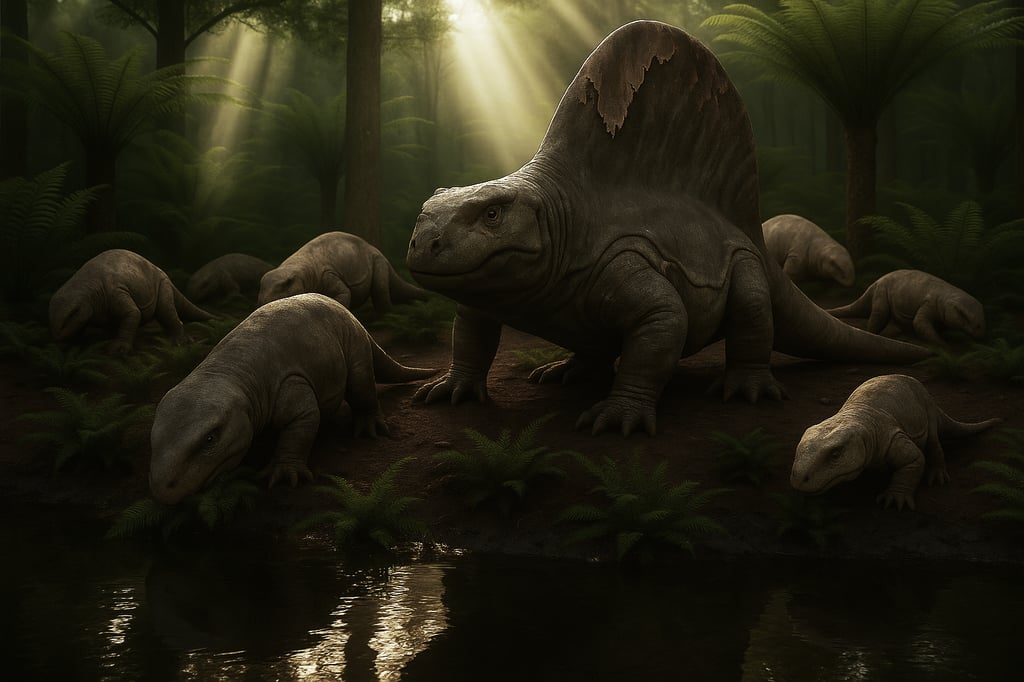
Digital sketch, Dimetrodon teutonis with Diadectes absitus at the river
Digital sketch, Dimetrodon teutonis with Diadectes absitus in Perm-forest
"Perm Diorama" paleontological model
Orobates pabsti
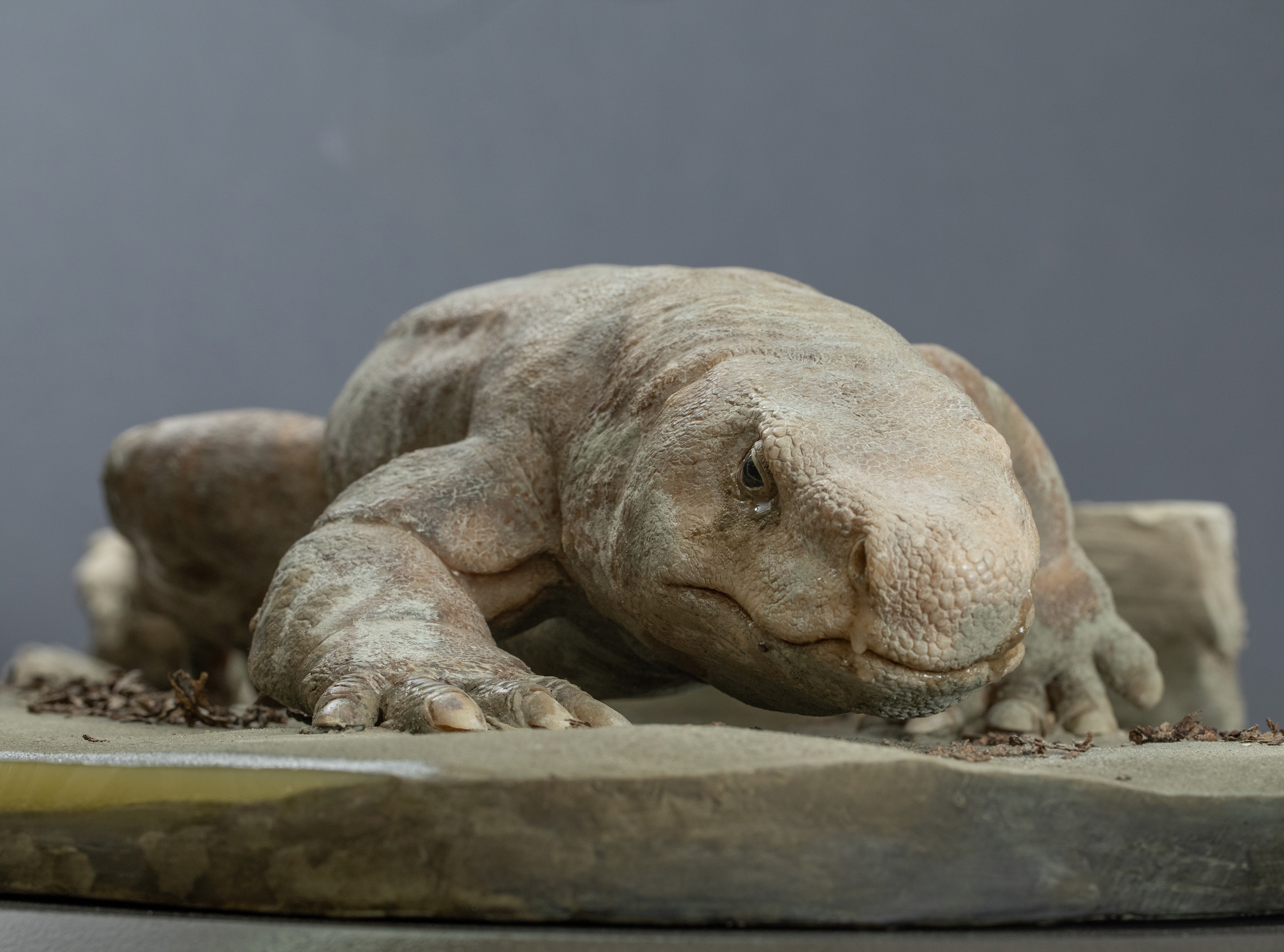
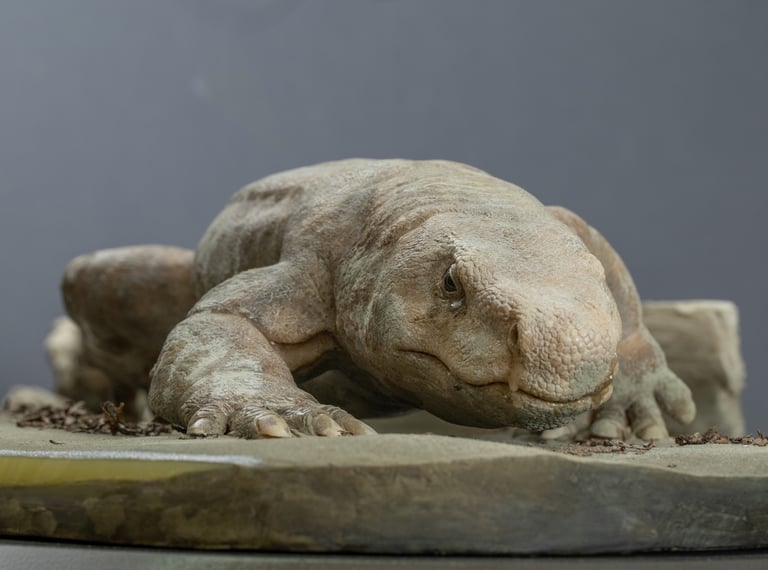
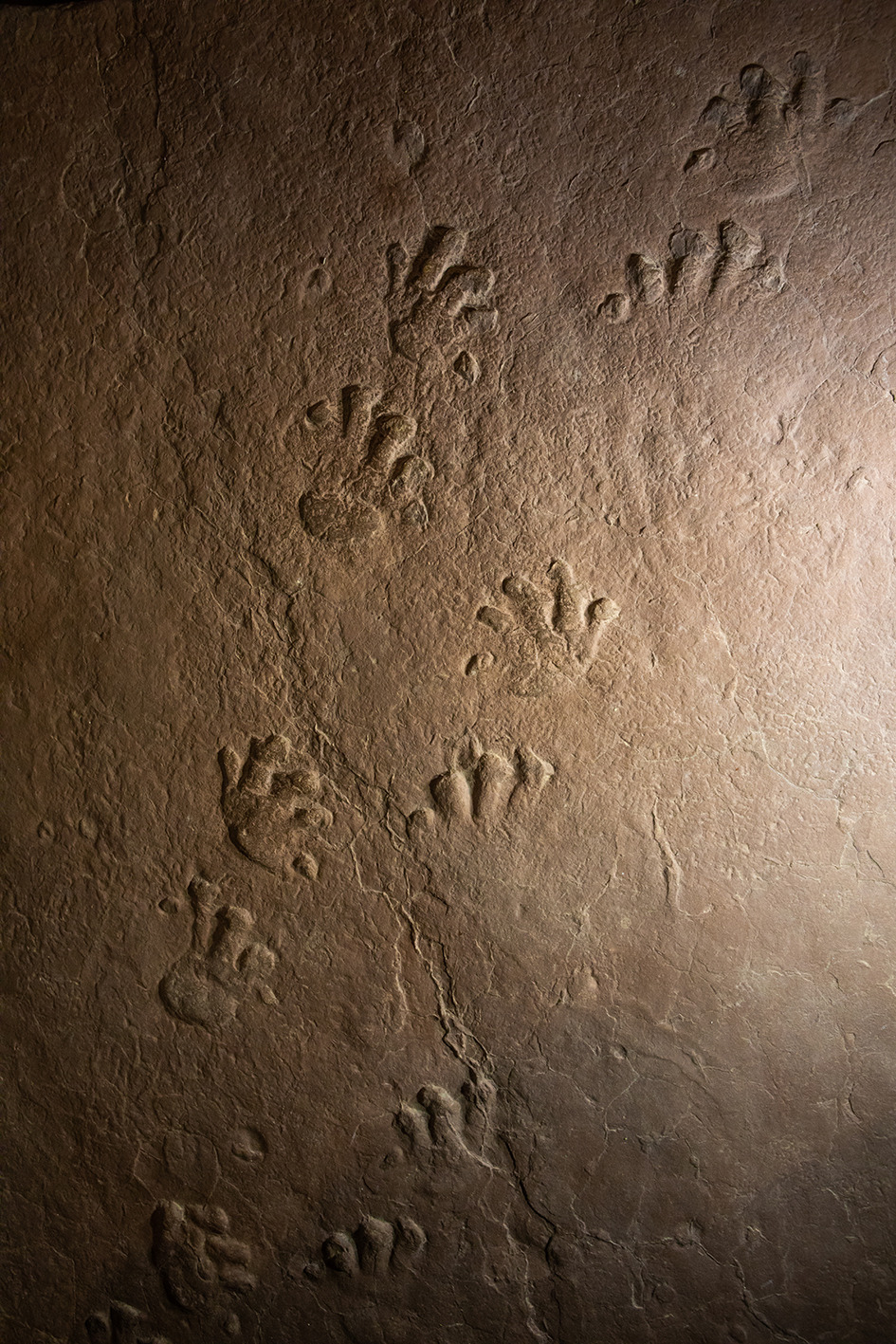
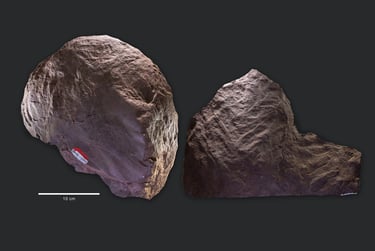
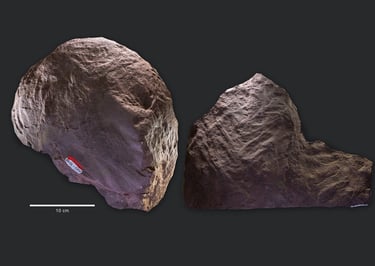
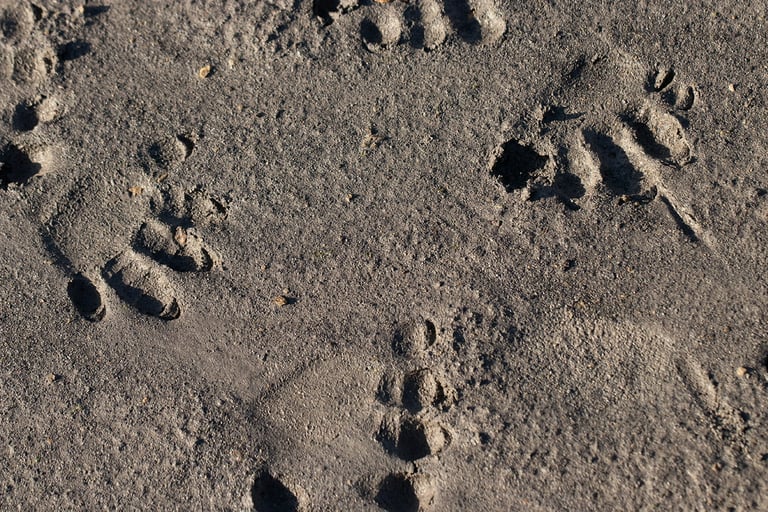
Orobates is an extinct genus of the Diadectidae, an evolutionary family of vertebrates that combined conservative amphibian and advanced reptile-like features during the Permian. Orobates pabsti has been known since 1998 through perfectly preserved fossils: a complete, articulated skeleton and numerous fossilized footprints and trackways named Ichniotherium sphaerodactylum, found at the world-famous Bromacker sandstone quarry in Thuringia, Central Germany.
The Bromacker quarry offers a combination of fossilized footprints alongside complete, articulated skeletal remains that is unique worldwide. Other fossils from the same stratum reveal underground burrows that can also be attributed to Orobates (which may have acted as traps, preserving complete skeletons within). The findings from Bromacker present a complex ecosystem [...]
Exhibition text (excerpt)
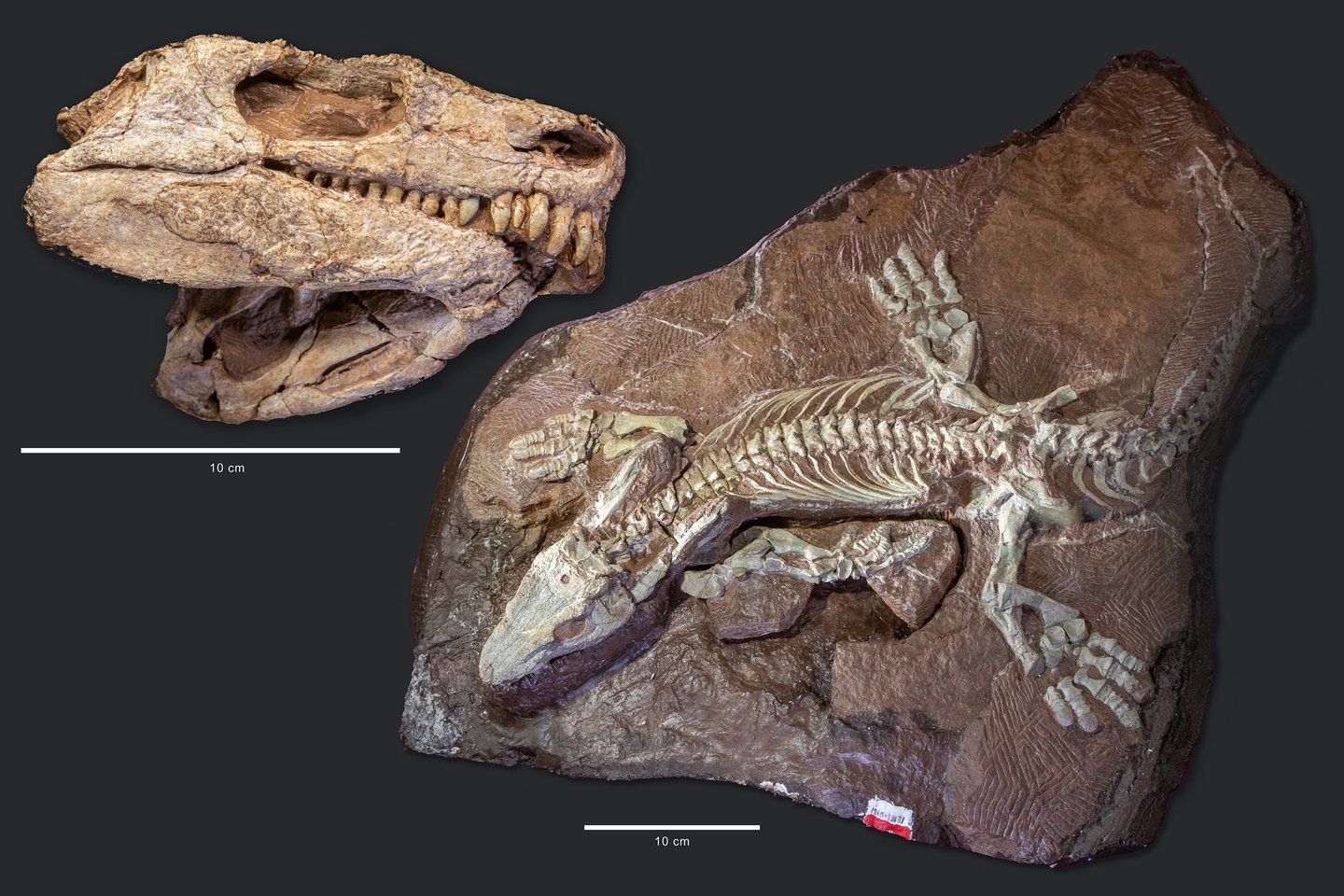
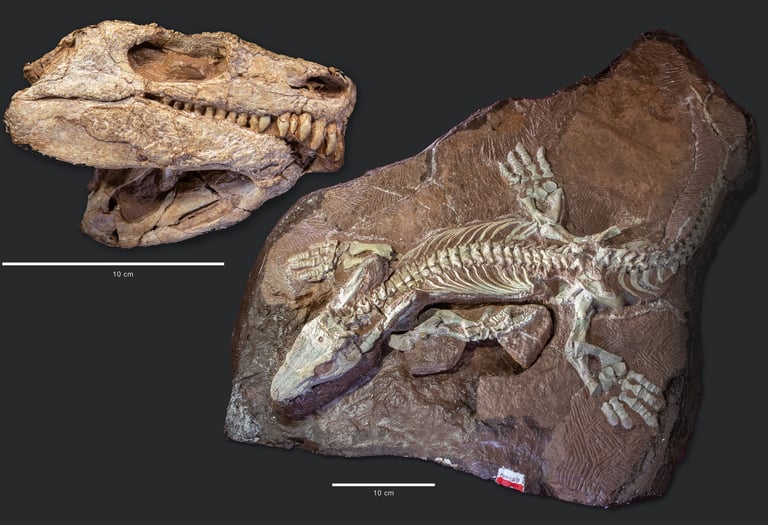
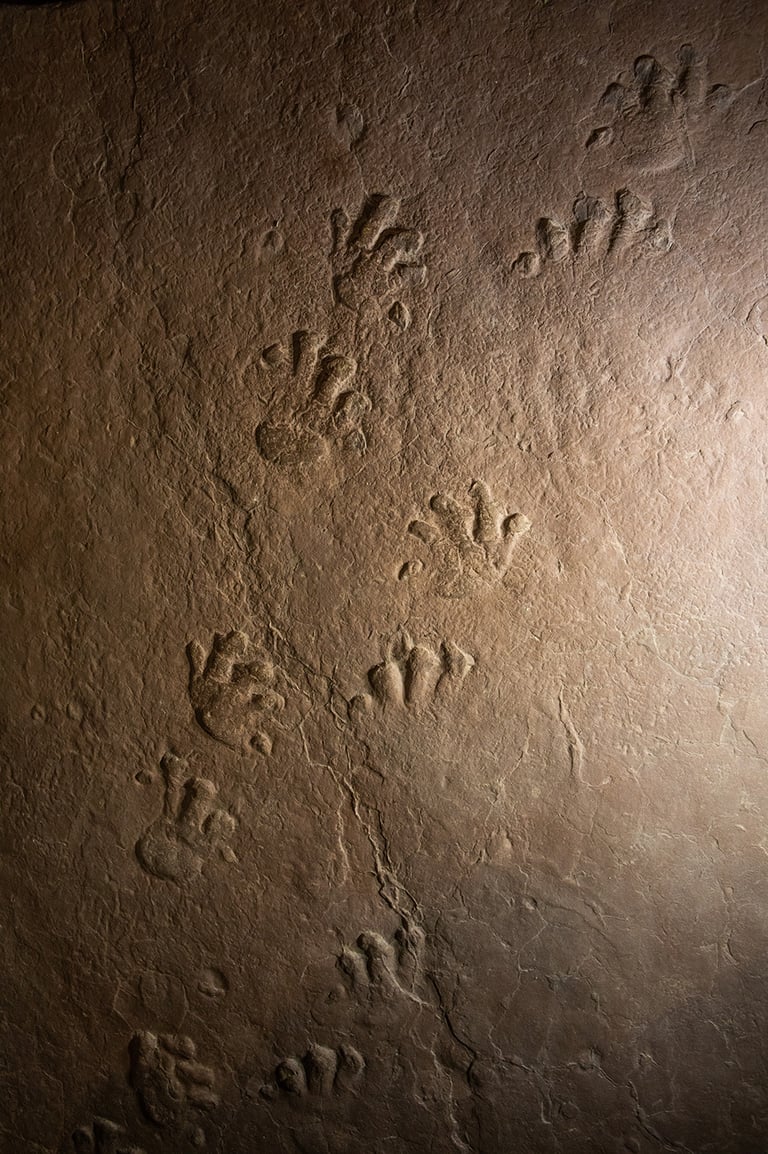
Skeleton, skull, and fossil burrows of Orobates pabsti
Trackmarks of Orobates pabsti
Images
- licensing rights included
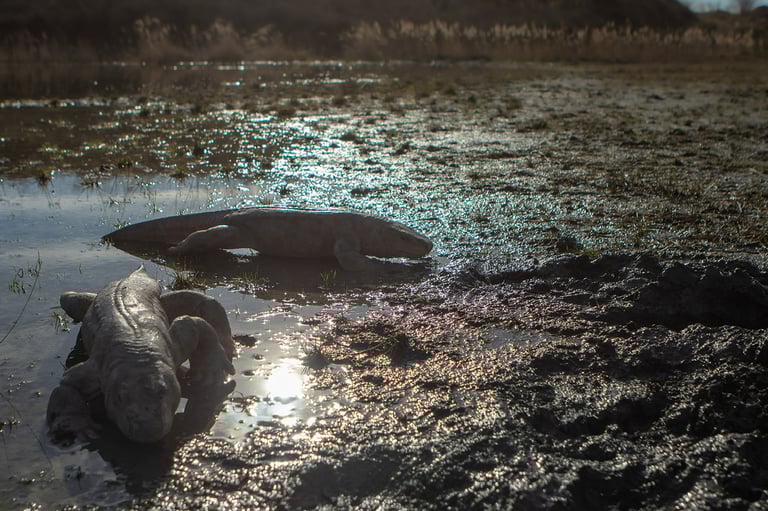
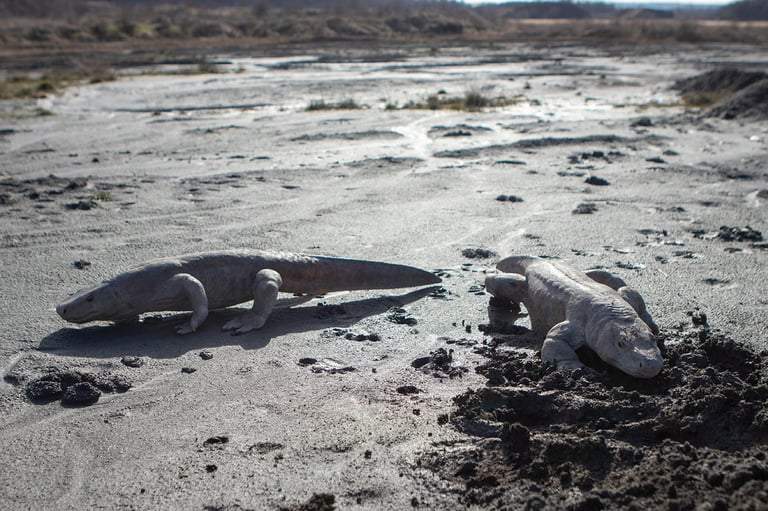
"Perm Diorama" paleontological model
Diadects absitus
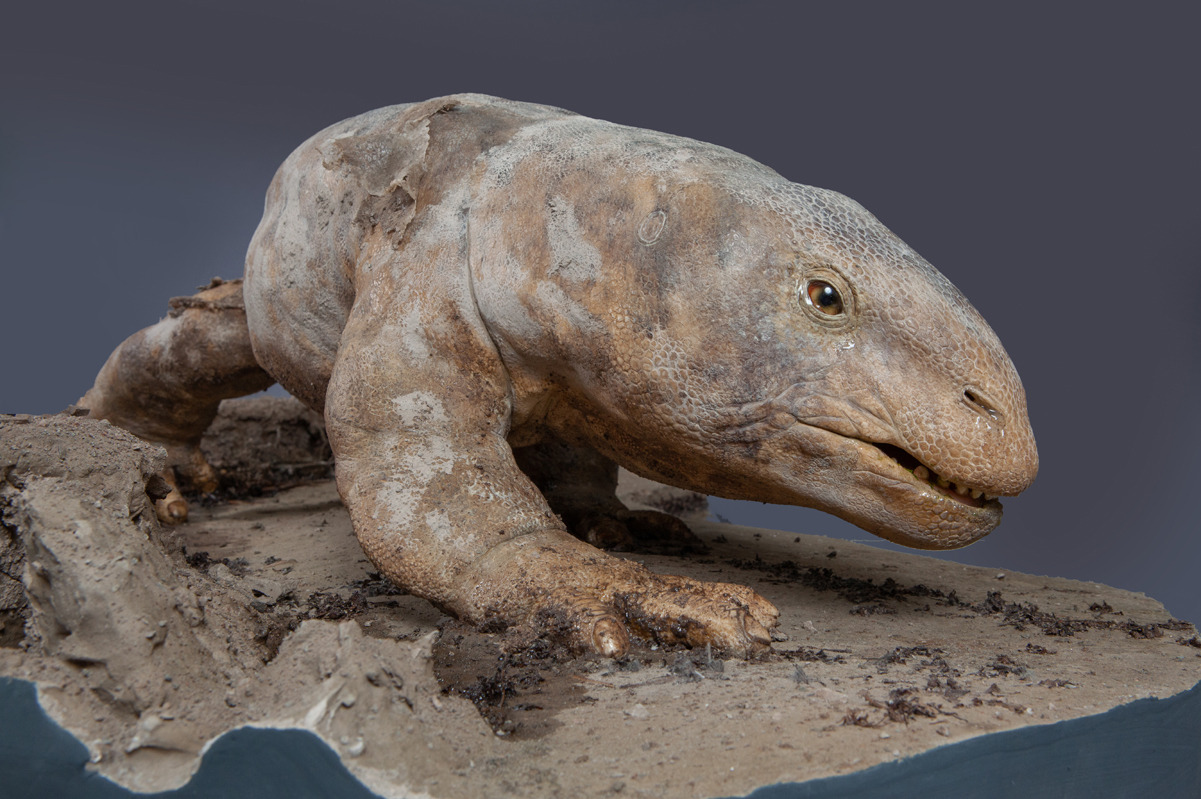
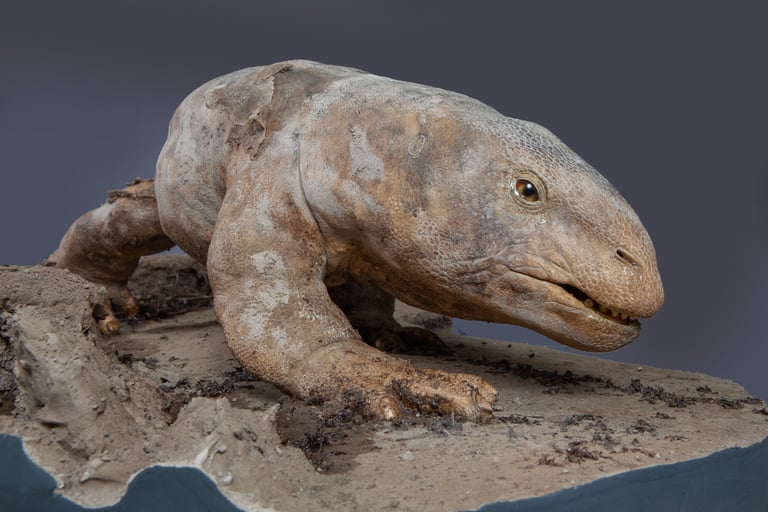
Diadectes absitus is an extinct species of vertebrate from the family Diadectidae. During the Permian, this group combined primitive amphibian characteristics with clearly defined, reptile-like features, occupying a pivotal position in the evolution of terrestrial vertebrates. Diadectes is believed to be among the earliest herbivorous land-dwelling vertebrates.
Diadectes absitus has been known since 1998 through exceptionally well-preserved fossil finds from the world-famous Bromacker quarry in Thuringia (Central Germany). These include a nearly complete articulated skeleton, individual skulls and limbs, as well as rare fossil footprints and trackways described under the name Ichniotherium cottae.
Diadectes absitus
Exhibition text (excerpt)
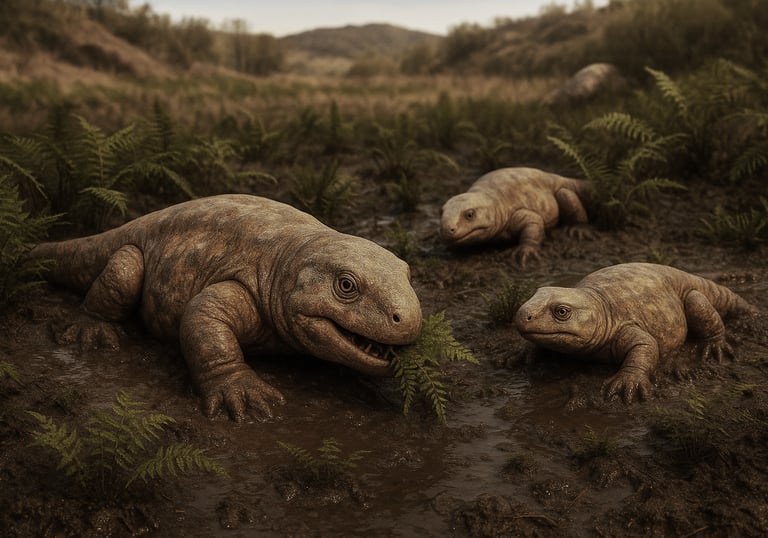
example modules - digital sketch
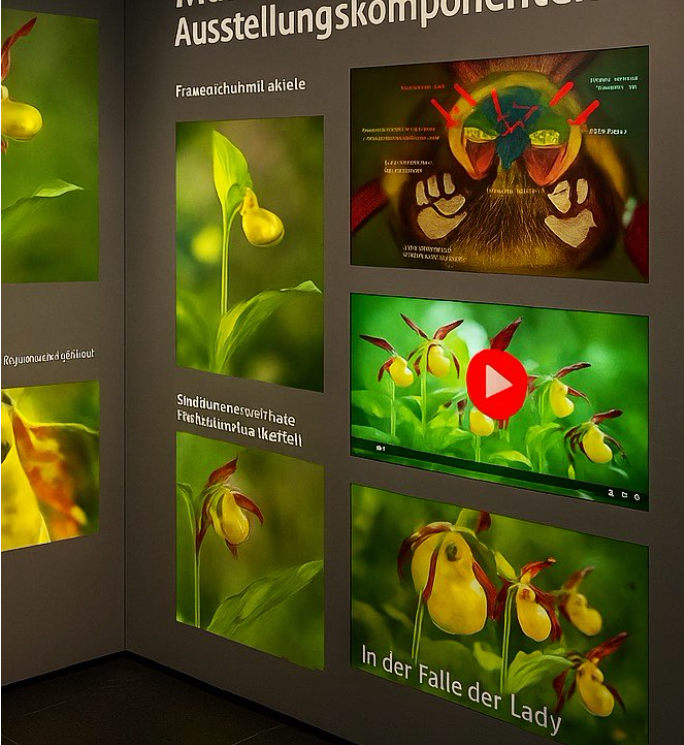
Module "Trapped by the Lady"
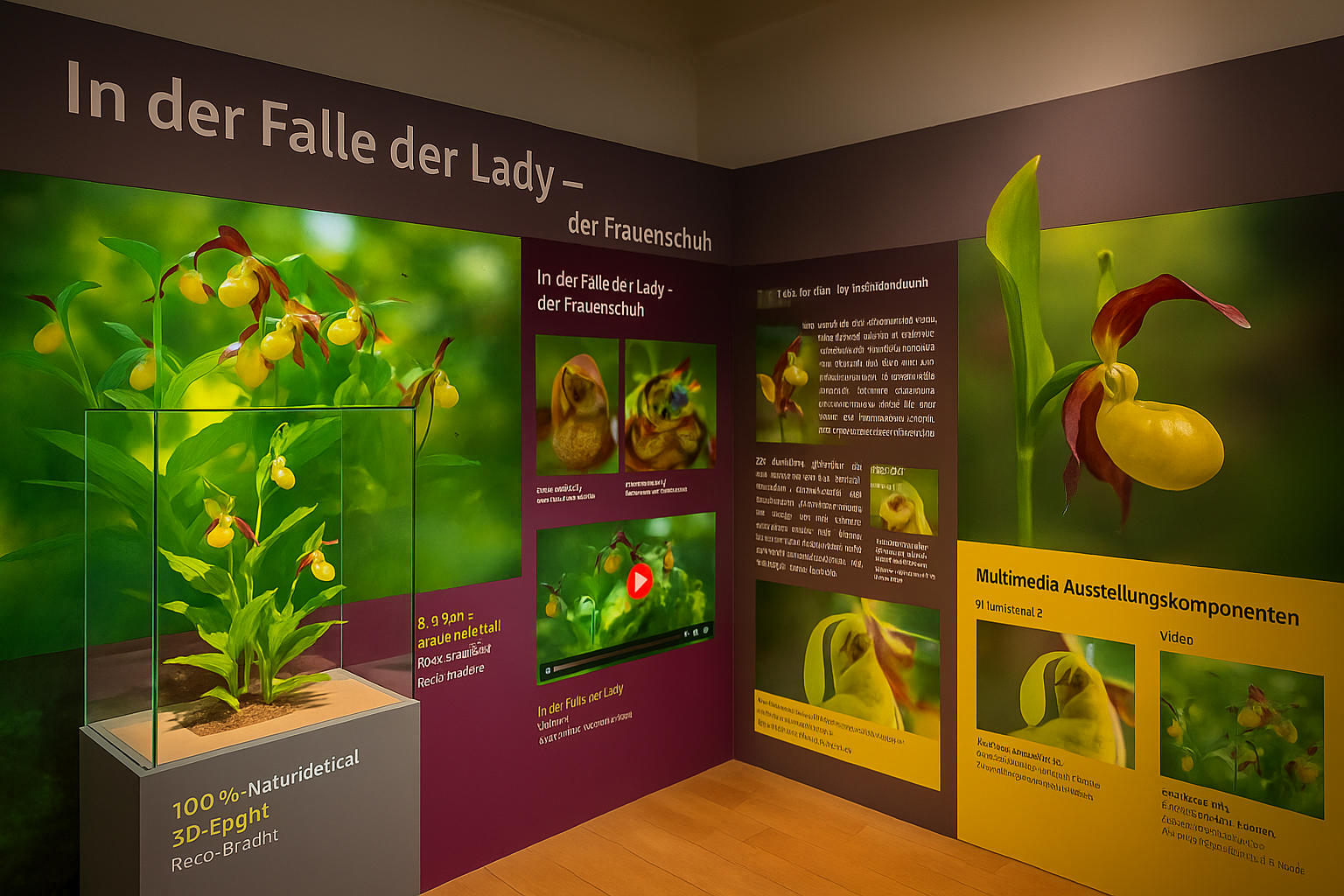
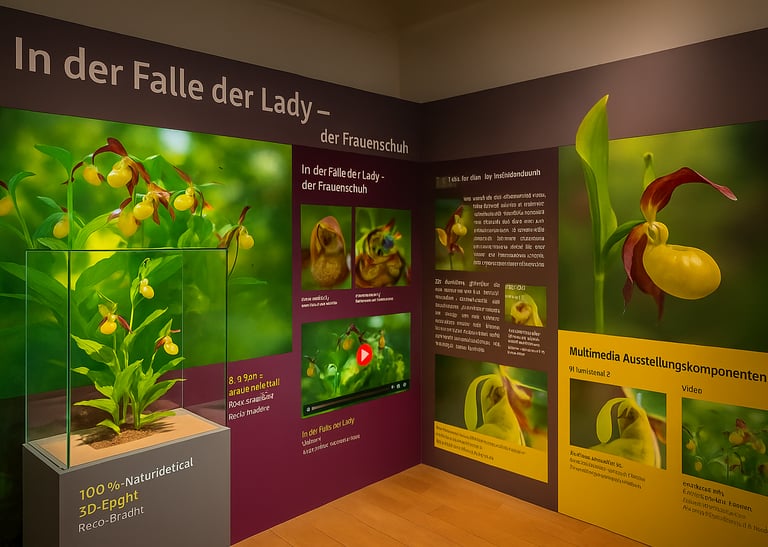
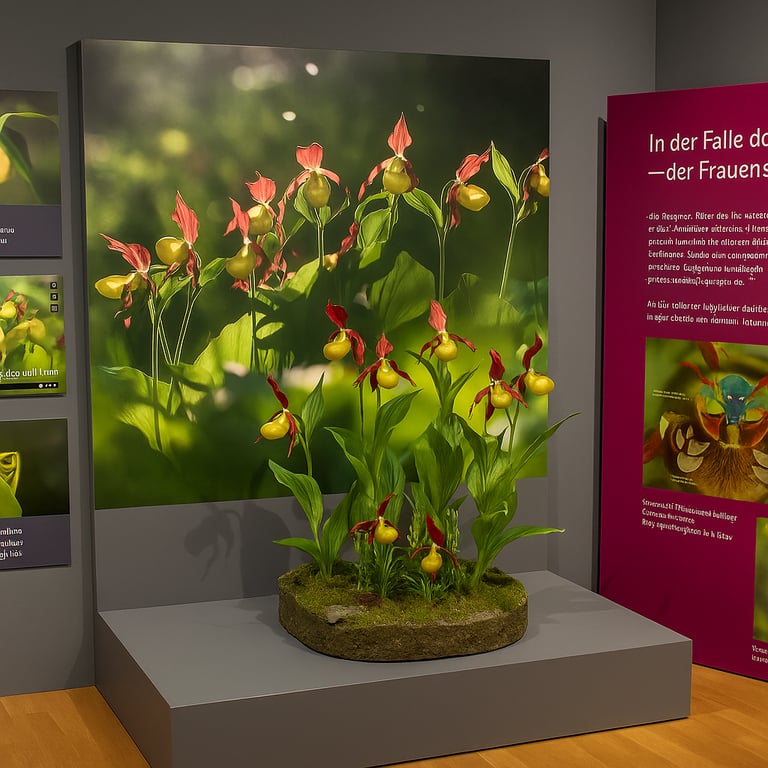
Elements and media:
// Orchids in their natural habitat (botanical model)
// Animation – Video clip
// Comprehensive imagery and graphics
// Popular science texts
// Display panels and design elements
// Accompanying brochure (The Making-of)
Facts and stories:
// Why does this orchid wear a shoe?
// Why is this orchid such a poor host?
// Why is beauty all that matters here?
Ausstellungstext (Auszug)
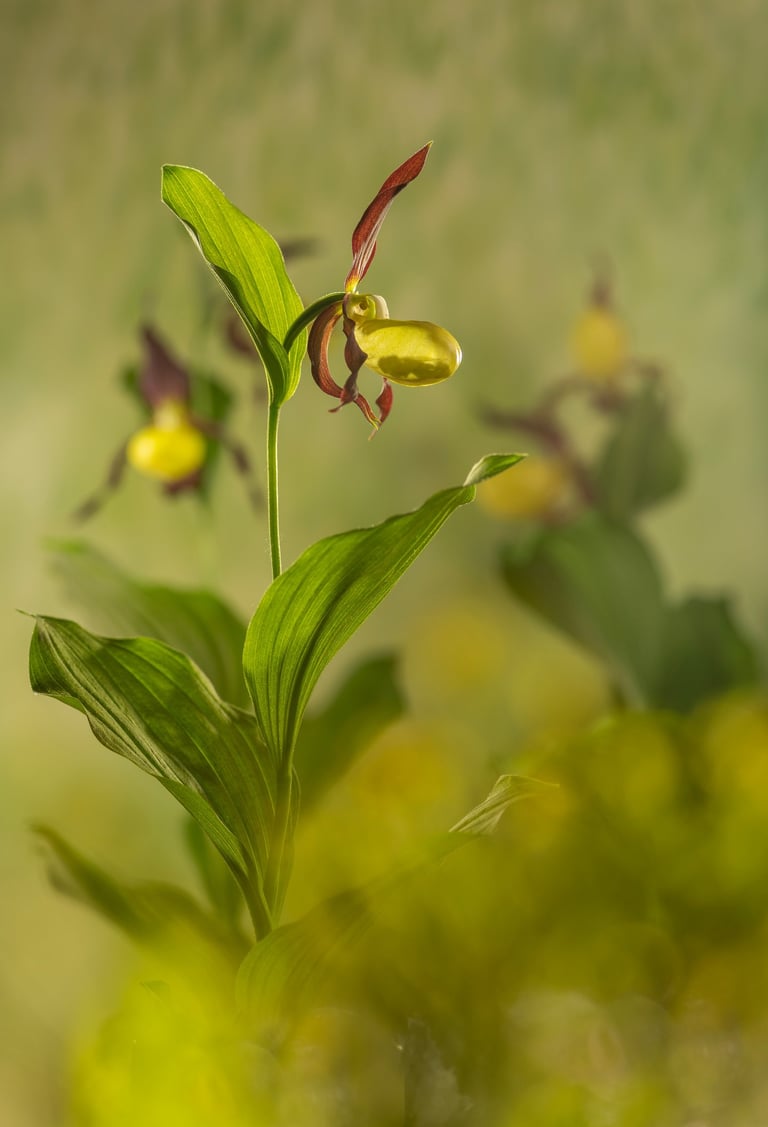
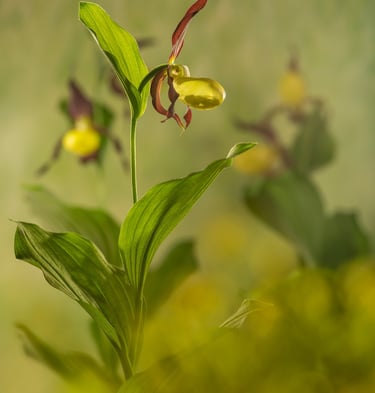
Trapped by the Lady – the Lady`s Slipper
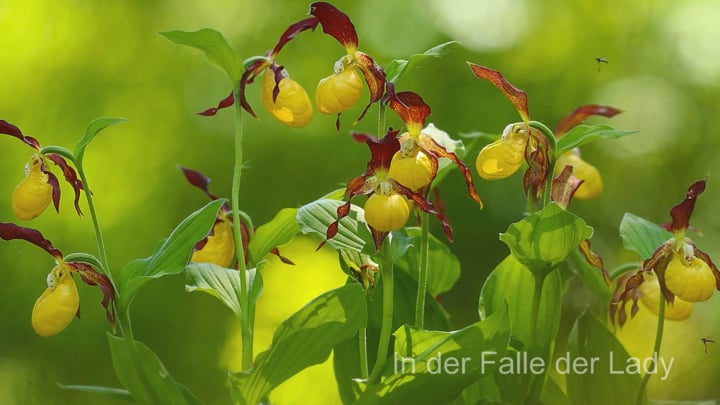
The elegant blossom of the Lady’s Slipper (Cypripedium calceolus) is a complex reproductive organ. As with all orchids, the female stigma and the two reduced stamens (pollinia) are fused into a structure called the column, which here remains hidden behind a reddish-brown spotted staminode. The labellum is folded inward and inflated into the distinctive yellow 'shoe.' Its exterior is oily and smooth, featuring only a narrow, pitfall-like opening at the top. The interior is flecked with red and covered in dense, long hairs that point backward and upward toward the column.
Attracted by the vibrant yellow of the shoe and the reddish-brown petals, hungry flying insects like mining bees and beetles approach the flower. The spotted staminode behind the shoe's opening appears to be a suitable landing strip—yet it is coated in a slippery film. Now, there is no escape: the insect plunges into the opening of the shoe, its greasy edges offering no foothold. Once inside, the captive perceives a pale light deep in the rear of the trap. [...]
Lady´s slipper (Cypripedium calceolus) with pollinator, copyright© S. Brandt & W. Hock
Botanical model
Lady`s Slipper (Cypripedium calceolus)
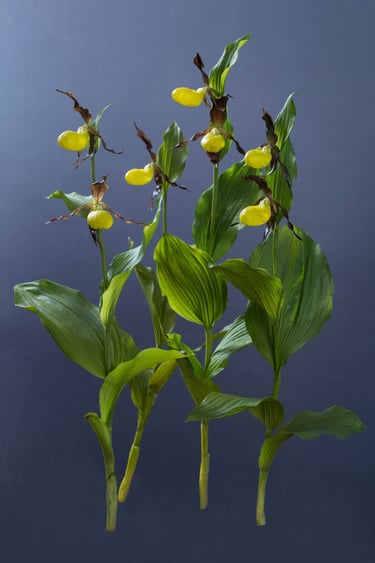
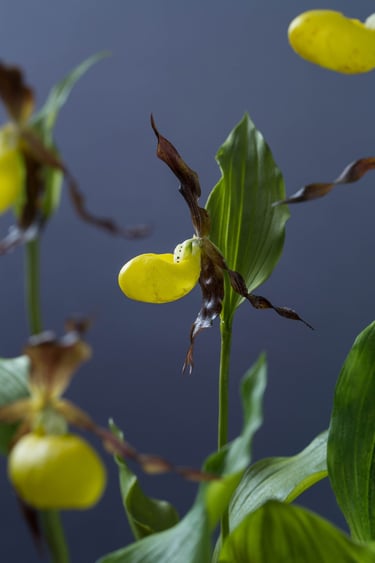
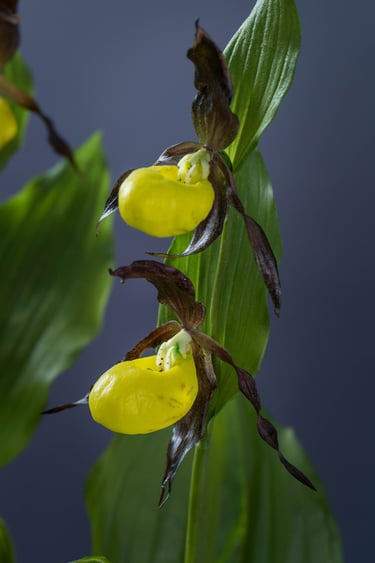
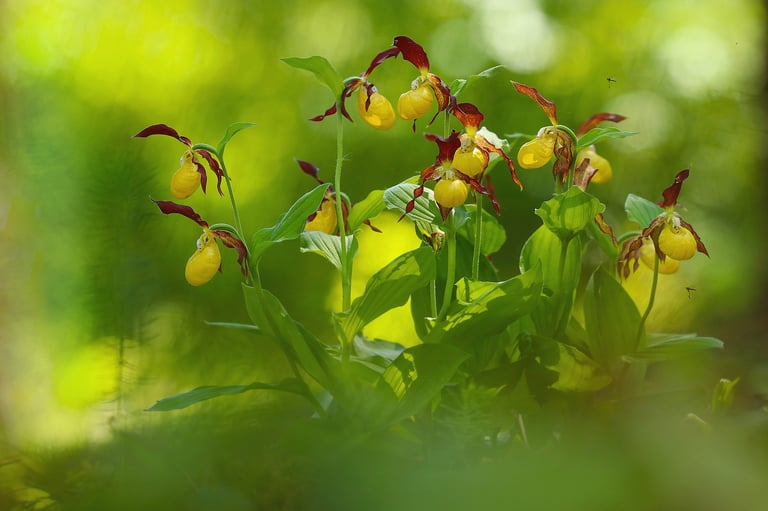
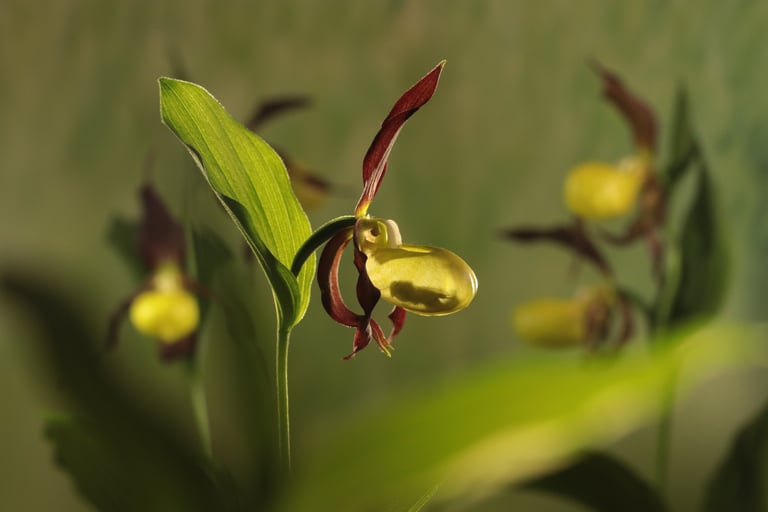
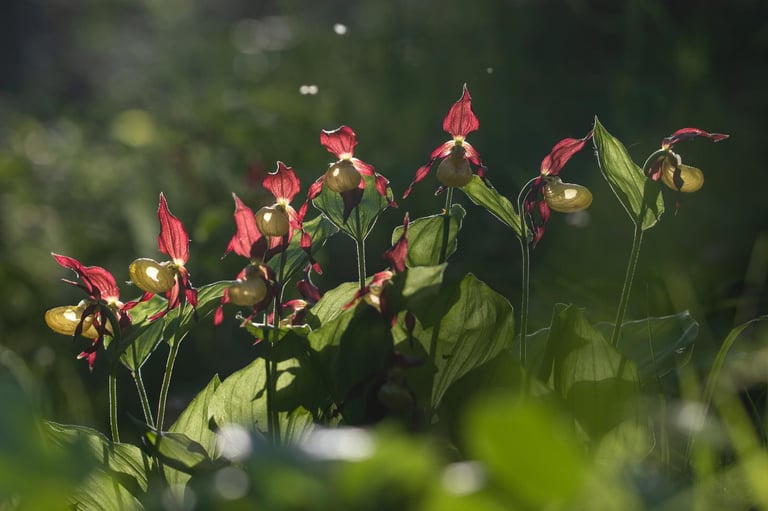
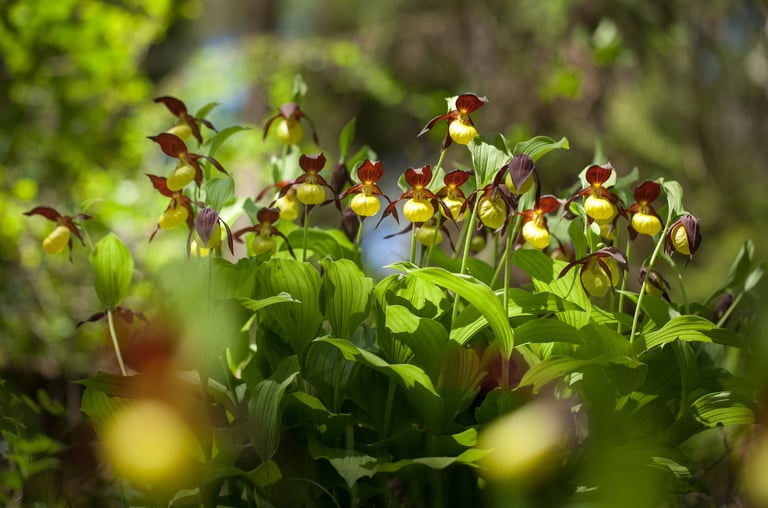
Image material
professional nature photography including licensing rights
copyright© S. Brandt & W. Hock
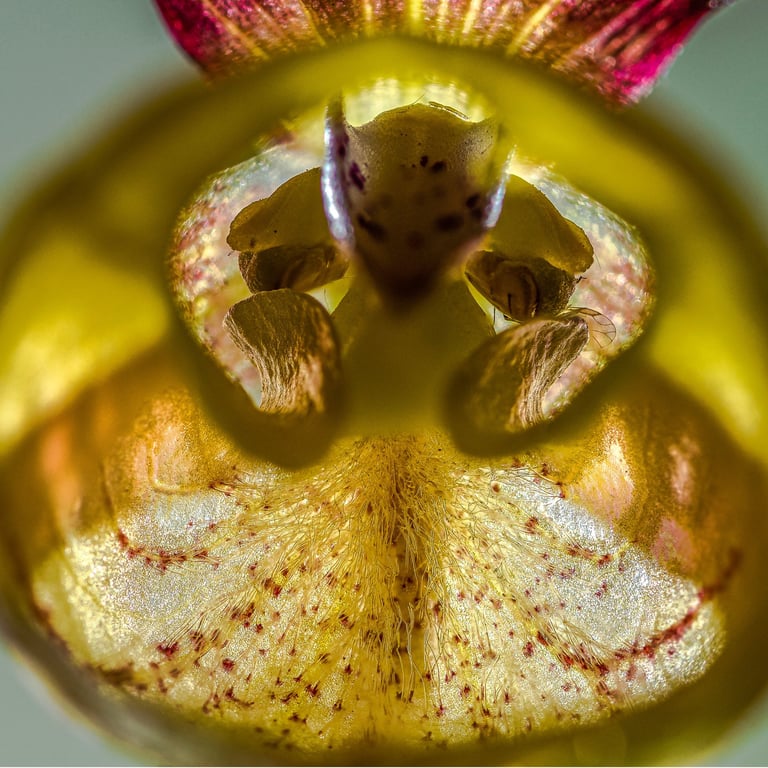
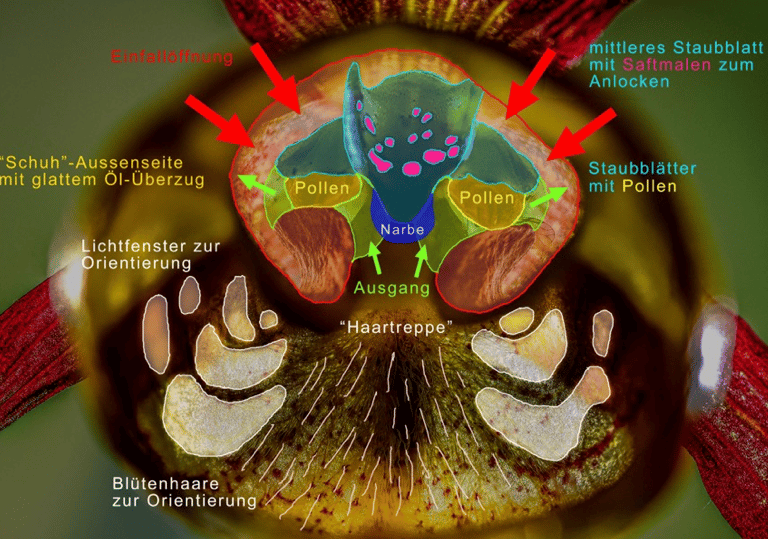
Lady’s Slipper blossom – interior view
Interior view of a Lady’s Slipper blossom with labels
copyright© S. Brandt & W. Hock
Video
"Trapped by the Lady"
Exhibition design (excerpt)
Clove scent and burnet moths
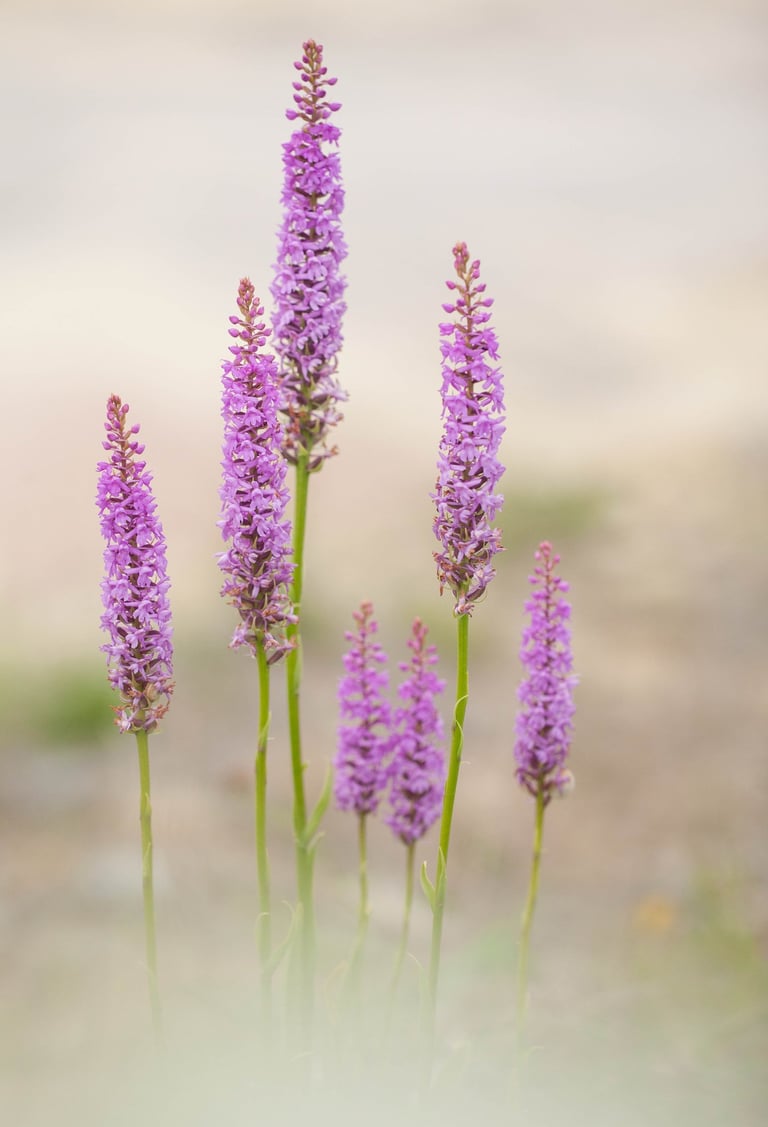
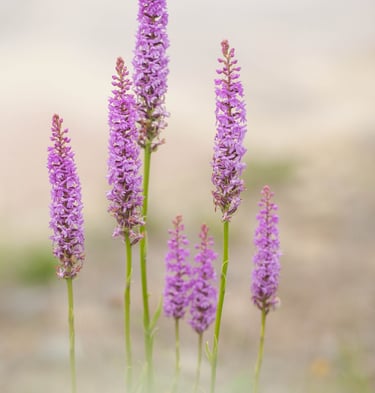
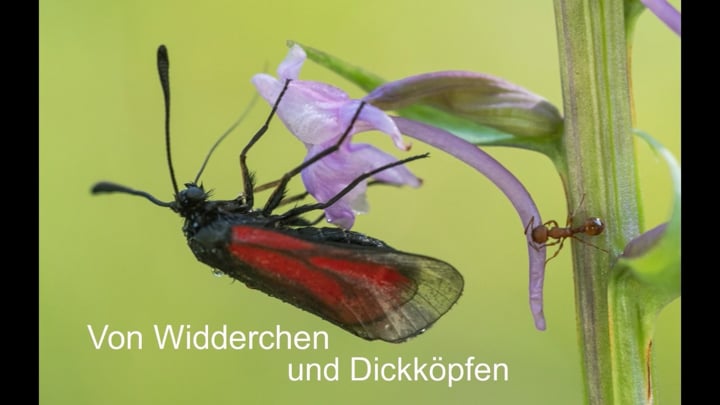
Anyone who has the opportunity to experience a large population of Fragrant Orchid species will particularly remember the wonderful scent of the plants. A beguiling mixture of clove and vanilla attracts a wealth of insects to the pinkish-purple inflorescences, often many species simultaneously. However, bees and beetles unfortunately leave empty-handed. Upon arriving at the landing strip of the three-lobed labellum, they find only a hole too narrow for them, leading into the nectar-filled spur. Lacking the appropriate mouthparts, the sweet sap remains unreachable for them. These flowers have specialized entirely on meadow butterflies. Skippers and Burnet moths, with their long proboscises, are able to reach the nectar in the narrow tube. In the process, the stalked pollen packets (pollinia) attach themselves directly to the insect's proboscis and are thus transported from flower to flower. While probing for the spur entrance, the male pollen cells reach the female stigmas of other Fragrant Orchid flowers and pollinate them. The ovaries swell, ripen, burst open, and scatter tens of thousands of microscopic seeds from just a single plant. [...]
Marsh fragrant orchid
3744 × 5616px, copyright© S. Brandt
Module "Of Burnets and Skippers"
Fragrant Orchids (Gymnadenia conopsea, Gymnadenia densiflora) and their pollinators
Botanical models
Fragrant Orchids (Gymnadenia sp.)
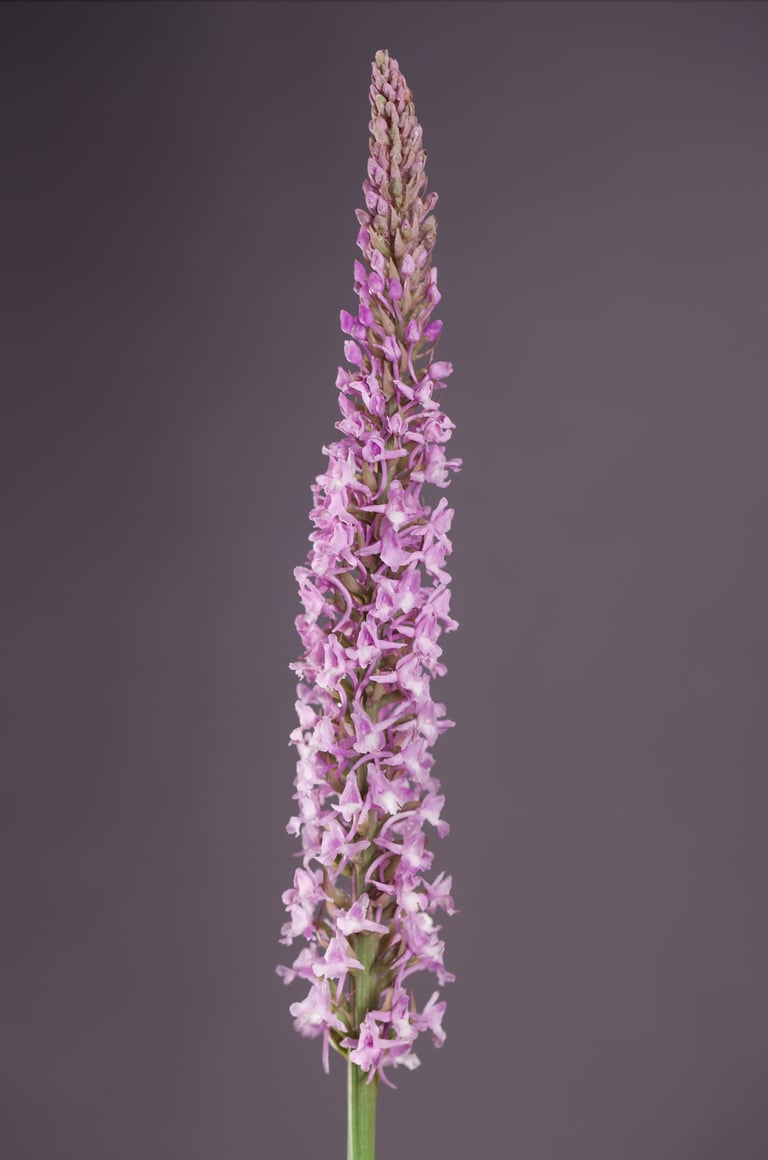
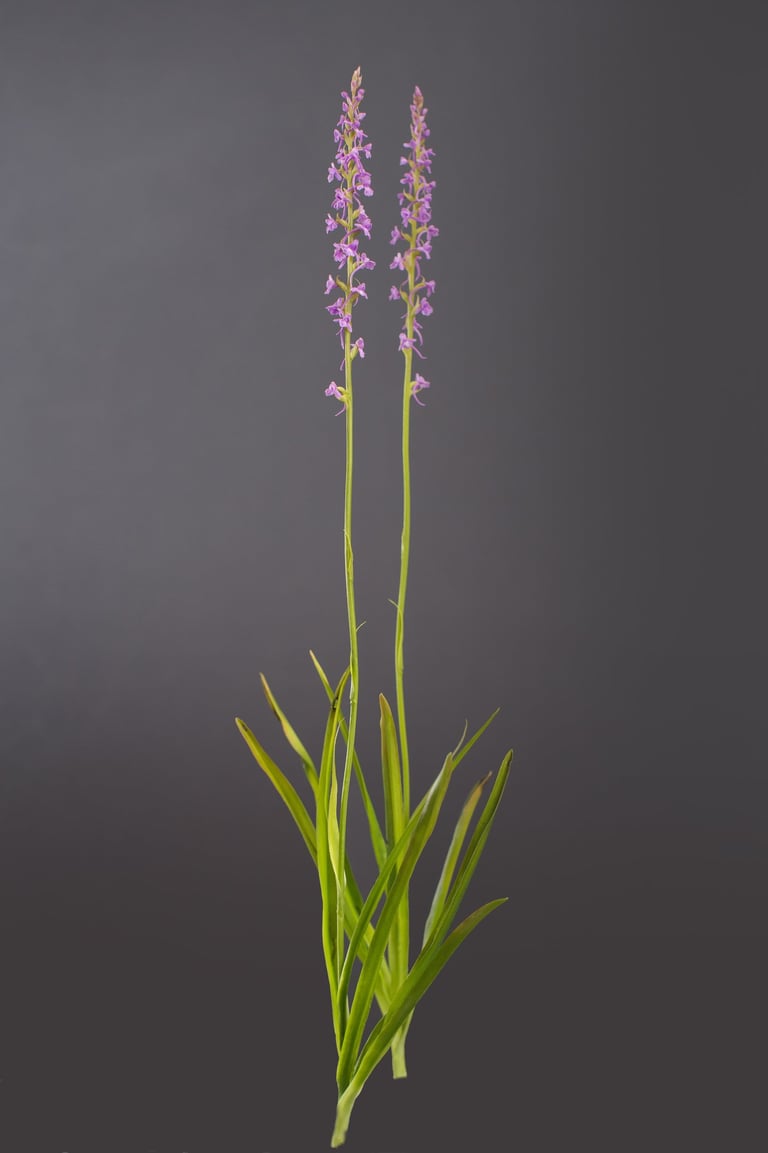
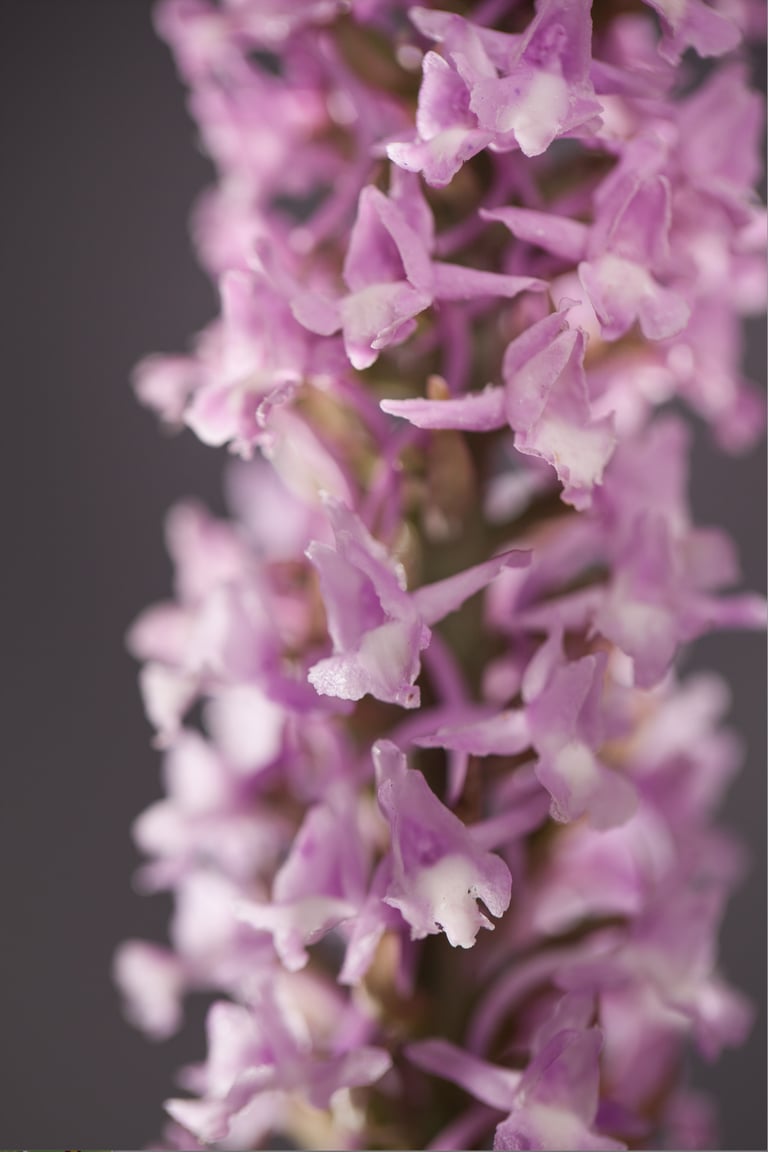
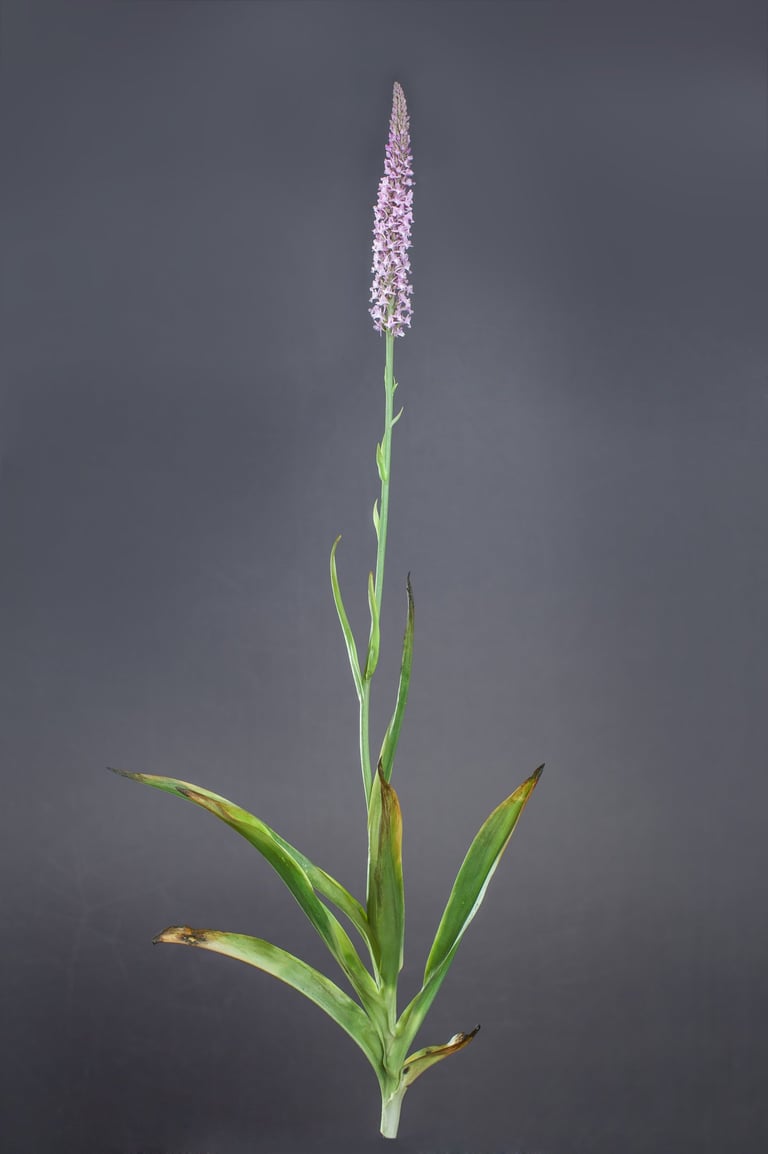
Marsh fragrant orchid (Gymnadenia densiflora)
Marsh Fragrant Orchid (Gymnadenia conopsea)
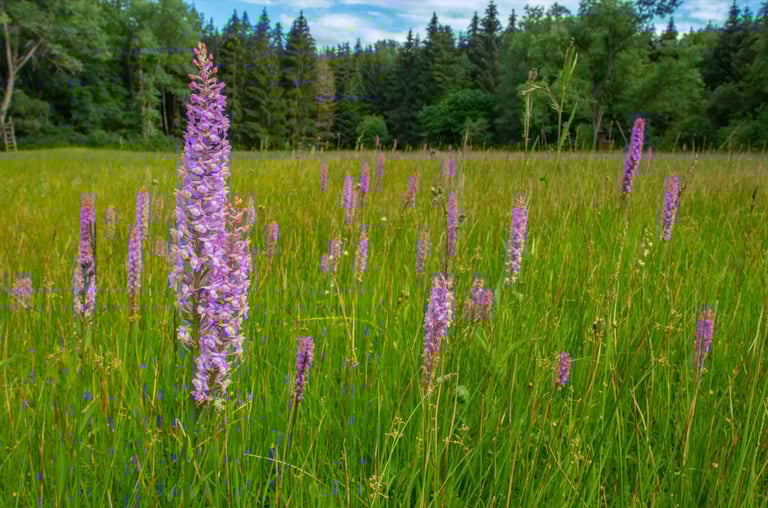
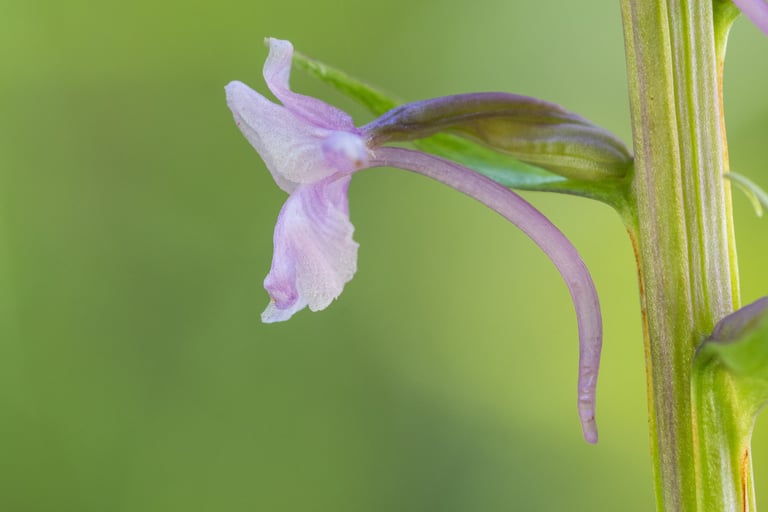
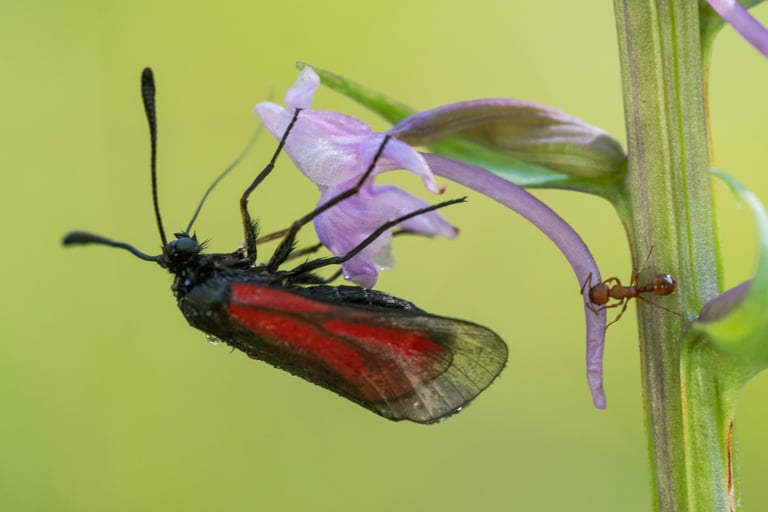
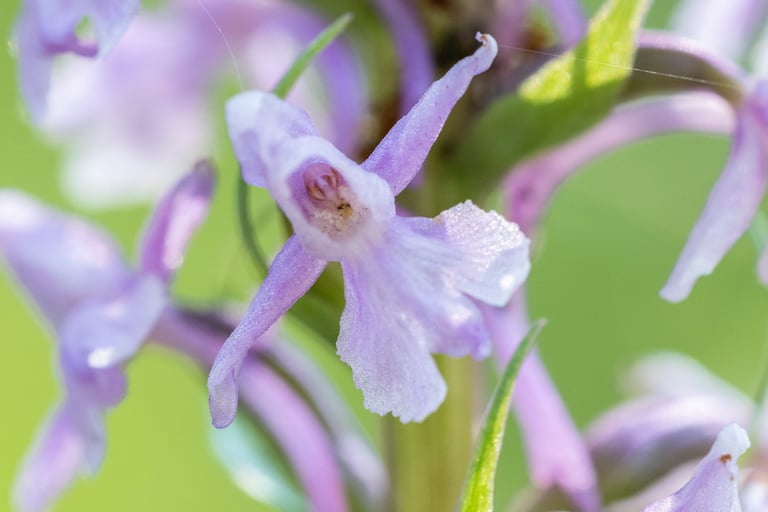
professional photography
Professional nature photography of Fragrant Orchids and Transparent Burnet moths (Zygaena purpuralis), including licensing rights.
copyright© S. Brandt & W. Hock
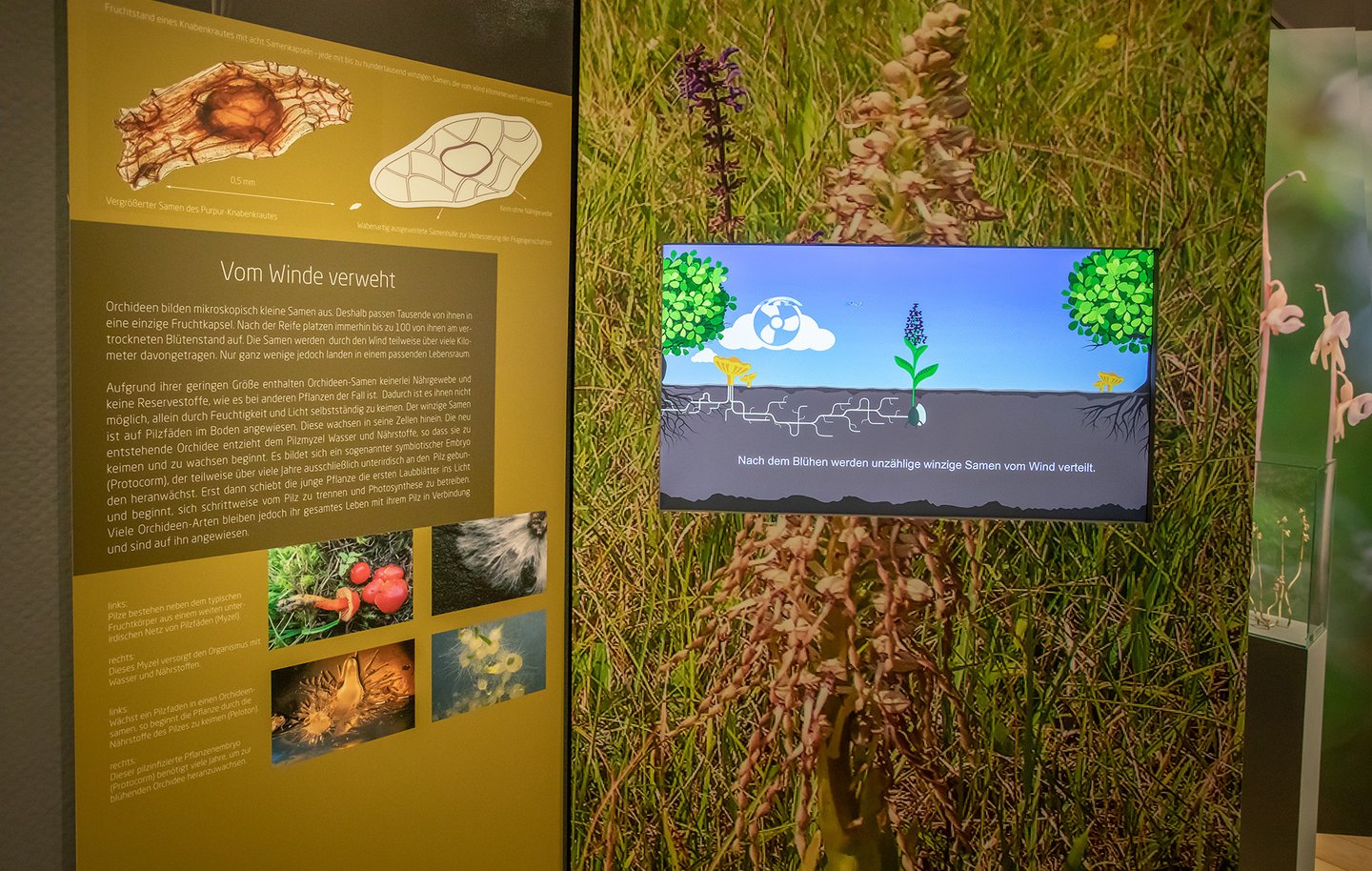
Module "Gone with the Wind"
Seed dispersal, germination and growth of orchids
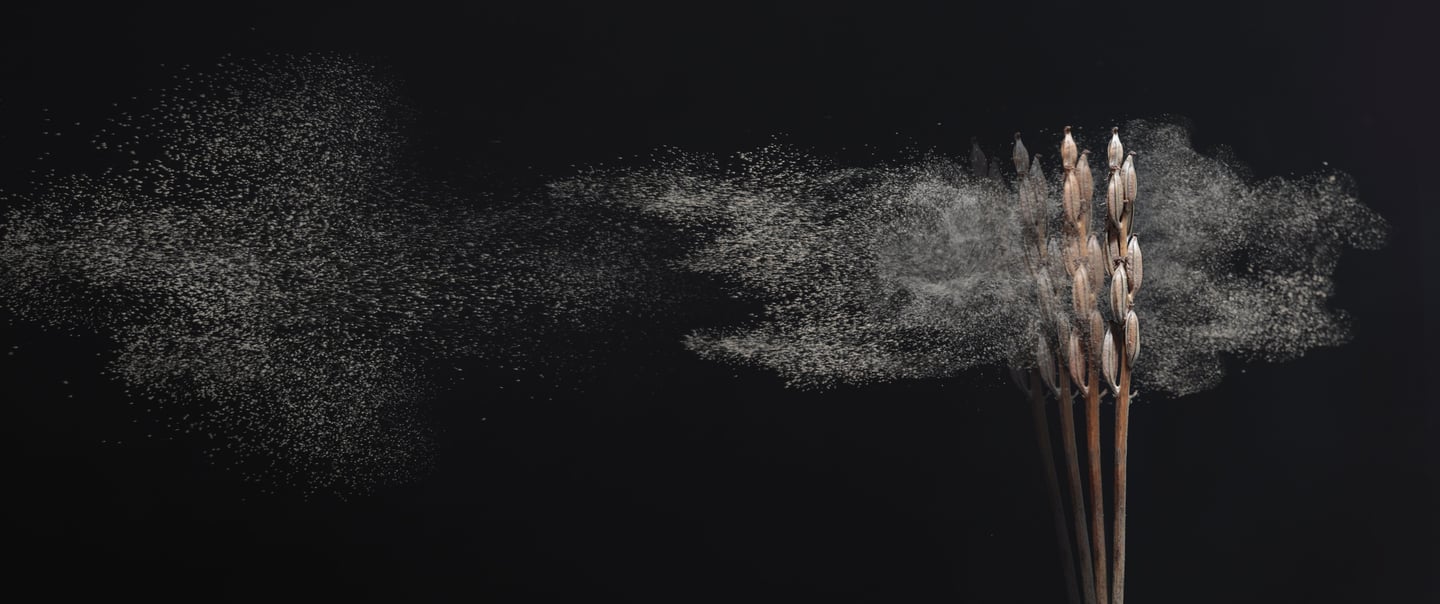
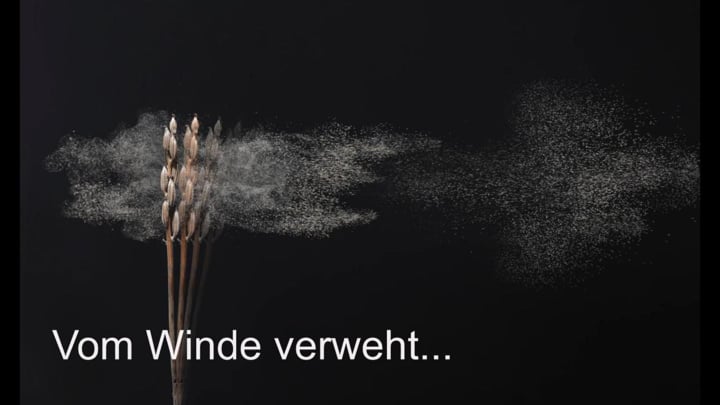
Orchid seeds distributed by the wind, copyright Reco-Brandt
Exhibition text (excerpt)
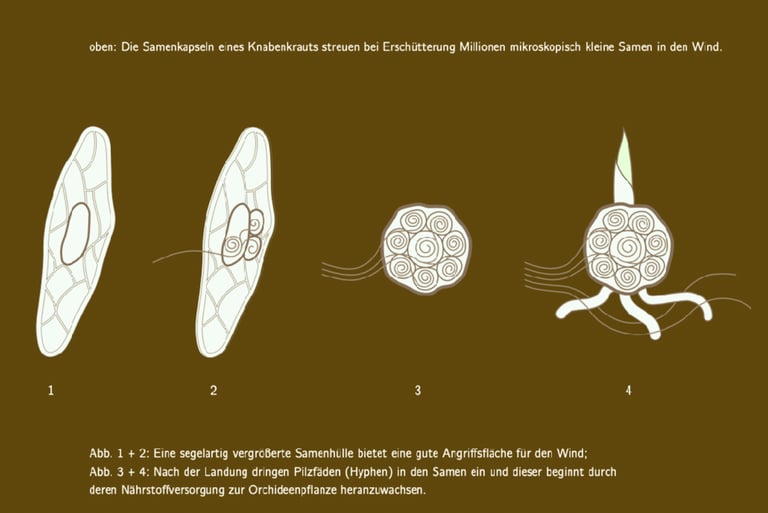
Orchids produce microscopic seeds. This is why thousands of them fit into a single seed capsule of an orchid, for example. After ripening, as many as 100 of these burst open on the withered inflorescence; moved by the wind, this works like a 'spice shaker of life' for millions of possible offspring. They are sometimes carried away over many kilometers by the wind – yet only very few blow into a suitable habitat. After landing in a fitting substrate with sufficient moisture and warmth, growth could theoretically begin. However, due to their small size, orchid seeds contain no nutrient tissue, as is the case with most other flowering plants. As a result, they are unable to germinate independently through moisture and light alone – as a bean can, for instance. Here again, their close relationship with fungi is revealed. The tiny seed waits in the soil to be found by fungal threads. These grow into its cells through stomata. [...]
Graphics
Graphics Orchid seed capsules
copyright© S. Brandt
Video
" Gone with the wind"
Exhibition text (excerpt)
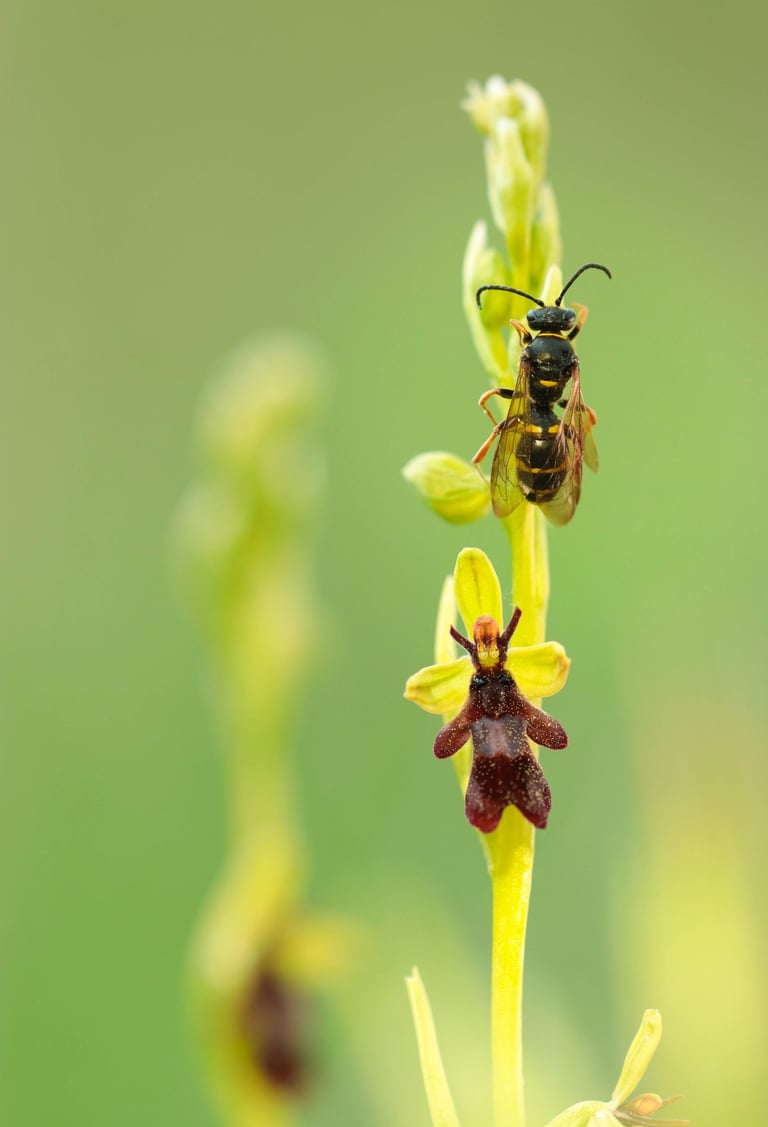
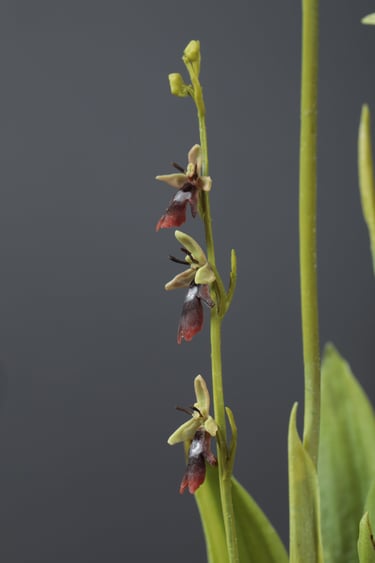
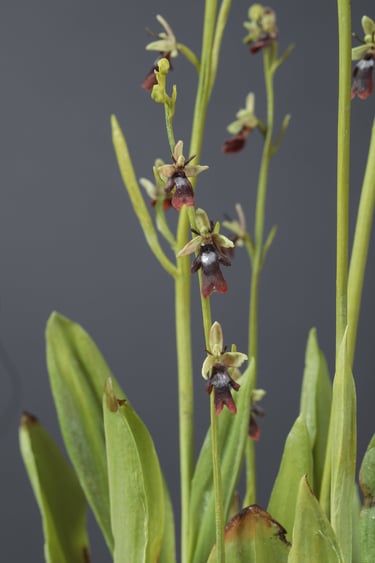
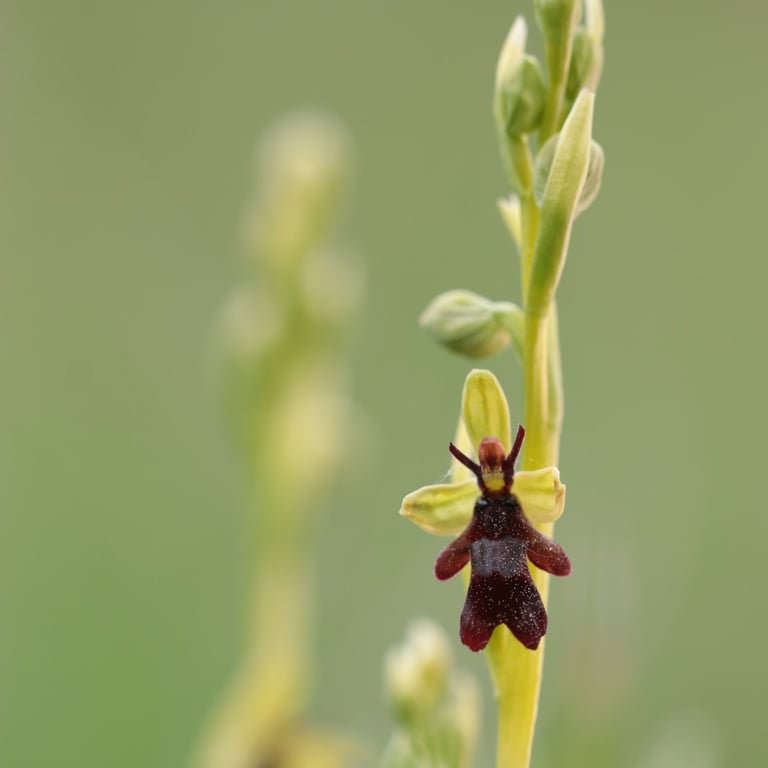
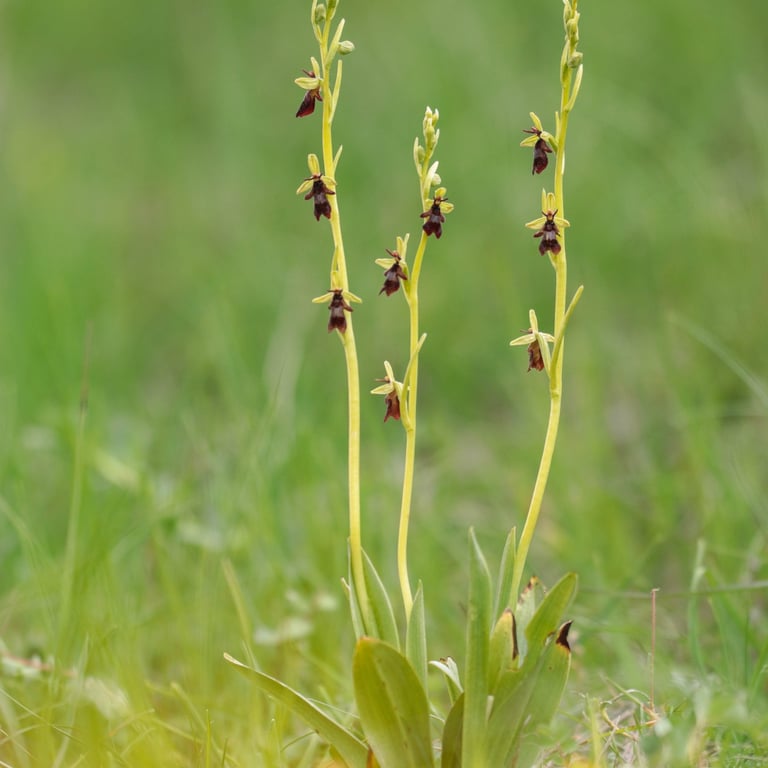
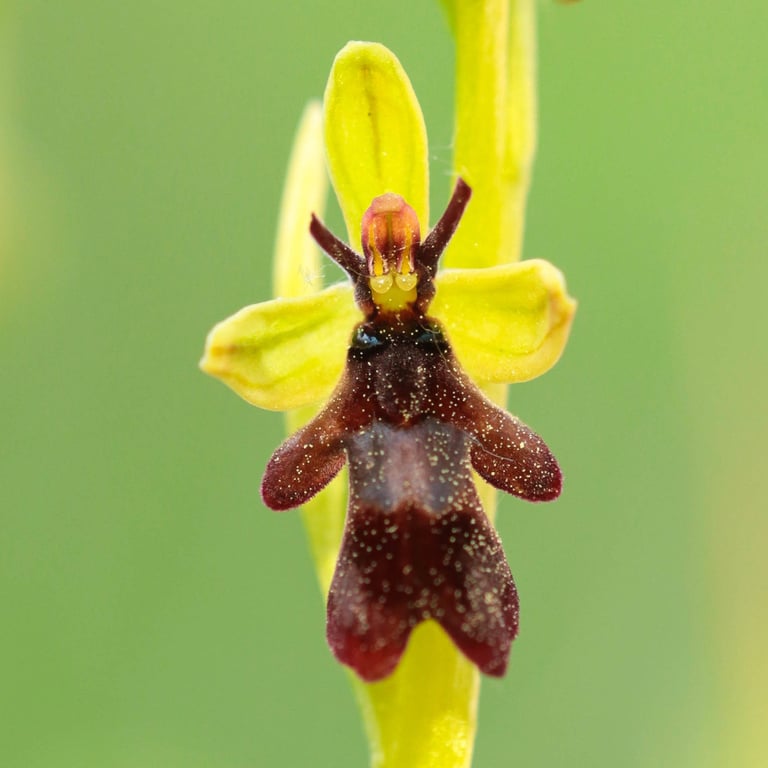
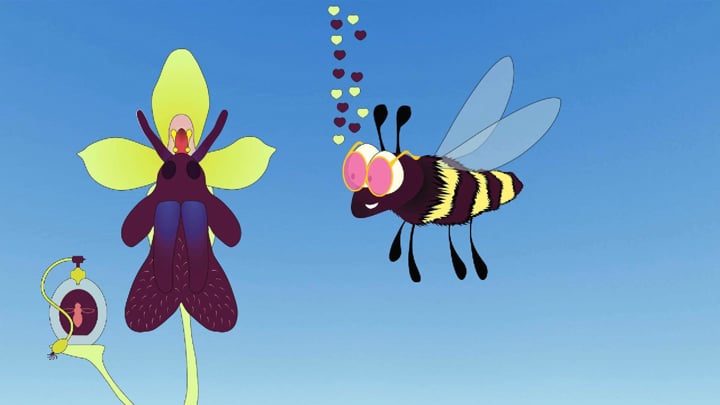
The orchid genus of the Bee Orchids (Ophrys) certainly belongs at the pinnacle of what evolution has produced in the plant kingdom. Their bizarre flowers produce neither nectar nor bright colors. They have taken on the shape of certain solitary mining bee and wasp females to attract their male partners and encourage them to mate. The dark flower lip is finely hairy like an insect and bears a metallic bluish shimmering mark as a wing mimic. To make the deception perfect, they emit a scent imperceptible to humans, which mimics the sex pheromone of the specific female insects (sexual deception flowers). During the supposed mating with a partner, the fooled male bees pollinate the orchid flowers. This relationship goes so far that some Ophrys species have bound themselves exclusively to a single bee or wasp species as a pollinator. Others, such as the actually Mediterranean Bee Orchid, go one step further. Their pollination partner does not occur in our latitudes at all – yet this species is spreading to many suitable sites in the course of global warming. Their flowers can pollinate themselves without any insect visit.[...]
Fly orchid (Ophrys insectifera) with pollinator, copyright © S. Brandt [1, 2]
Module "A Flirtation of the Third Kind"
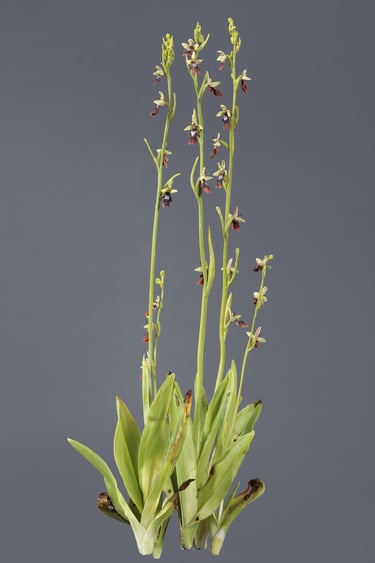
The sexual deception flowers of the Fly Orchid (Ophrys insectifera)
Botanical models
Ophrys insectifera (Ophrys insectifera)
Images
Professional nature photography, licensing rights included [1, 2]
copyright© S. Brandt
Video
"Flirtation of the Third Kind"
module catalogue for download