


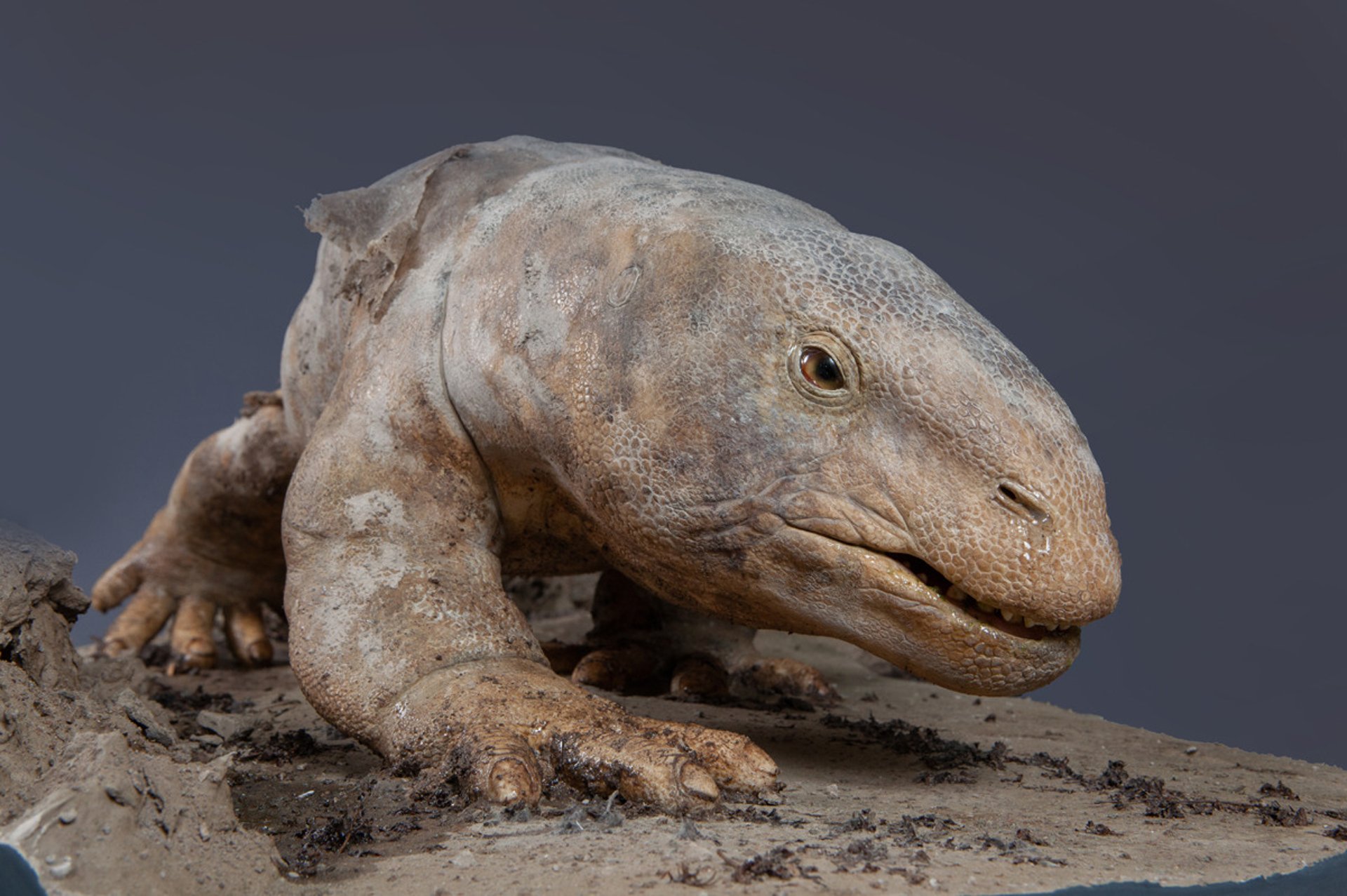
Paleontological model-making
A Journey Back in Time
The reconstruction of extinct organisms is scientific detective work of the highest caliber. By performing meticulous analyses of ancient fossils, complex biological, functional, and ecological information is extracted. These findings form the basis for an actualistic, functional-morphological revival of lost life forms – precisely embedded within their former habitats.
In this way, evolution becomes a tangible experience: a personal encounter spanning millions of years.
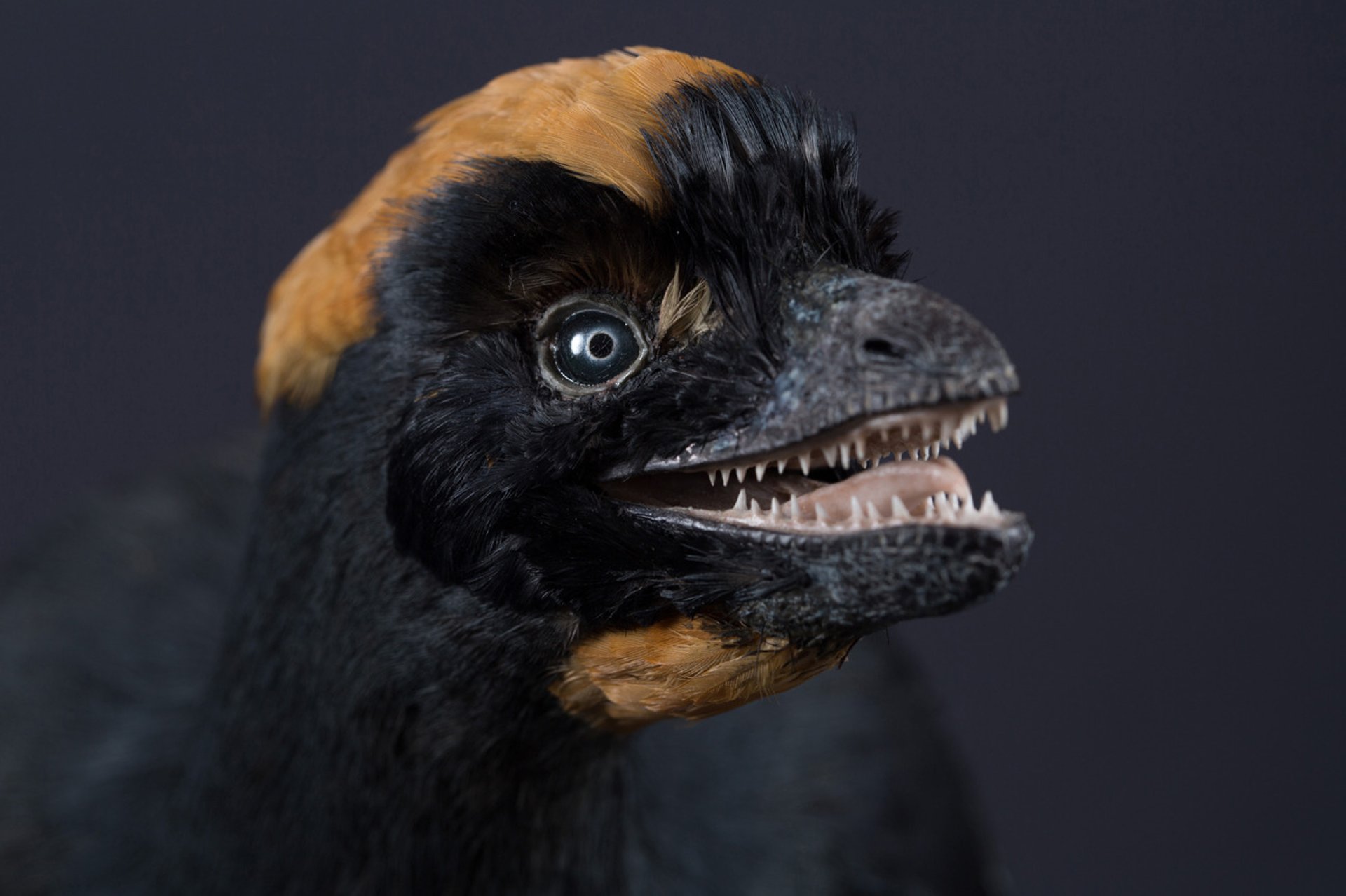
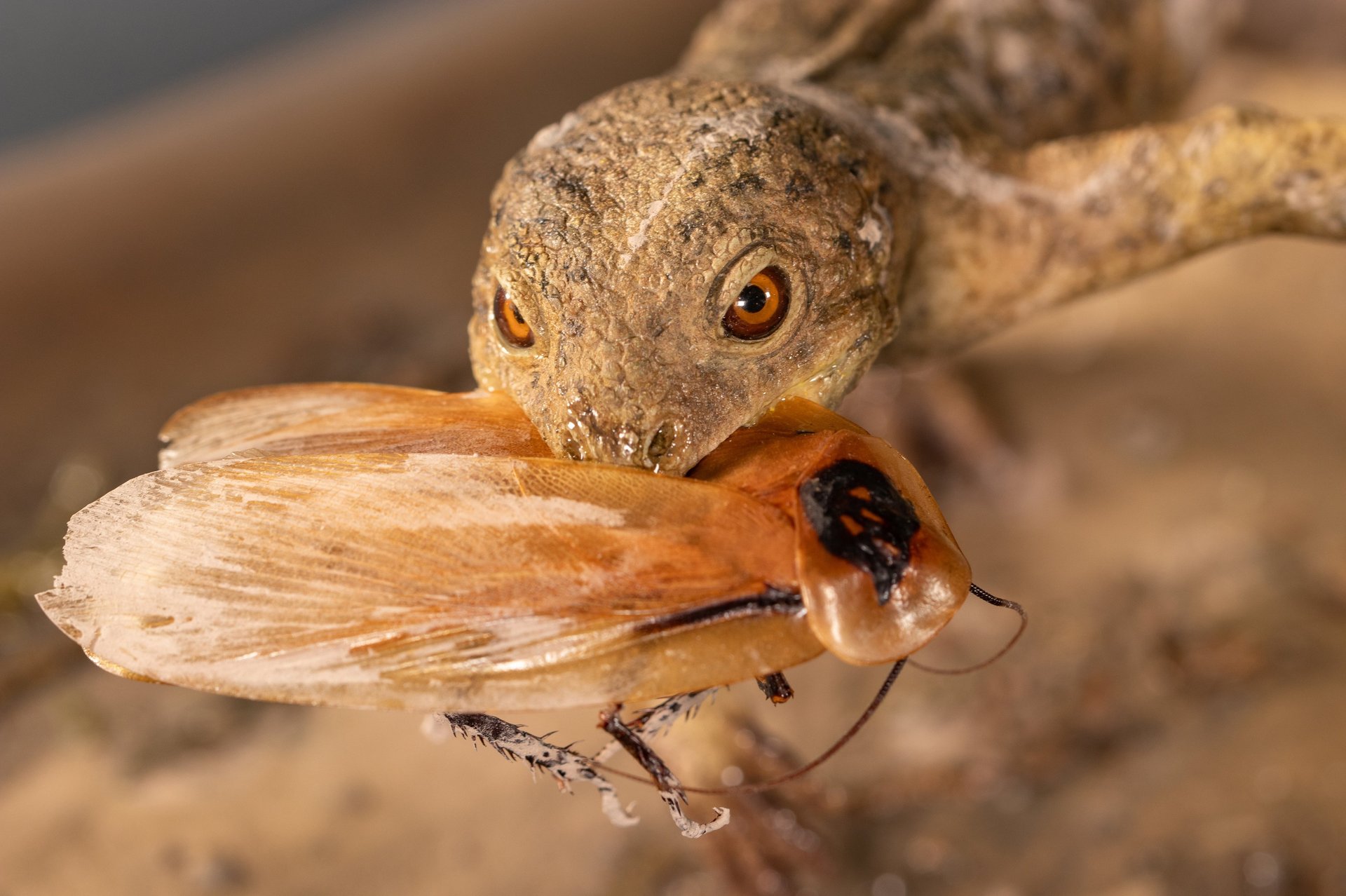
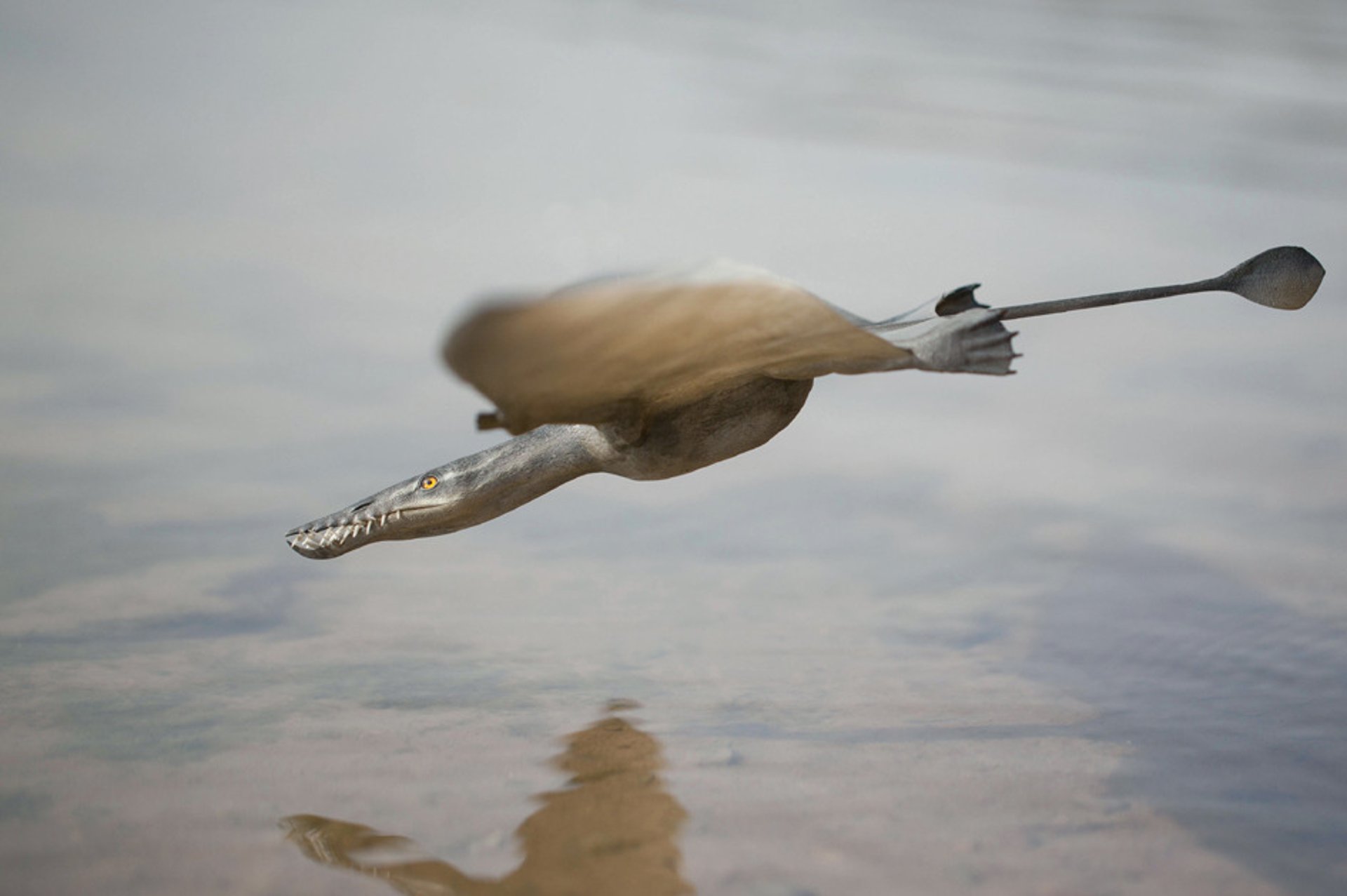
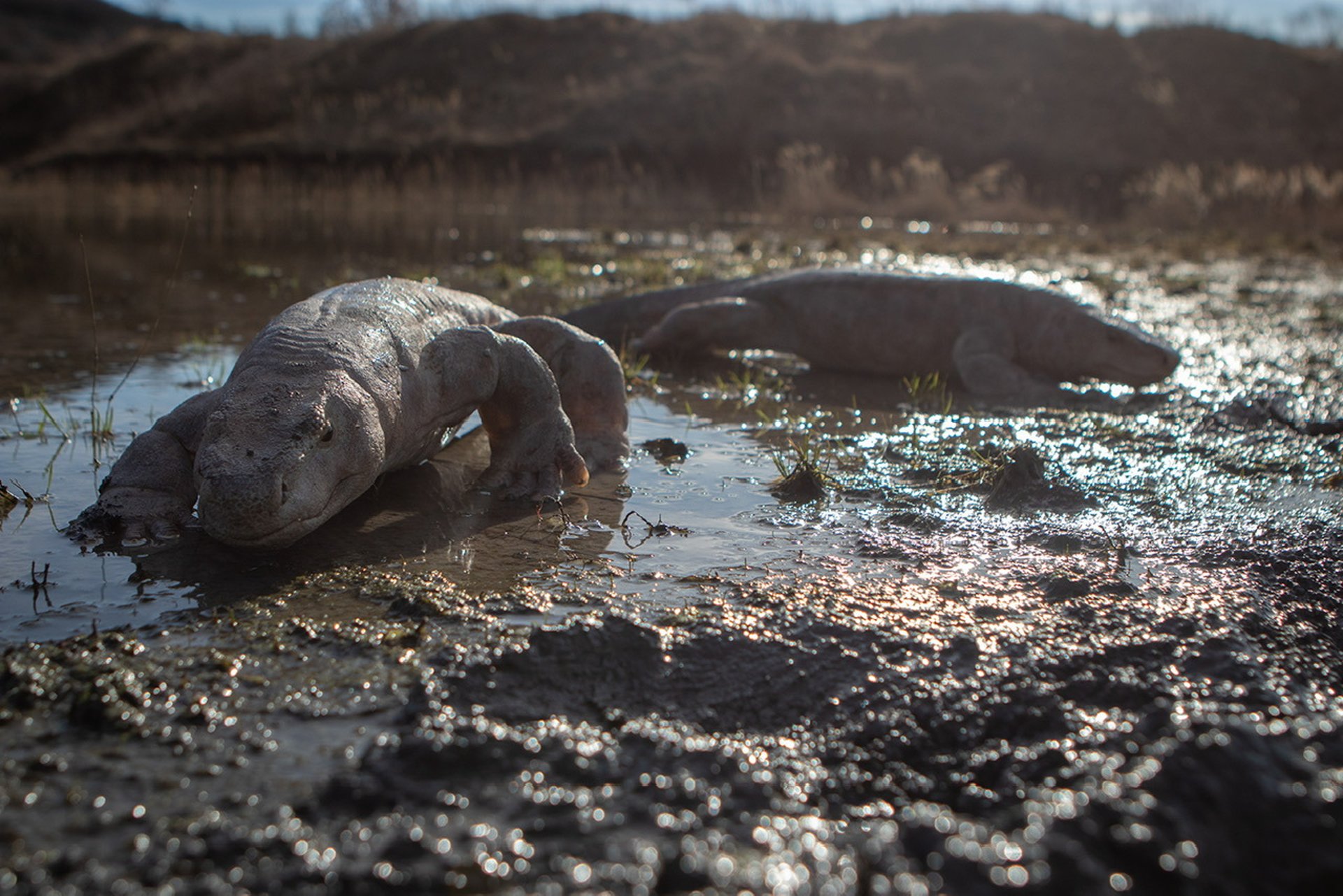
Reco-Brandt designs and realizes award-winning, lifelike paleontological models made of synthetic resin, meeting the highest standards of scientific accuracy and authentic, vibrant appeal. Each model is created on the foundation of sound interdisciplinary research and innovative craftsmanship.
The results are high-precision reconstructions of prehistoric organisms and habitats that go far beyond mere display objects: aesthetic key exhibits for a holistic experience of the history of life.
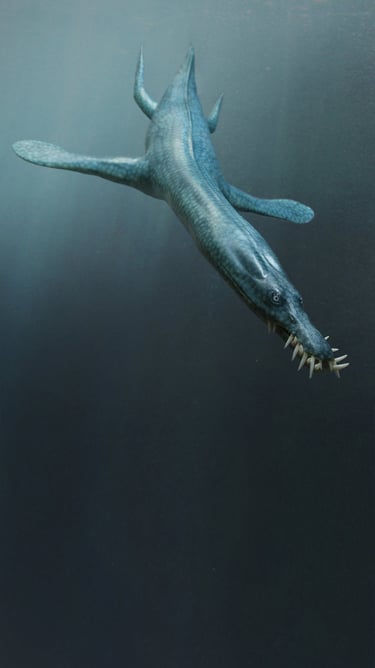
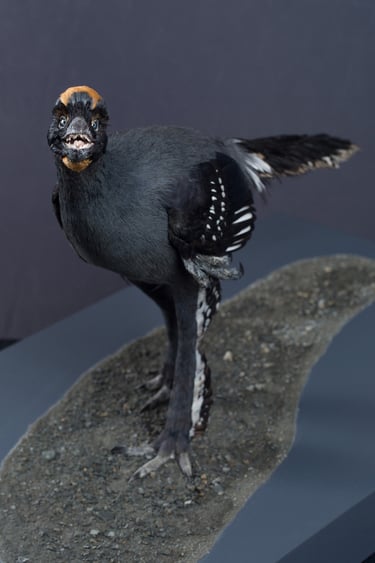
Download the species list, species catalogue, and module catalogue here
paleontologogical reconstructions:
Working Process: From Research to Reconstruction
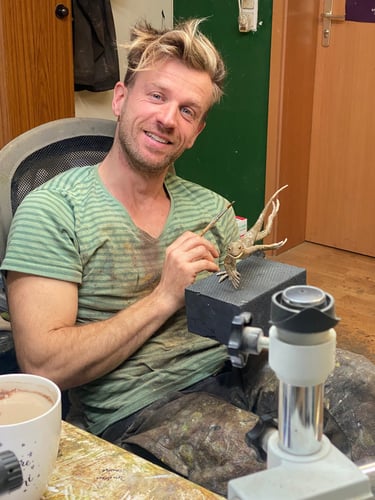
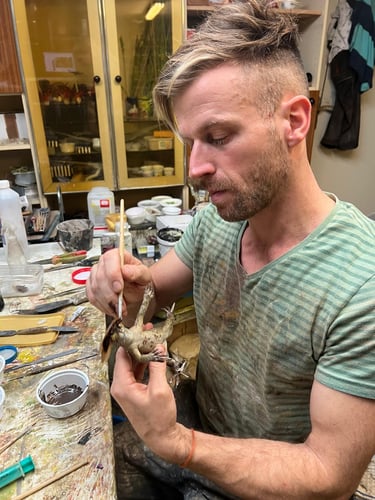
Every Reco-Brandt model is developed through a several-month-long interdisciplinary research and development process. The universal laws of nature remain the guiding principle throughout. The work begins with comprehensive scientific research, followed by functional-morphological, anatomical, and ecological investigations, which culminate in the manual sculpting of a prototype. Through various molding techniques, assembly, and a final finish, lifelike synthetic models emerge as unique three-dimensional reconstructions.
The foundation always remains the fossil material – often specimens of mineralized skeletal elements, trace fossils and their measurements – as well as complex ecological data from excavation reports. These are carefully analyzed, contextualized, and merged into a coherent anatomical and ecological whole. Reco-Brandt reconstructs the biological form of the animal as an individual embedded within its specific ecosystem – an evolutionary snapshot of a distant past.
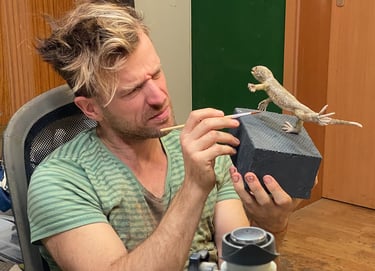
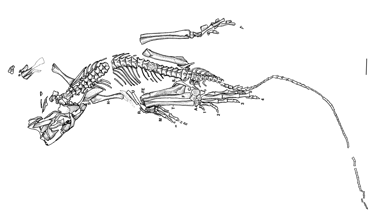
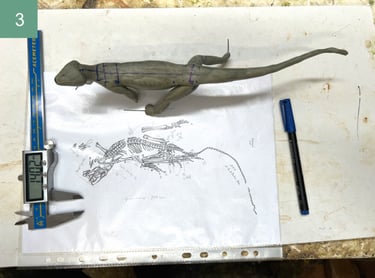
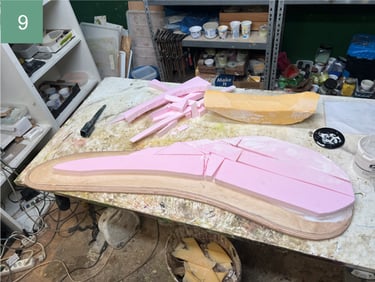
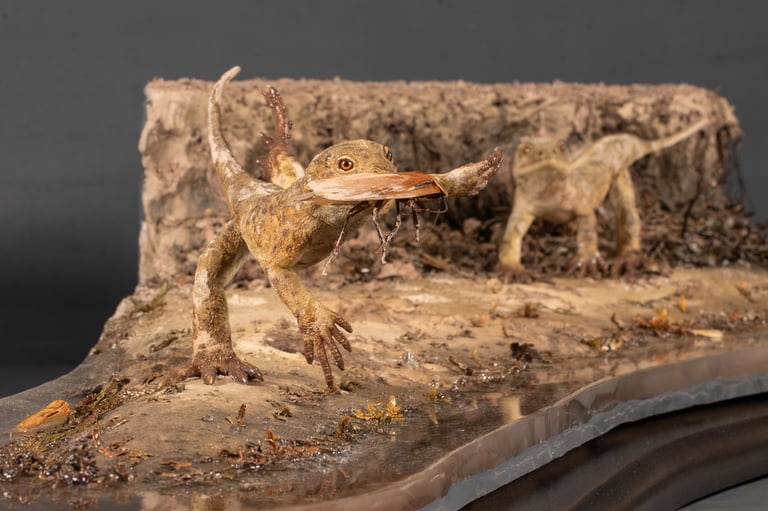
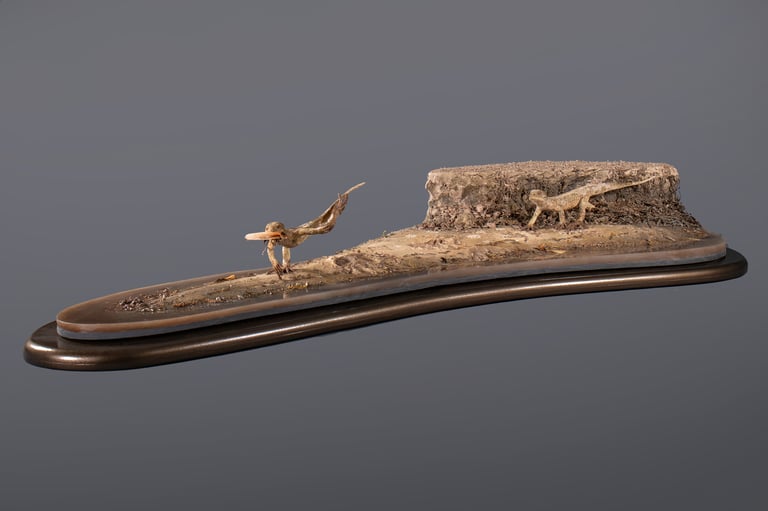
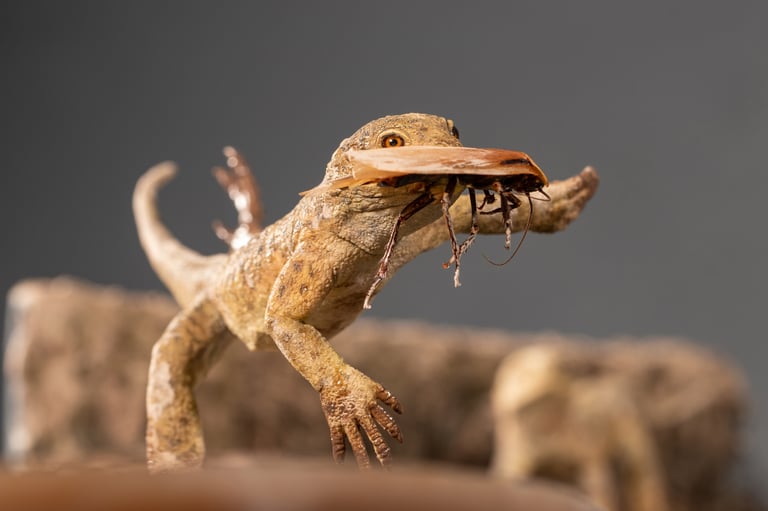
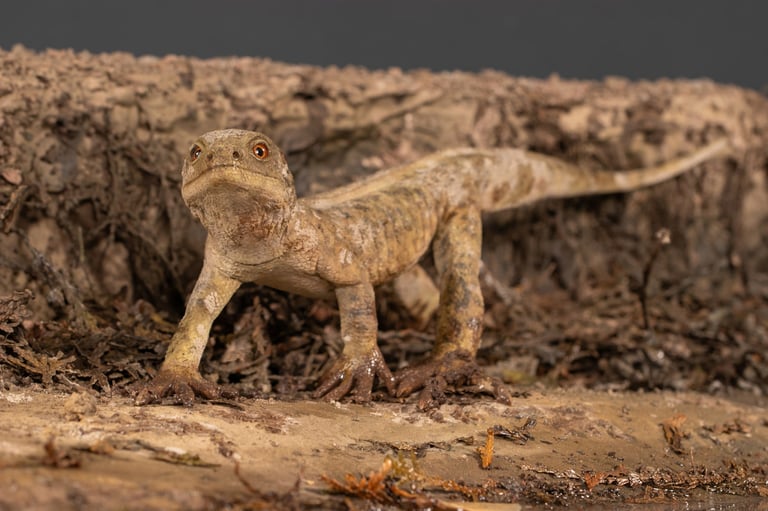
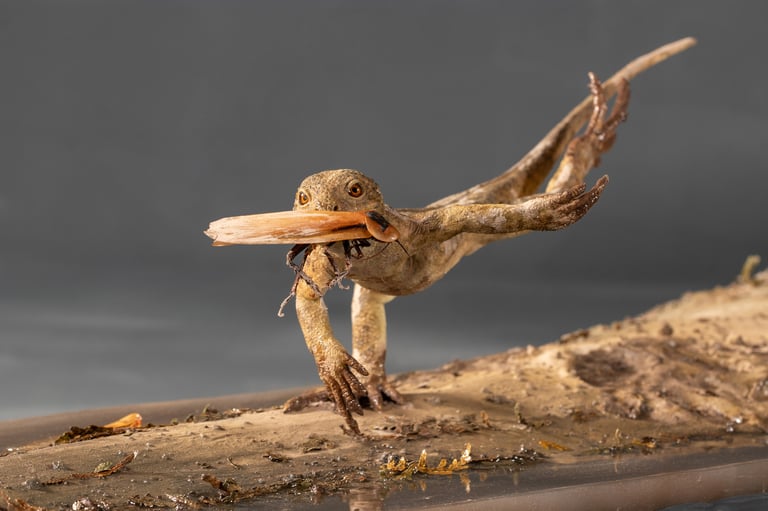
making of an Eudibamus-model, based on actual research
Functional-Morphological Reconstruction
Based on scientific analysis, Reco-Brandt develops functional-morphological reconstructions that answer central questions: How did the animal move? Which posture was biomechanically plausible? And how did it fit into its specific habitat?
Every detail – from musculature and body proportions to the representation of the habitat – is based on well-founded, transparent, and scientifically justifiable considerations.
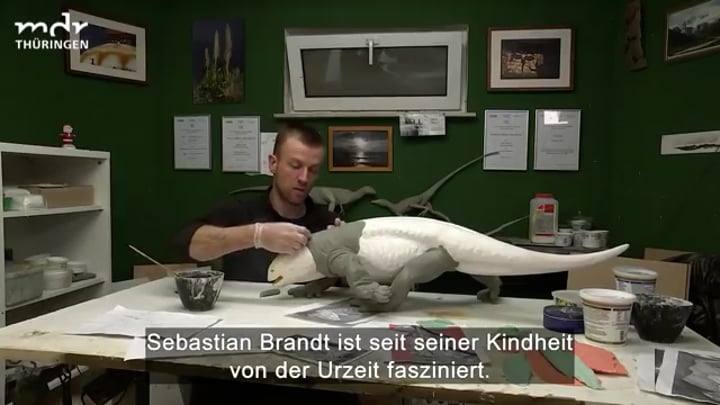
Time Commitment and Quality
The entire process – from initial research to the finished model – spans several months. Scientific publications are systematically evaluated, fossil remains analyzed, scientists consulted, and excavation projects actively supported. The results are not mere replicas of existing templates, but completely independently developed, fact-based reconstructions of the highest scientific and artistic quality.
This often invisible part of the work – months of scientific analysis and conceptual development – marks the fundamental difference between a mere reproduction and an authentic paleontological reconstruction.
Publications
A selection of paleontological publications and scientific papers featuring contributions from Sebastian Brandt across various research areas can be viewed here:
Life on land
Examples of available paleontological reconstruction models (Synthetic resin, scale 1:1)
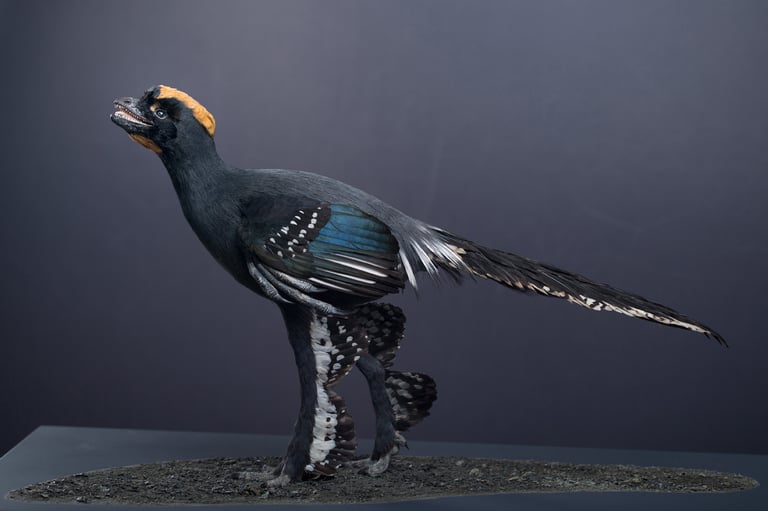
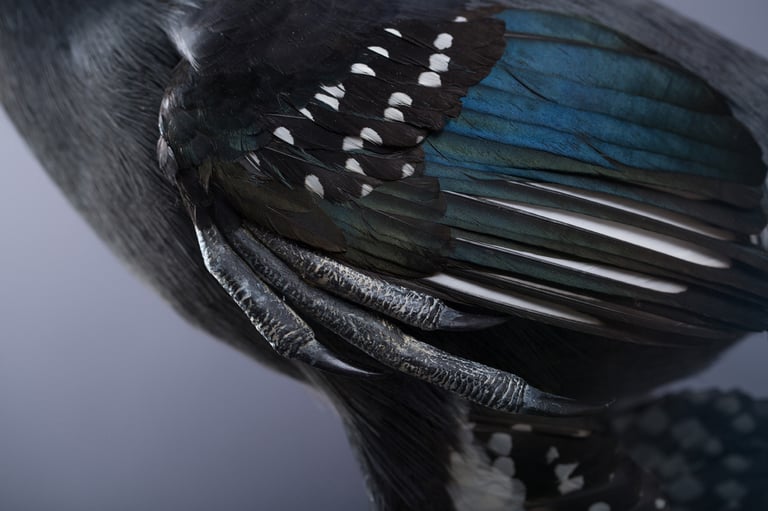
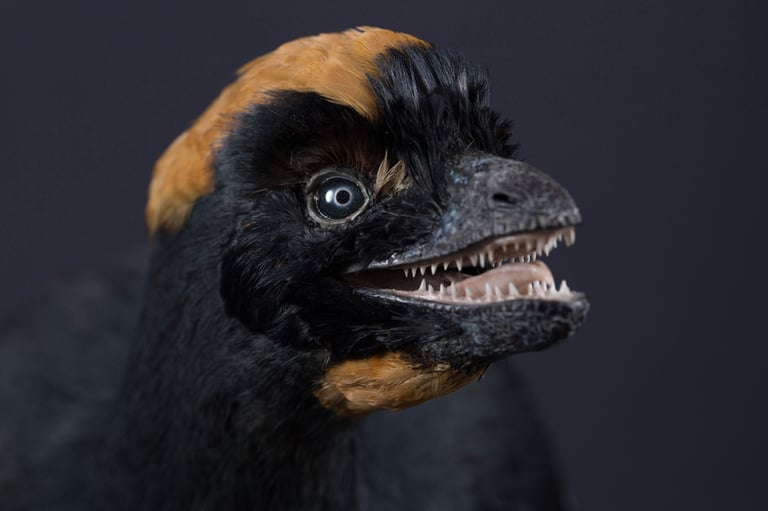
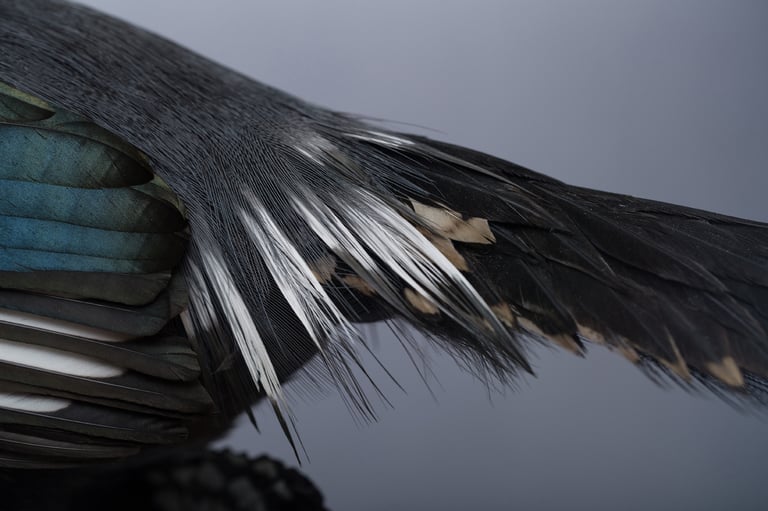
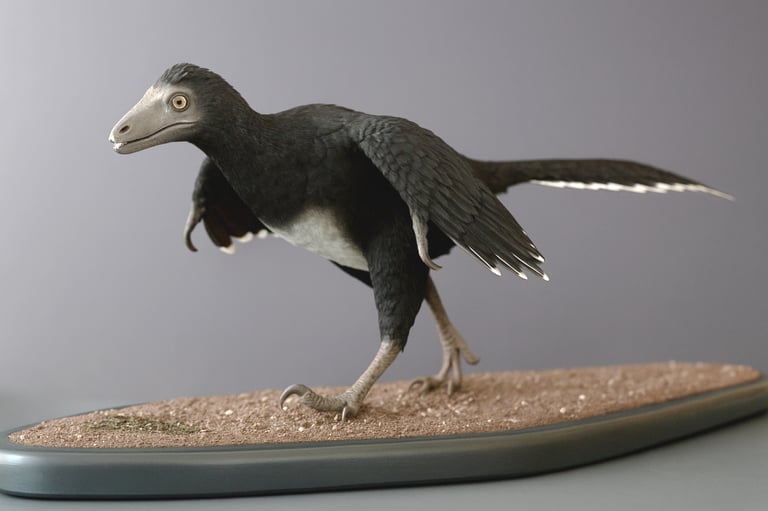
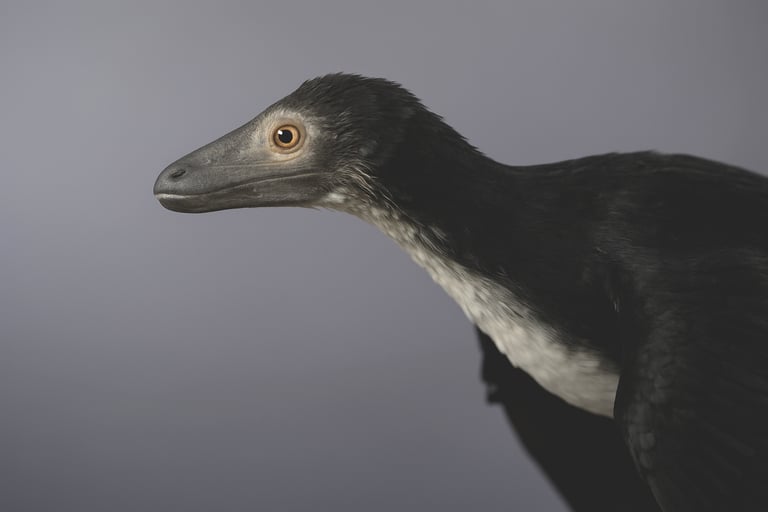
Feathered dinosaur model (Anchiornis huxleyi)
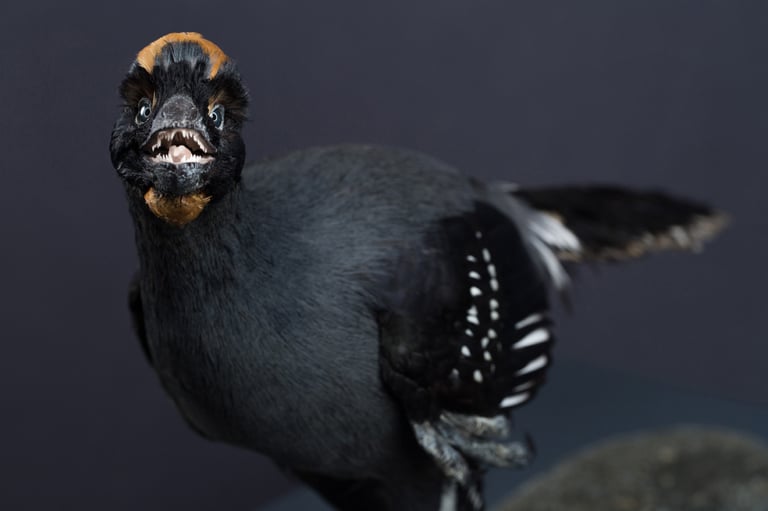
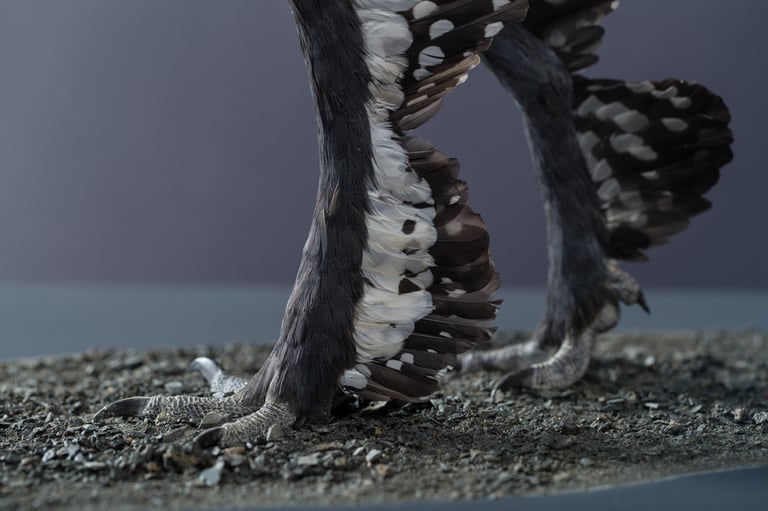
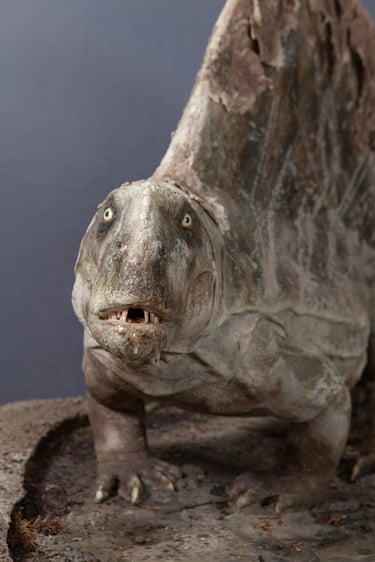
Permian pelycosaur model (Dimetrodon teutonis)
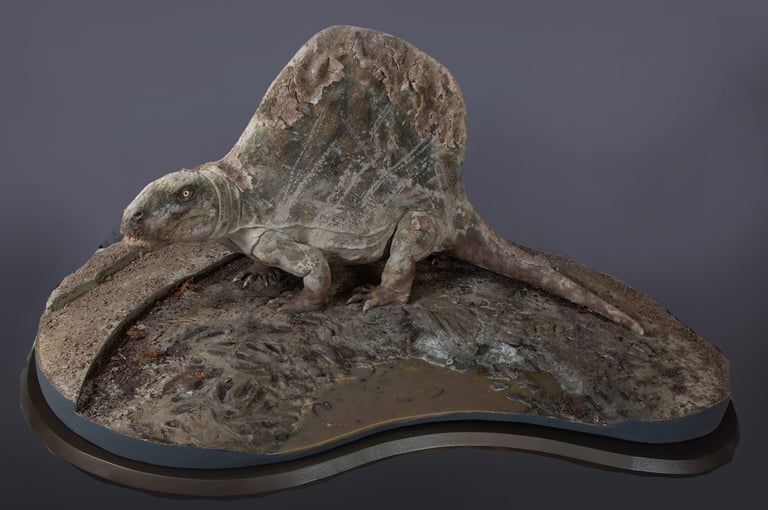
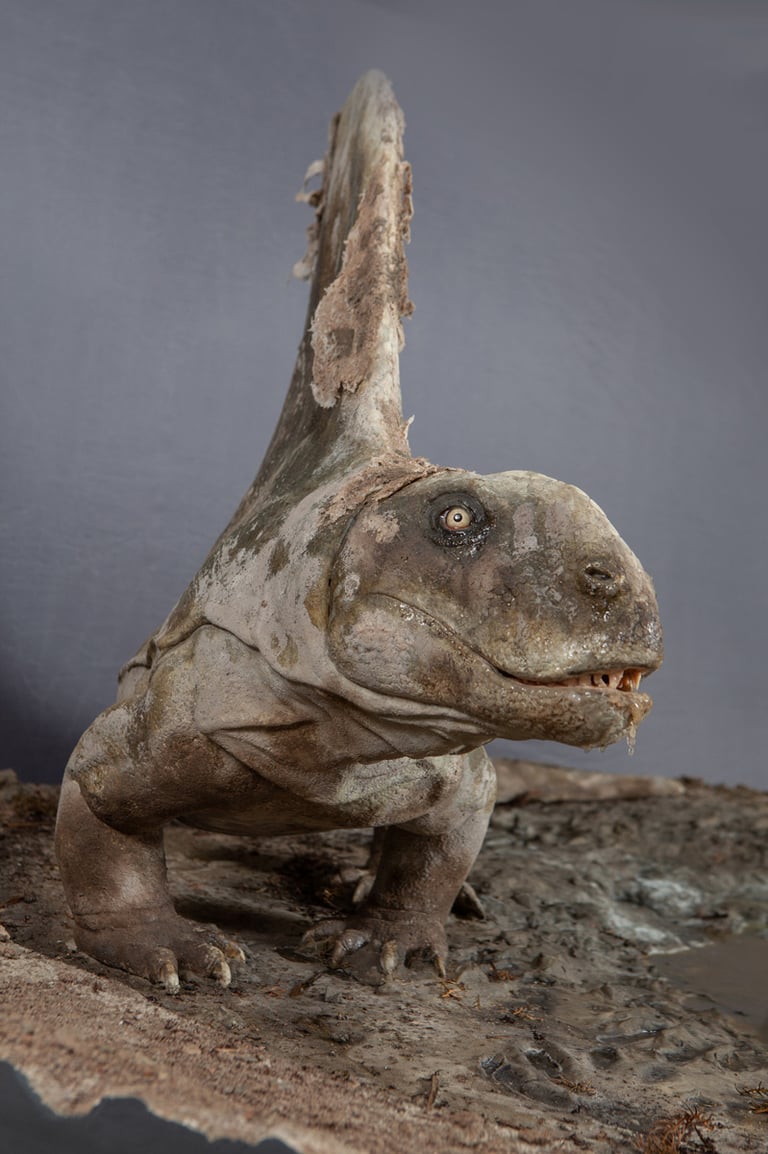
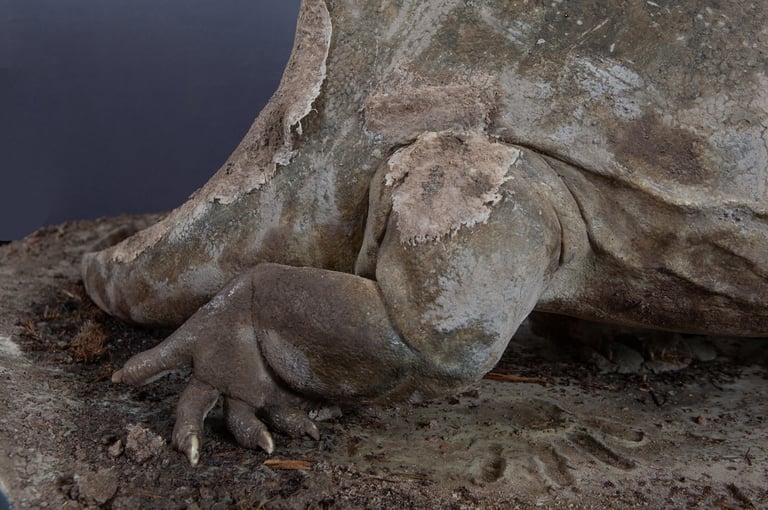
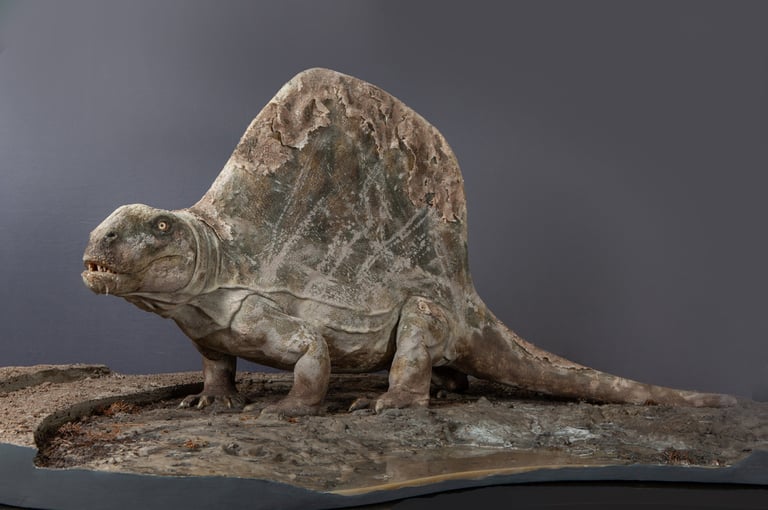
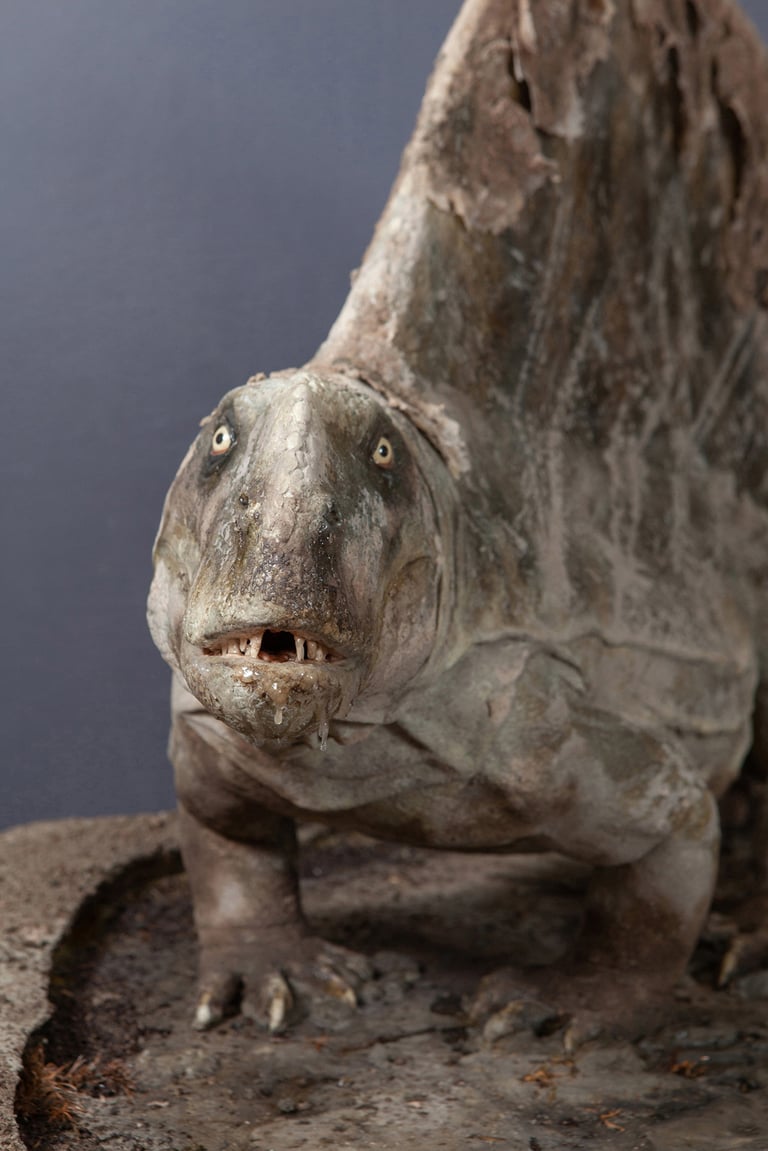
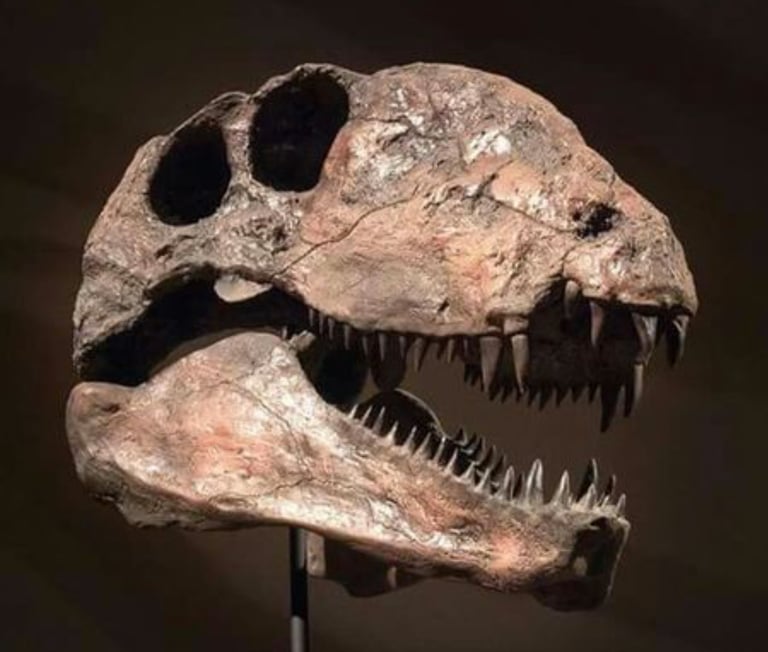
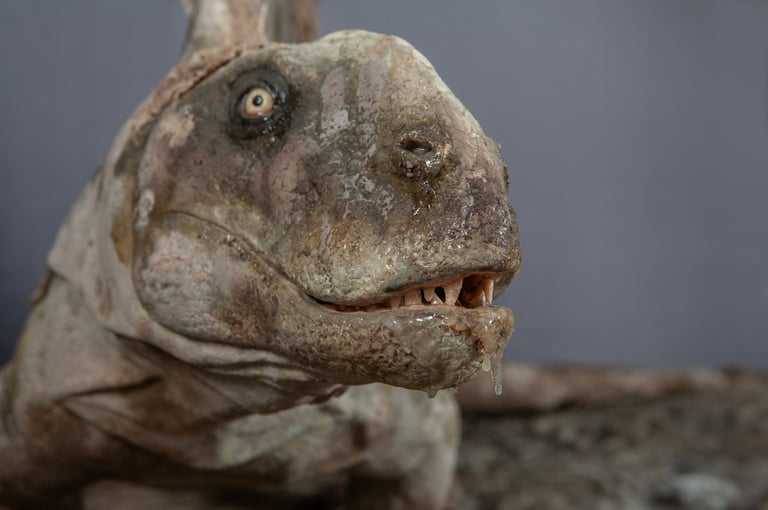
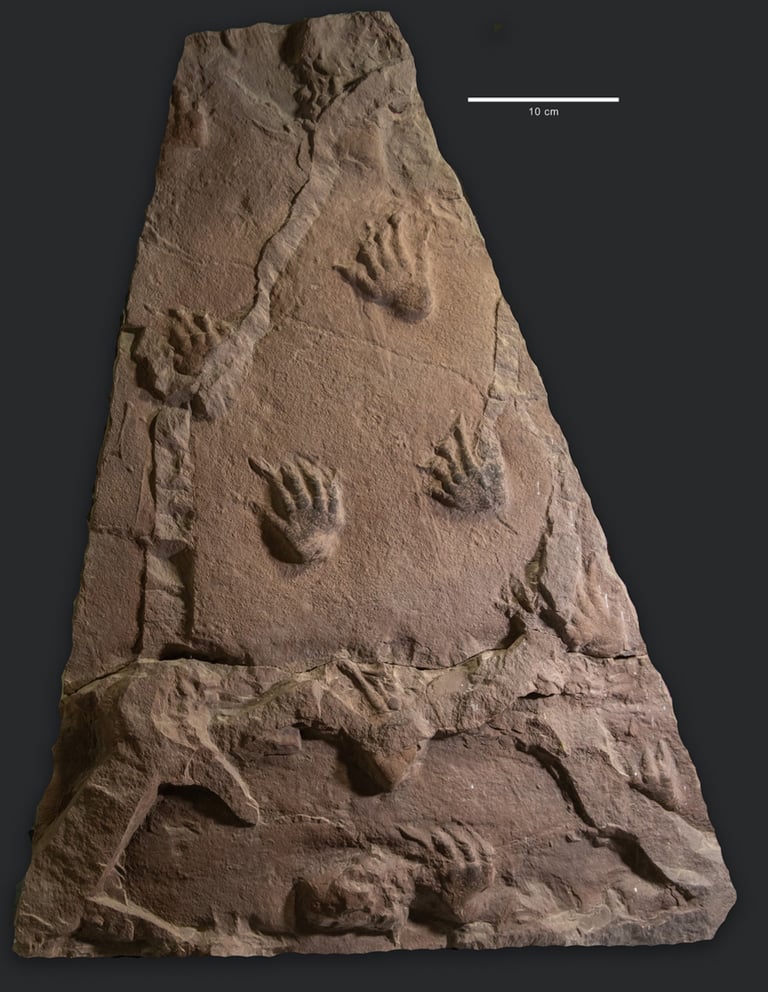
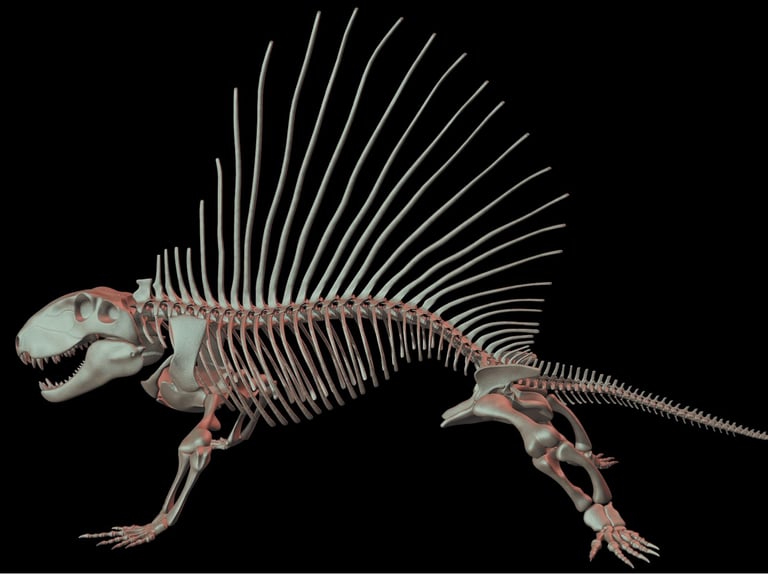
Sebastian’s reconstructions of Permian early reptiles are truly exceptional. They allow a direct and authentic encounter with these remarkable animals from a distant past.
Dr. Thomas Martens, discoverer and lead researcher of the world’s most important Permian vertebrate fossil site at the Bromacker, Thuringia, Germany
★★★★★
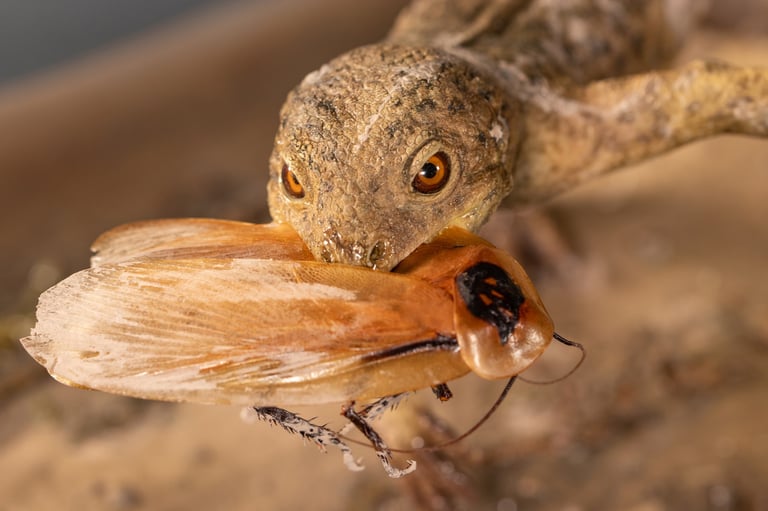
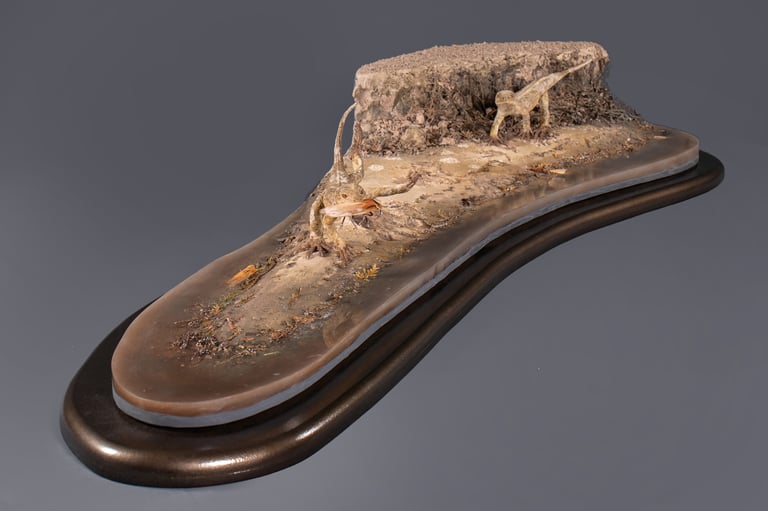
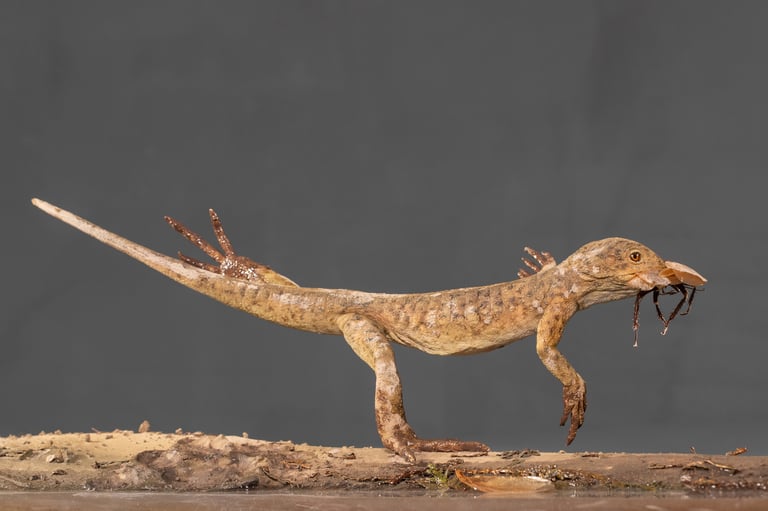
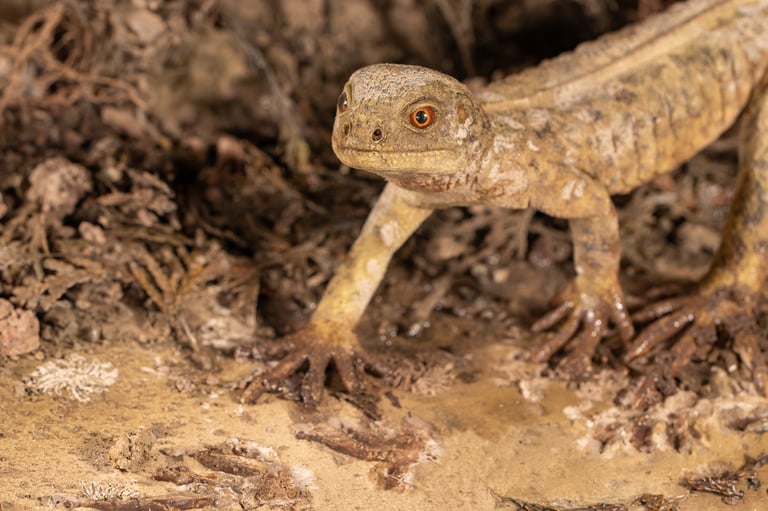
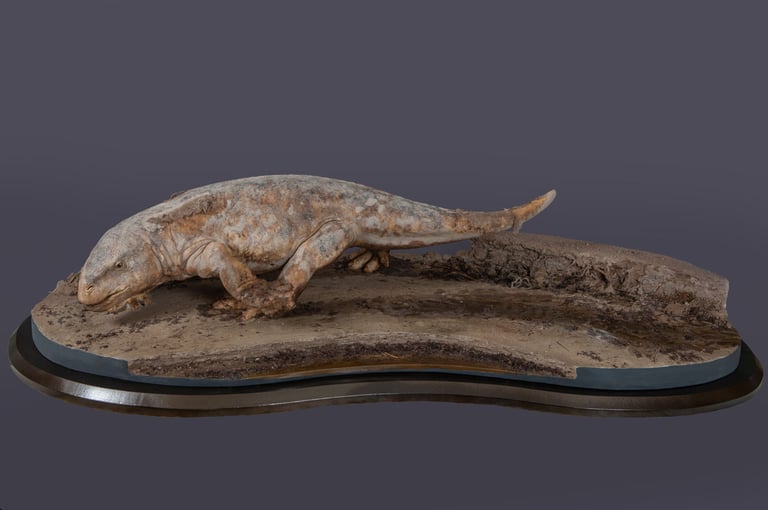
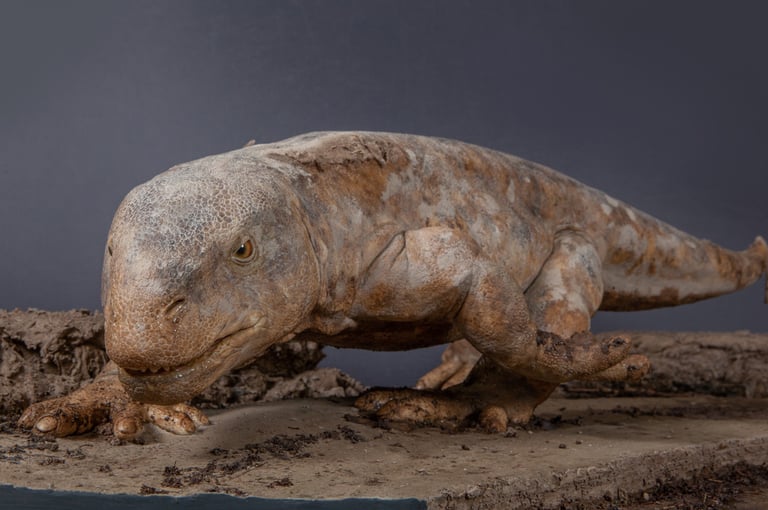
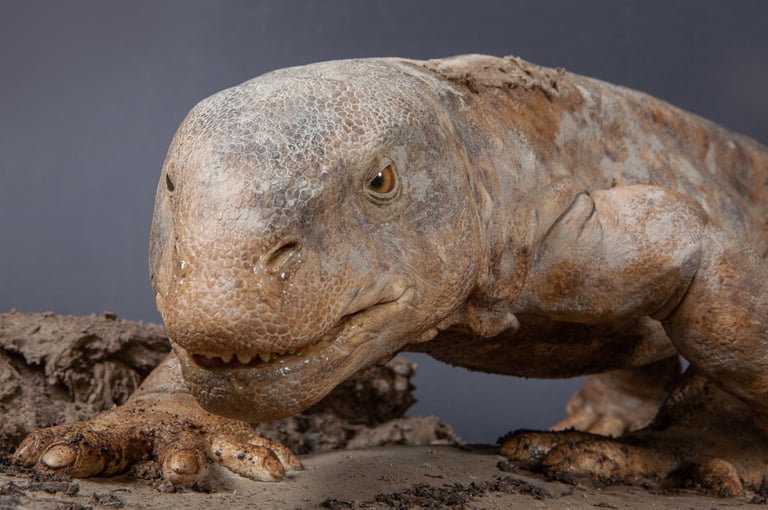
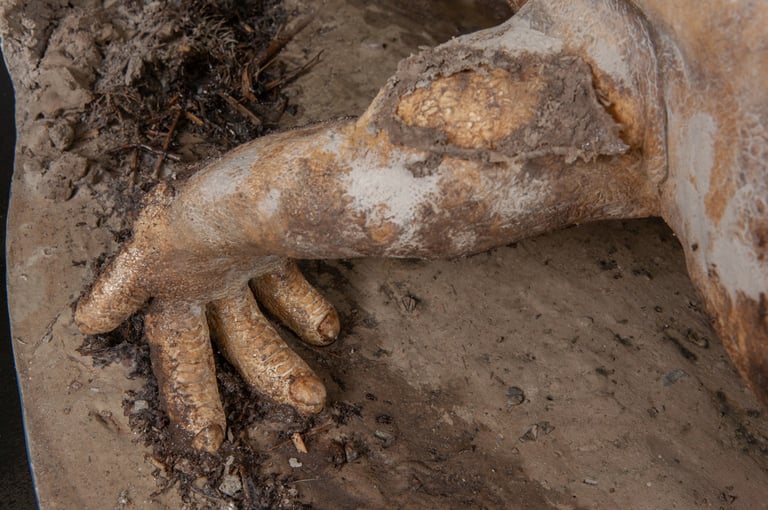
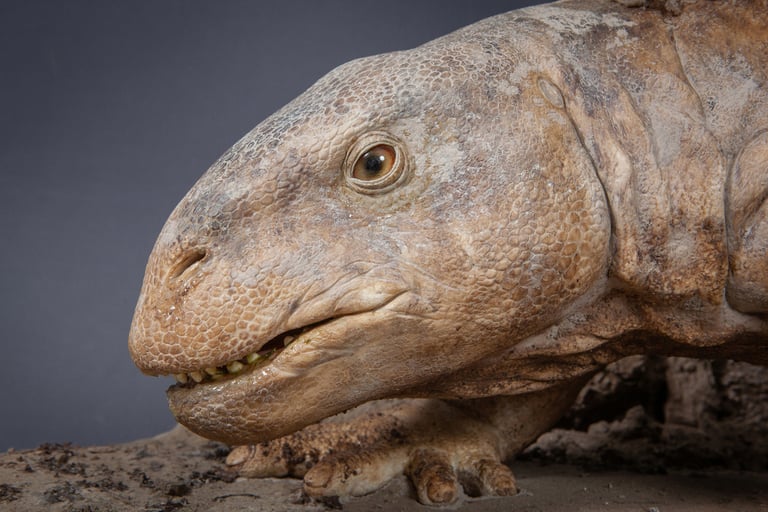
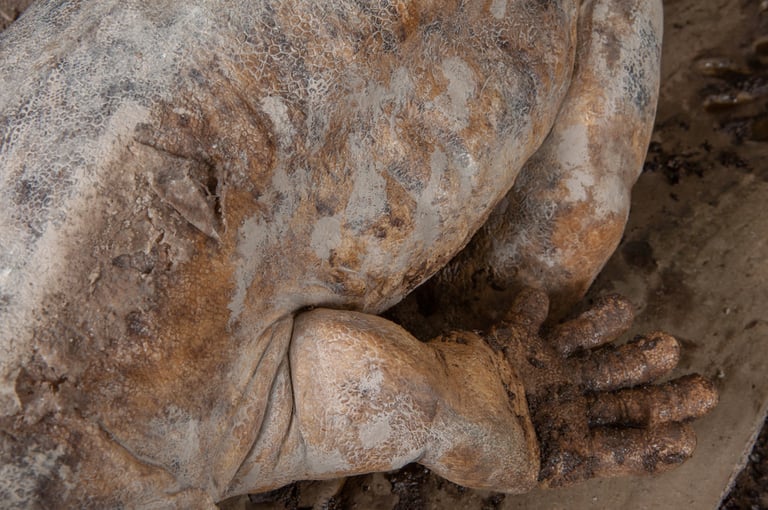
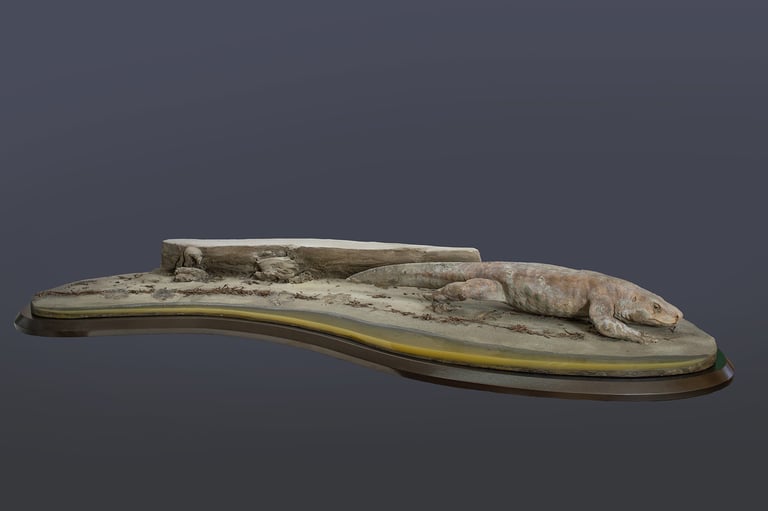
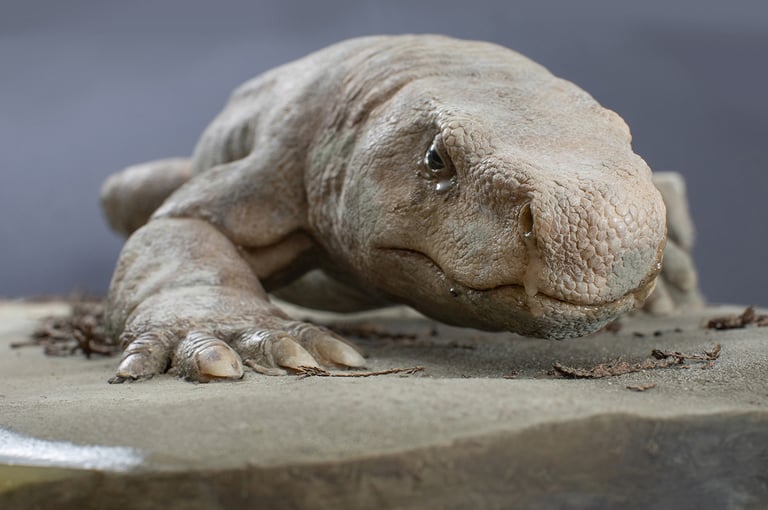
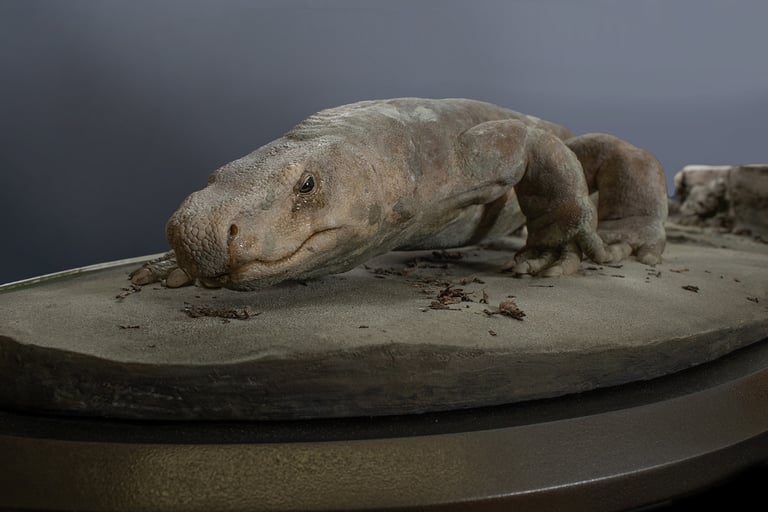
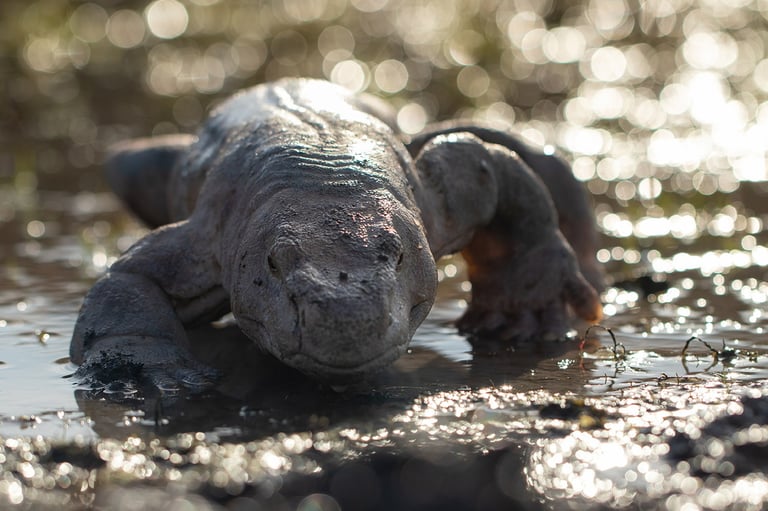
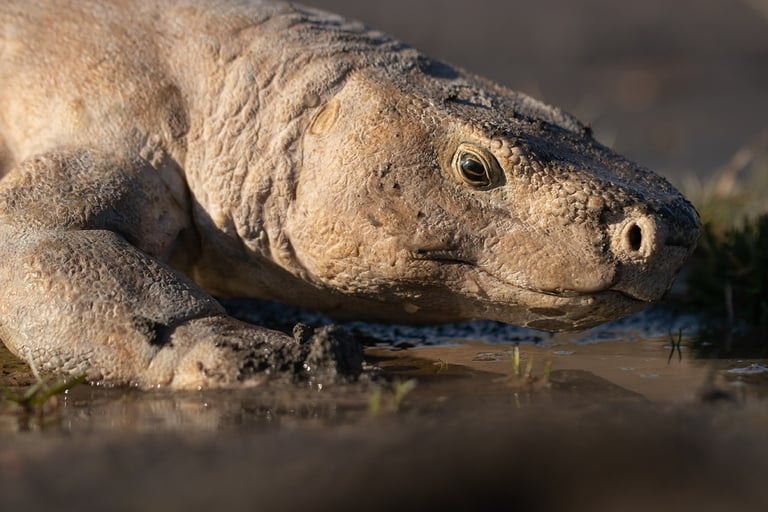
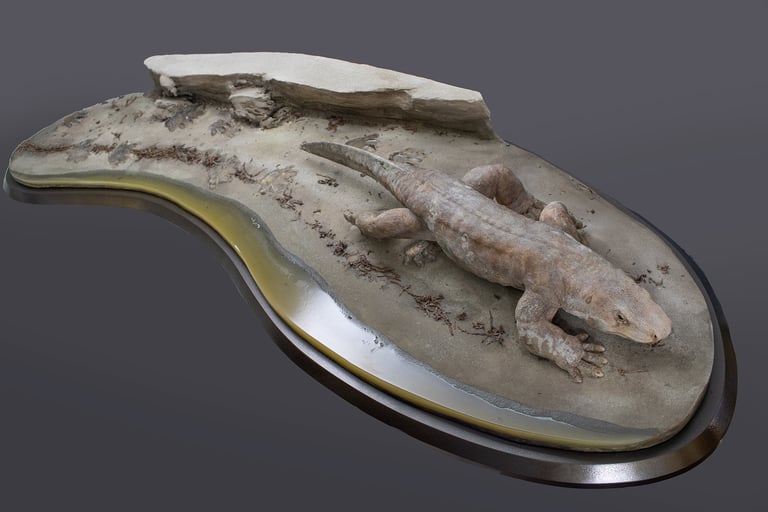
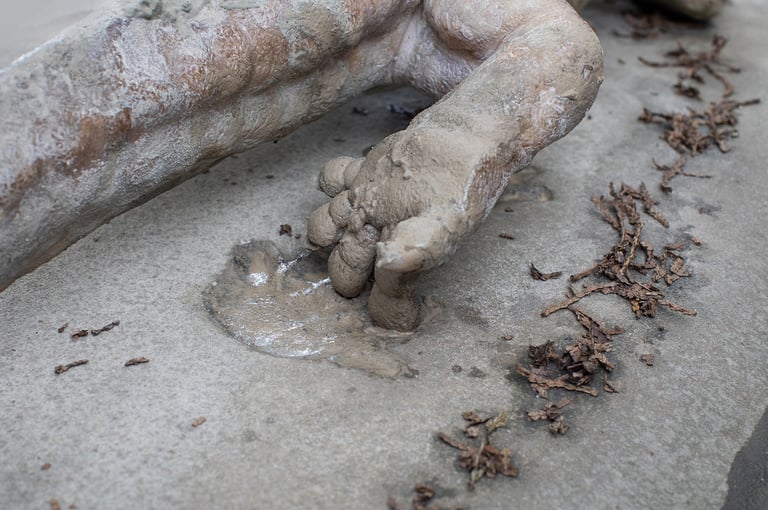
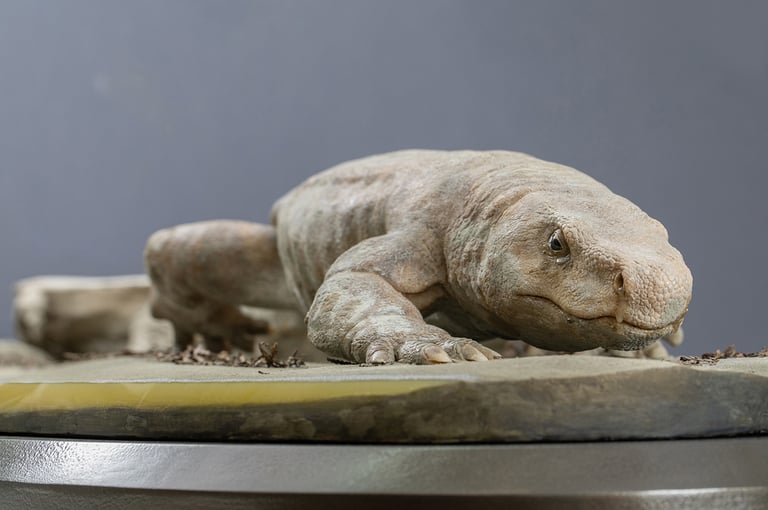
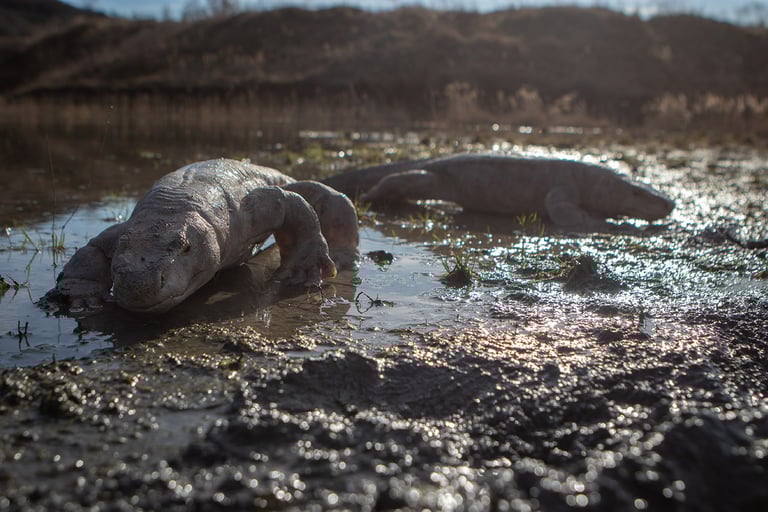
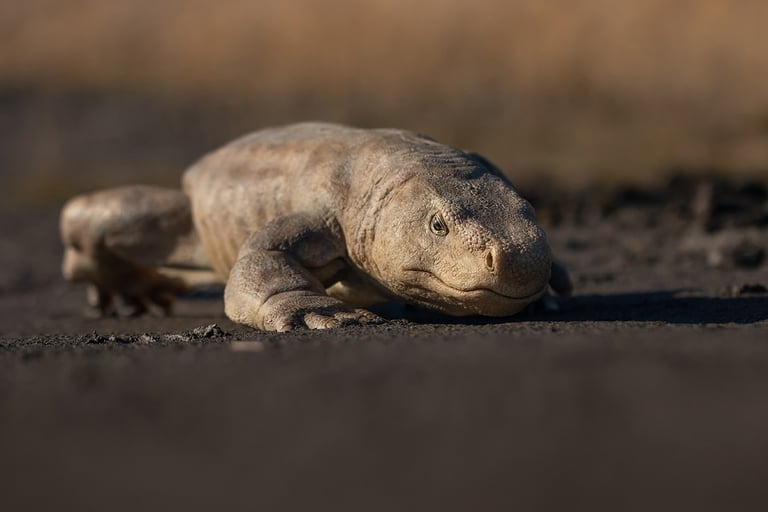
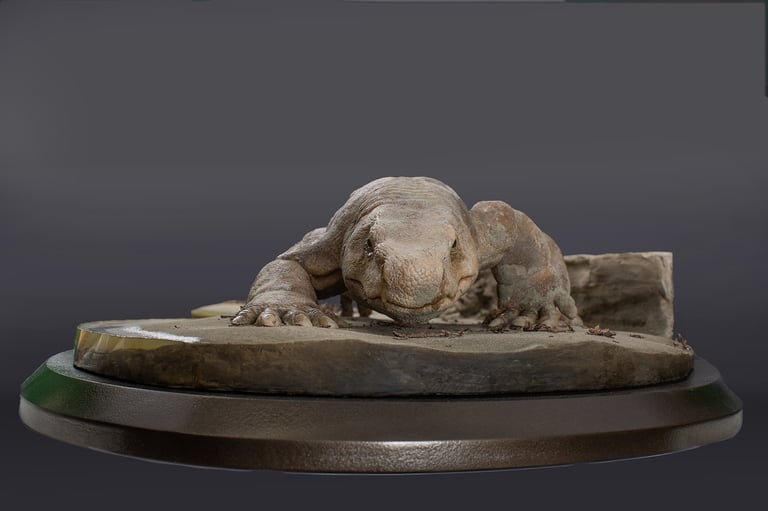
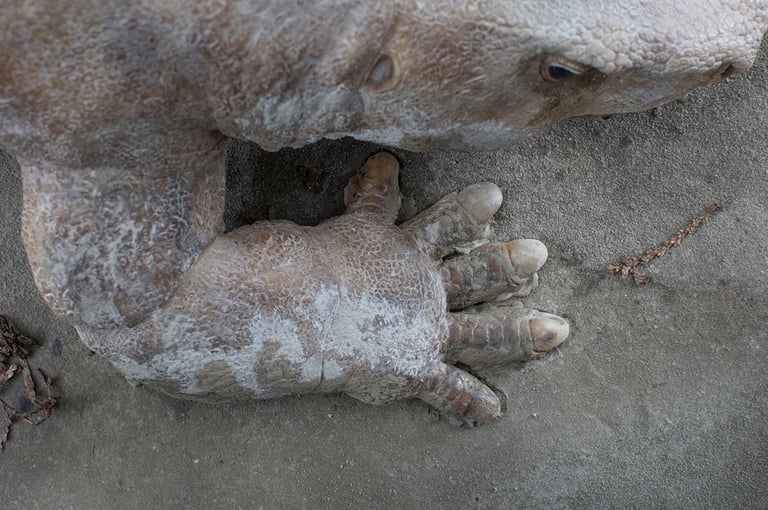
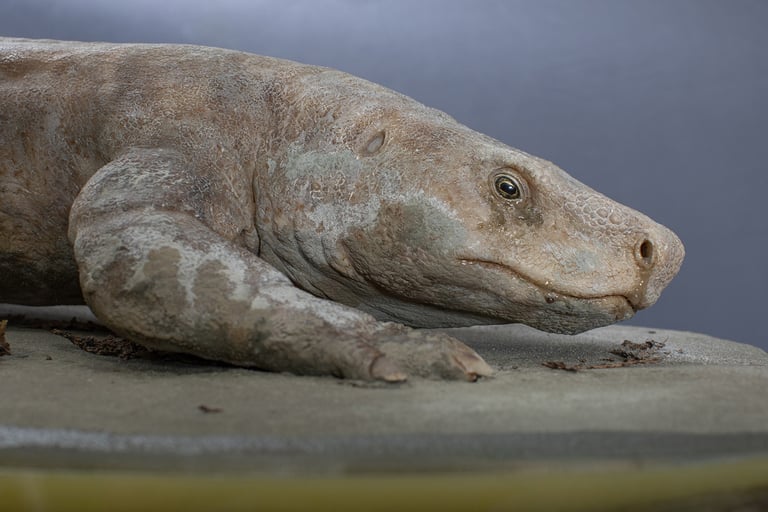
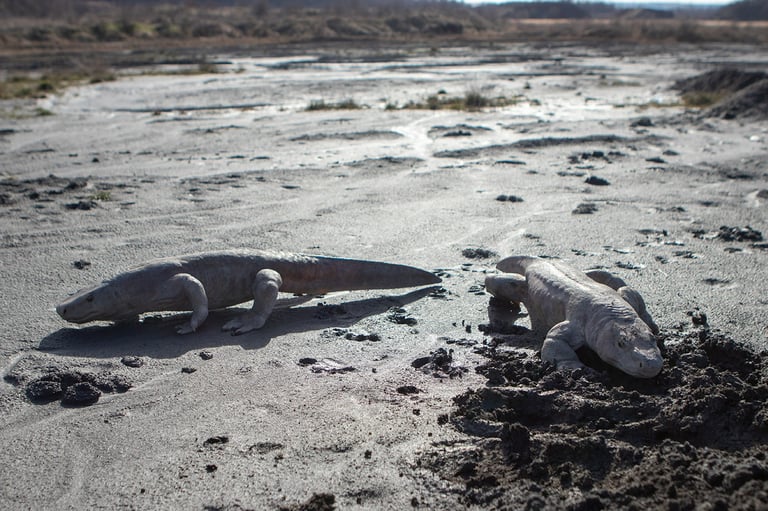
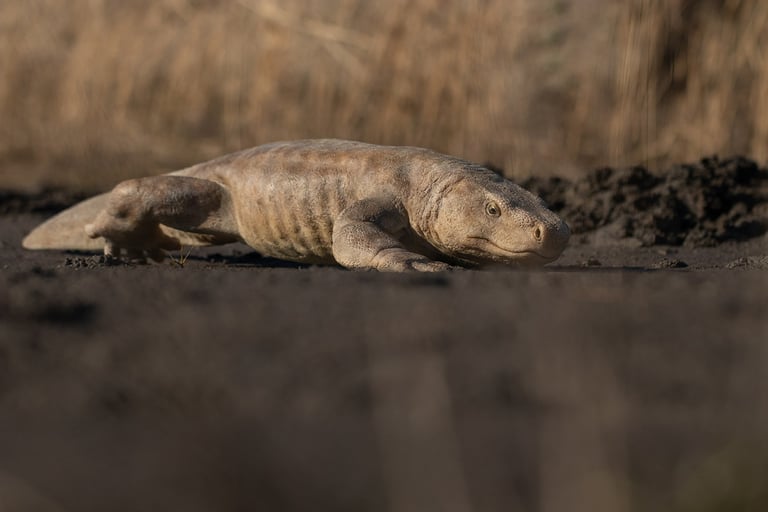
Permian pareiasaur model (Parasaurus geinitzi)
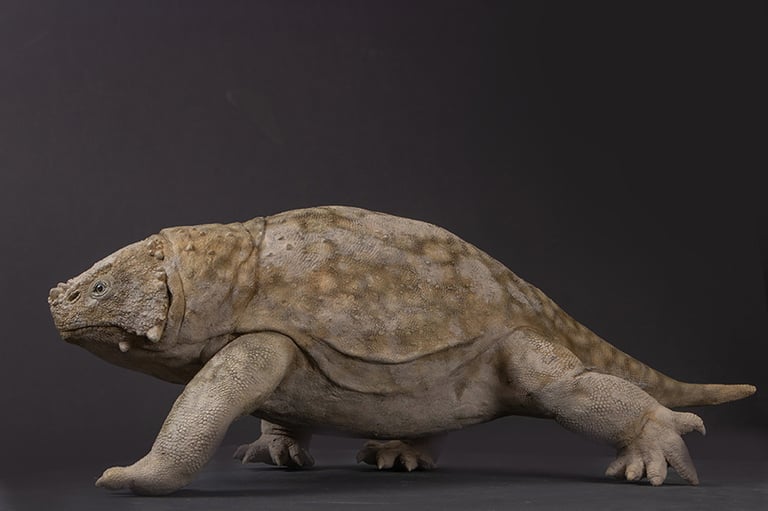
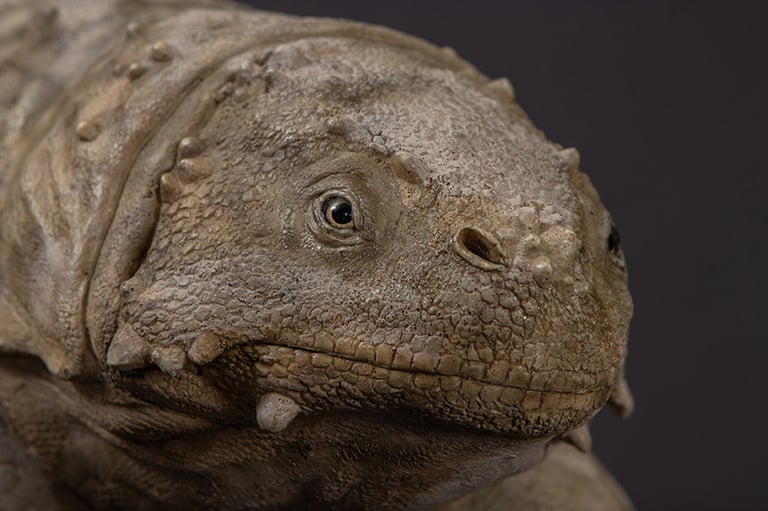
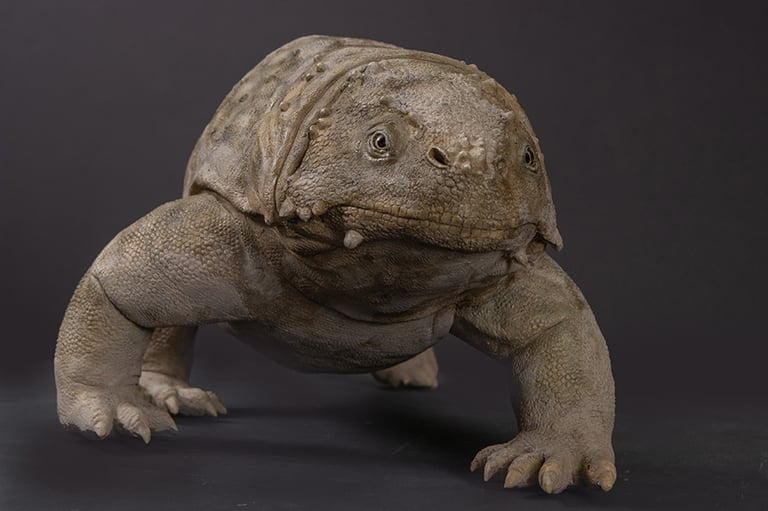
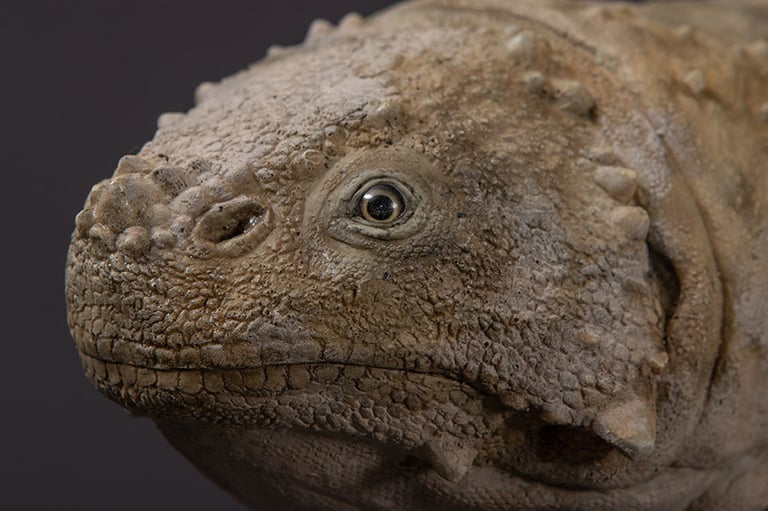
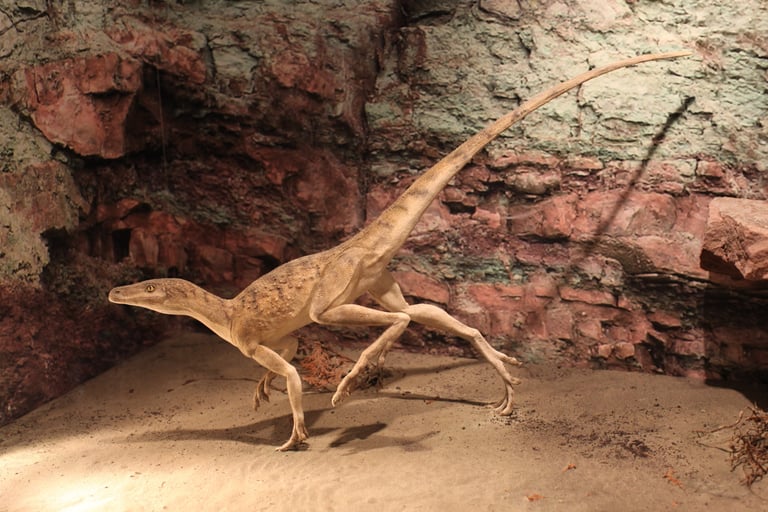
Triassic archosaur model (Lagosuchus sp.)
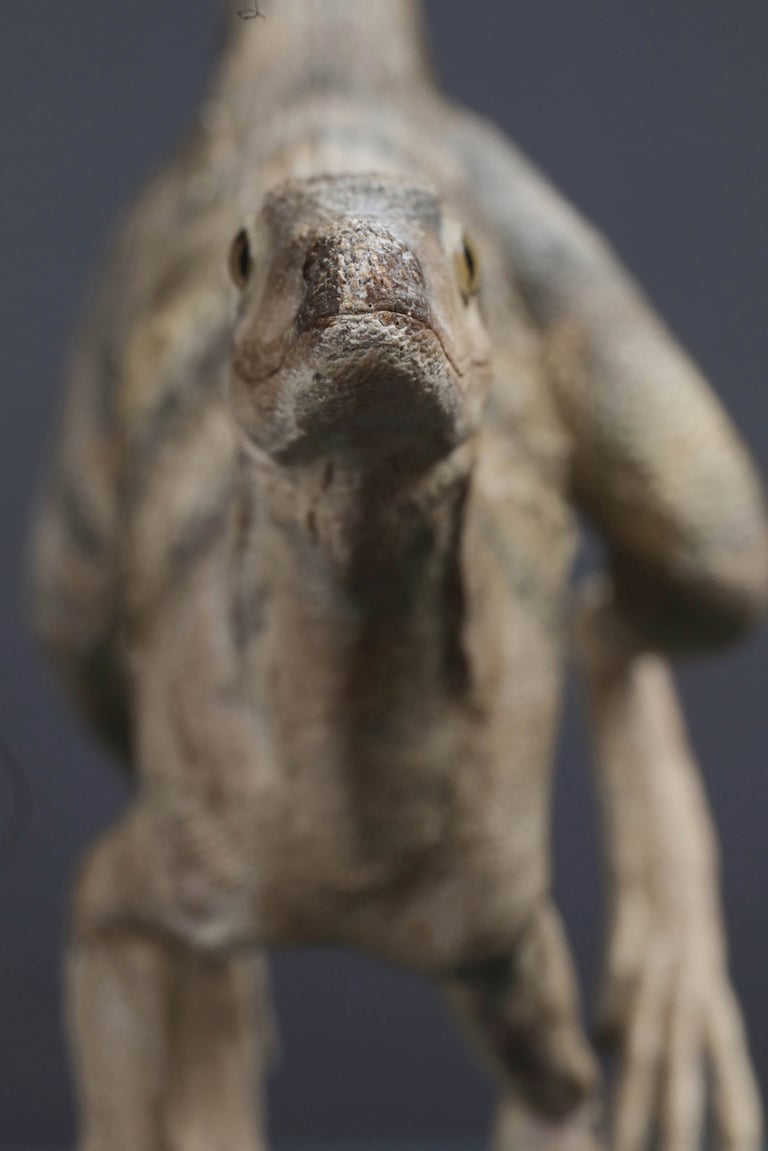
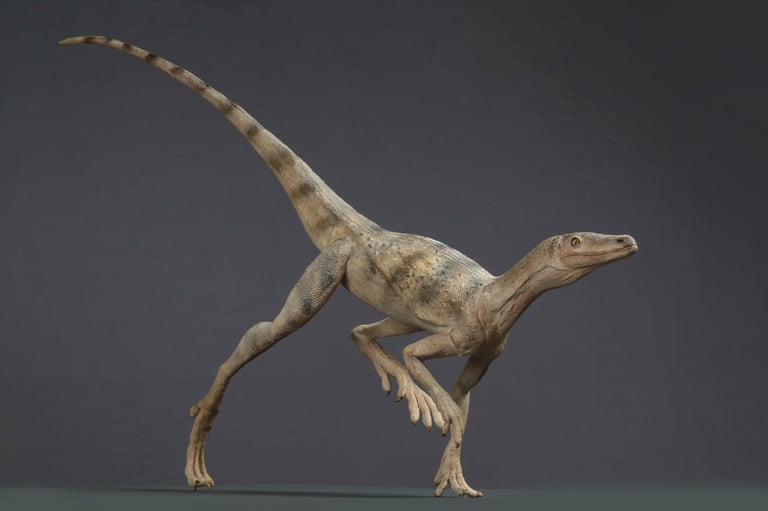
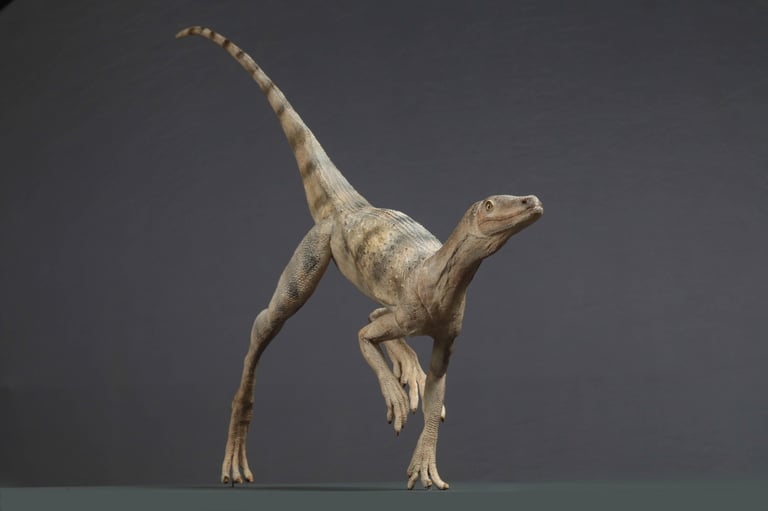
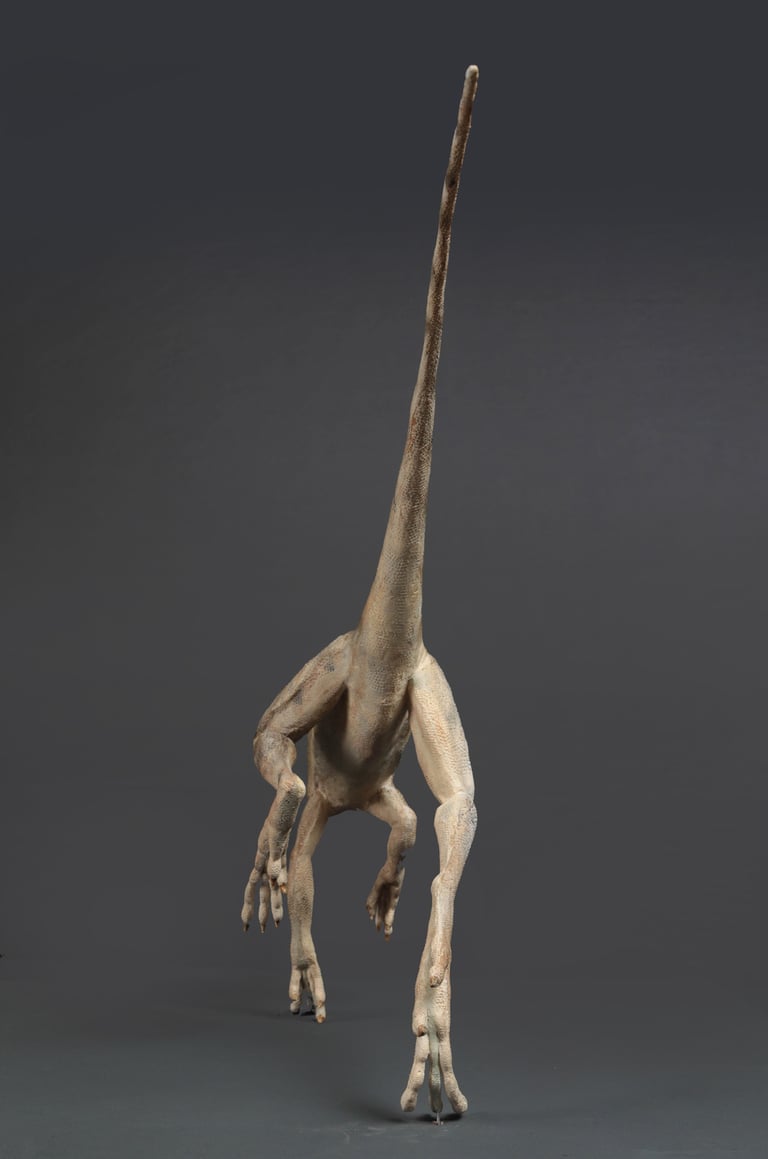
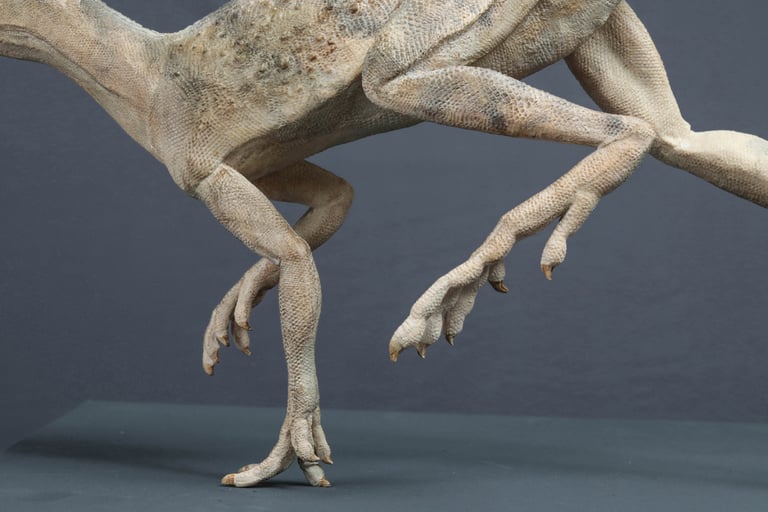
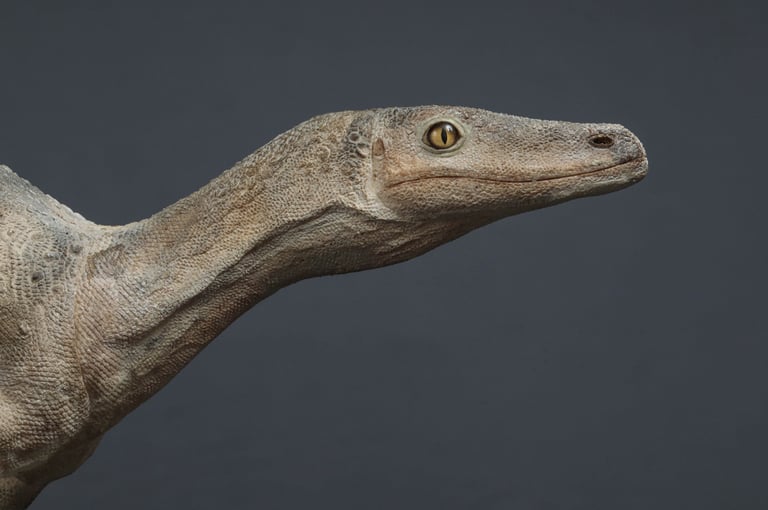
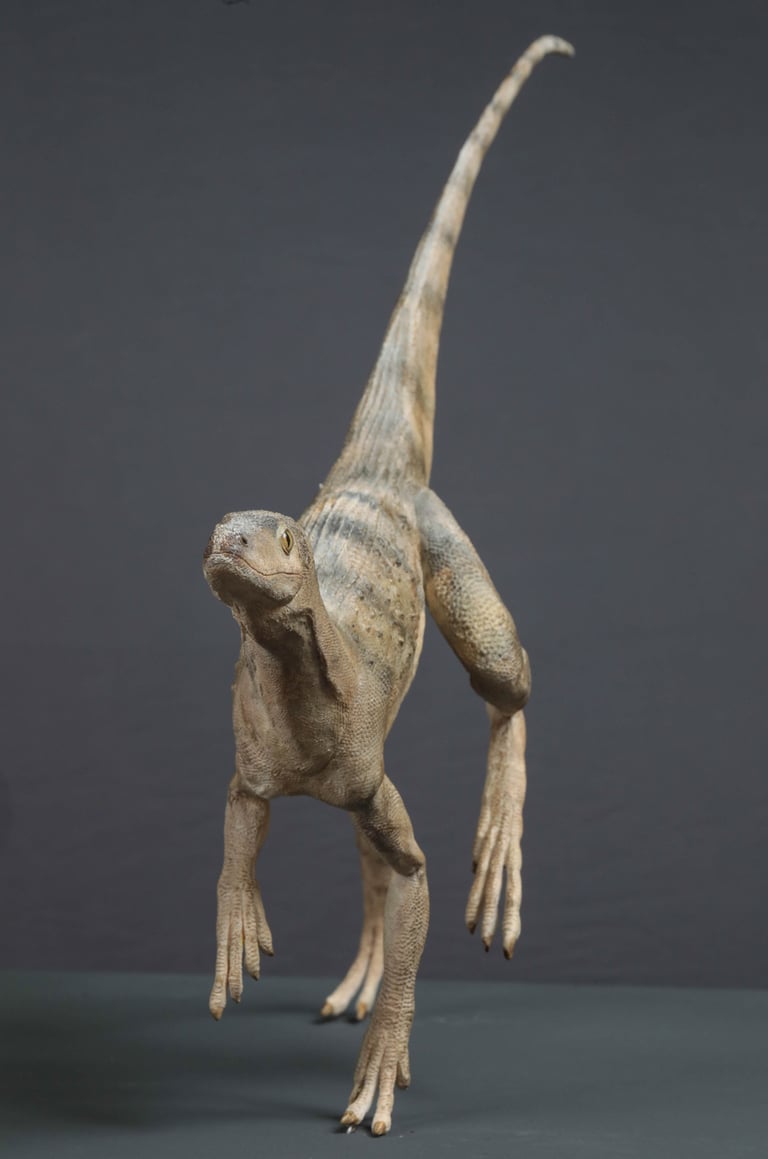
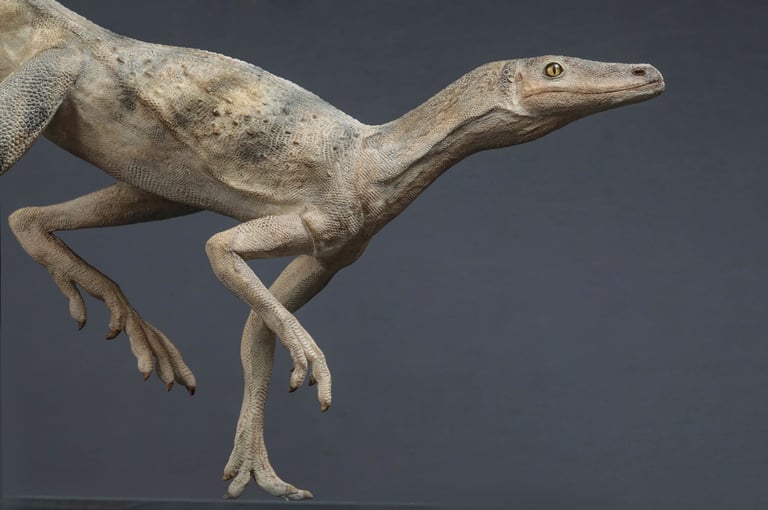
Feathered dinosaur "Berlin Specimen" model (Archeopteryx siemensii) - Version1
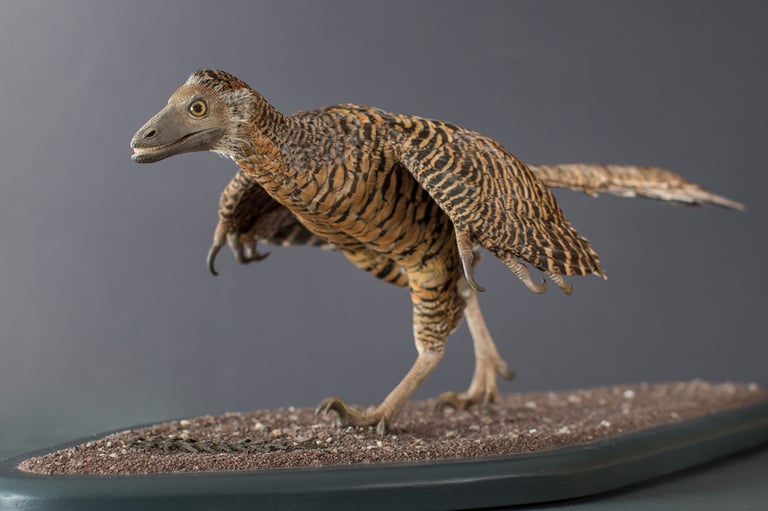
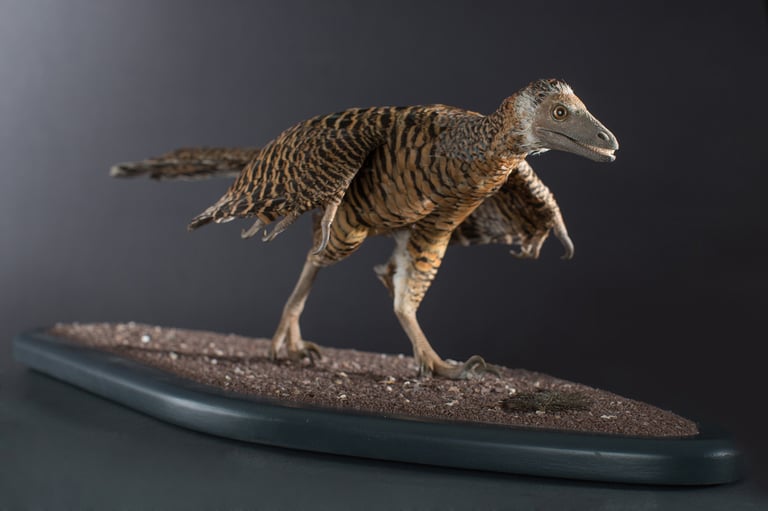
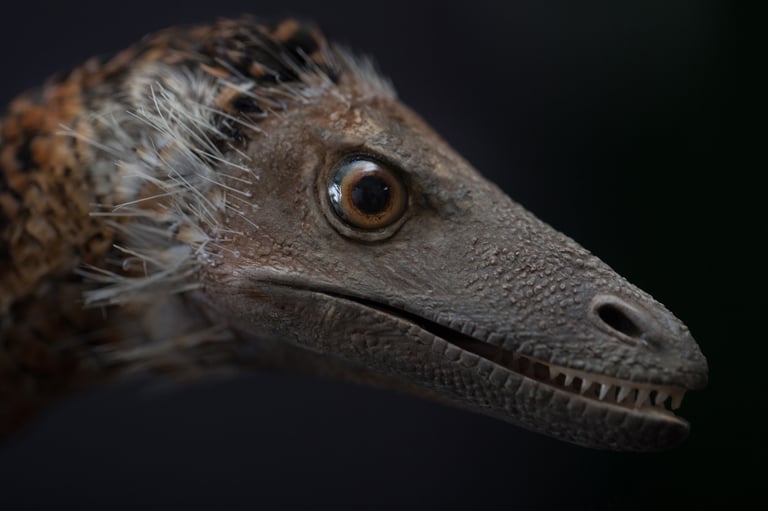
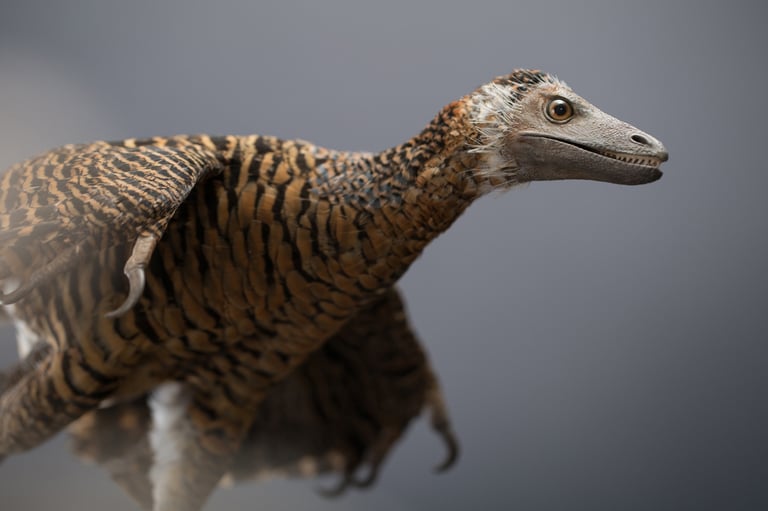
Feathered dinosaur "Berlin Specimen" model (Archeopteryx siemensii) - Version2
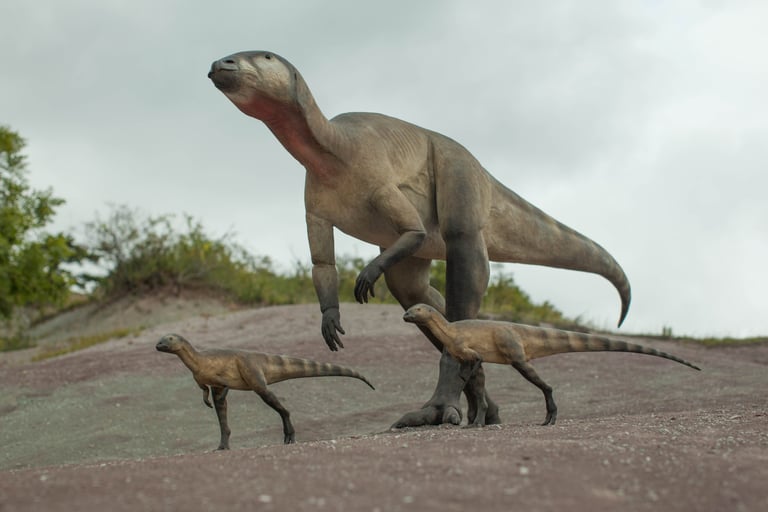
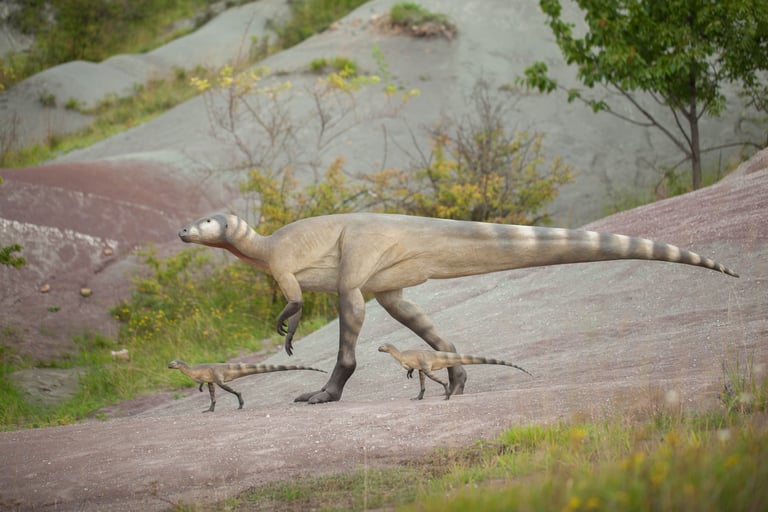
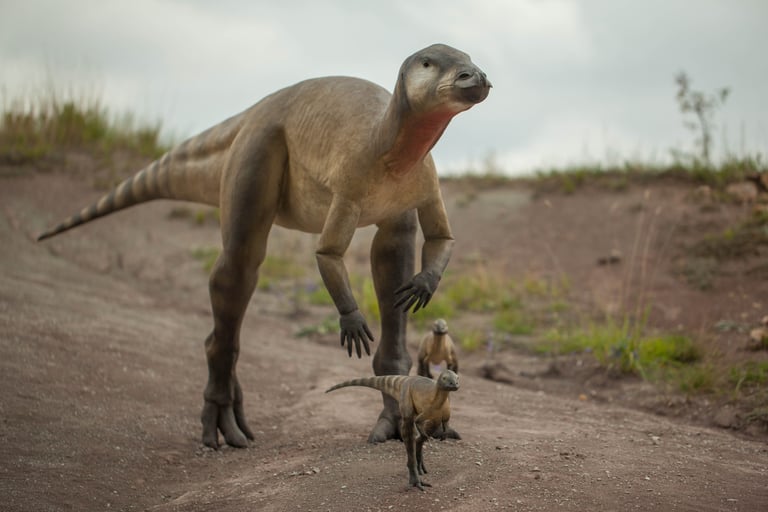
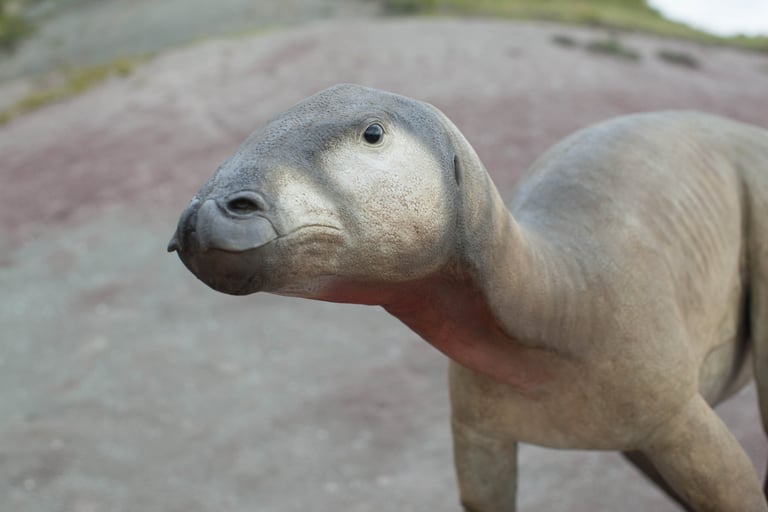
Ornithopod dinosaur model (Dysalotosaurus lettovorbecki)
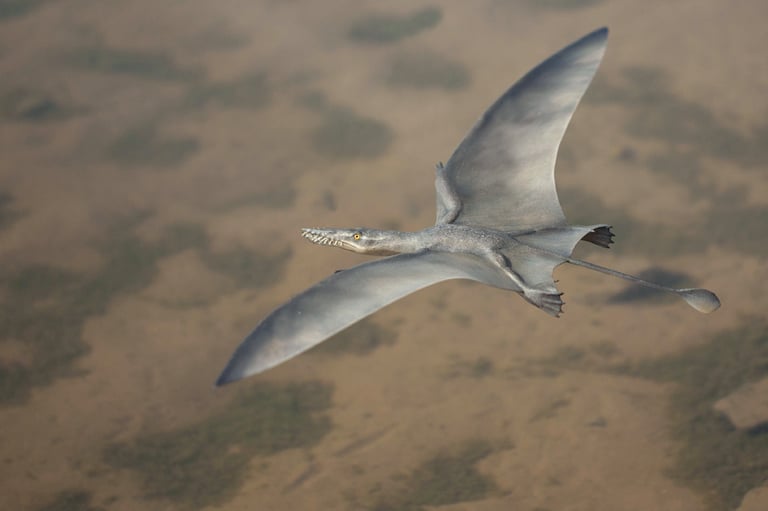
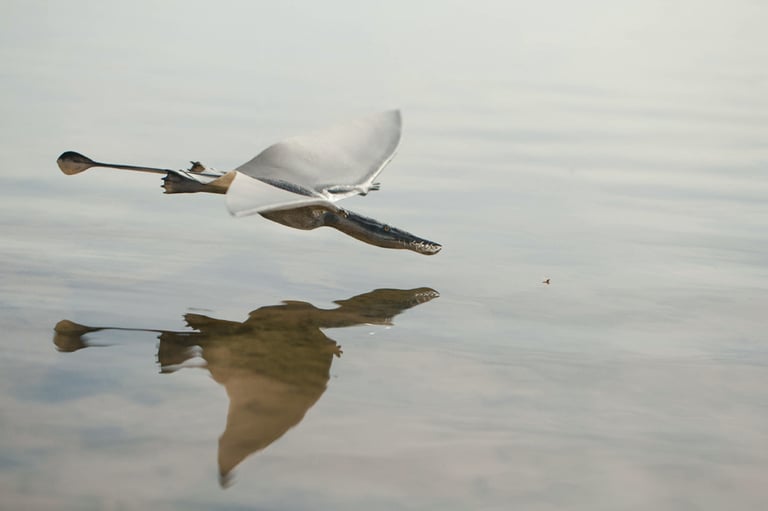
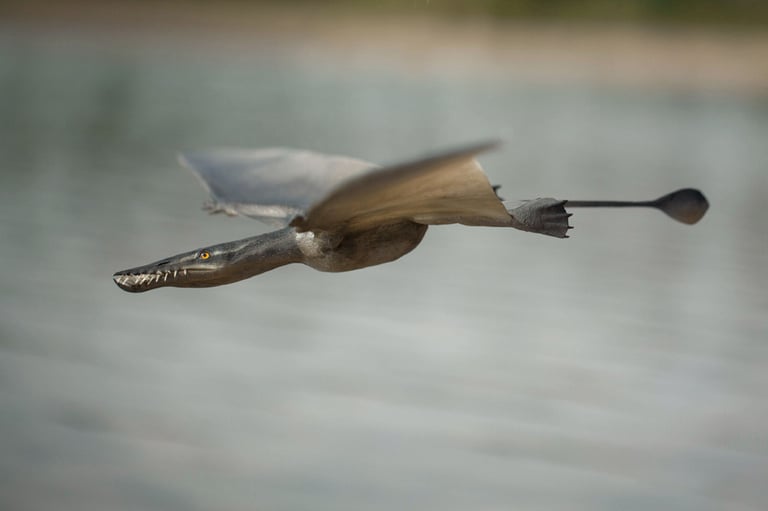
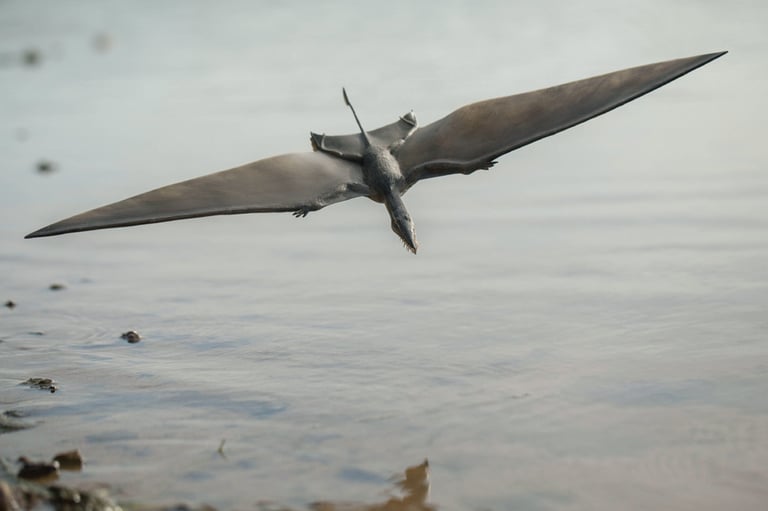
Jurassic pterosaur model (Rhamphorhynchus muensteri)
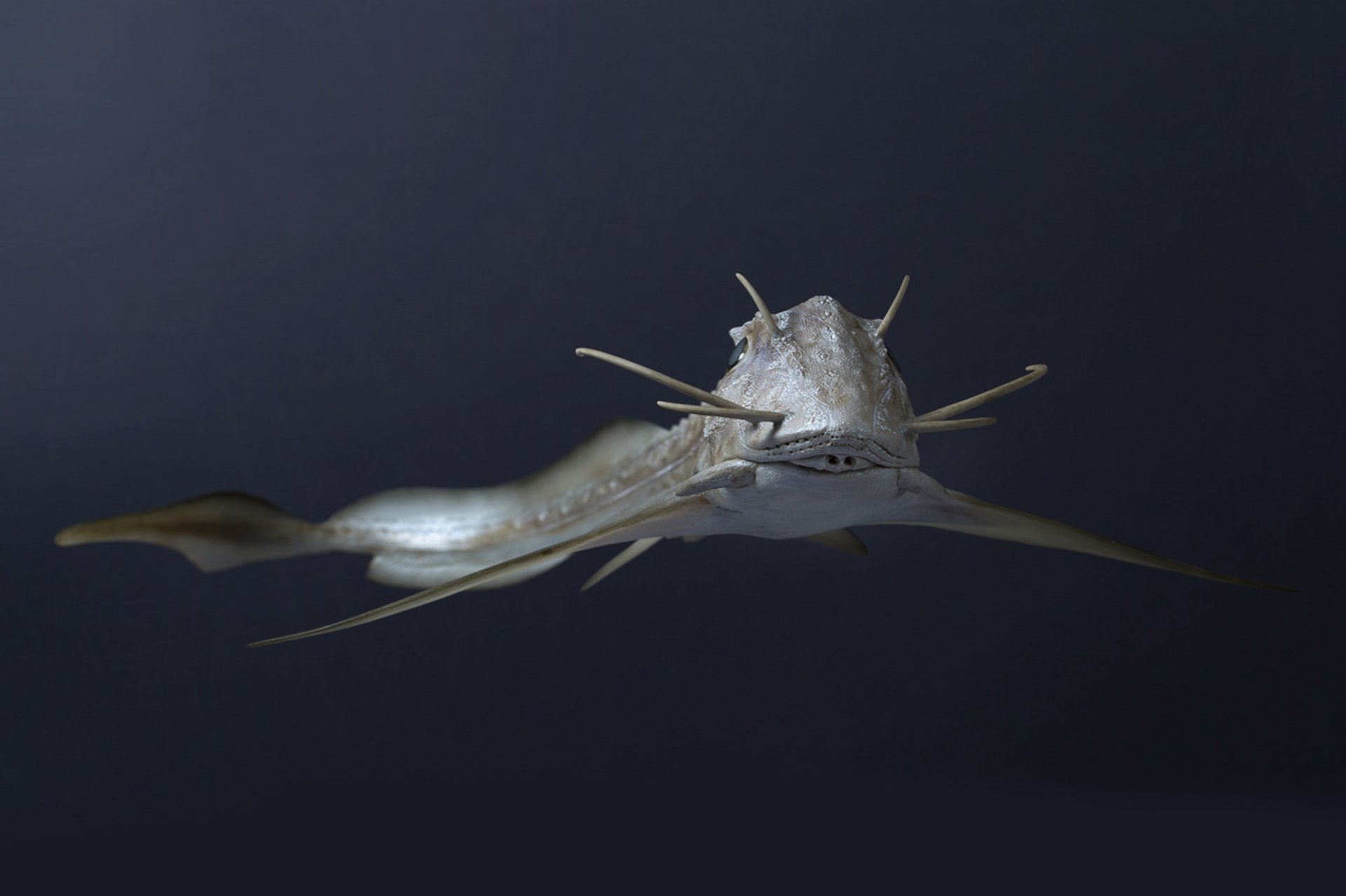
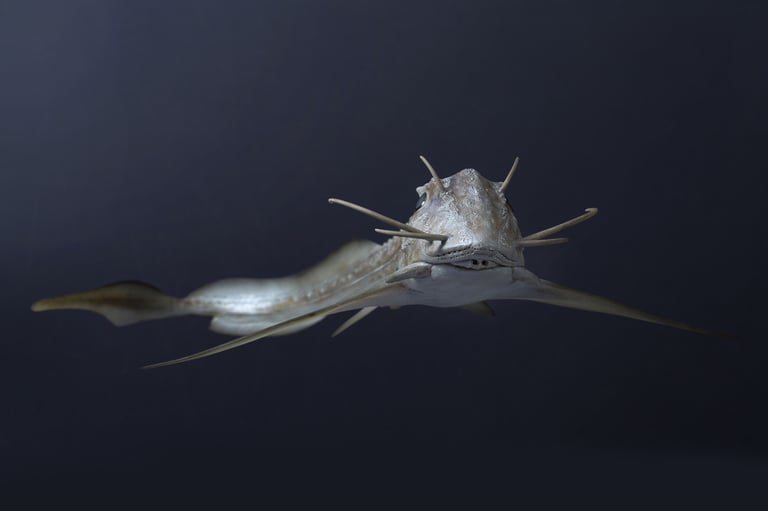
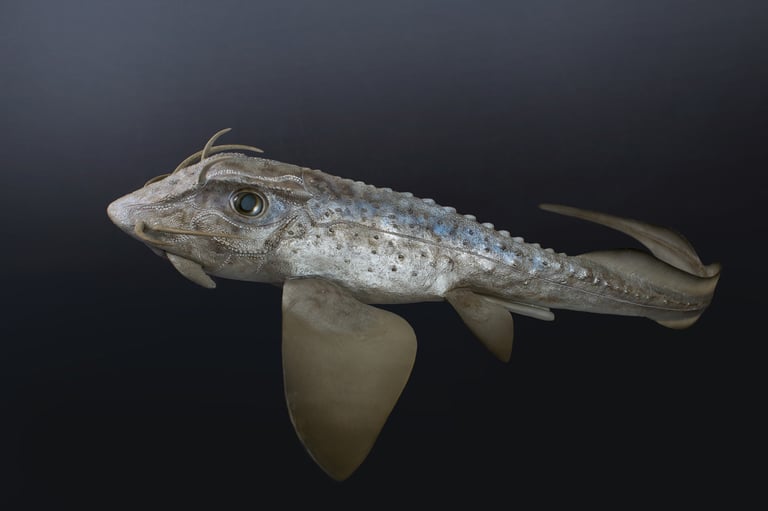
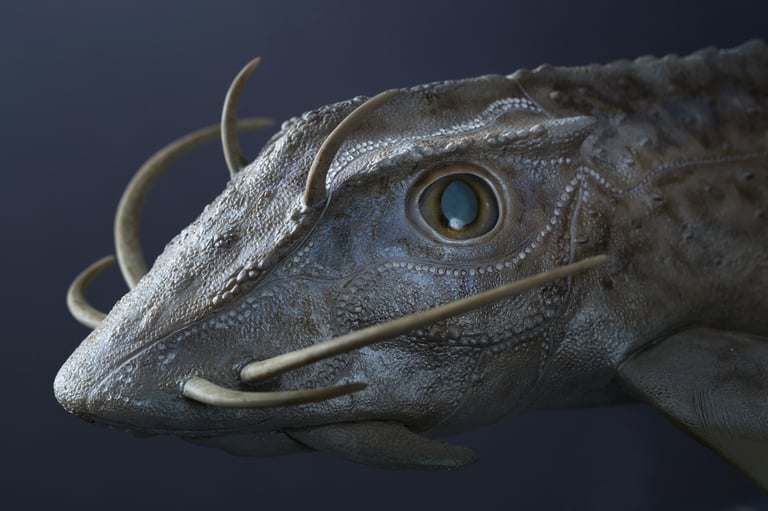
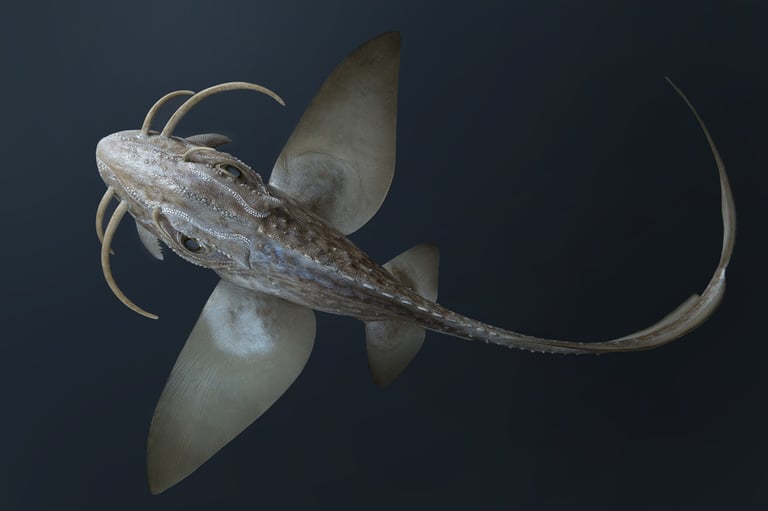
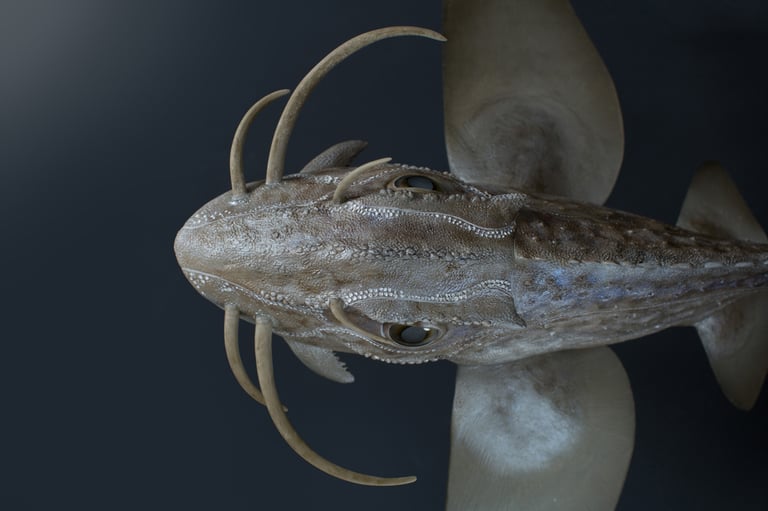
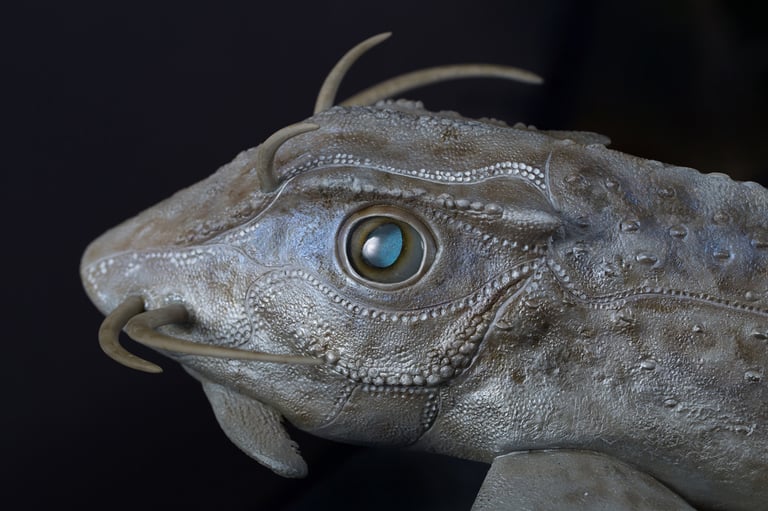
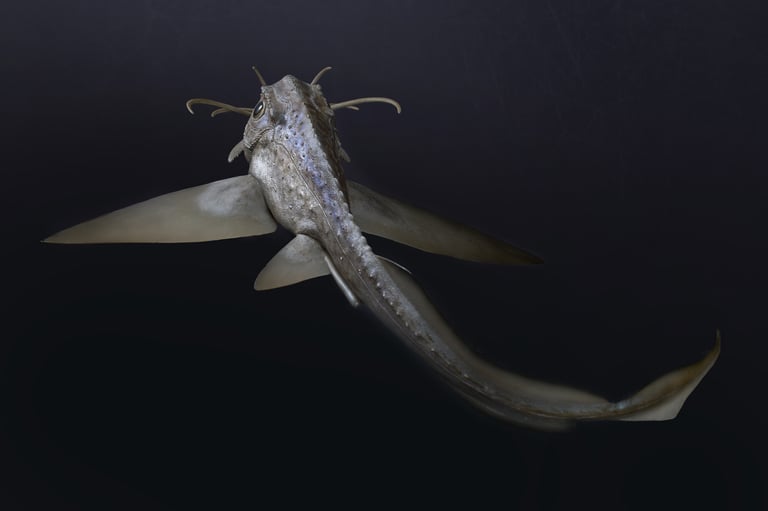
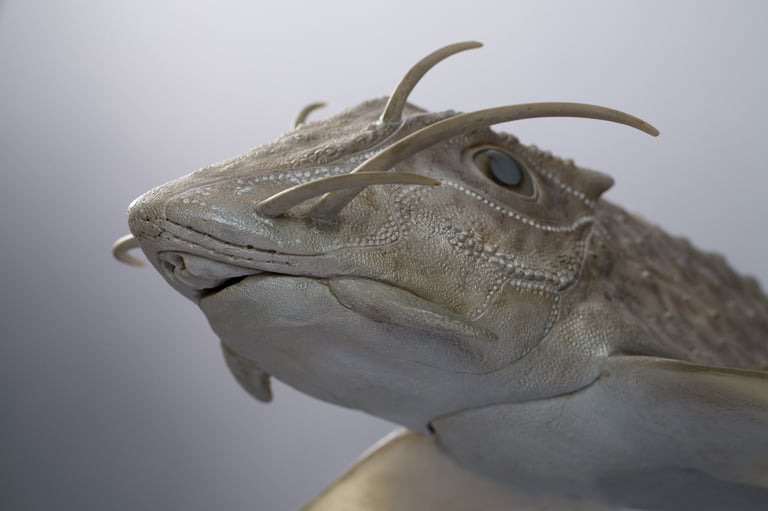
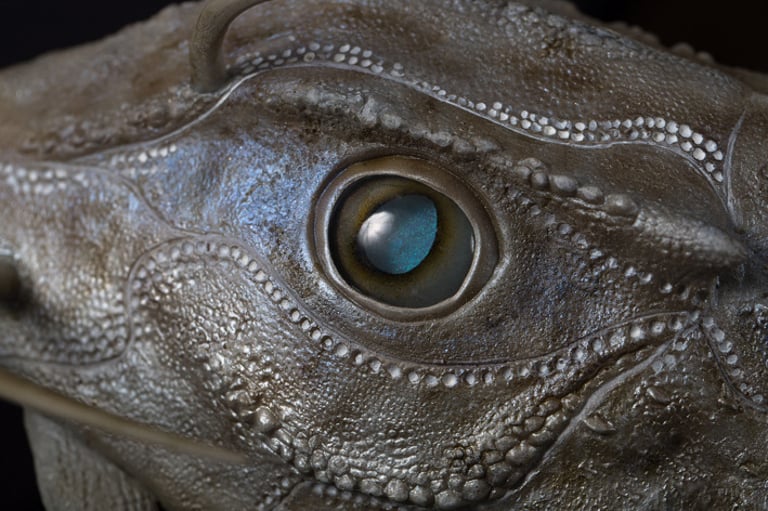
Permian chimera model (Menaspis armata)
Life under water
Examples of available life-size (1:1) paleontological resin reconstruction models
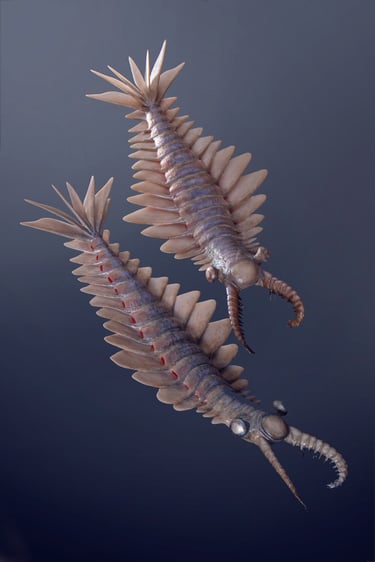
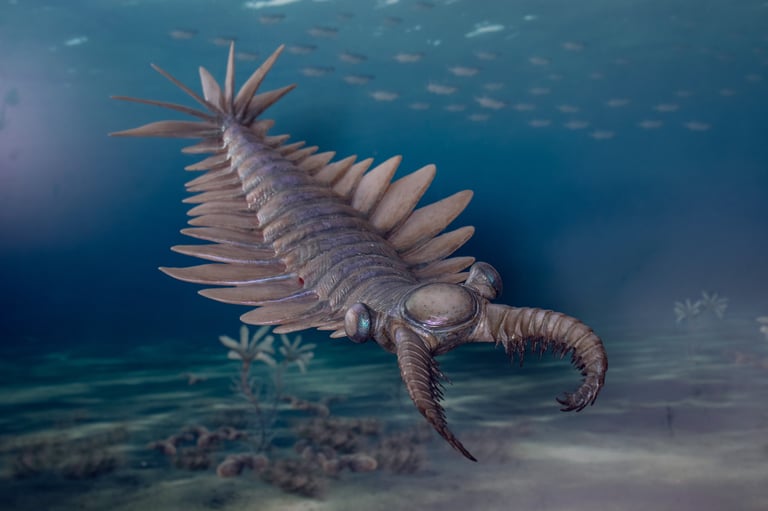
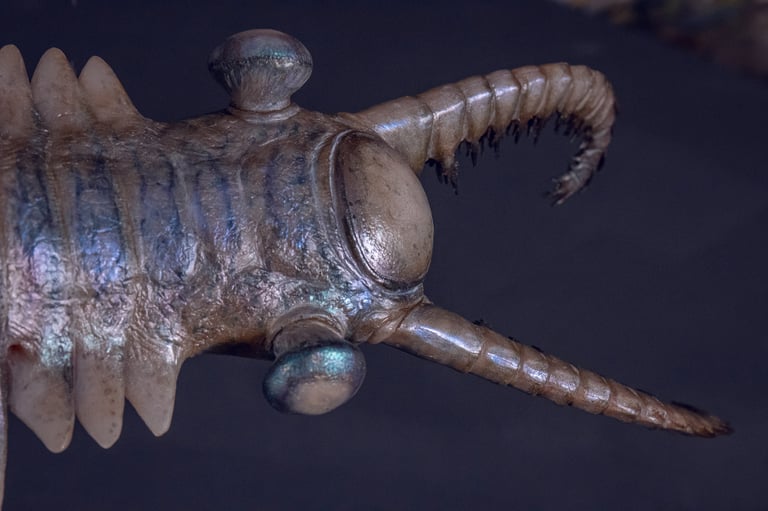
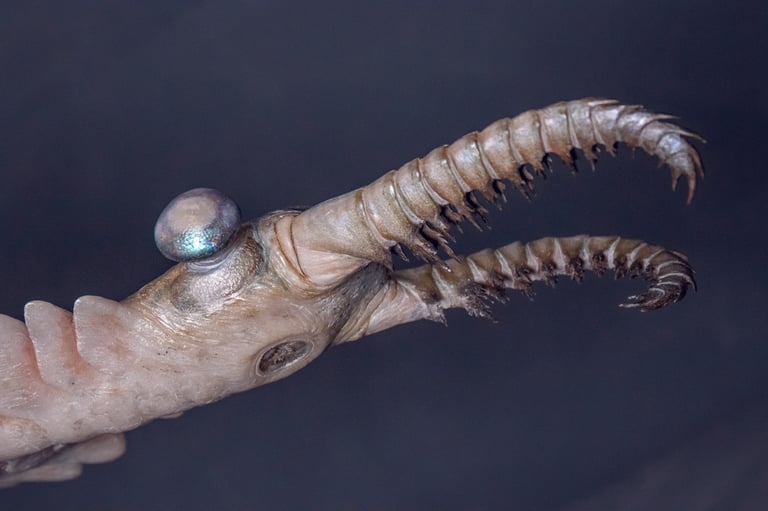
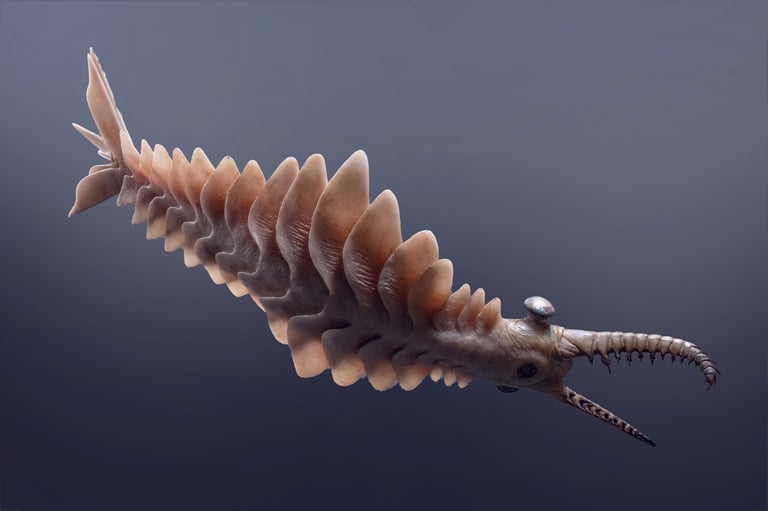
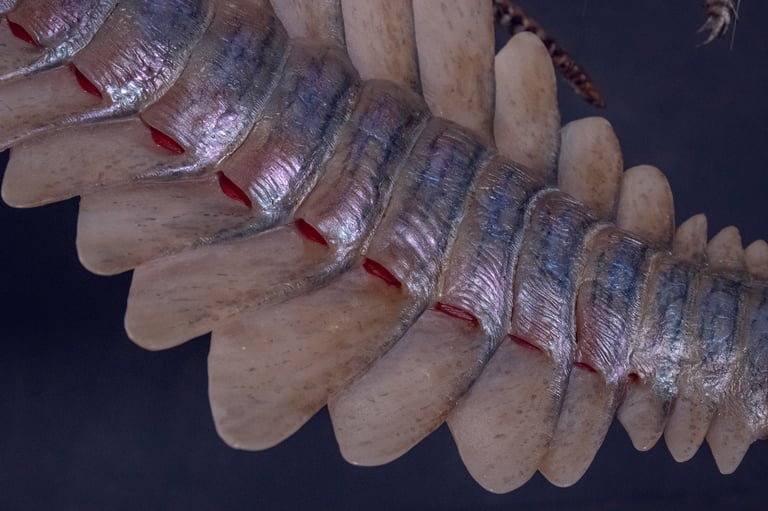
Cambrian radiodont model (Anomalocaris canadensis)
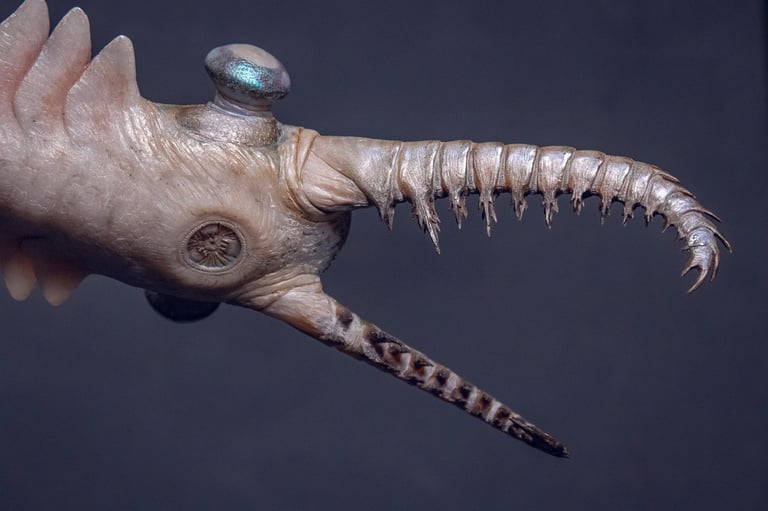
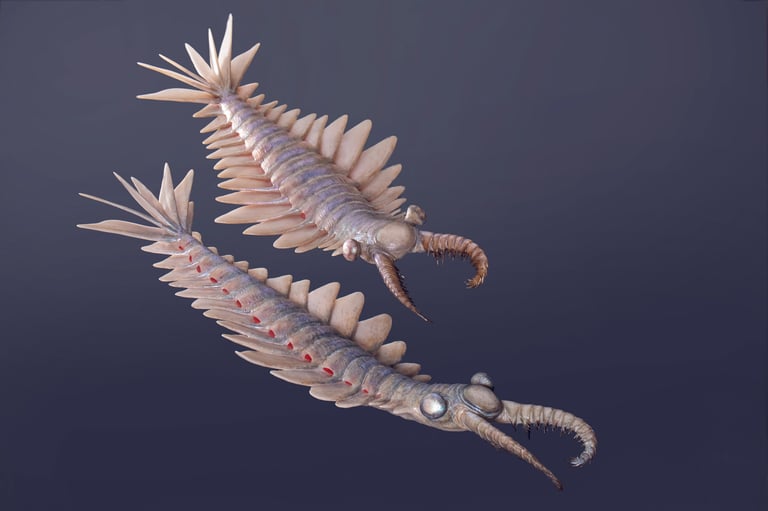
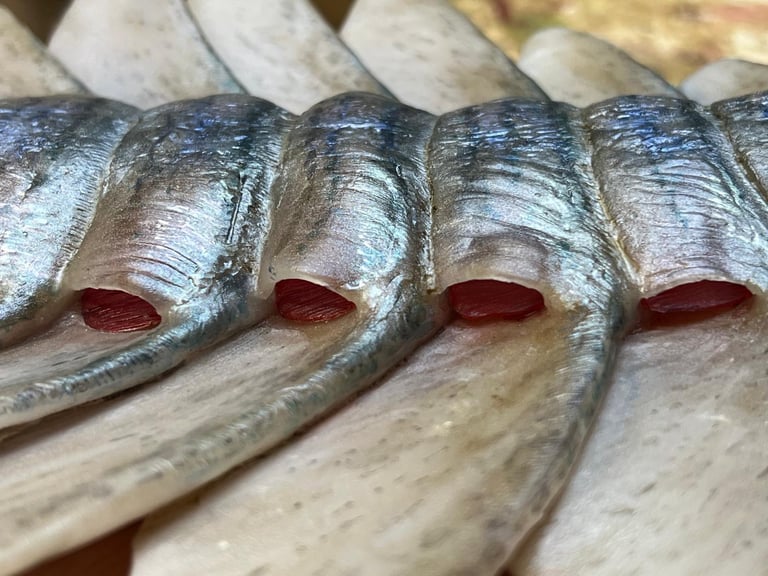
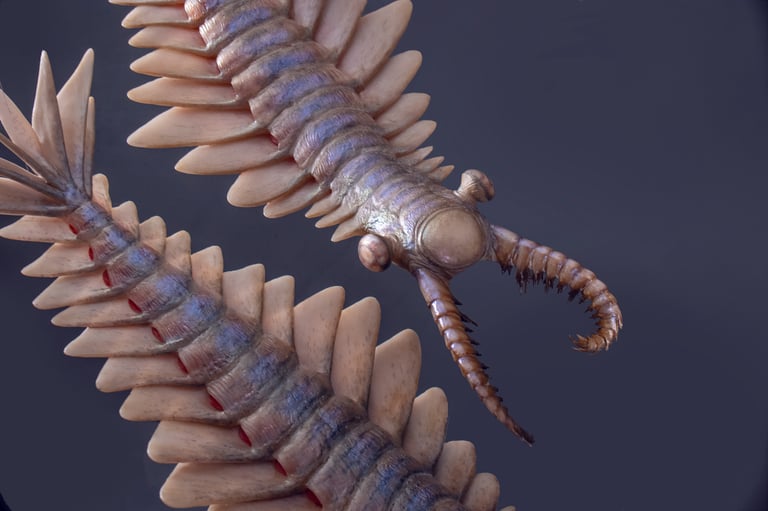
Sebastian Brandt’s exhibits are created on the basis of thorough research. With him, I know that every replica is developed in line with current scientific knowledge, with remarkable accuracy and genuine dedication.
Matthias Meier, director Natural History Museum St. Gallen (CH)
★★★★★
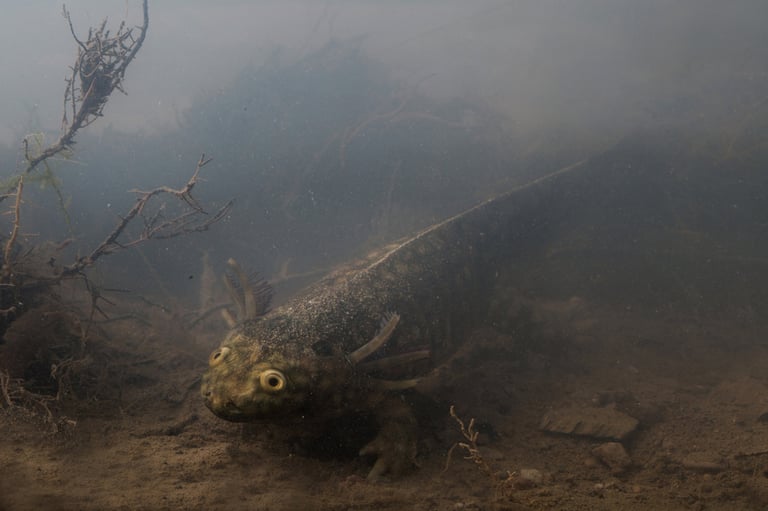
Permian amphibian model (Diplocaulus sp.)
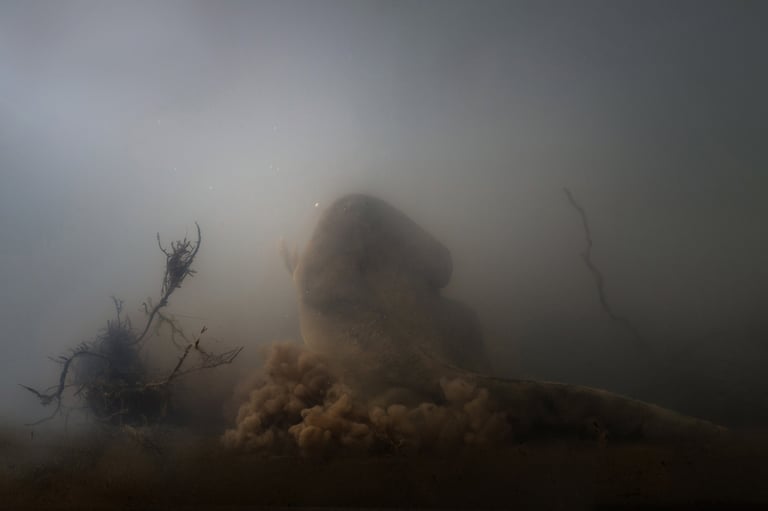
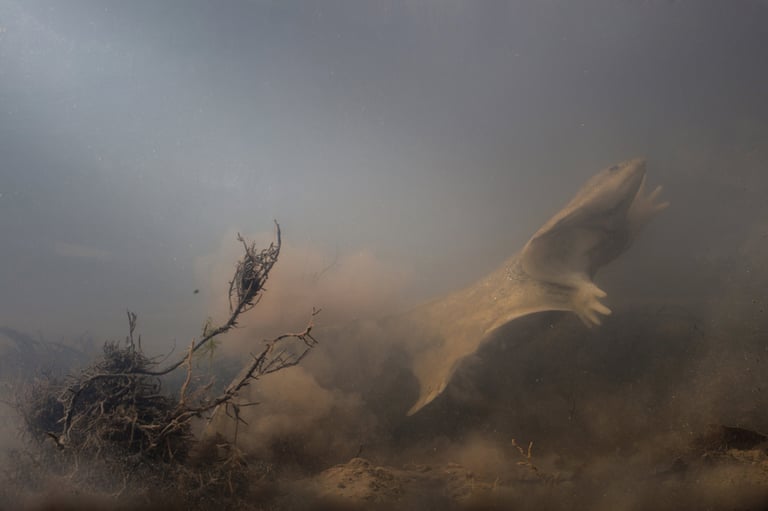
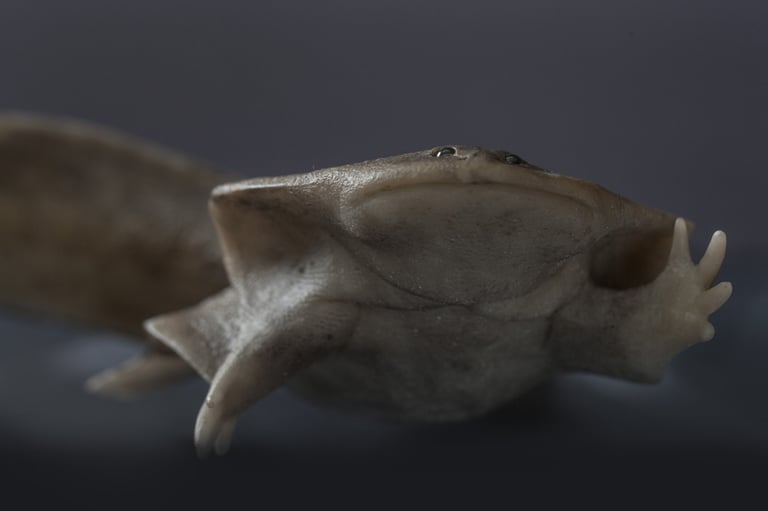
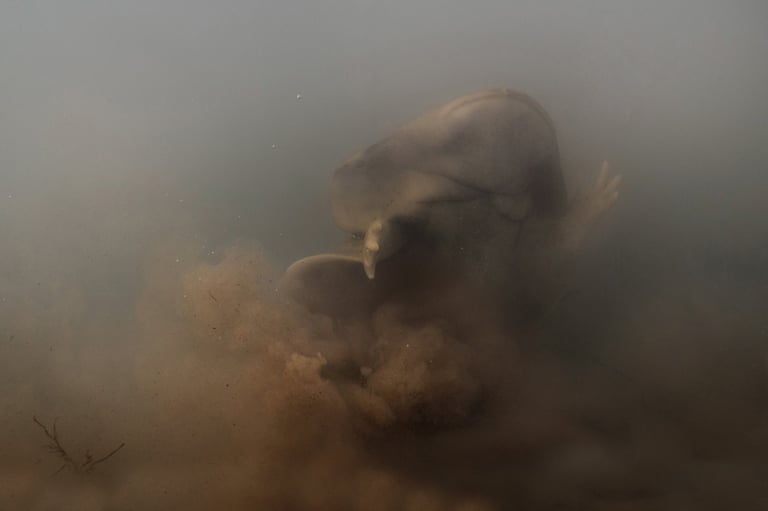
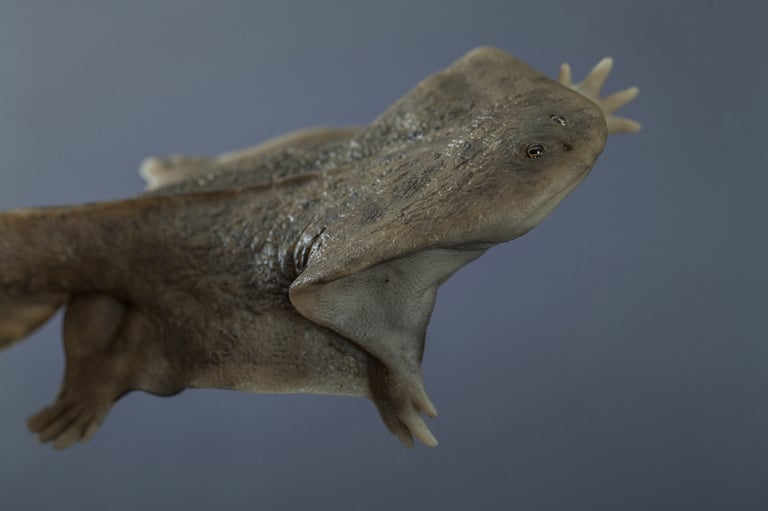
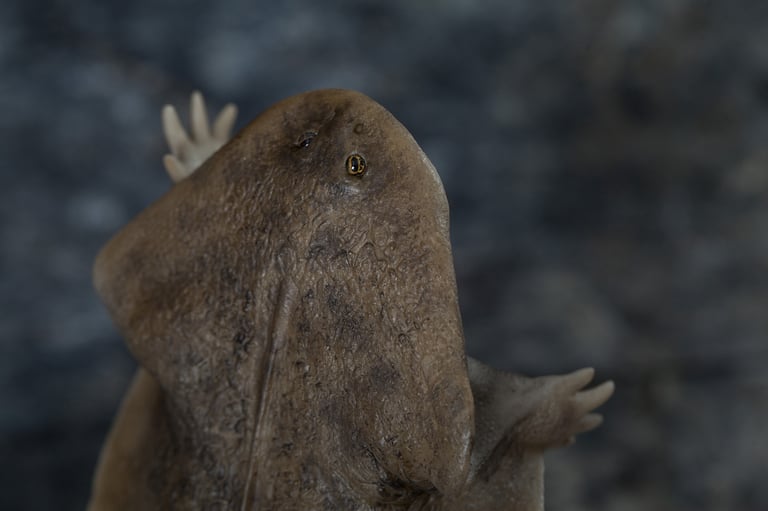
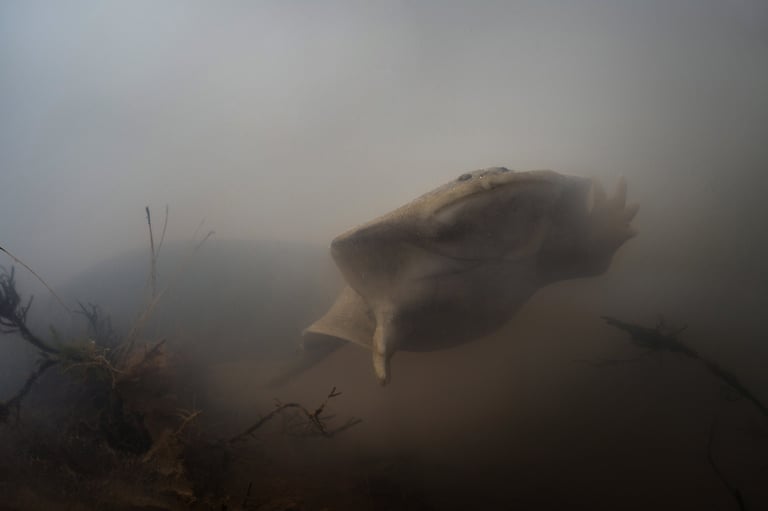
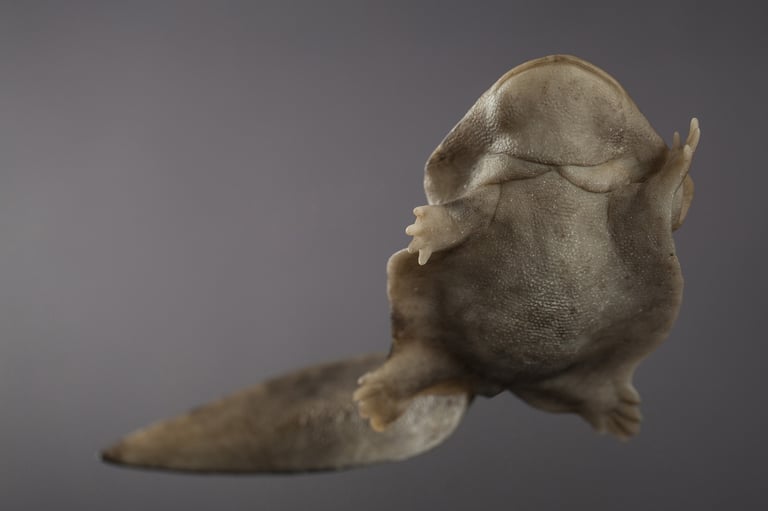
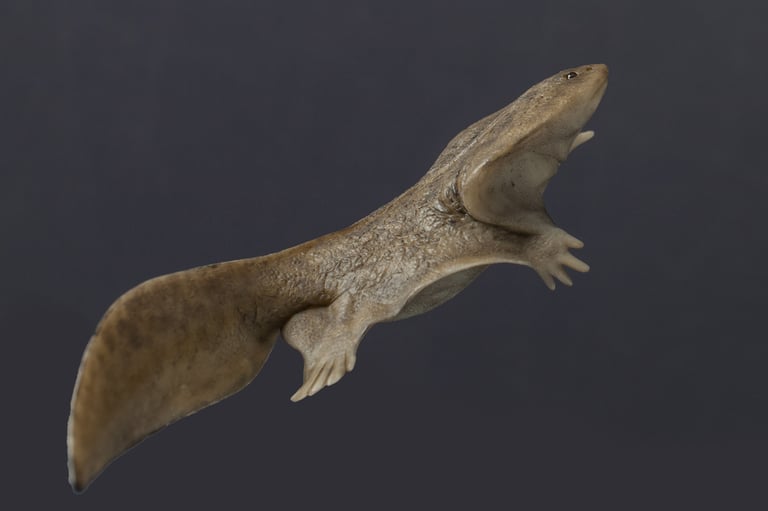
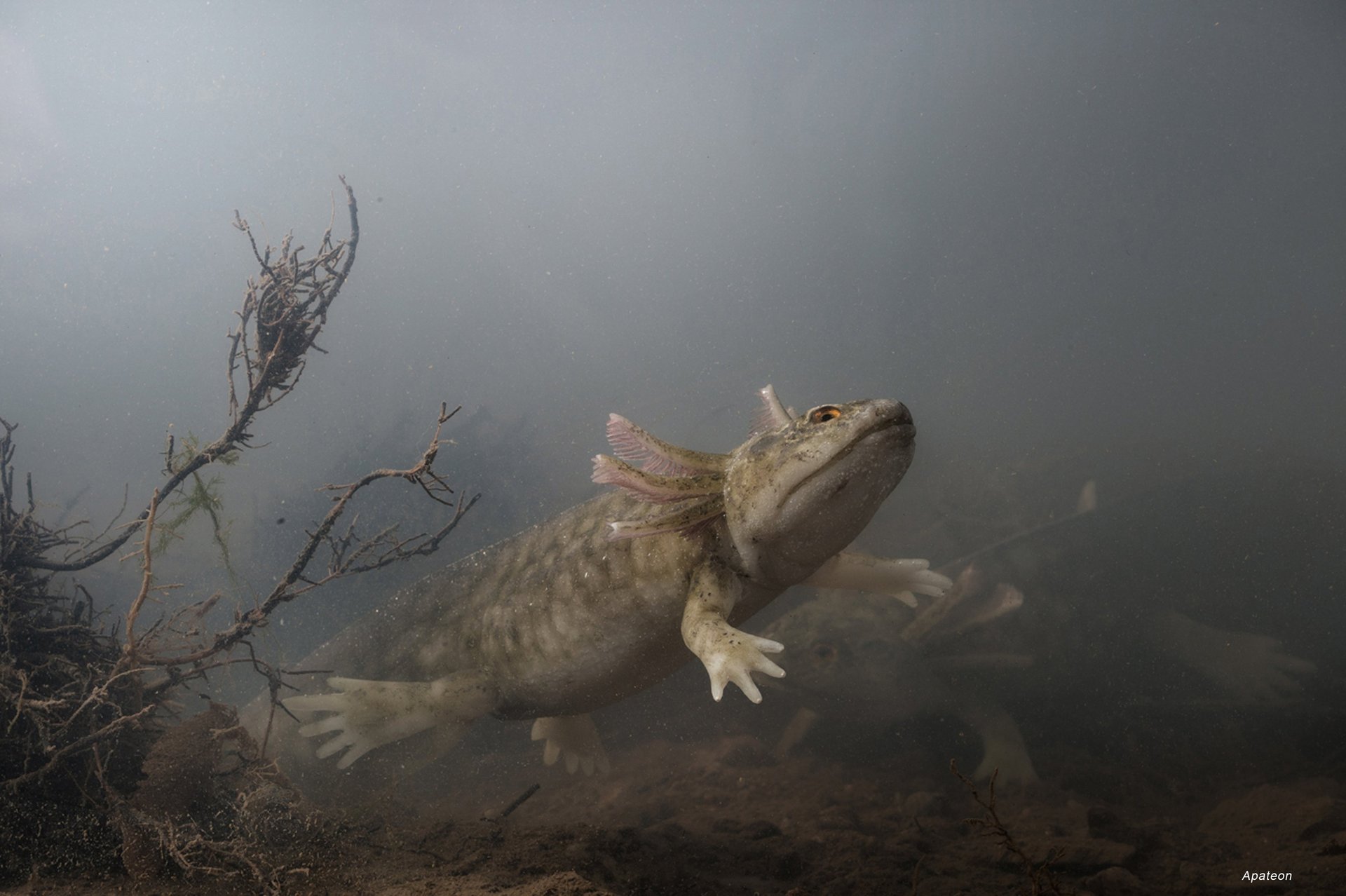
Permian branchiosaur model (Melanerpeton sp. & Apateon sp.)
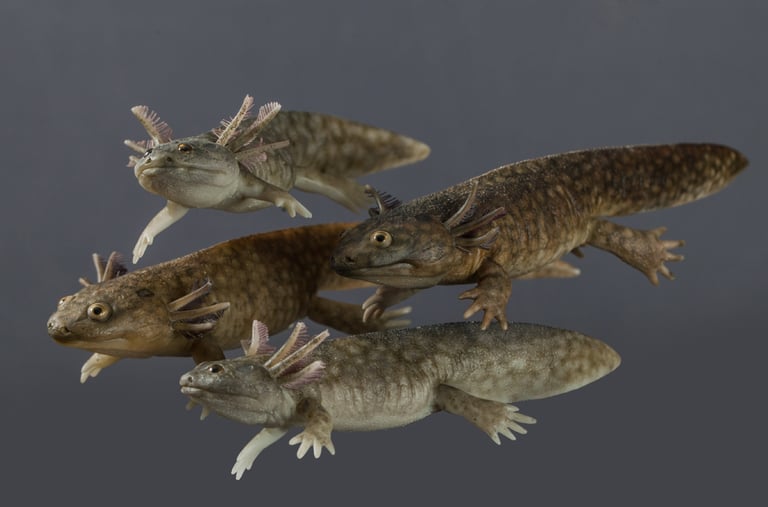
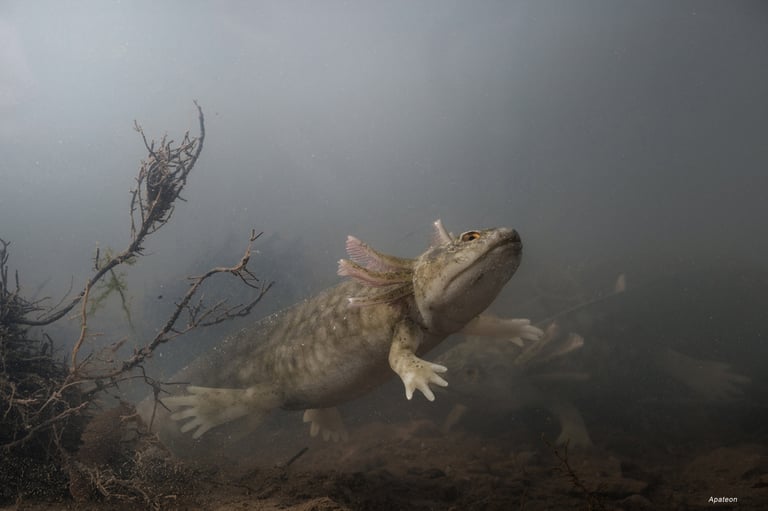
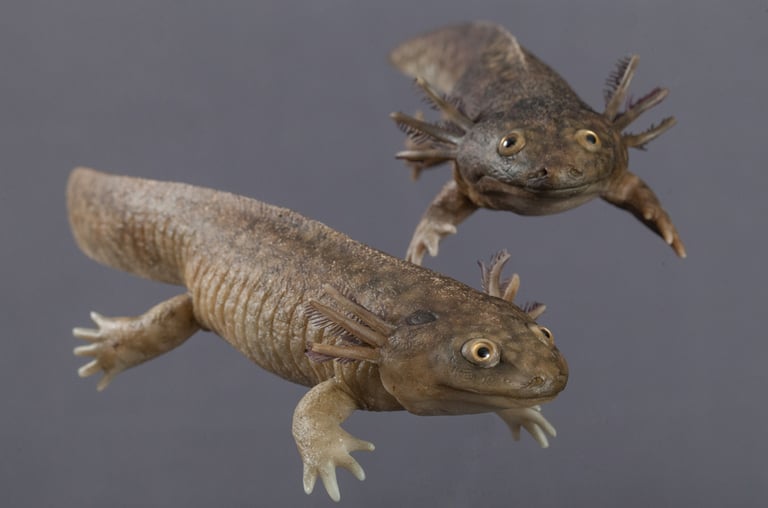
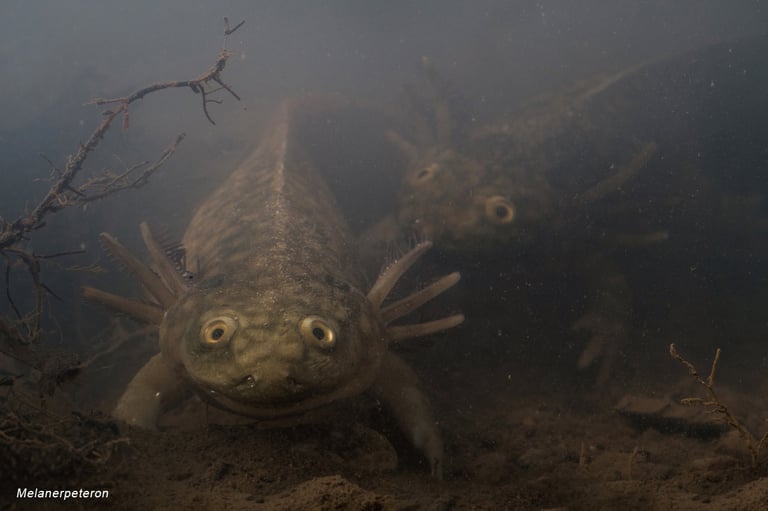
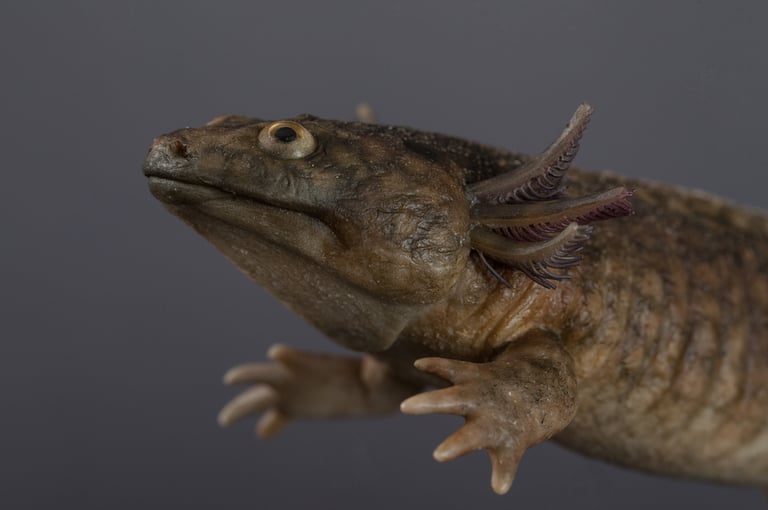
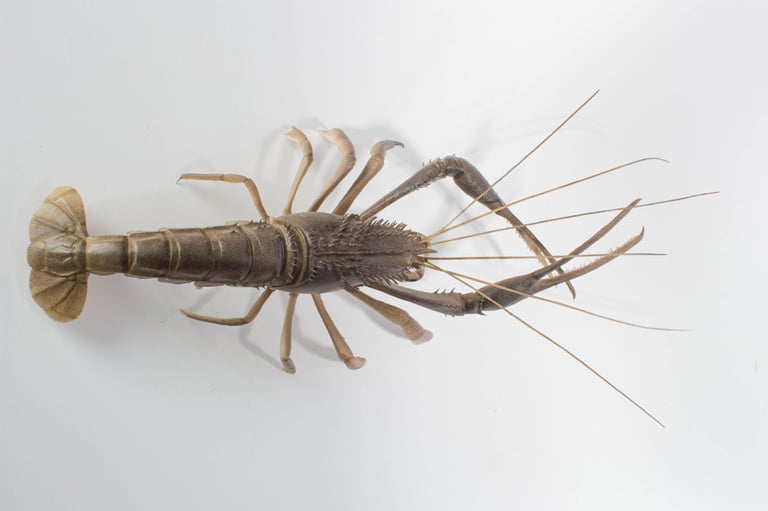
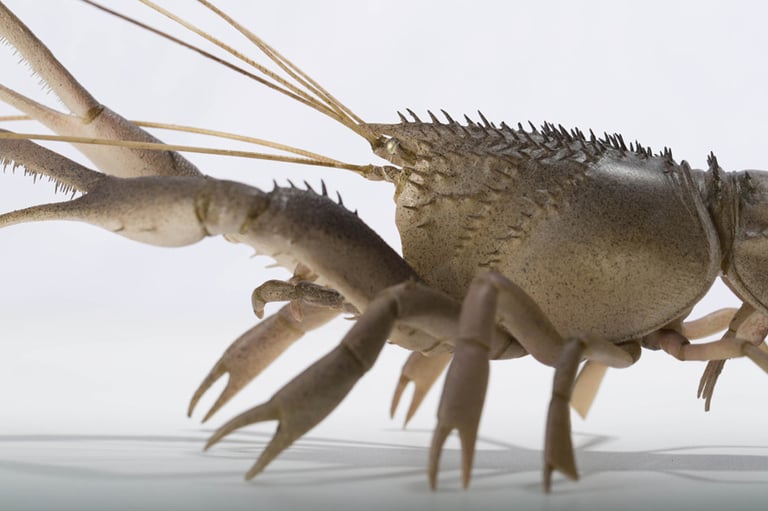
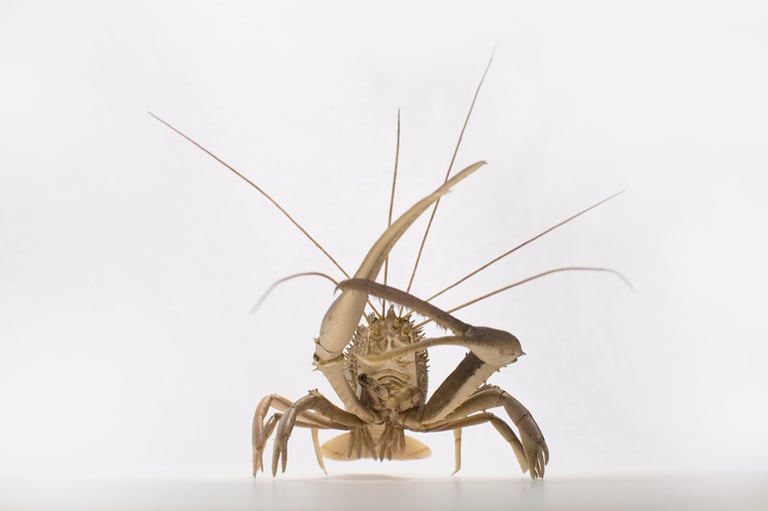
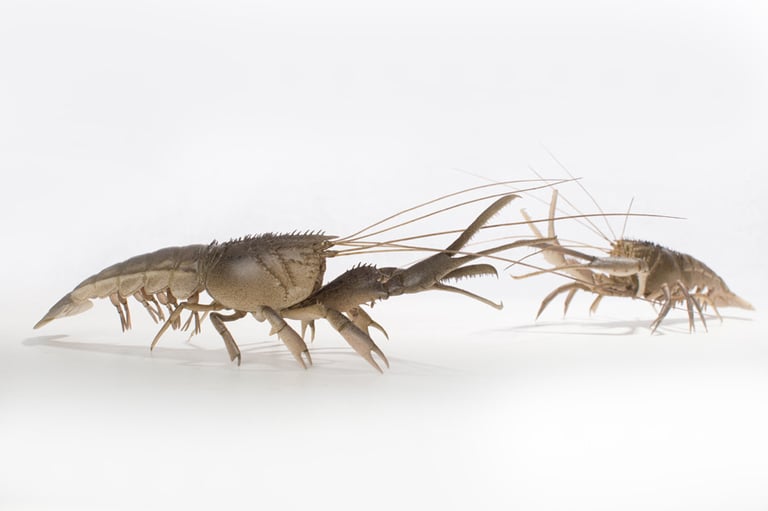
Triassic decapod model (Lissocardia silesiaca) Scale 3:1
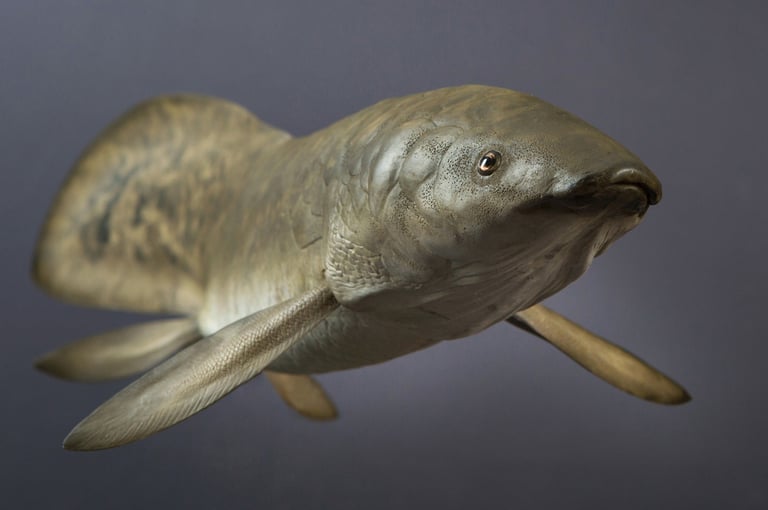
Triassic lungfish model (Ceratodus kaupi)
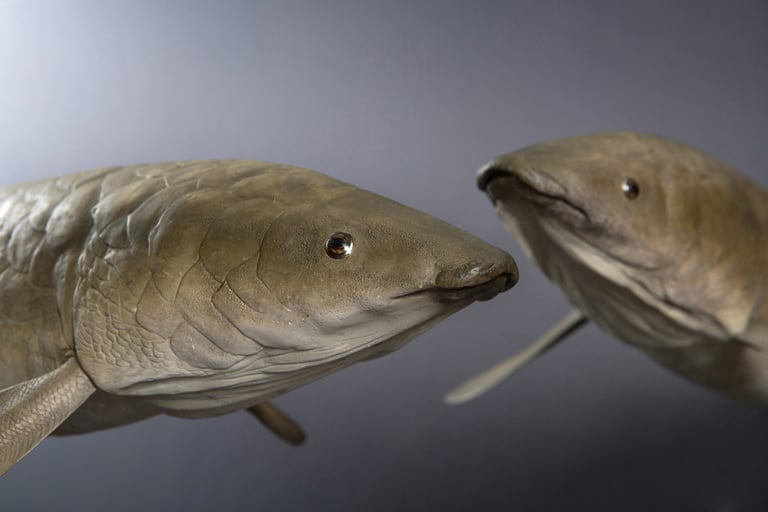
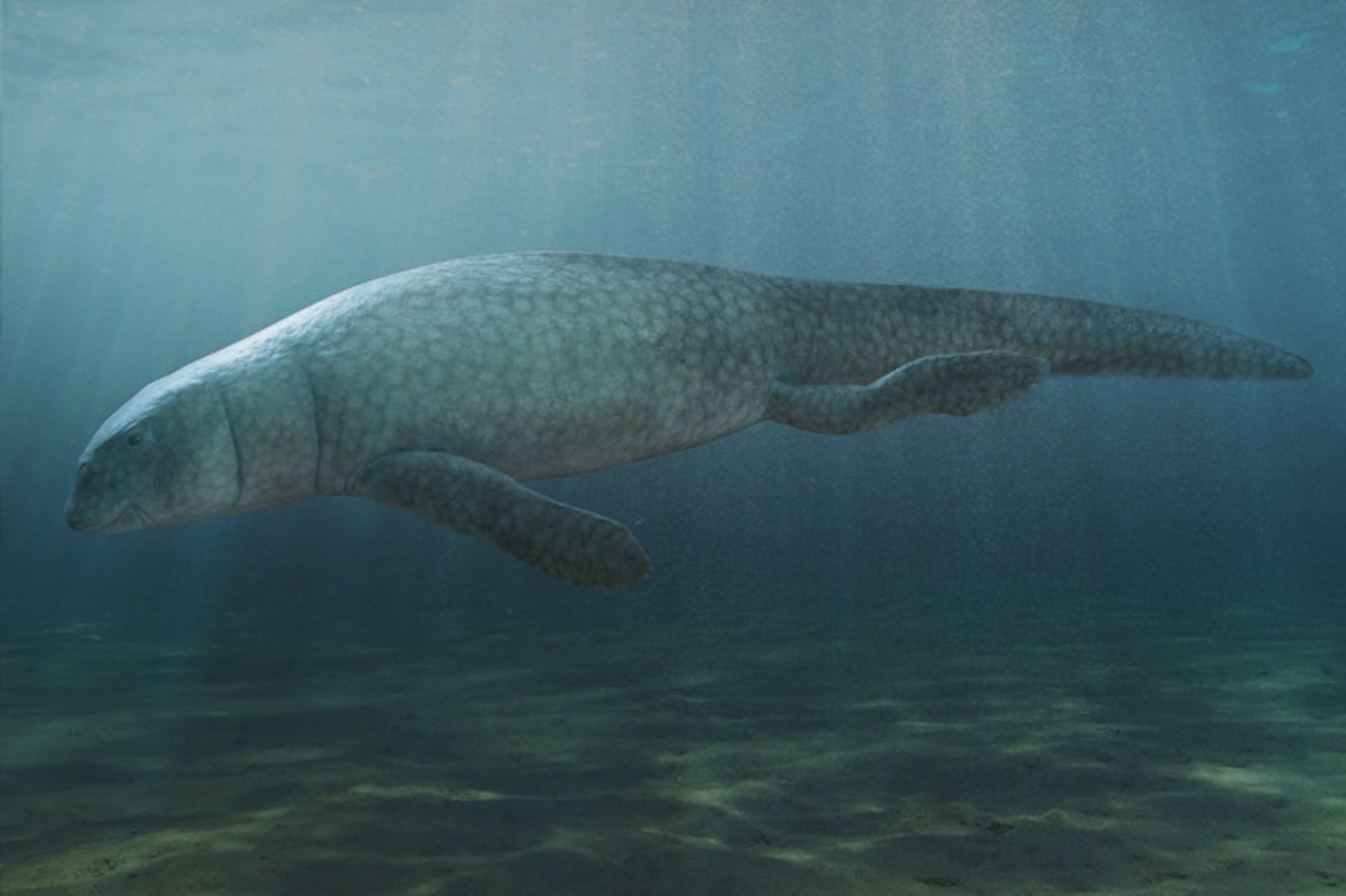
Triassic placodont model (Placodus gigas)
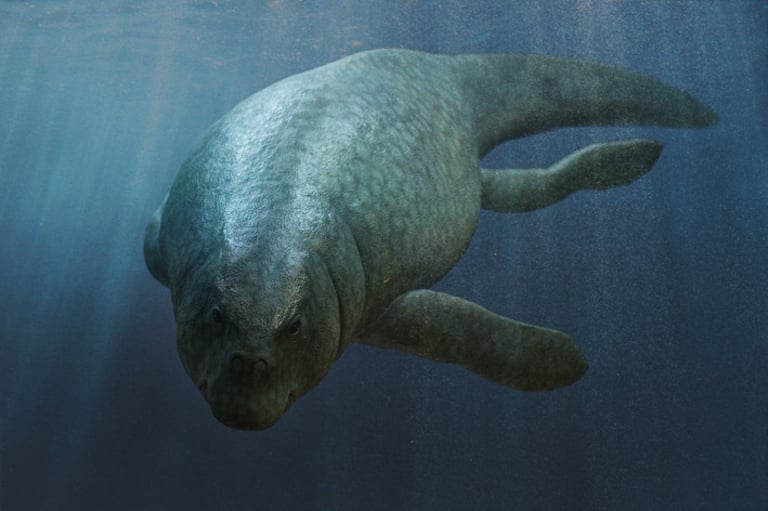
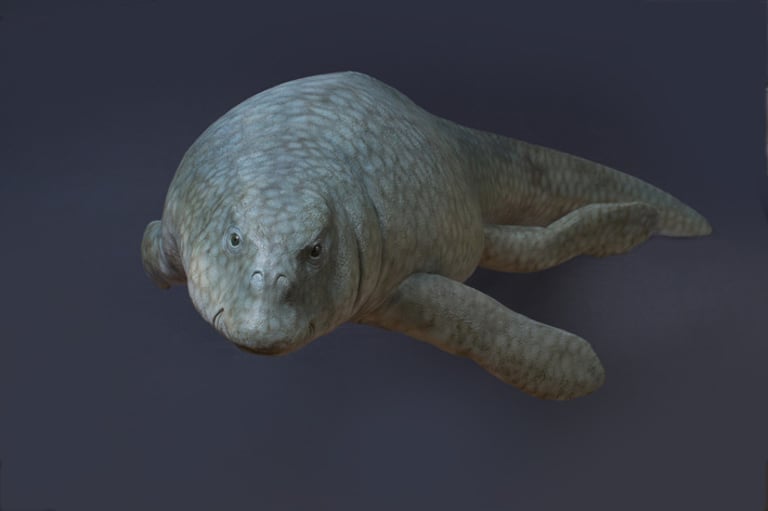
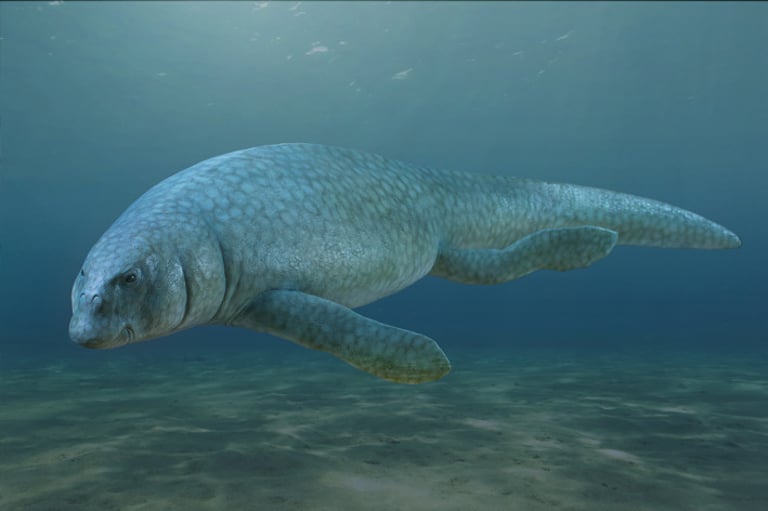
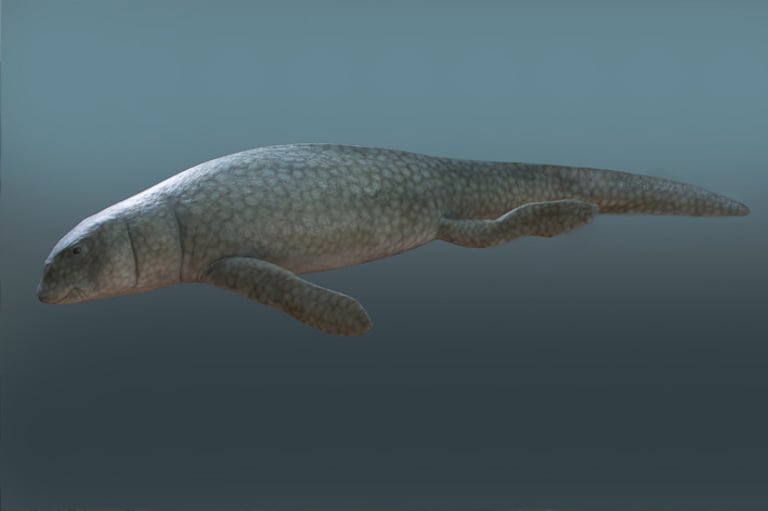
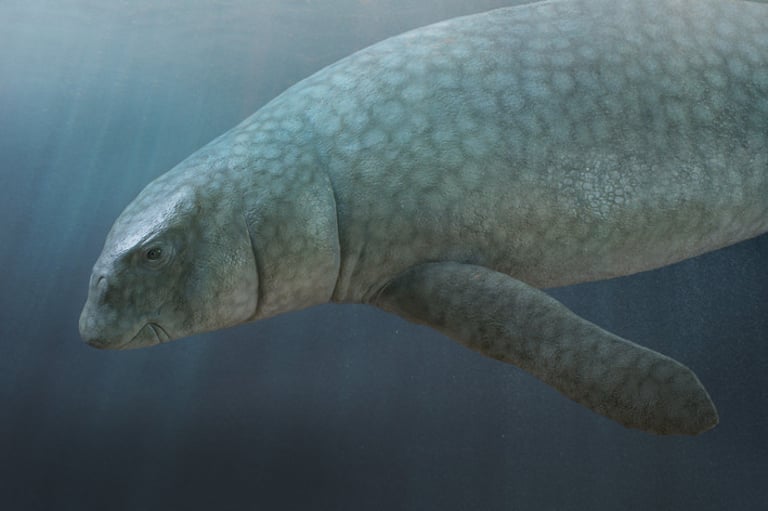
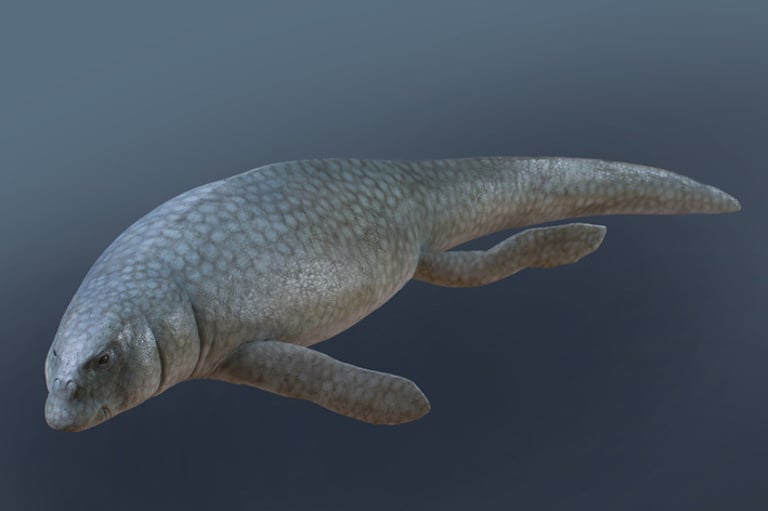
Triassic nothosaur model (Nothosaurus jagisteus)
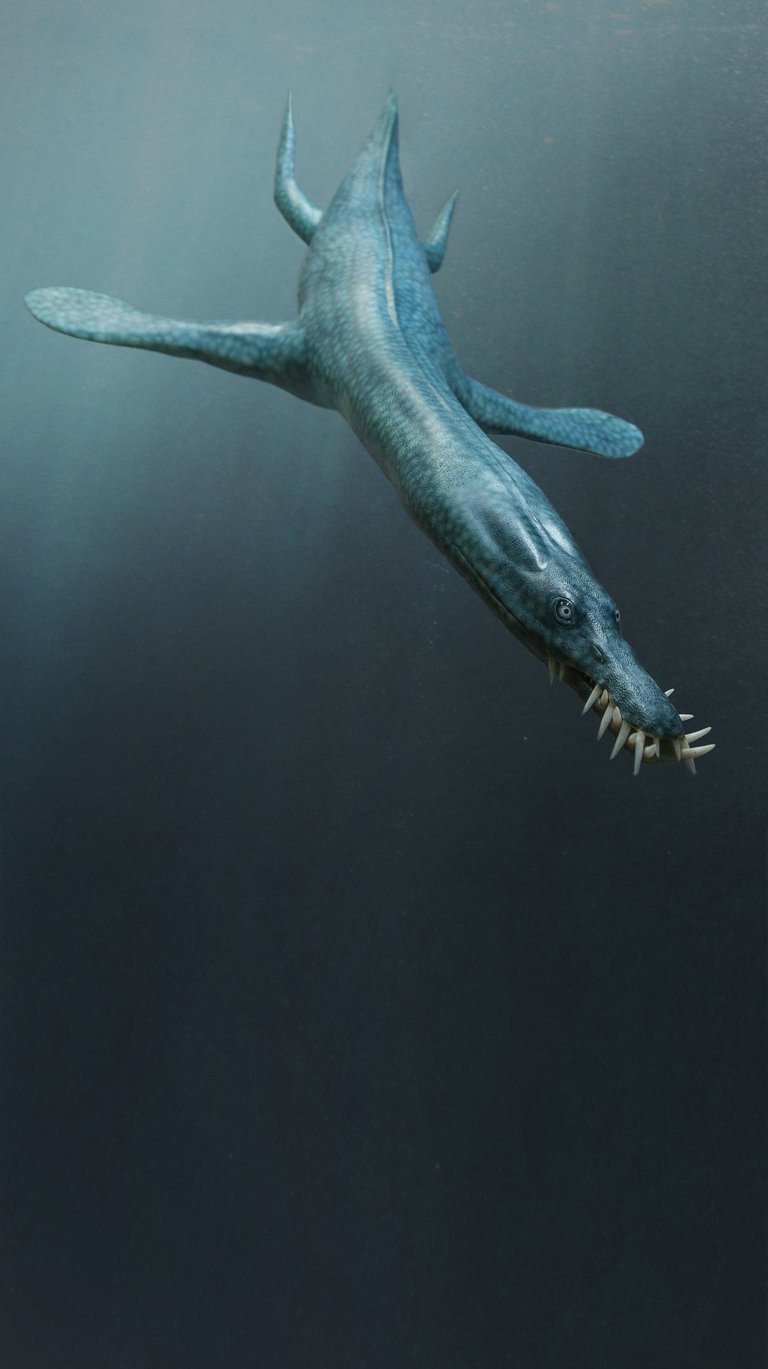
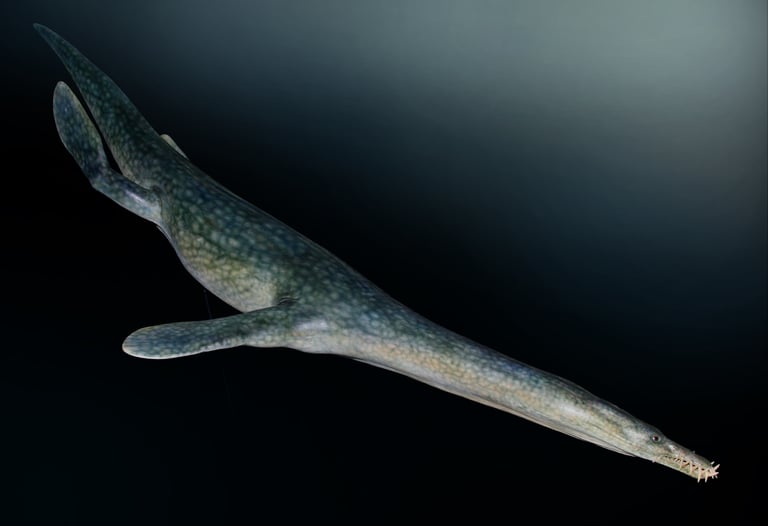
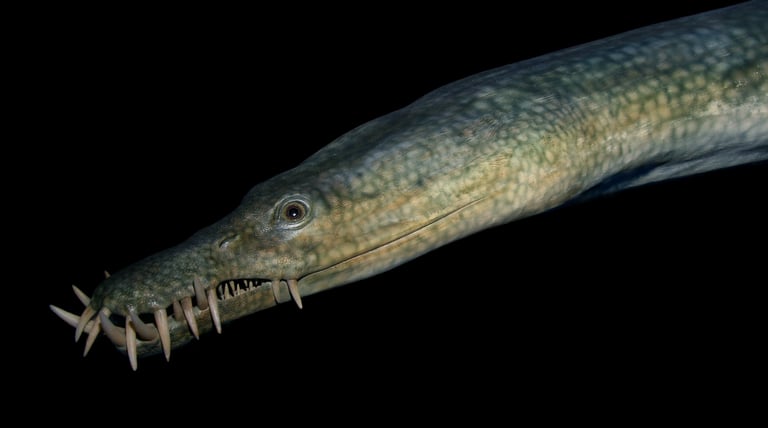
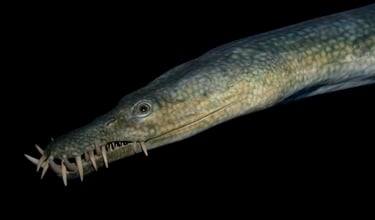
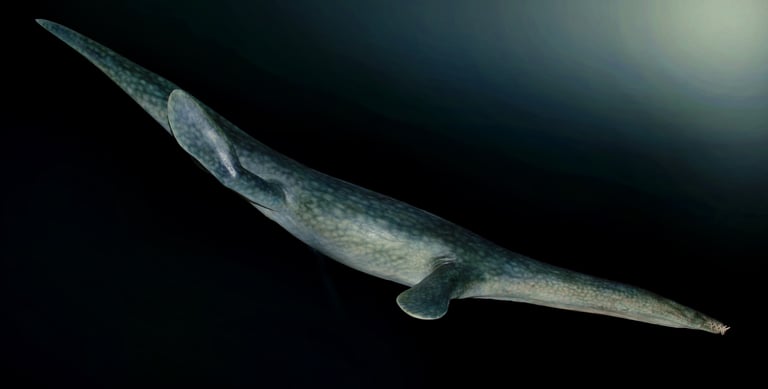
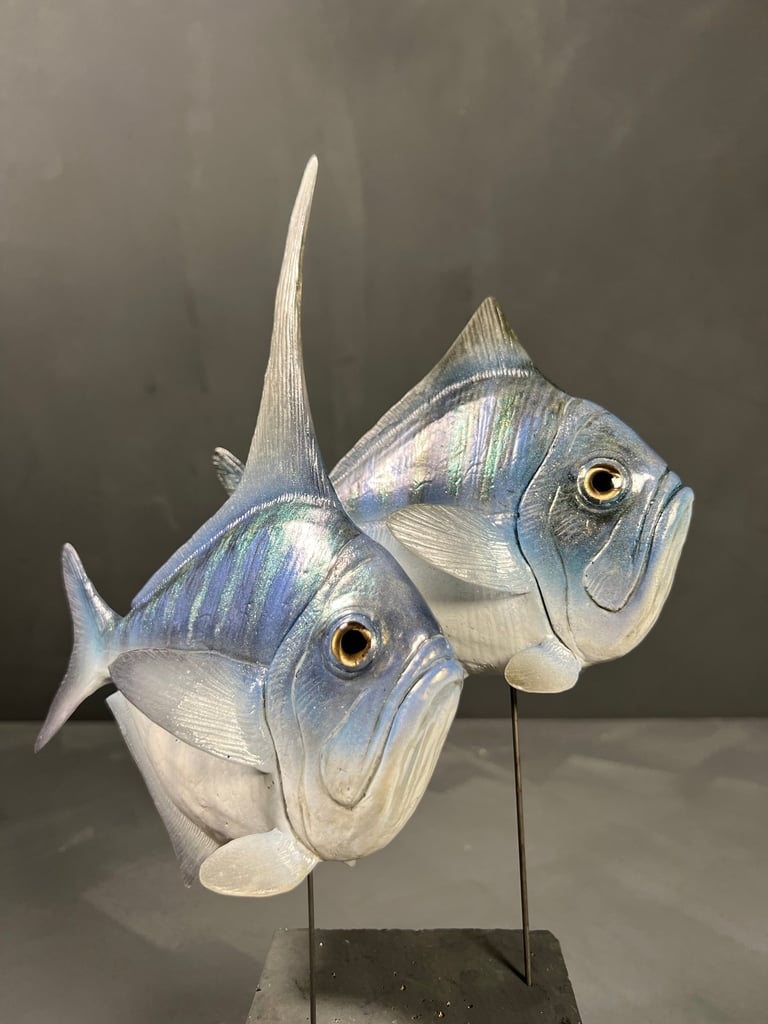
Triassic fish model (Saurichthys sp.)
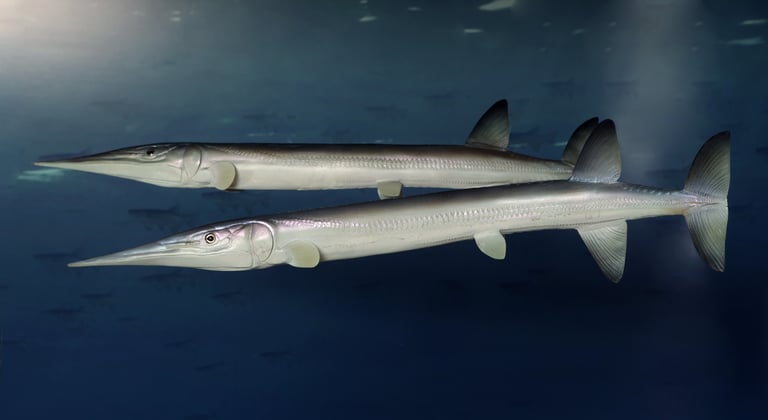
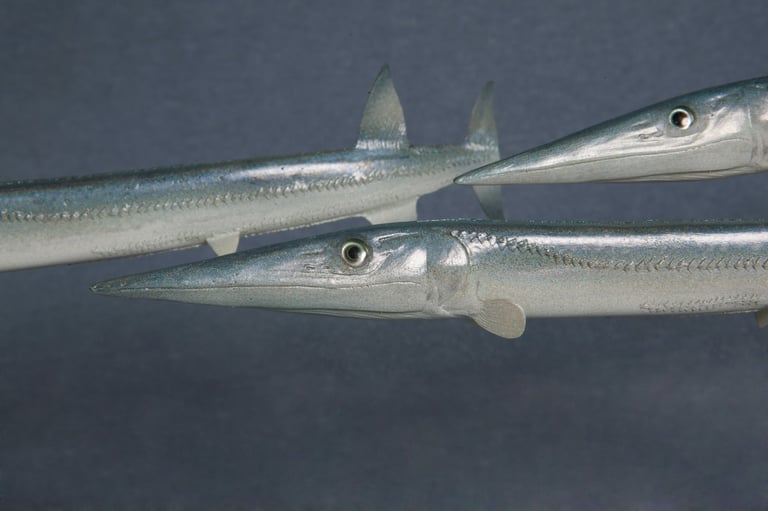
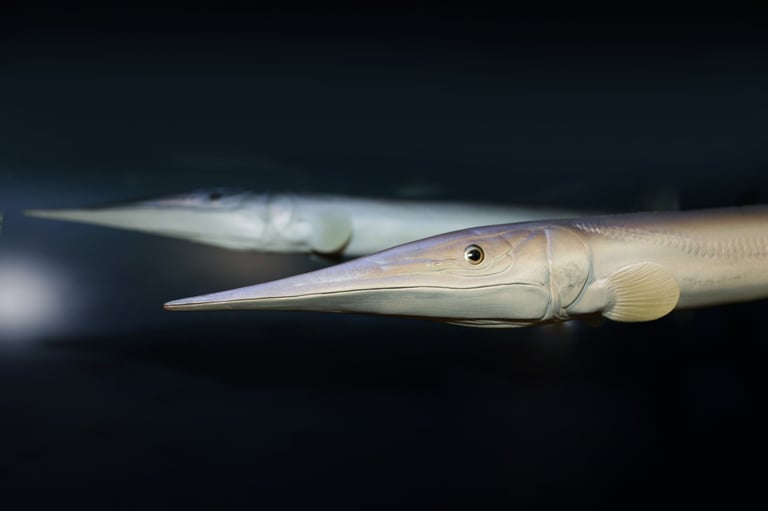
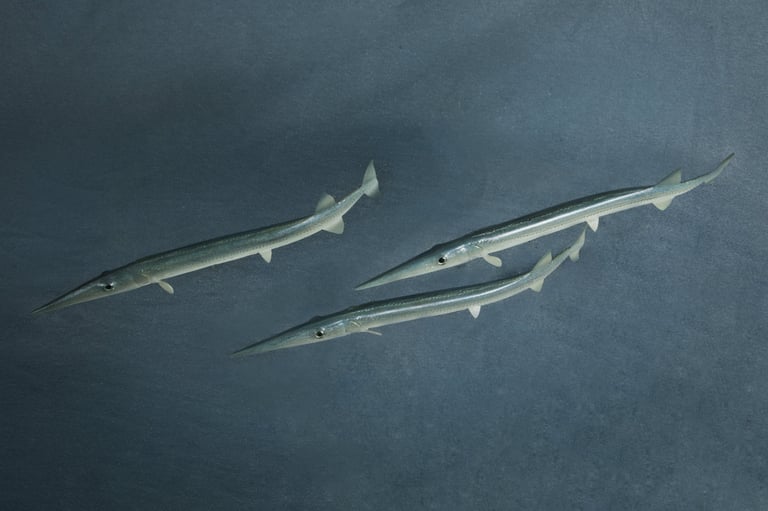
Triassic fish models (Gyrolepis sp., Dollopterus sp., Eosemionotus sp., Whiteia sp )
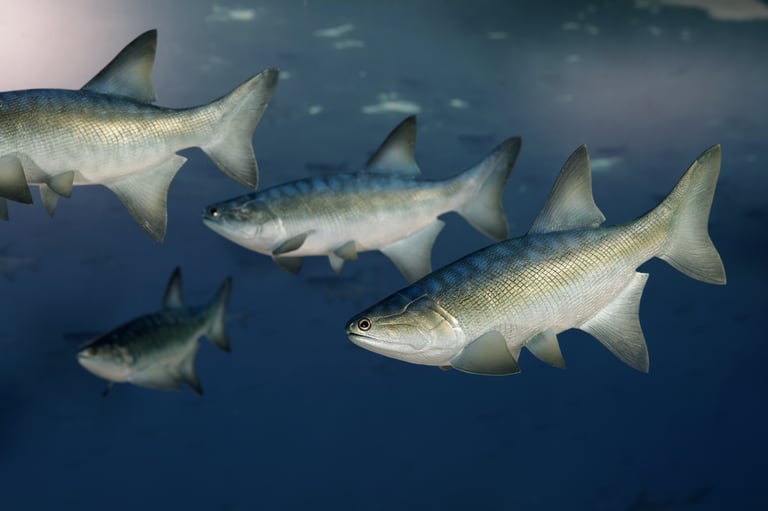
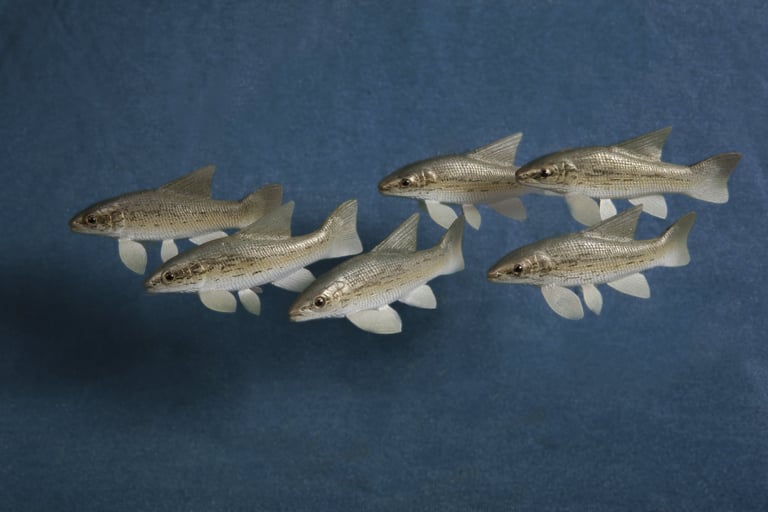
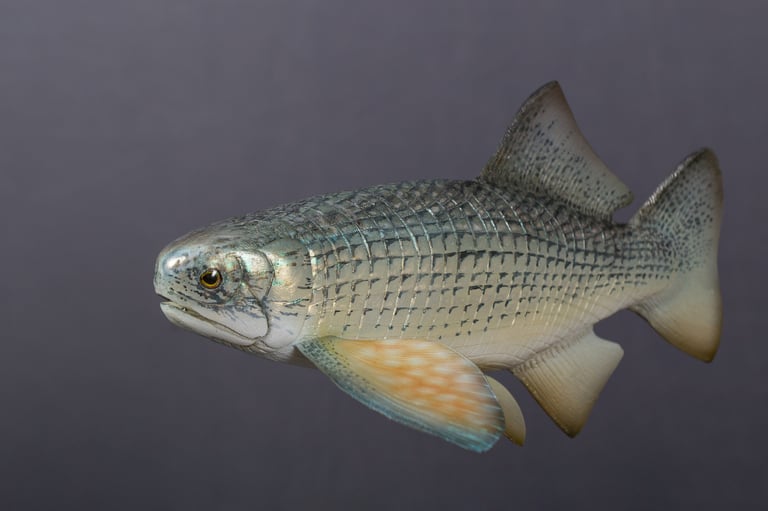
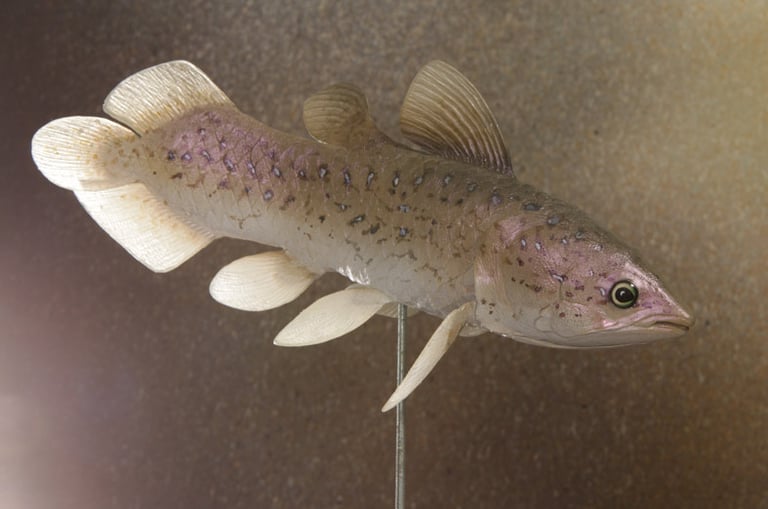
Permian fish models (Dorypterus sp., Platysomus sp., Hopleacanthus sp. )
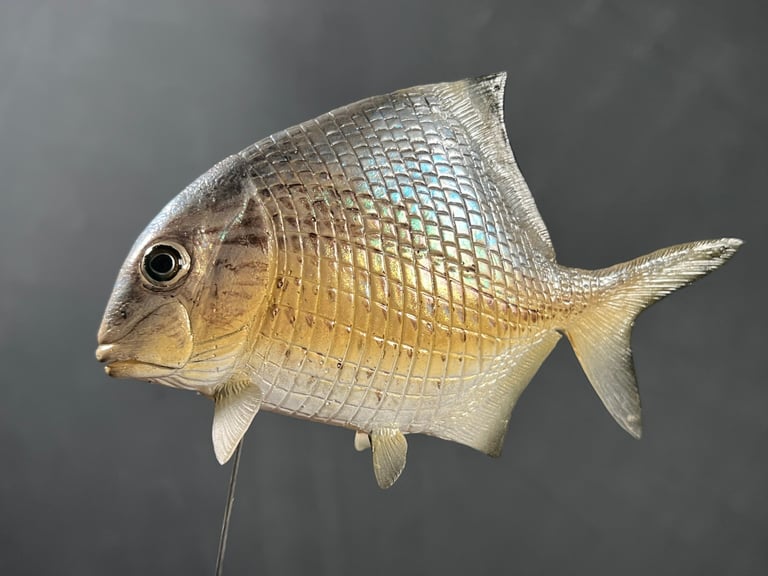
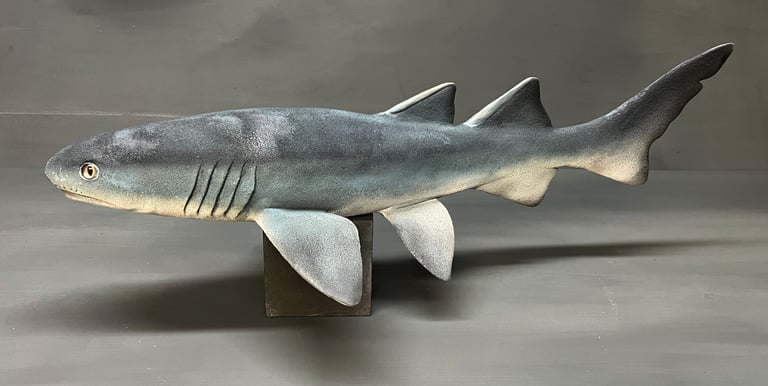
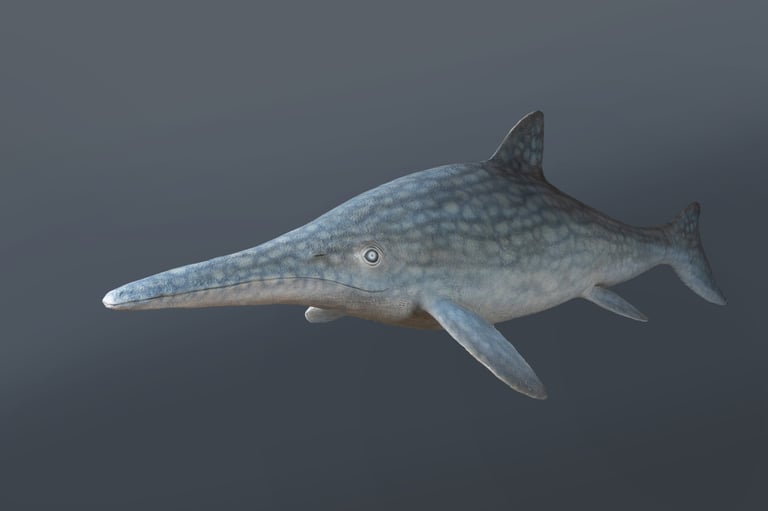
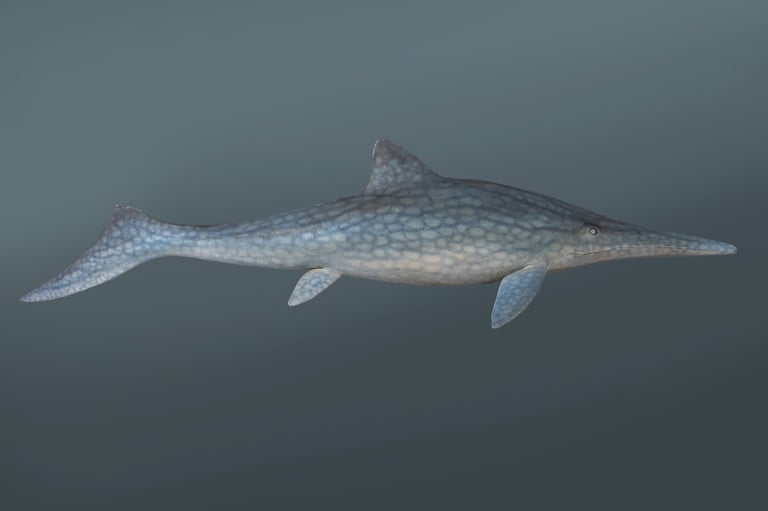
Triassic ichthyosaur model (Mixosaurus sp. )
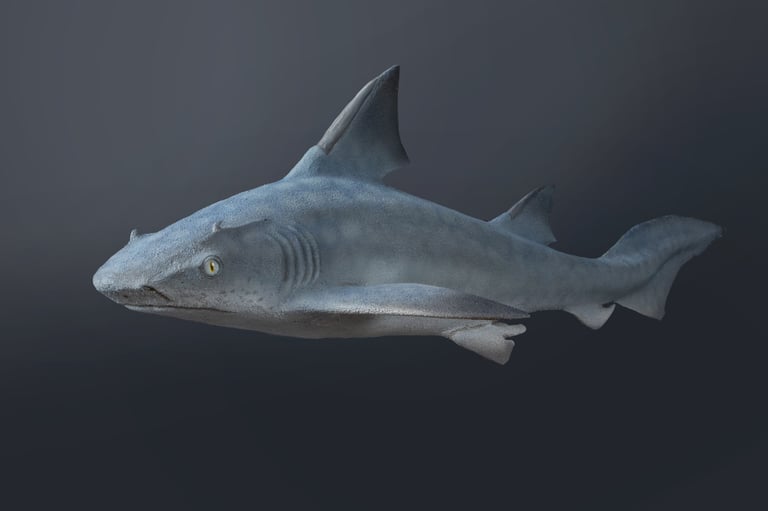
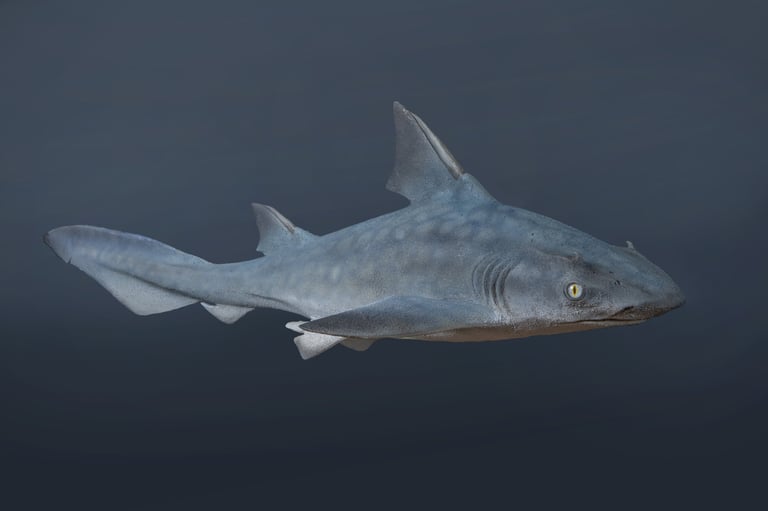
Triassic shark model (Hybodus sp. )
Ten-armed Triassic sea lily model (Encrinus liliiformis)
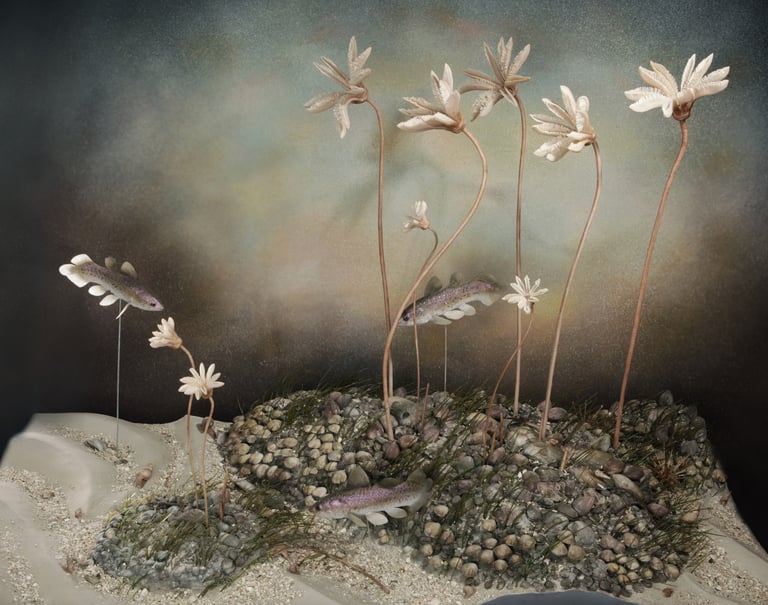
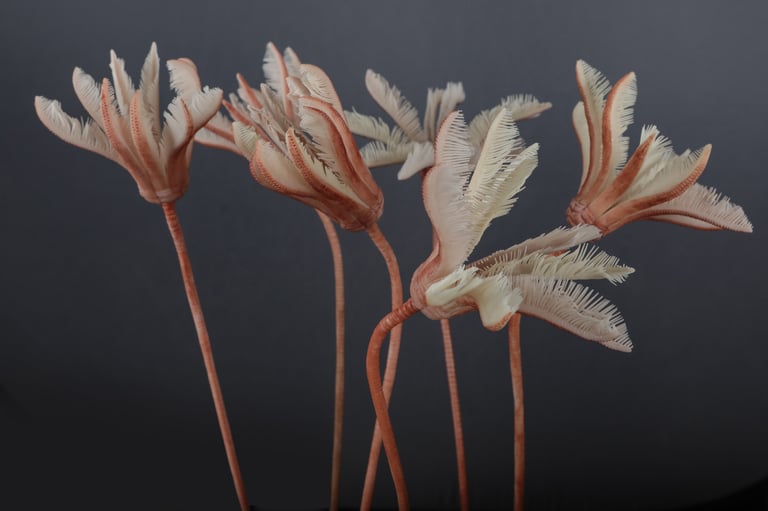
Twenty-armed Triassic sea lily model (Chelocrinus carnalli)
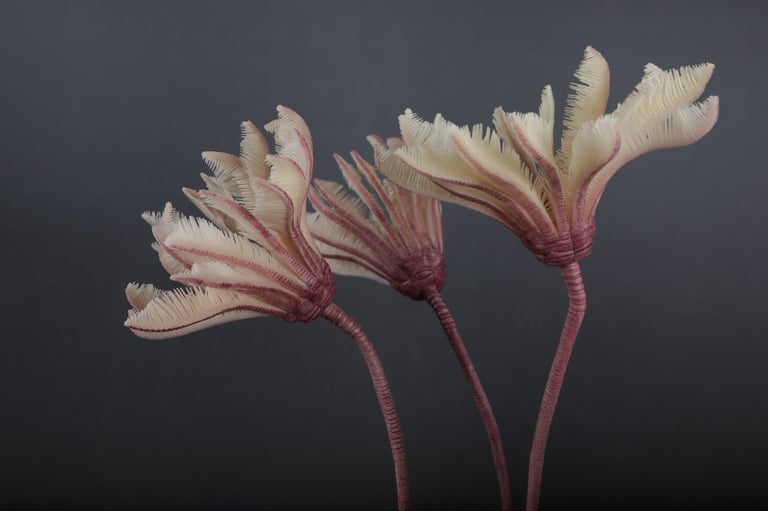
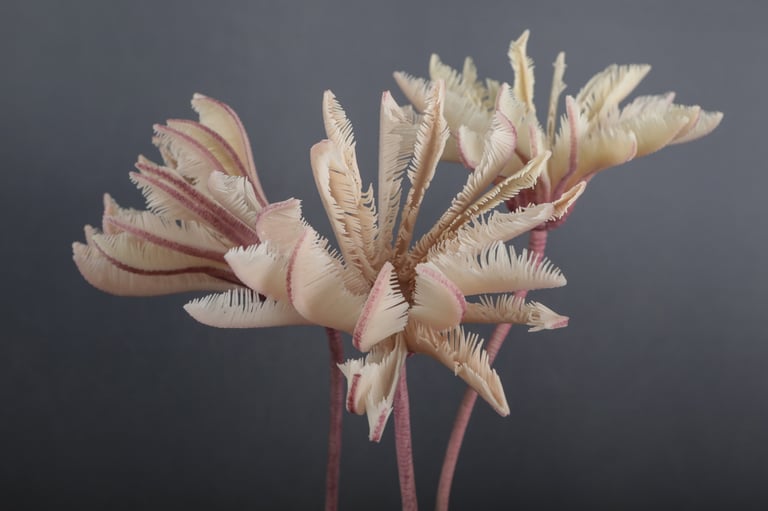
Cirrate Triassic sea lily model (Holocrinus sp.)
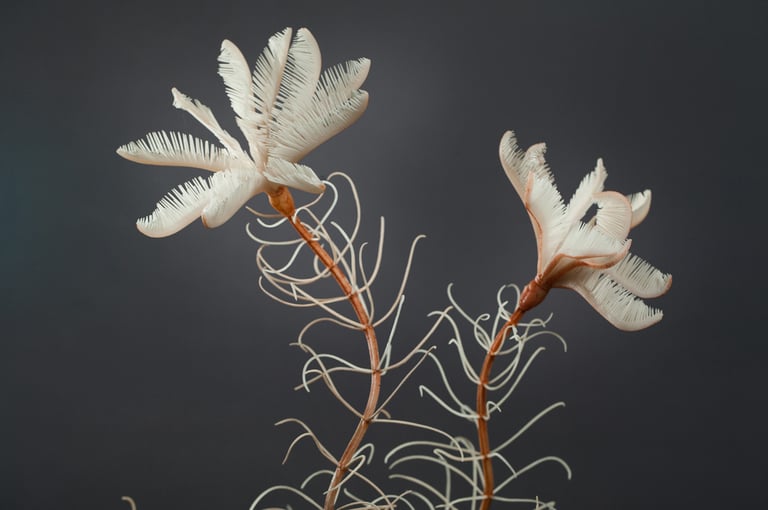
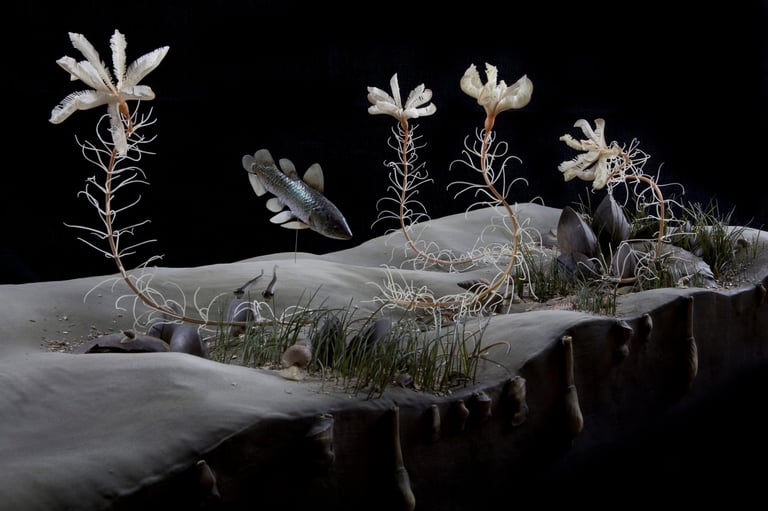
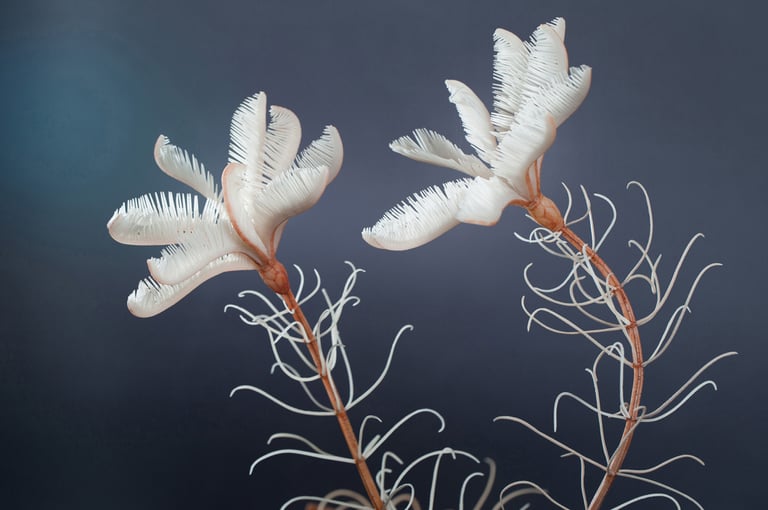
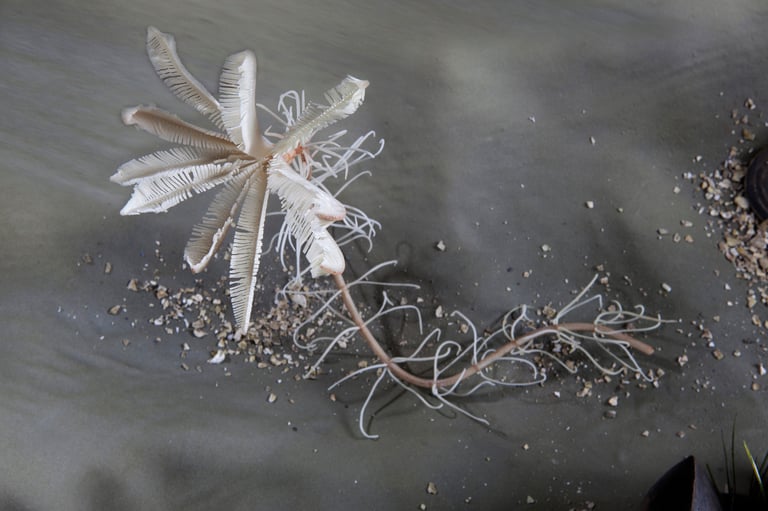
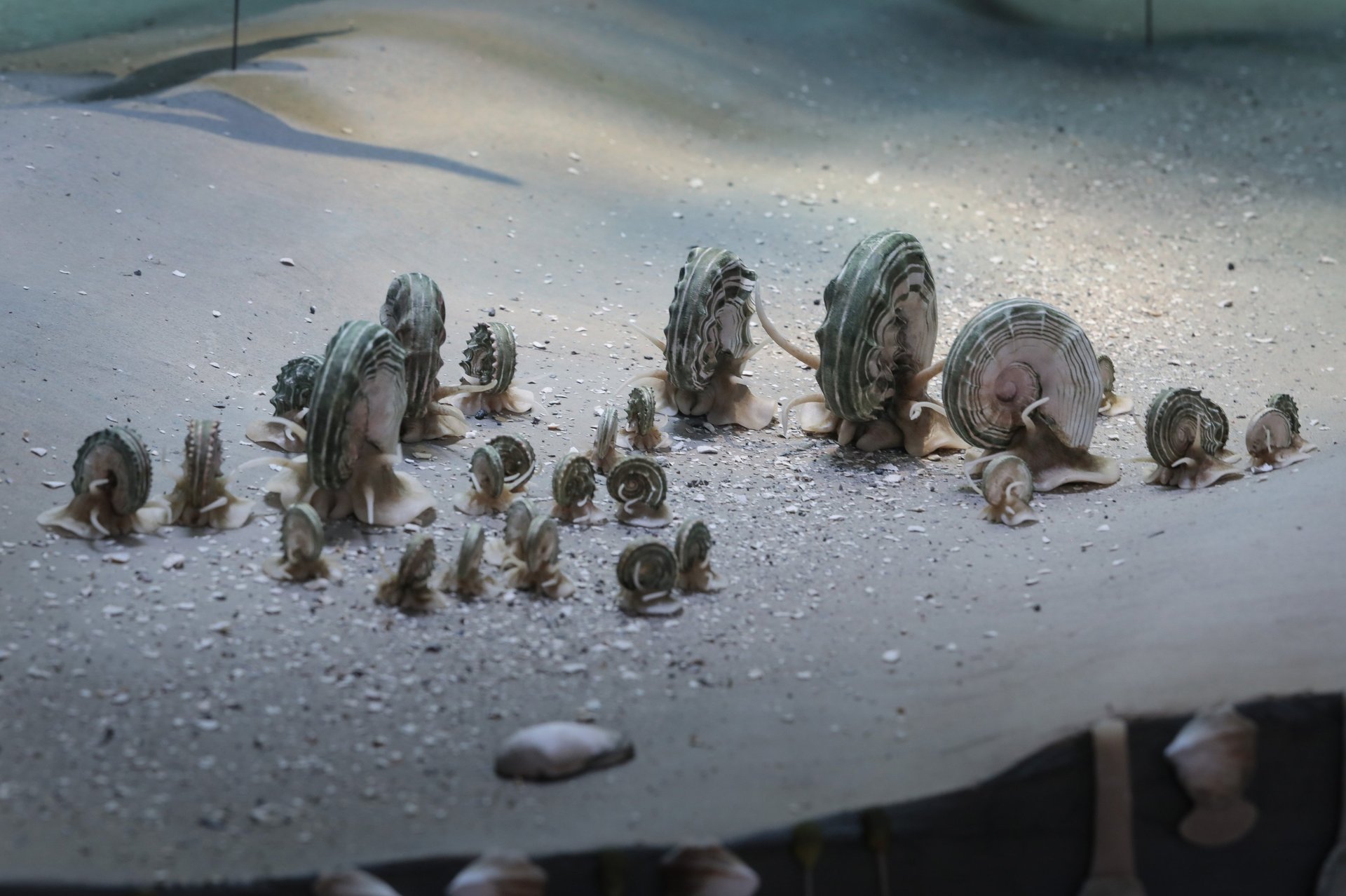
Triassic ammonite models (Ceratites nodosus - Chronospezies C. evolutus & C. spinosus)
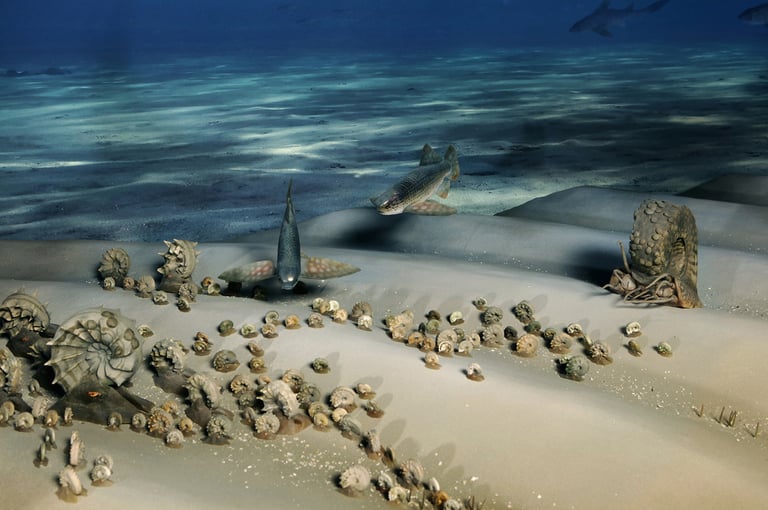
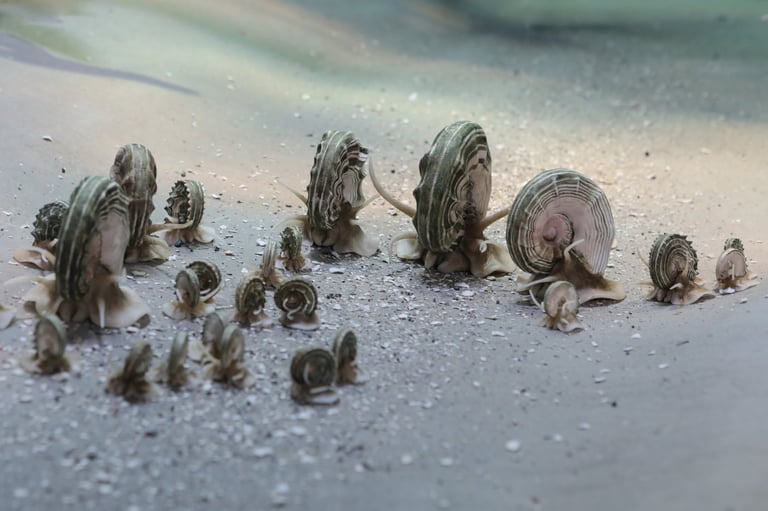
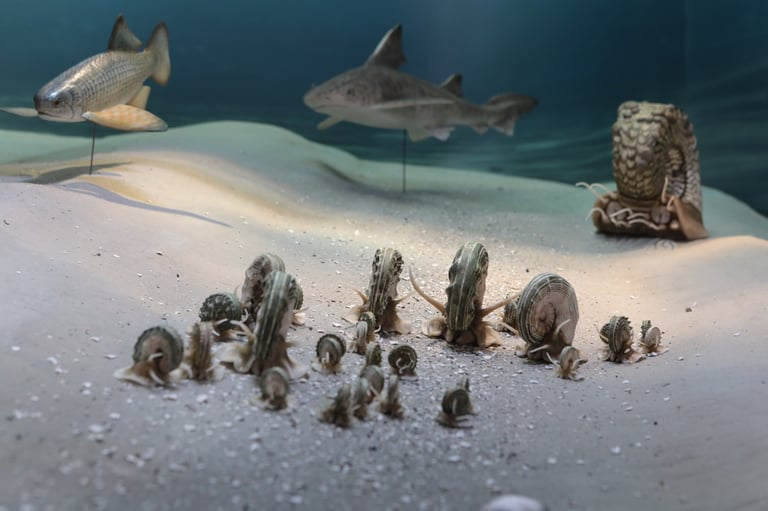
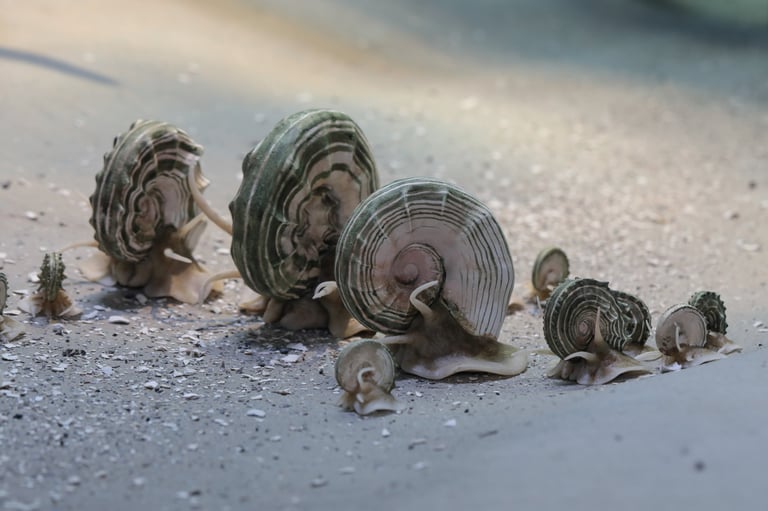
Further insights on Ceratites here
Sebastian’s reconstructions follow a rigorous scientific approach—free from traditional, unverified assumptions. They are based on clear evidence, actualistic analyses, and exceptional artistic mastery. As a result, his works possess a remarkable and compelling authenticity.
Siegfried Rein, Natural History Museum Erfurt
★★★★★
Download the species list, species catalogue, and module catalogue here