

Habitat/Diorama
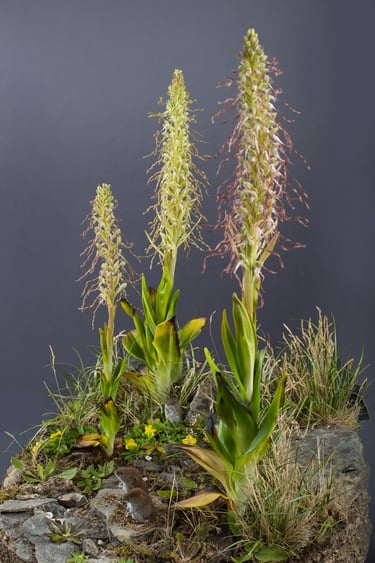
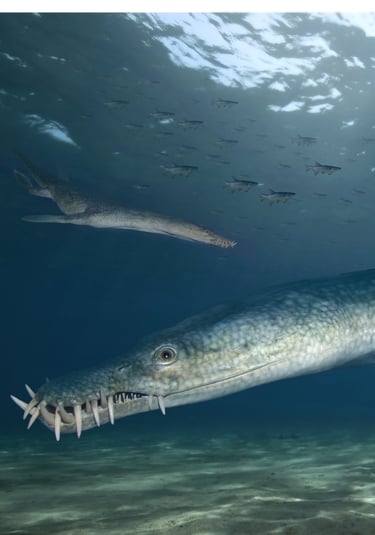
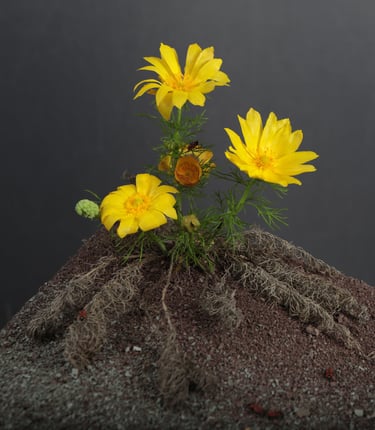
Biodiversity and evolution arise from the finely balanced interaction of countless species within an ecosystem. These complex biological relationships form the foundation of life, yet they often remain invisible.
Reco-Brandt’s habitat models make this hidden network visible and spatially accessible. An innovative production approach results in compelling, visually striking exhibits that communicate ecological relationships with clarity and immediacy.
Each model presents a habitat as an authentic snapshot. Flora and fauna are shown through a unique combination of true-to-nature resin models and high-quality taxidermy. At close range, structures, interactions, and details become visible, from the individual organism to the interconnected system as a whole.
A new level of understanding emerges. Not through abstraction, but through observation and self-discovery. This direct experience forms a foundation for contemporary conservation and sustainable thinking.
From present-day environments to prehistoric landscapes, every habitat is based on careful scientific research and close collaboration with specialists in biology, botany, ecology, geology, and paleontology.
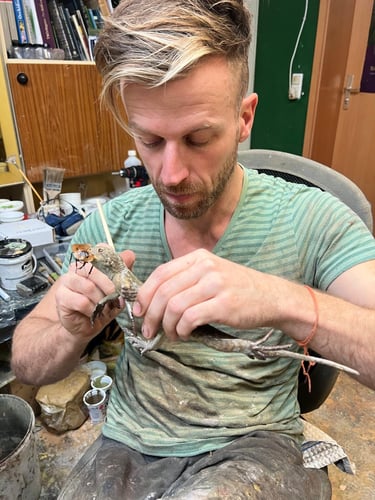
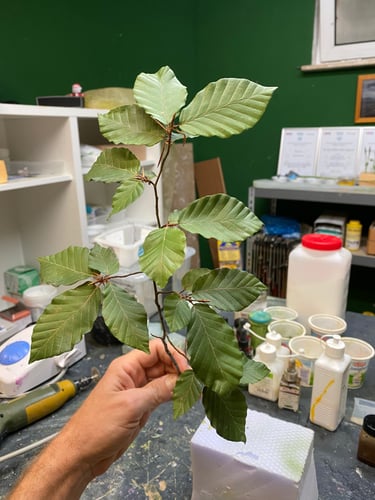
All models are entirely hand-made. Every detail is precisely crafted, carefully colored, and consistently aligned with its natural reference.
The result is a lasting, true-to-nature section of a real habitat. Unique exhibits that combine scientific accuracy with strong visual impact, making research visible and nature directly experienceable.
Download species list, species catalogue, and module catalogue
Revealing the complexity of nature
Example habitat dioramen exhibits
Examples of available life-size (1:1) habitat models in resin and mixed materials
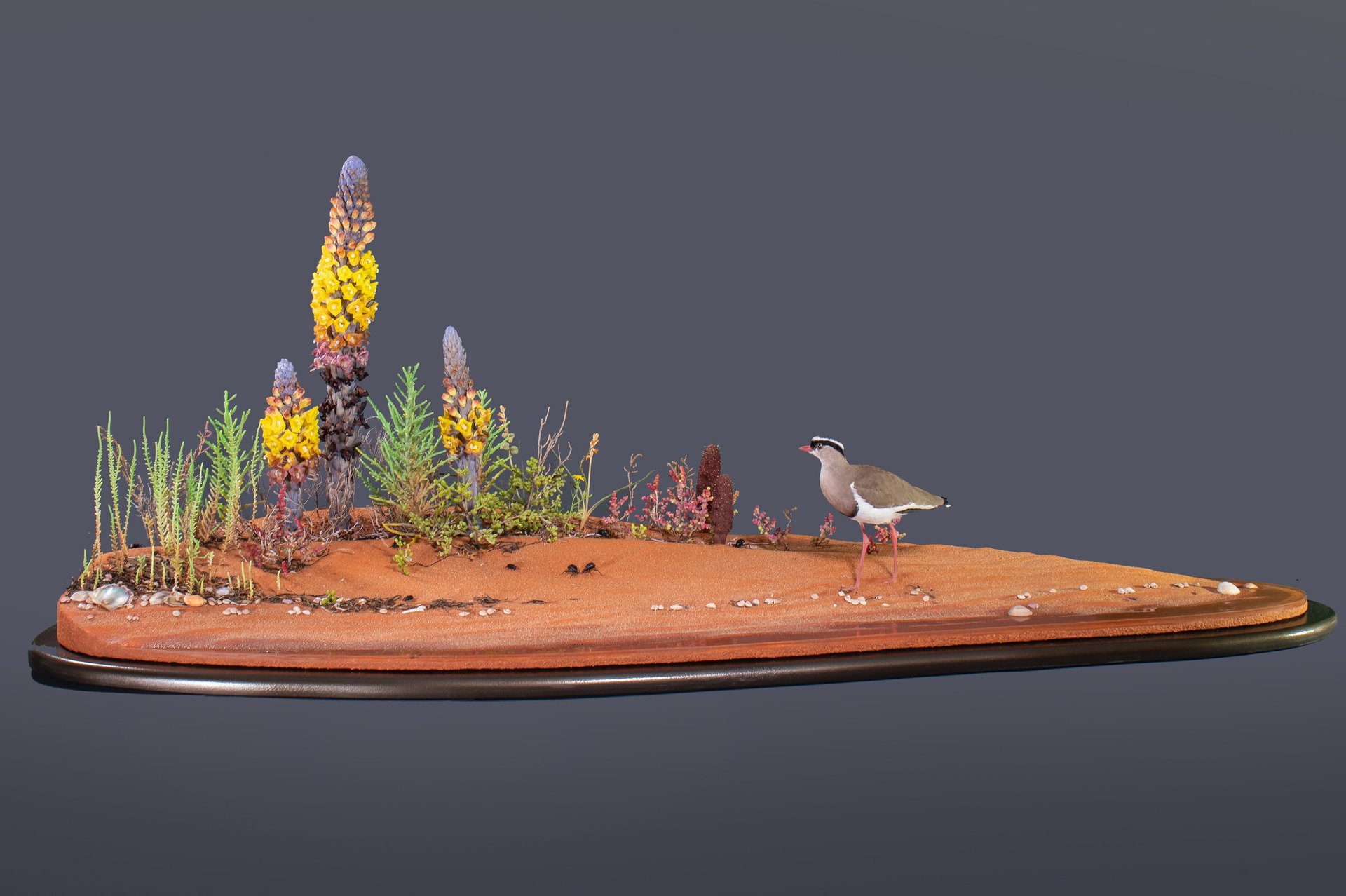
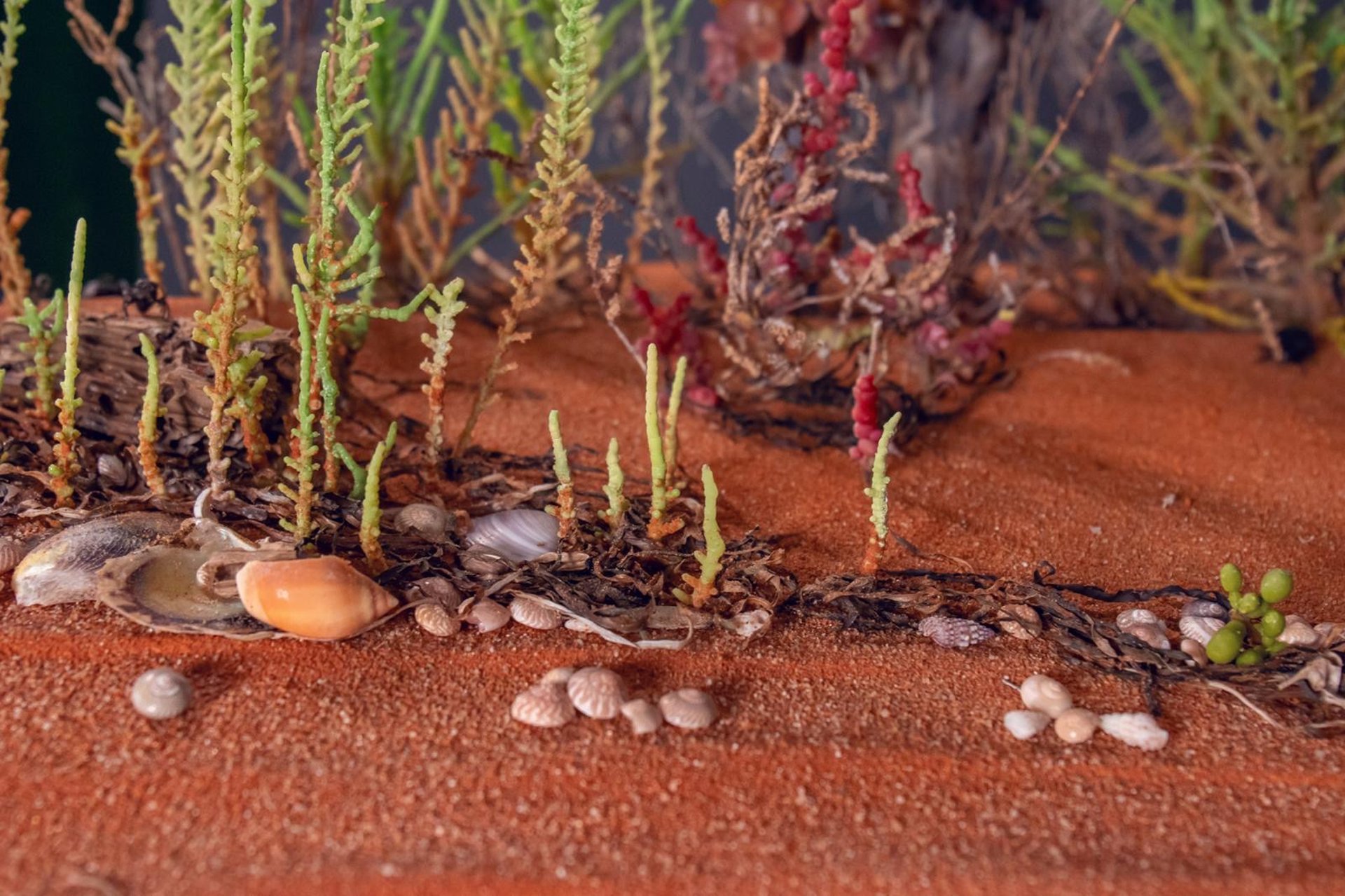
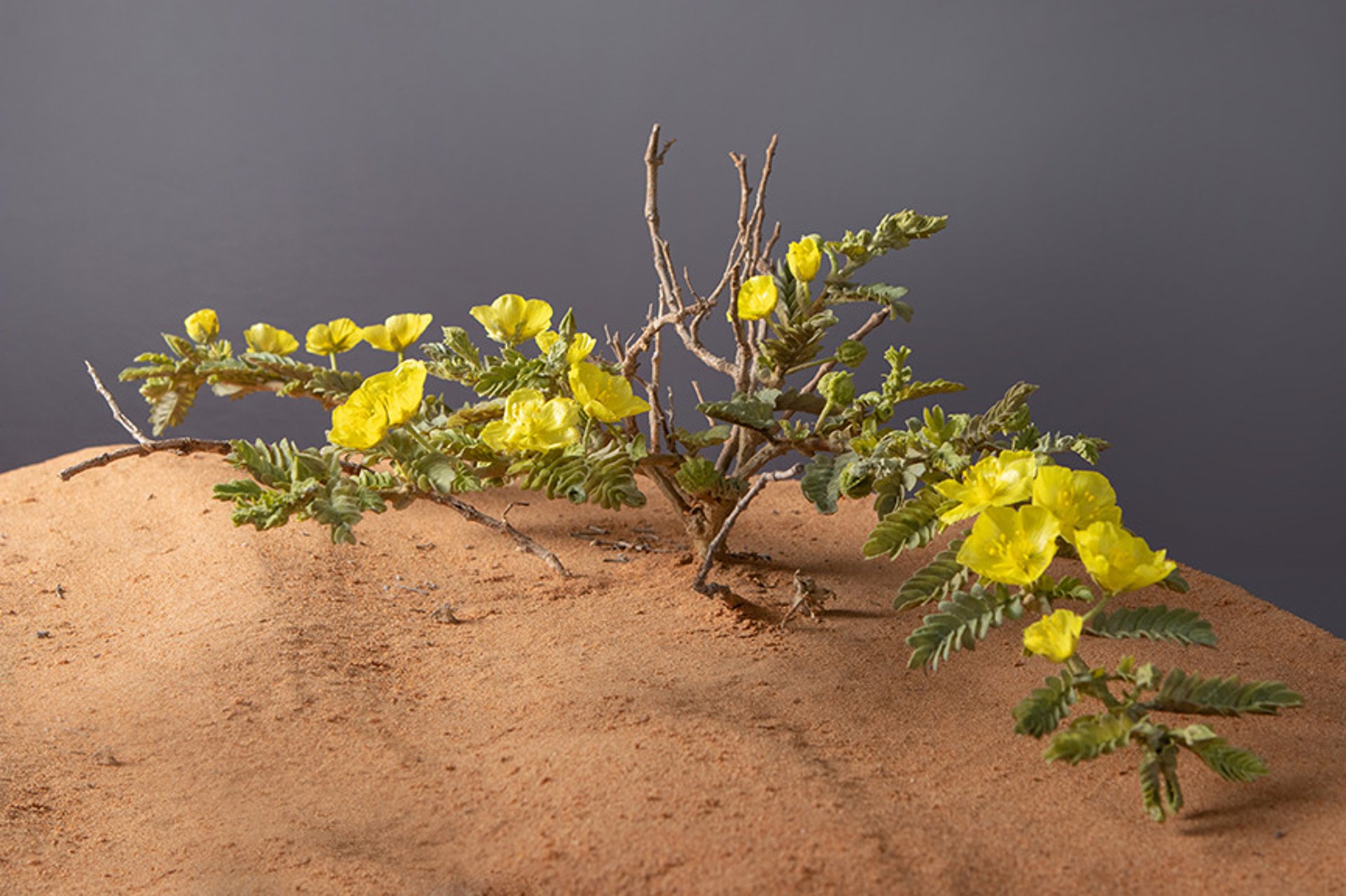
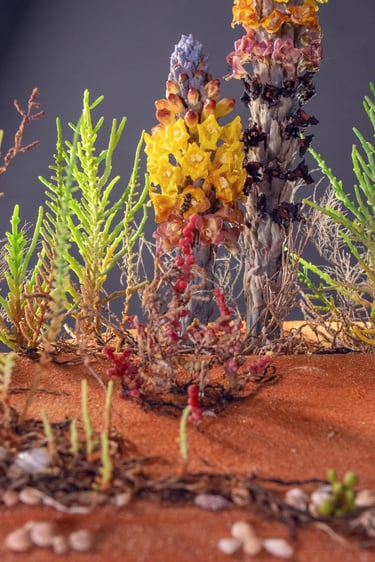
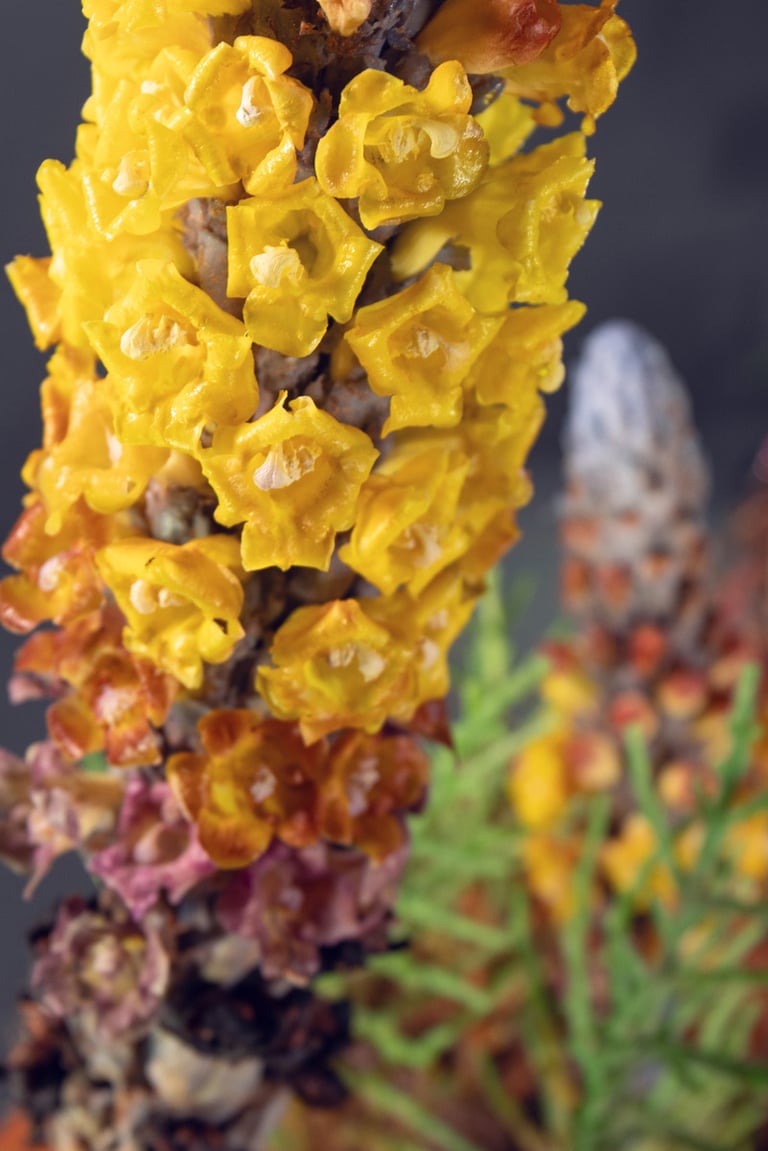
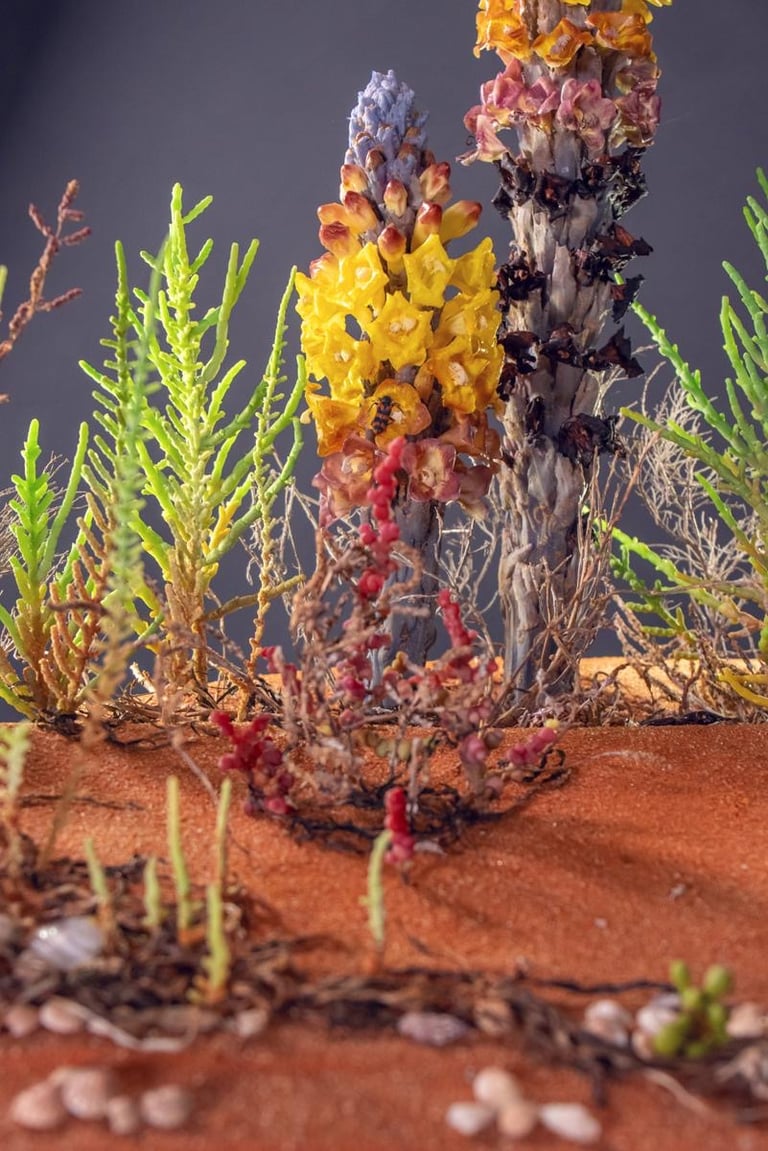
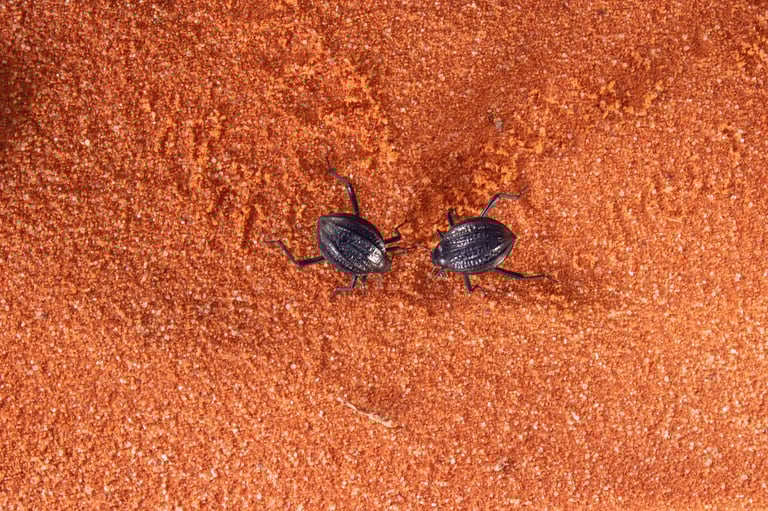
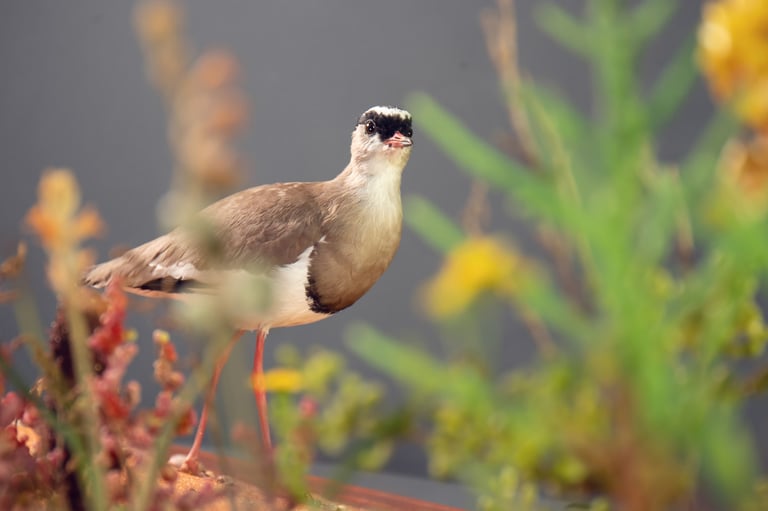
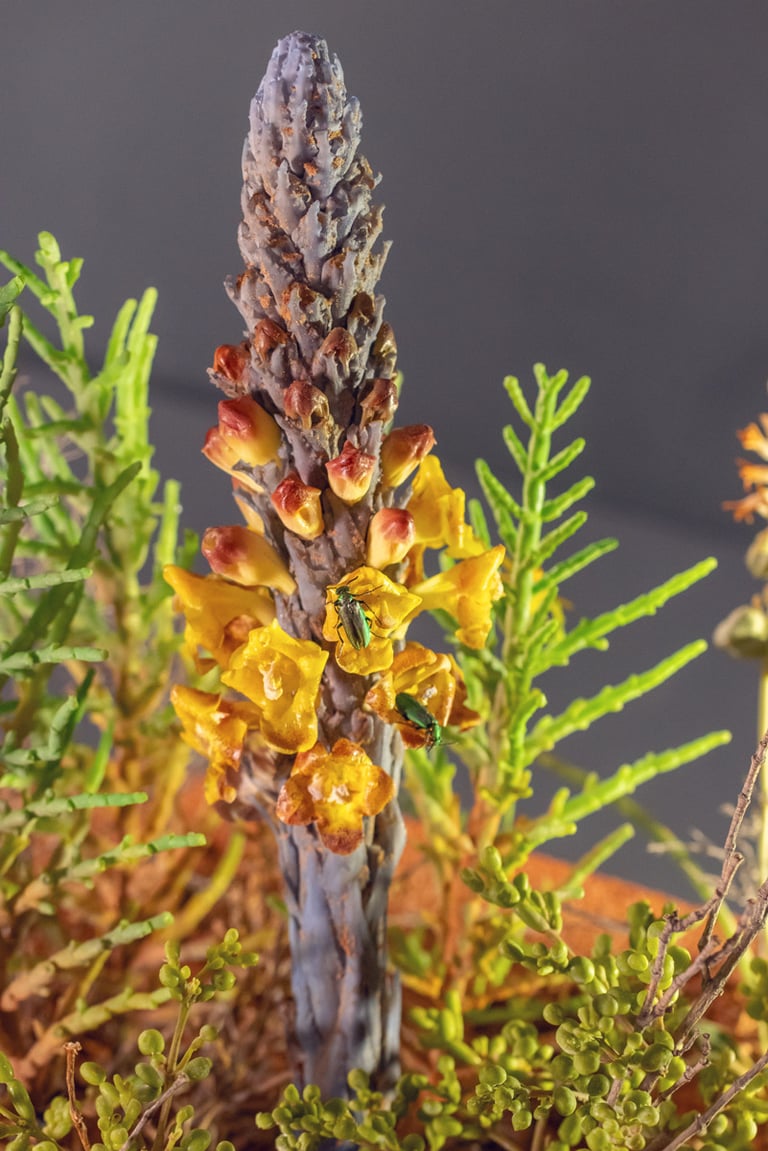
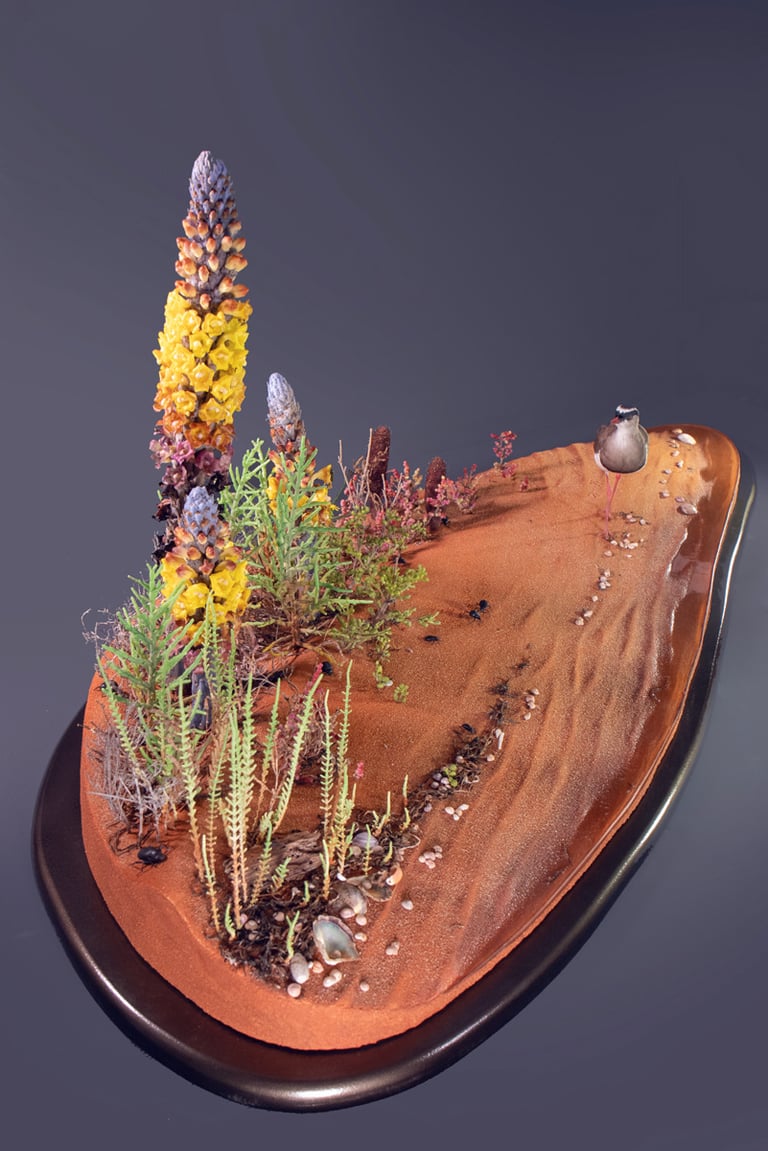
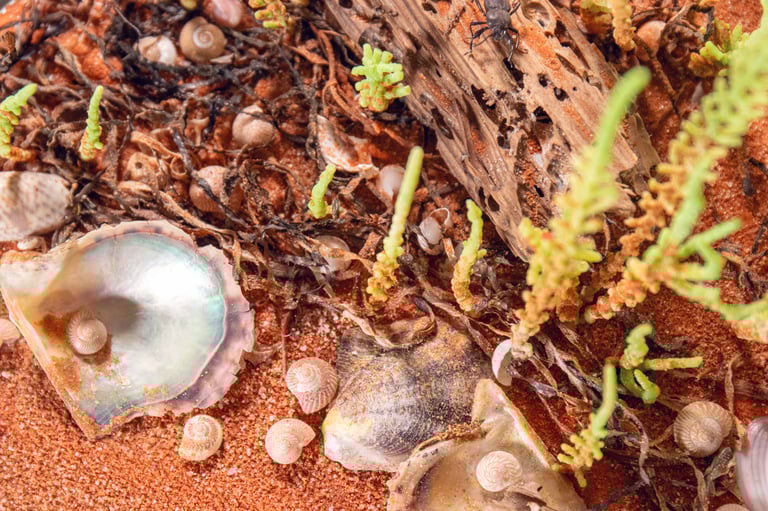
"Arabian Spring" – Arabic coastal habitat with desert plants and other species (Cistanche sp., Cynomorium sp., Halocnemum sp., Adesmia sp. etc.)
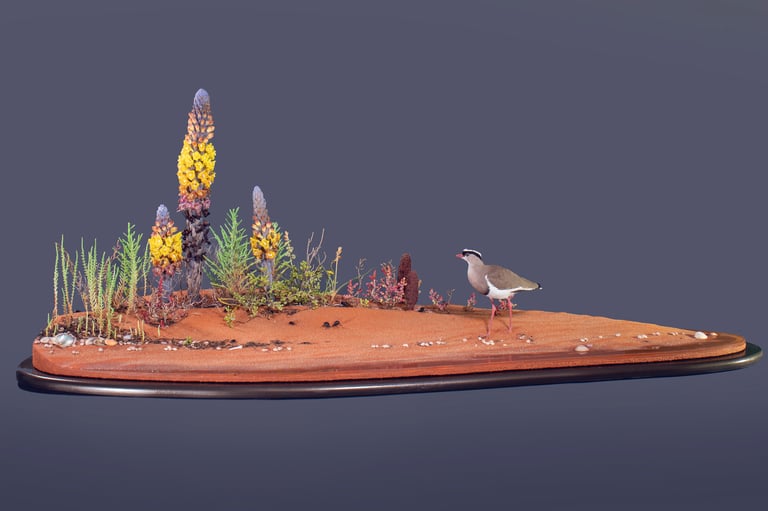
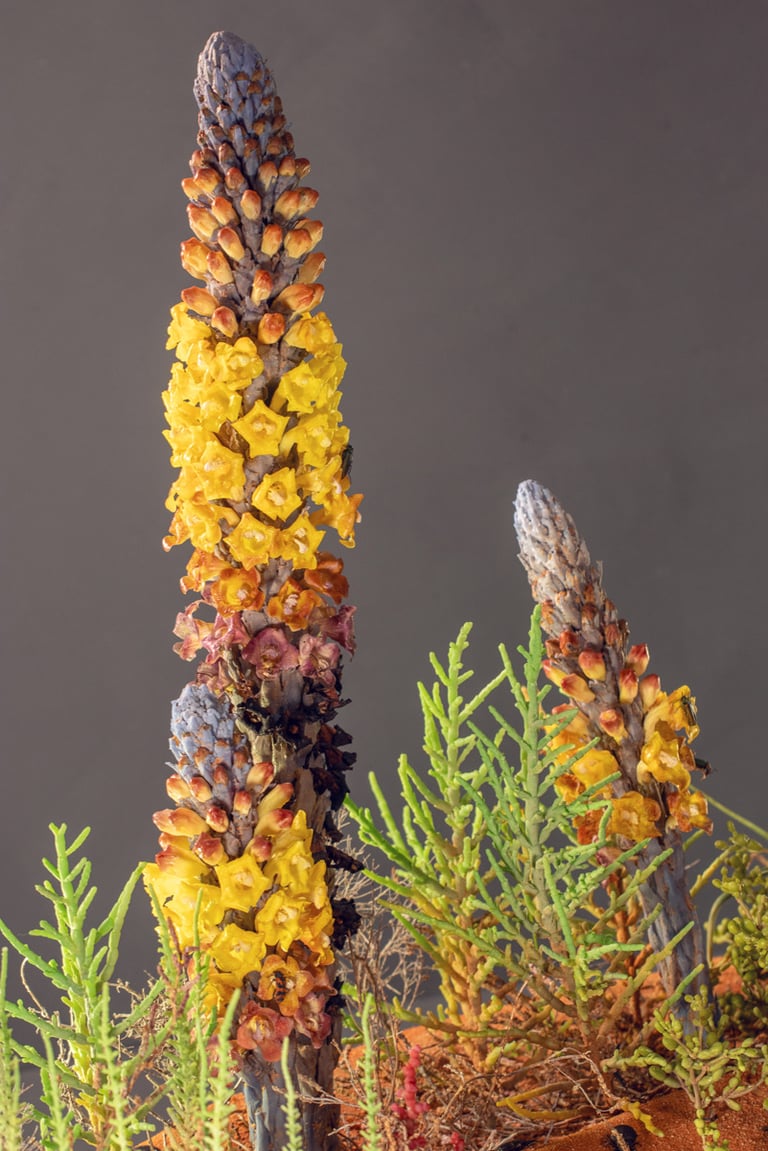
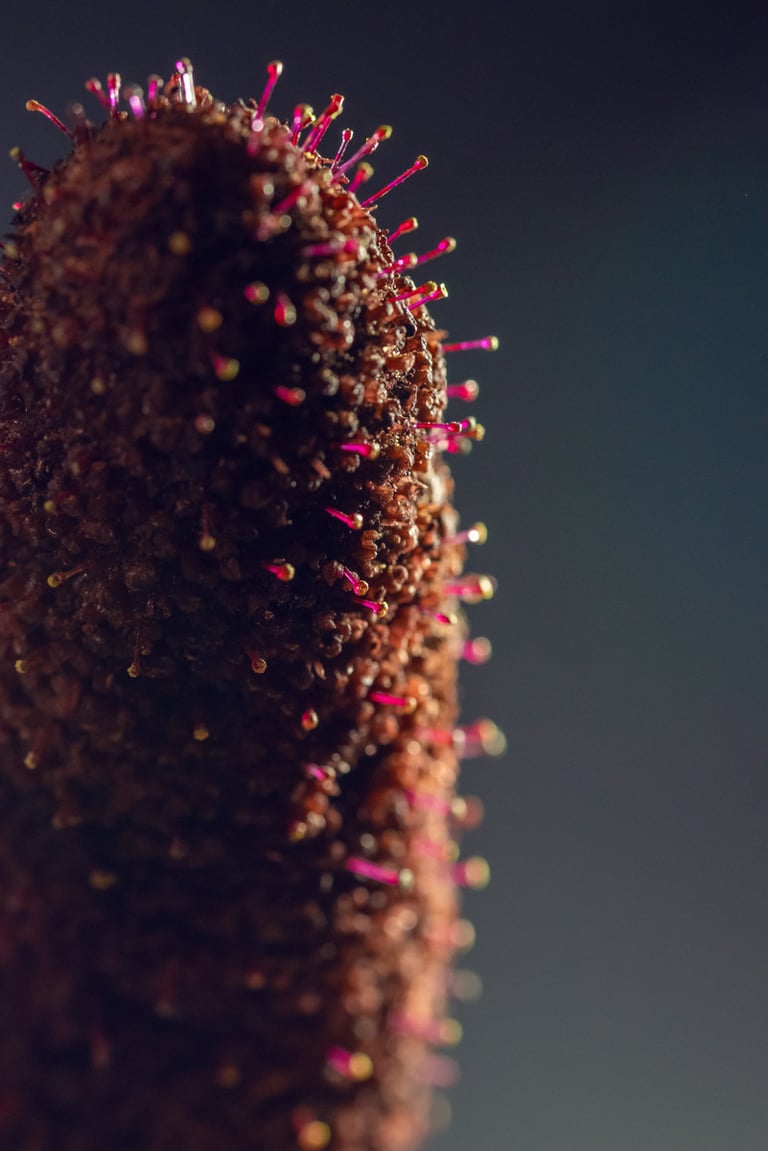
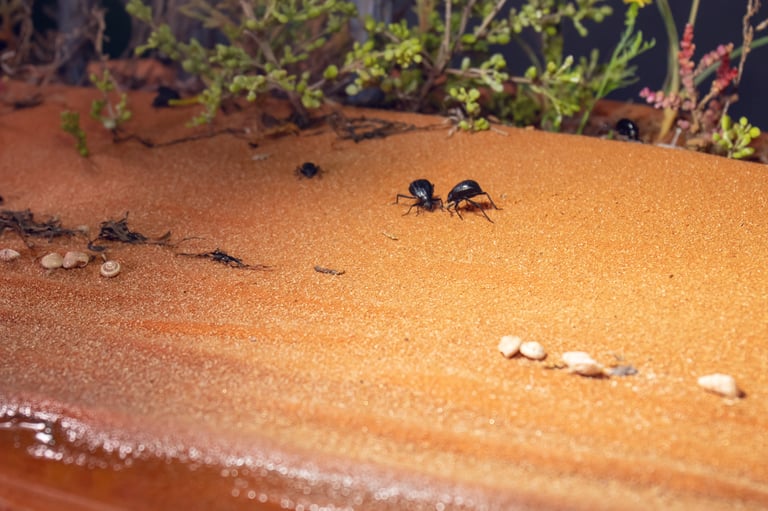
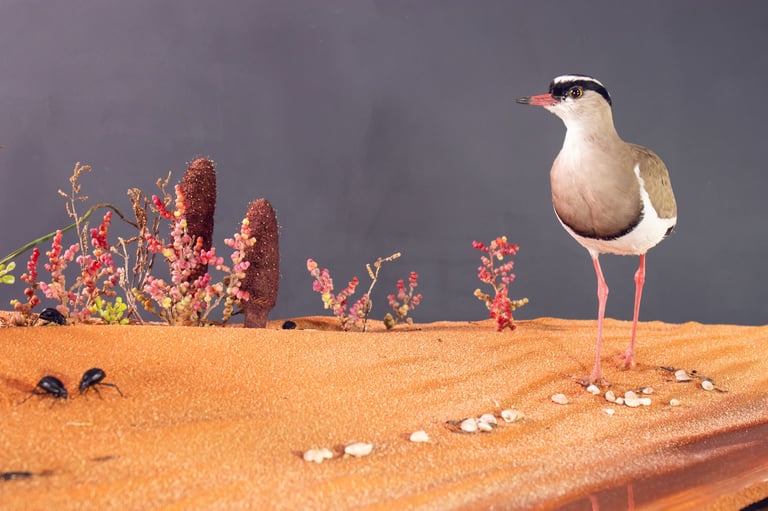
brochure for download
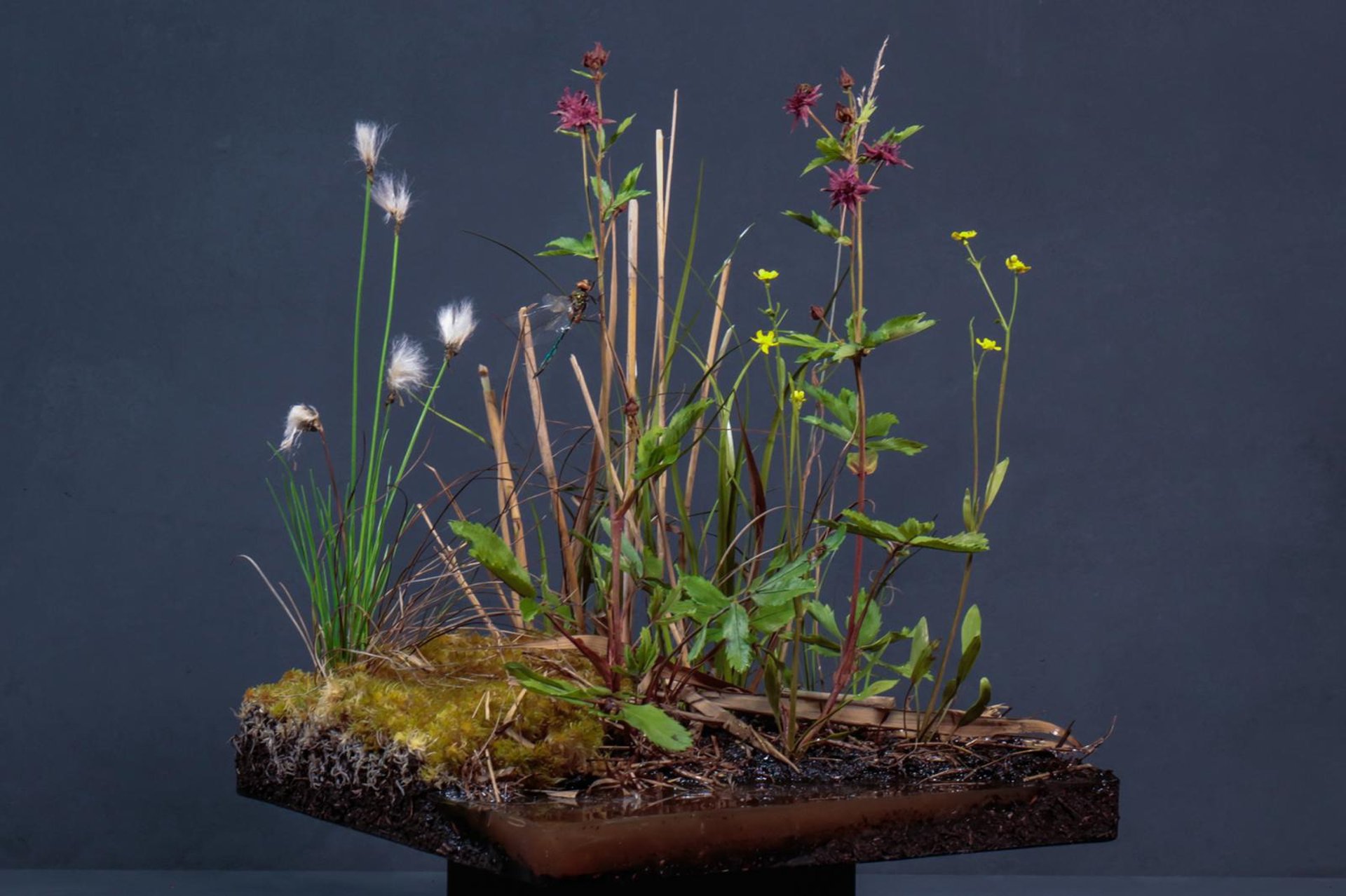
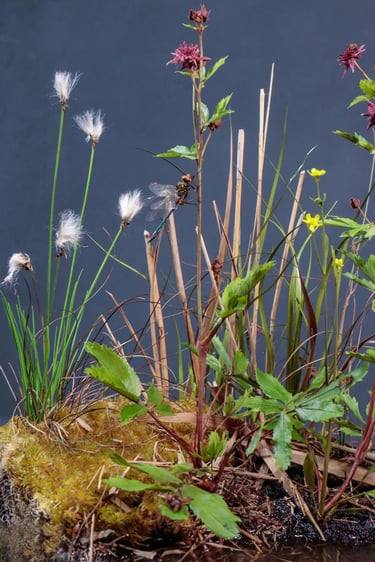
Habitat Marsh Cinquefoil (Potentilla palustris)
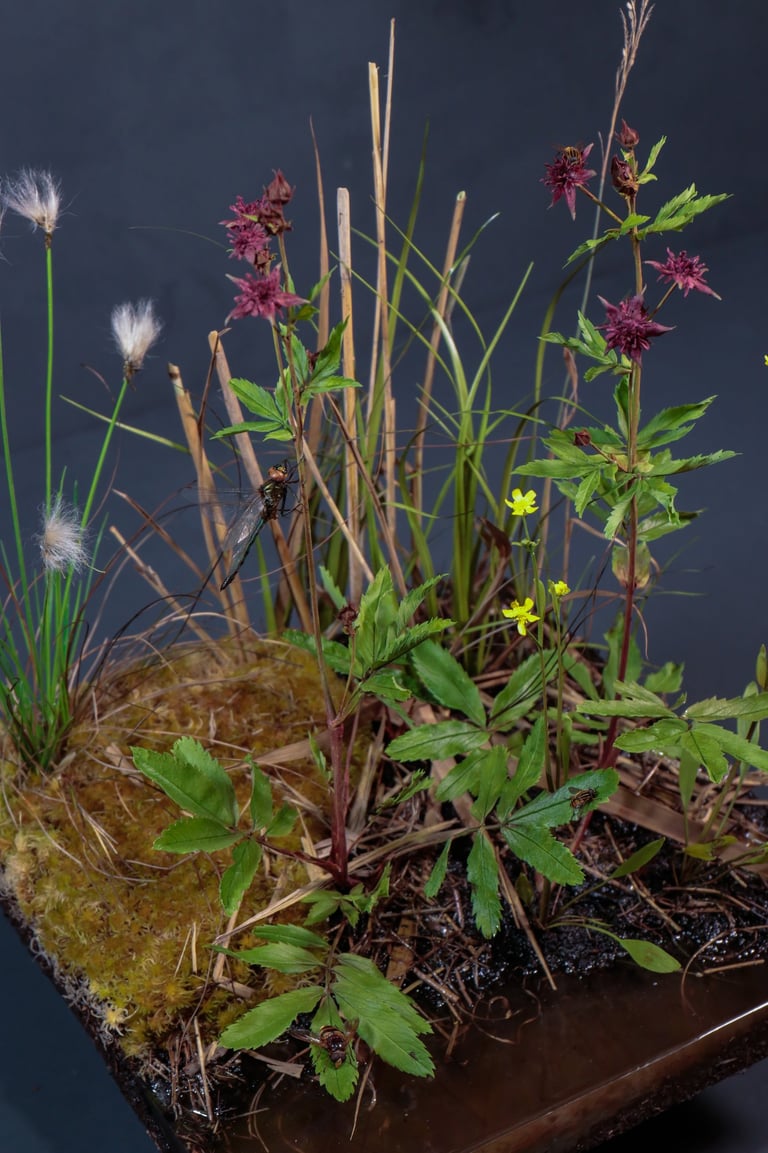
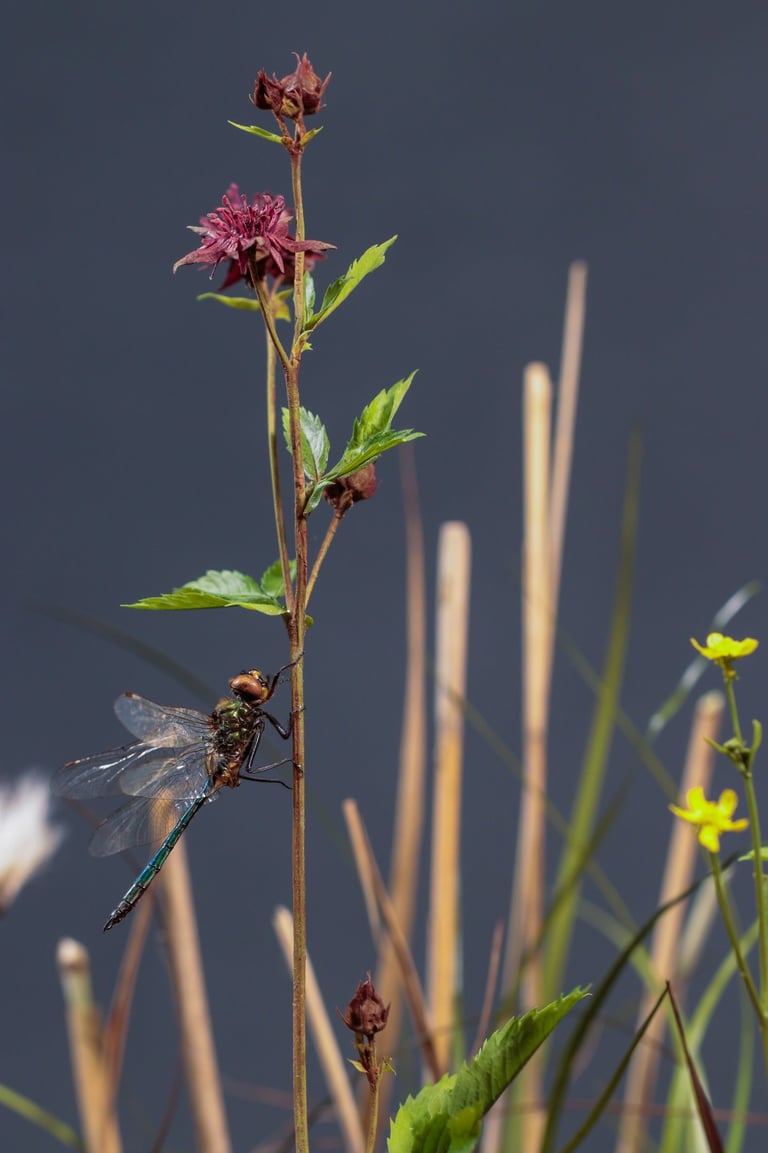
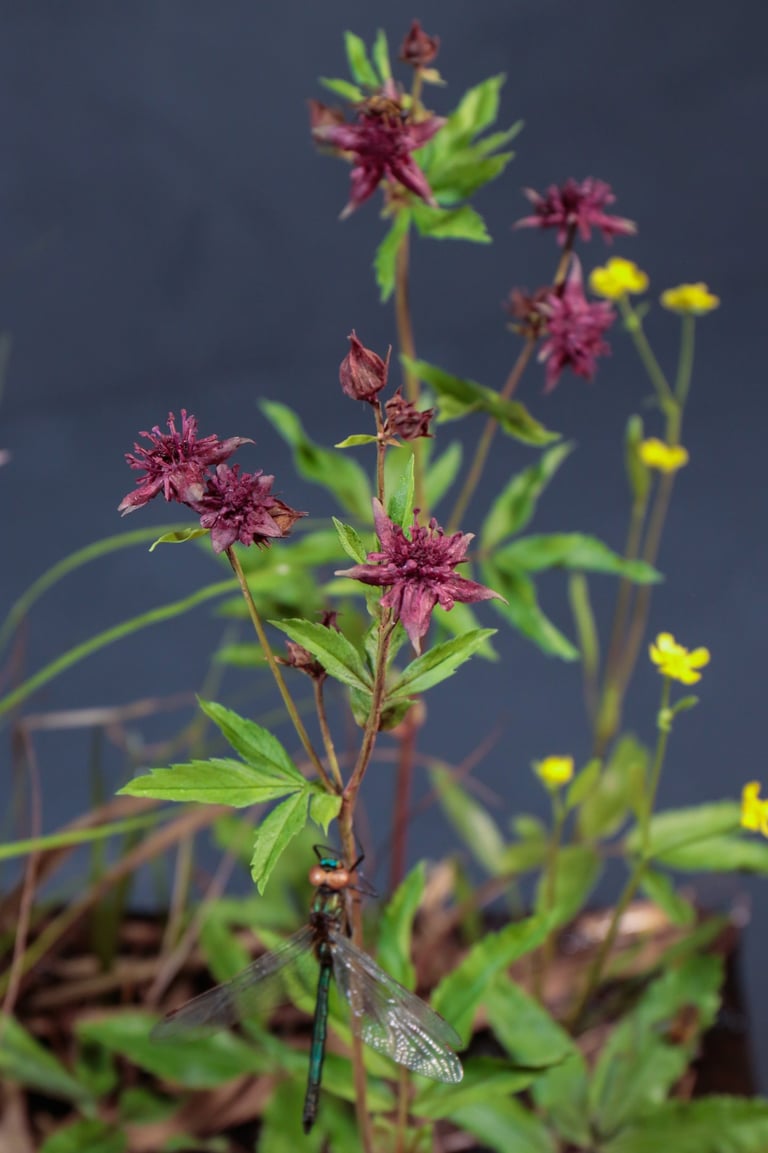
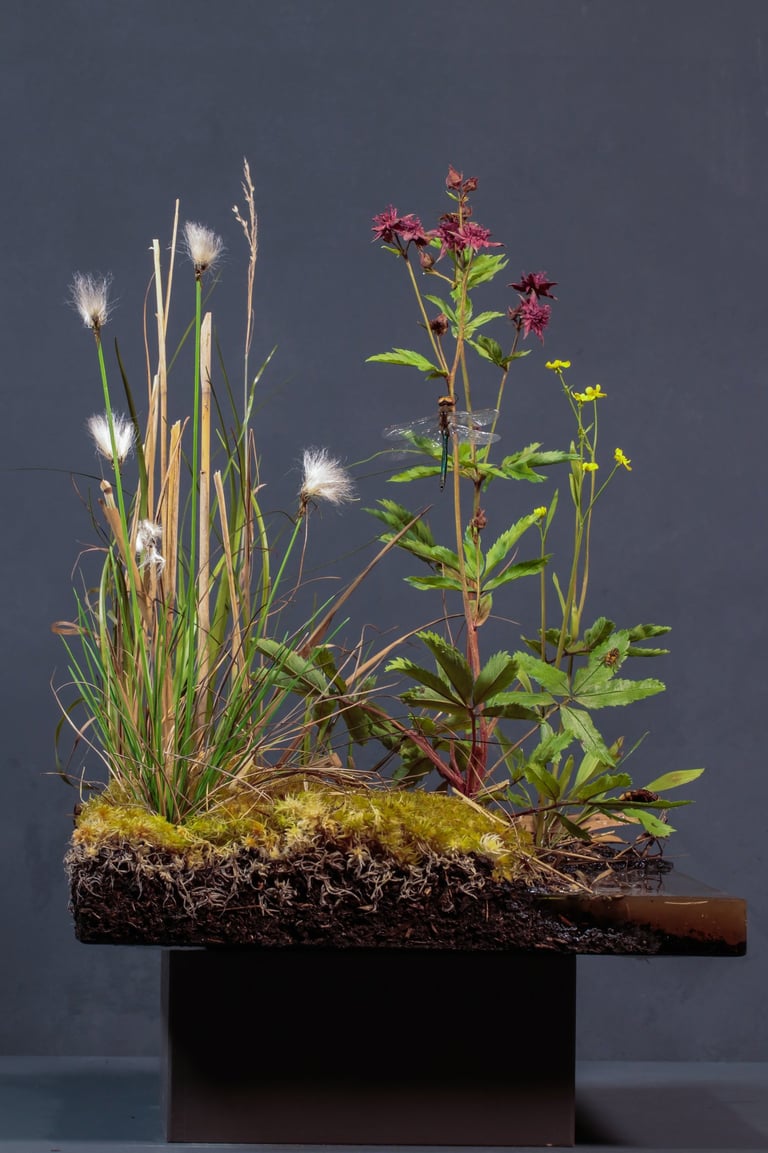
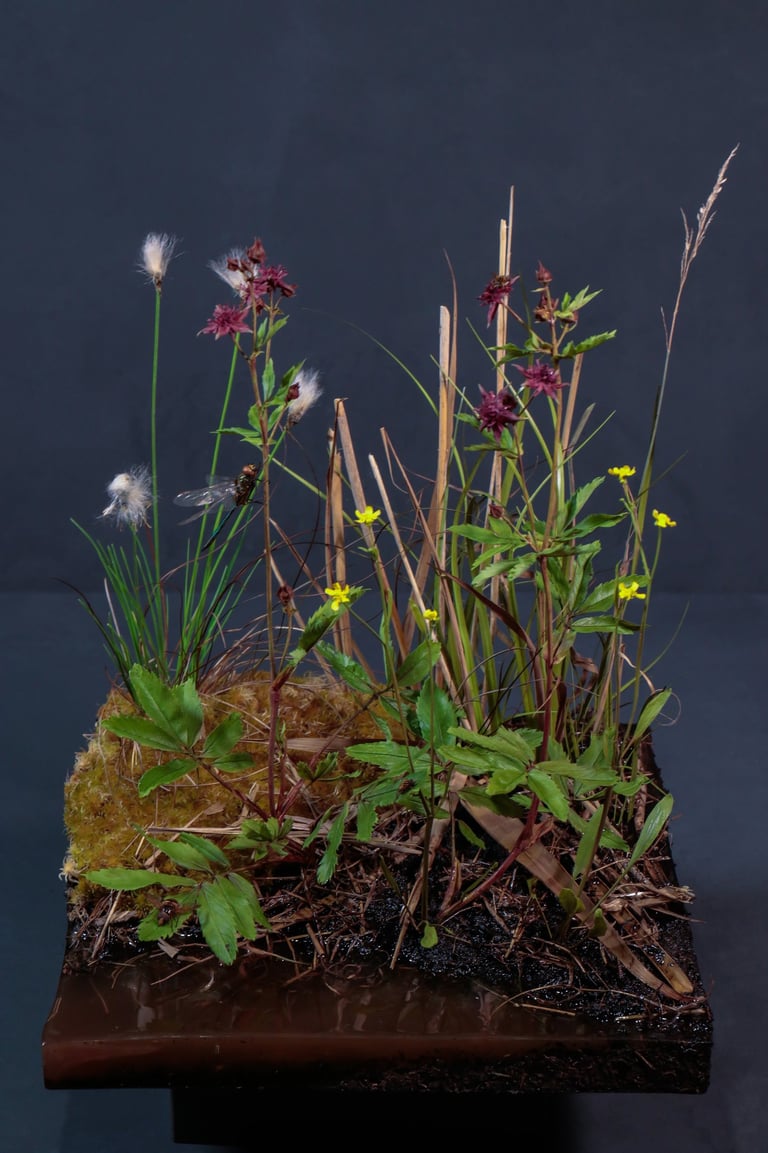
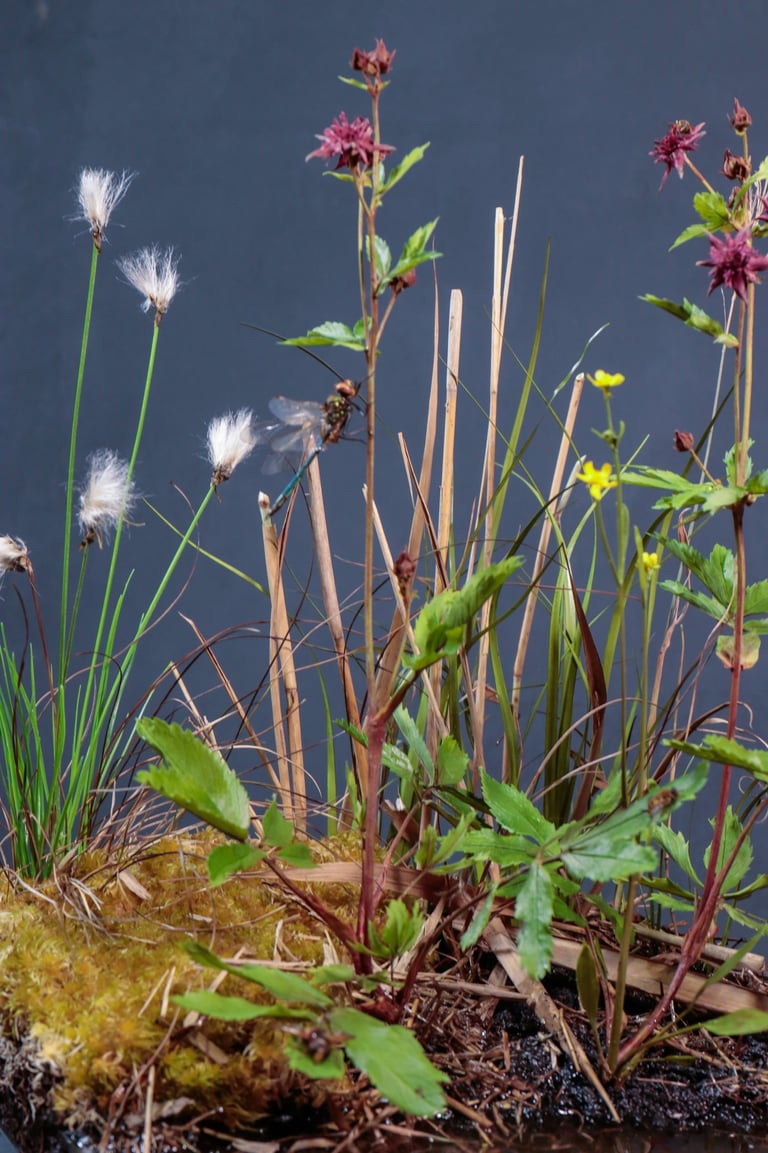
The dioramas appear as if they were cut directly from nature – lifelike and full of attention to detail.
Axel Jahn, CEO Loki Schmidt Stiftung


★★★★★
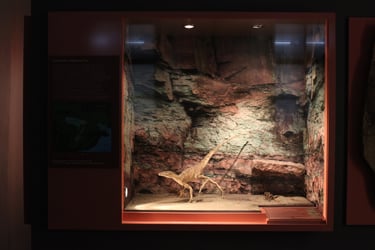
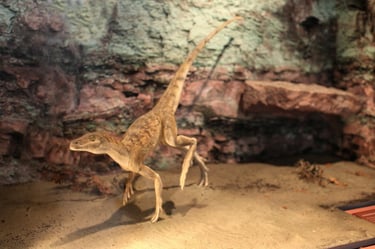
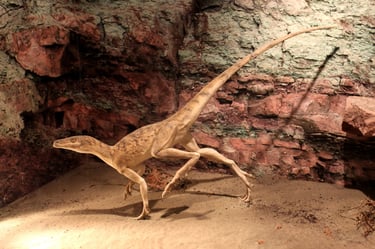
Perm-Habitat Eudibamus (Eudibamus cursoris)
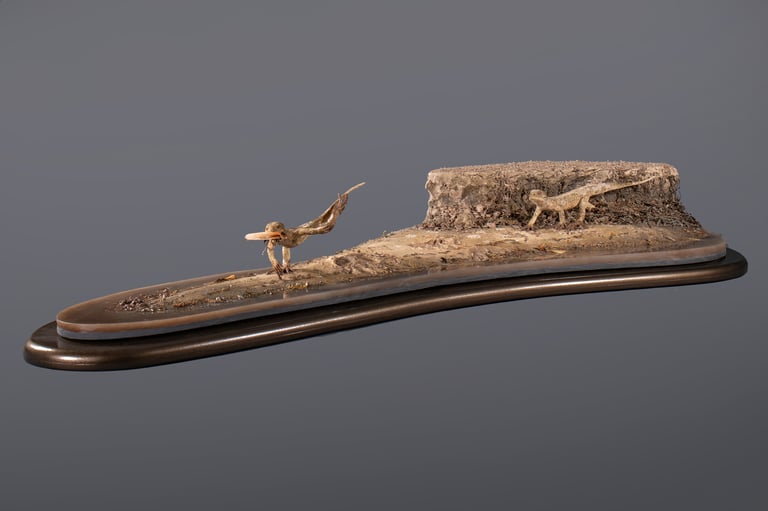
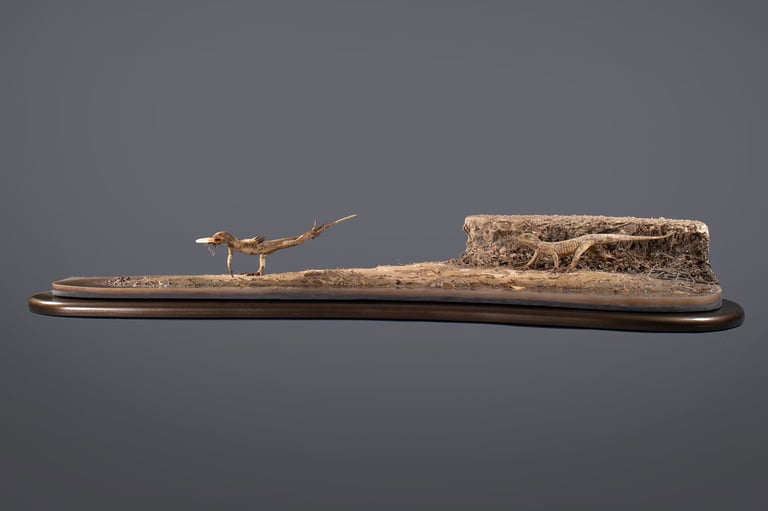
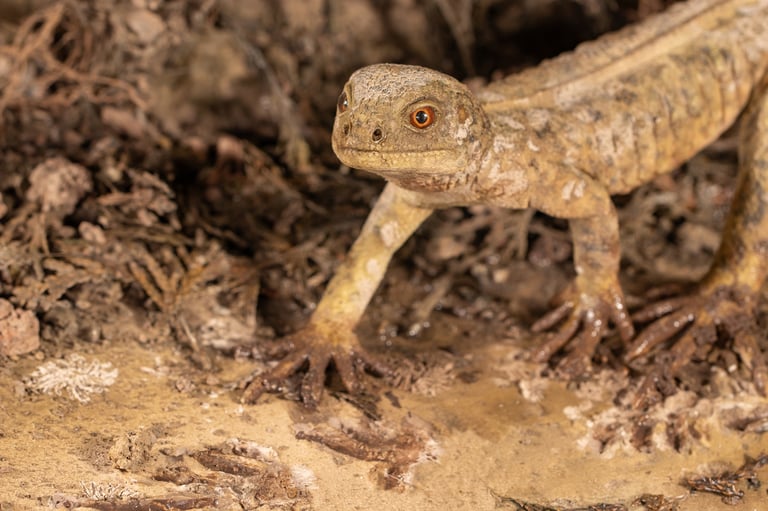
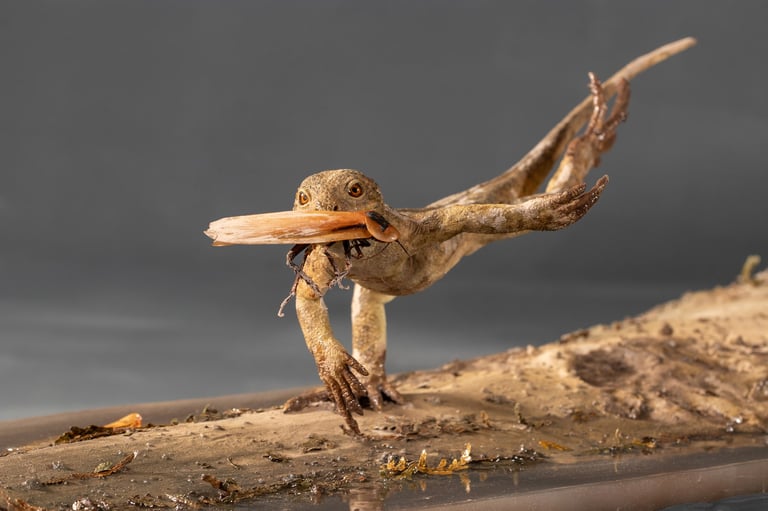
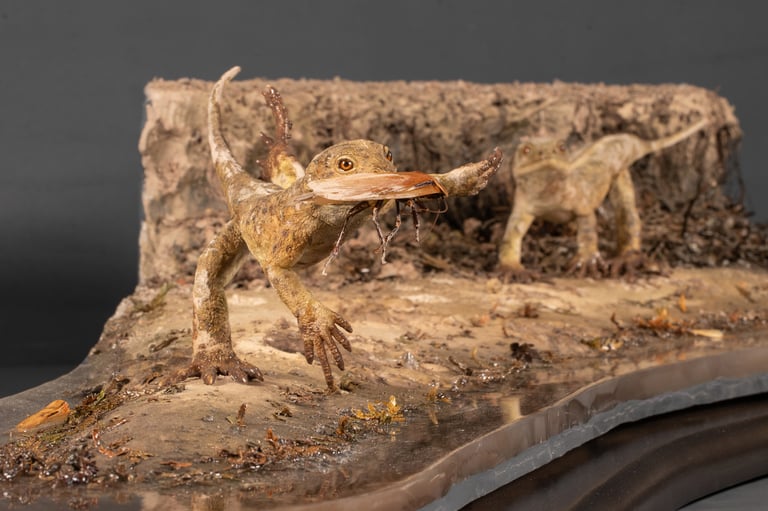
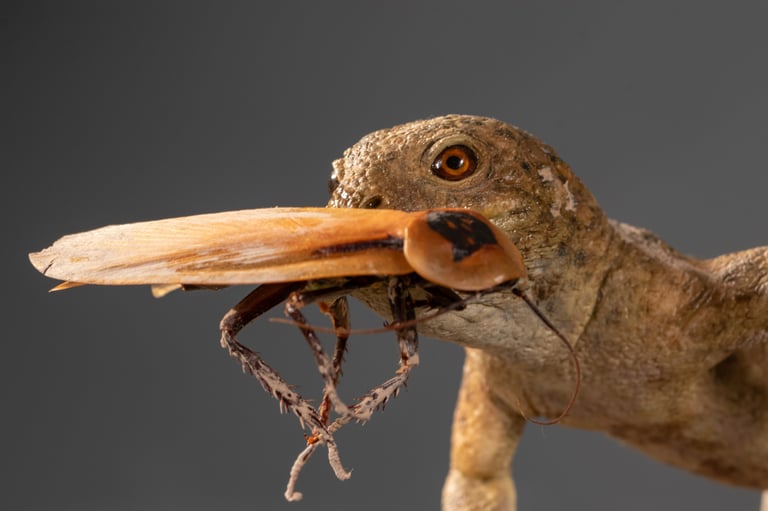
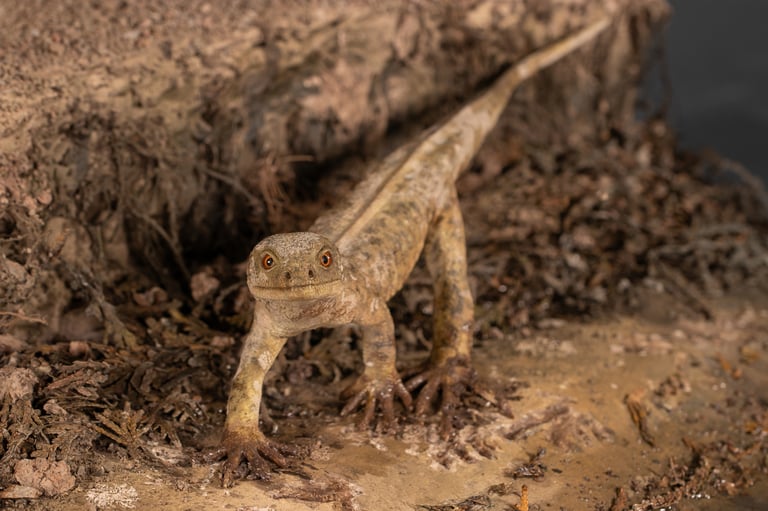
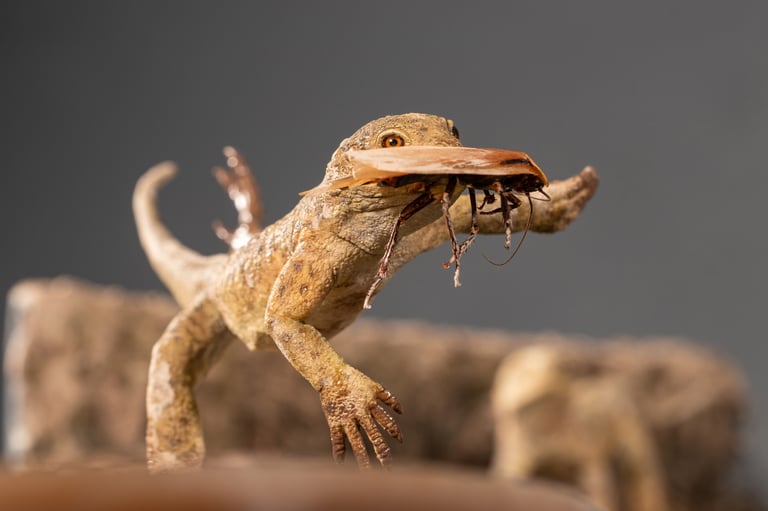
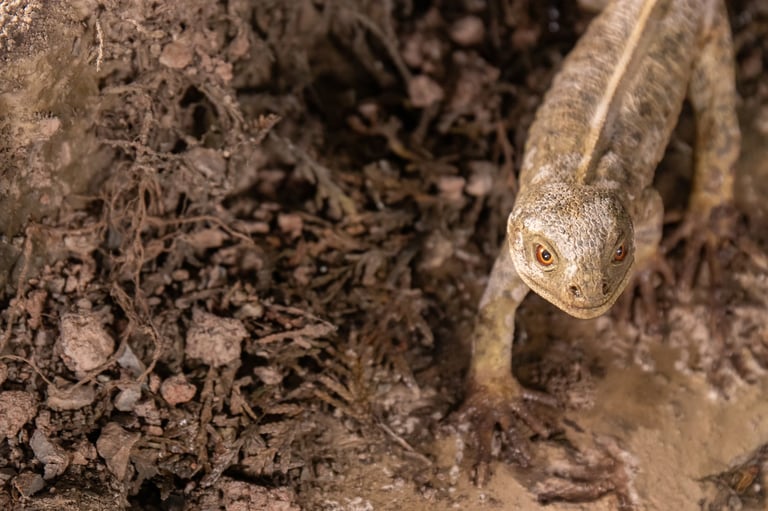
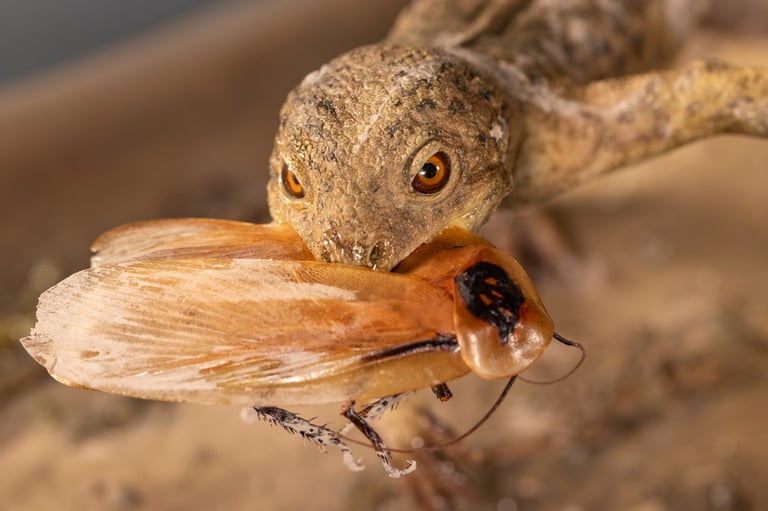
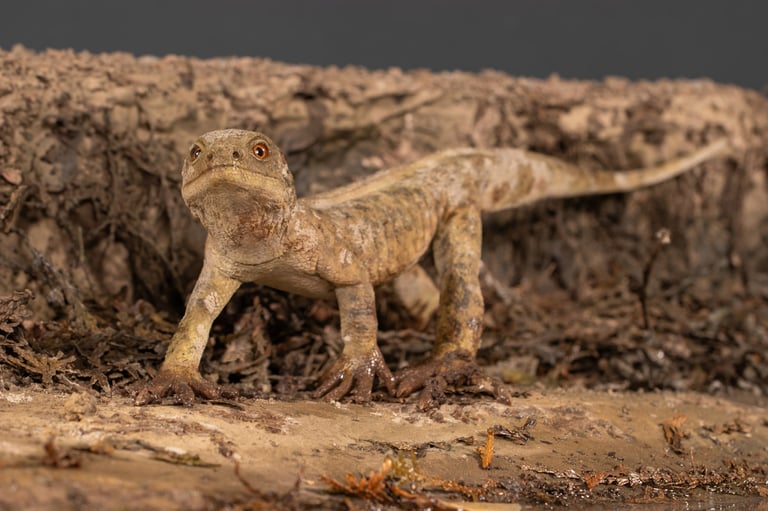
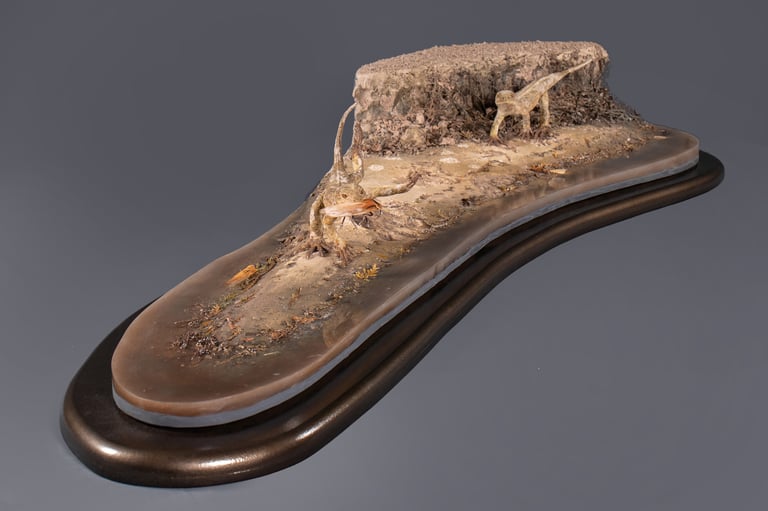
brochure for download
blog article on Eudibamus
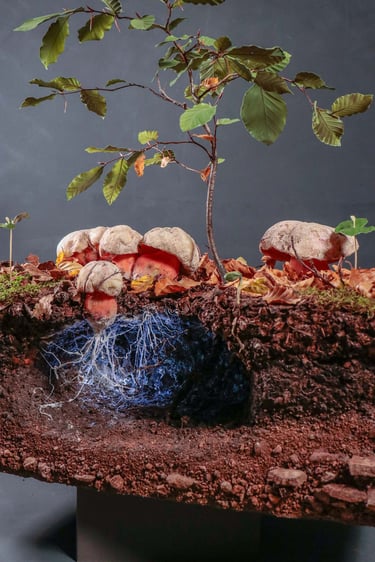
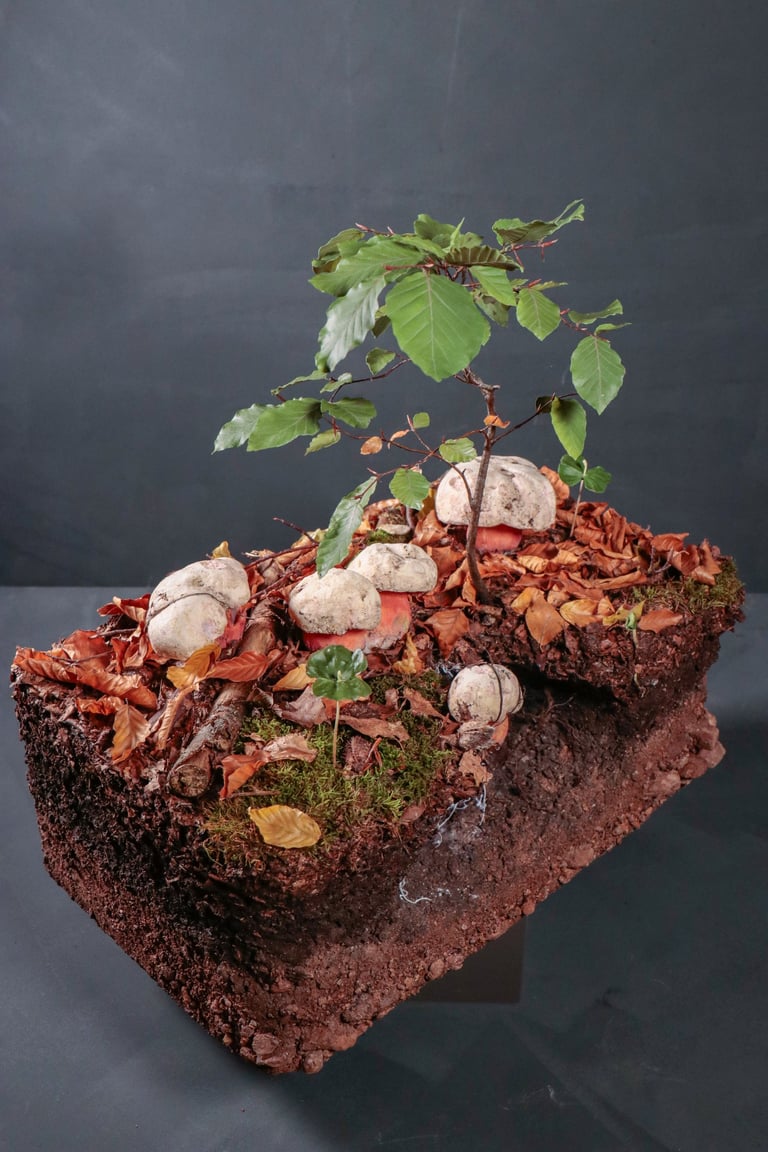
Habitat "Rubroboletus satanas" (Boletus satanas, Fagus sylvatica etc. )
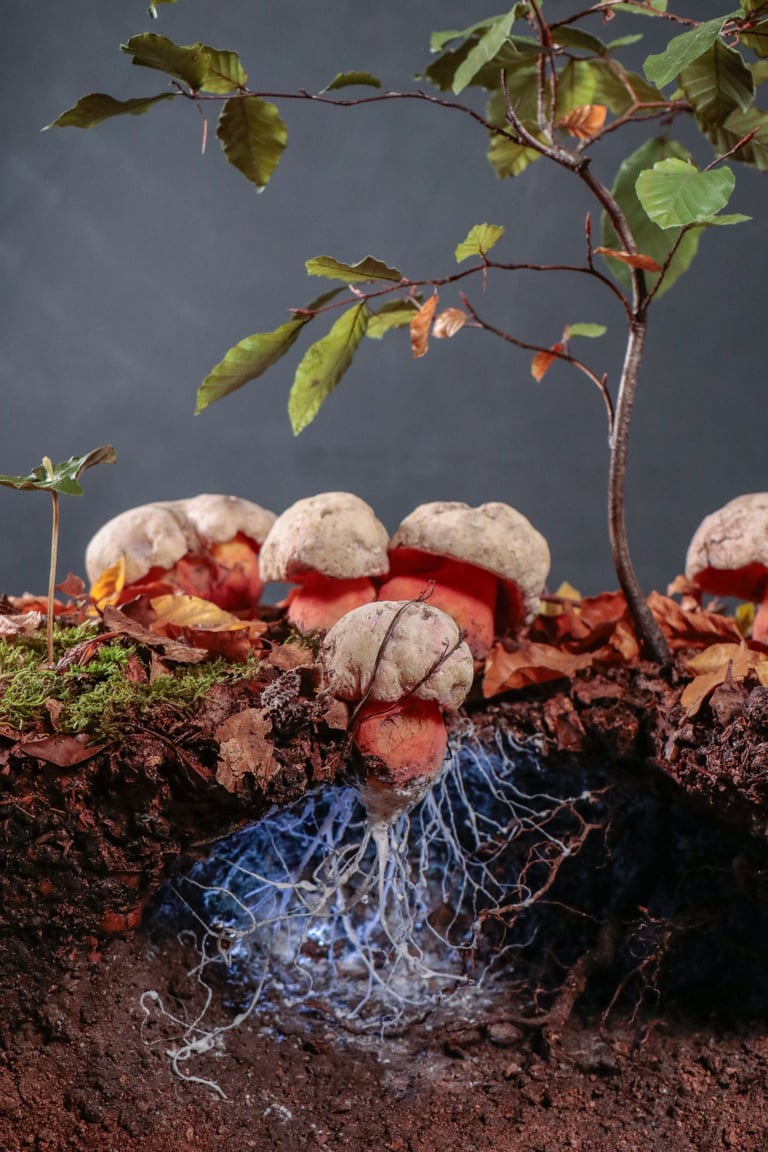
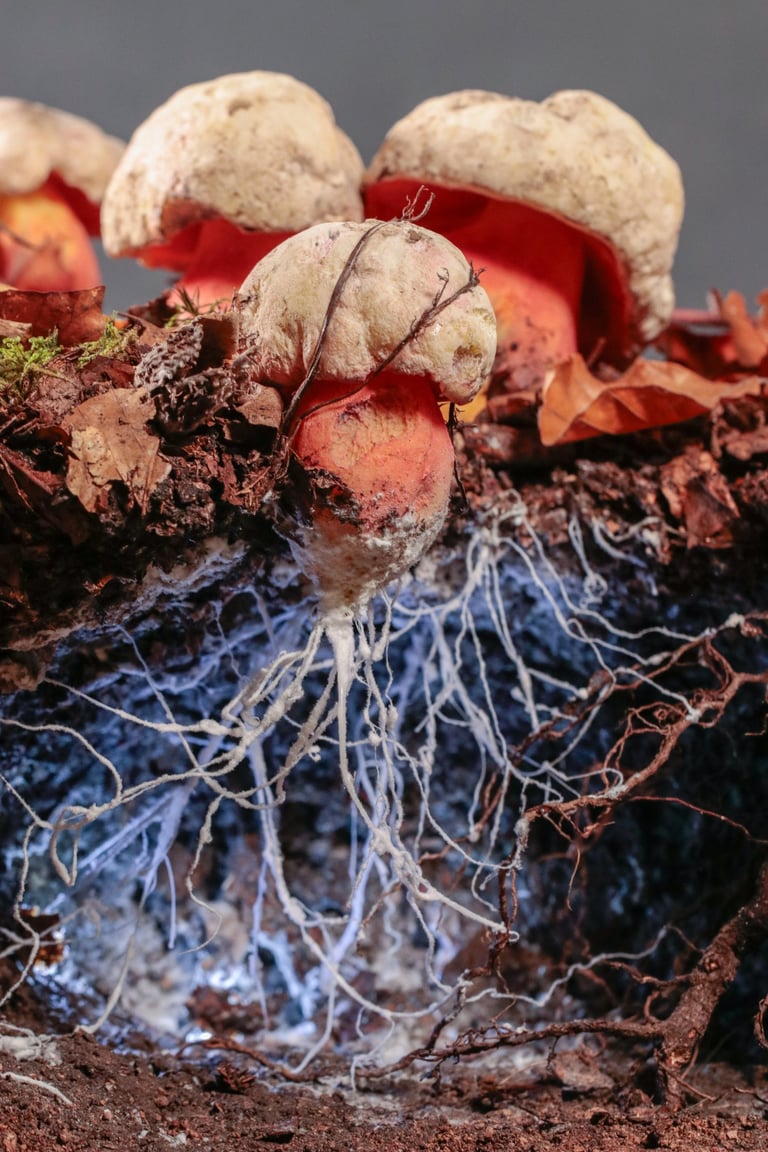
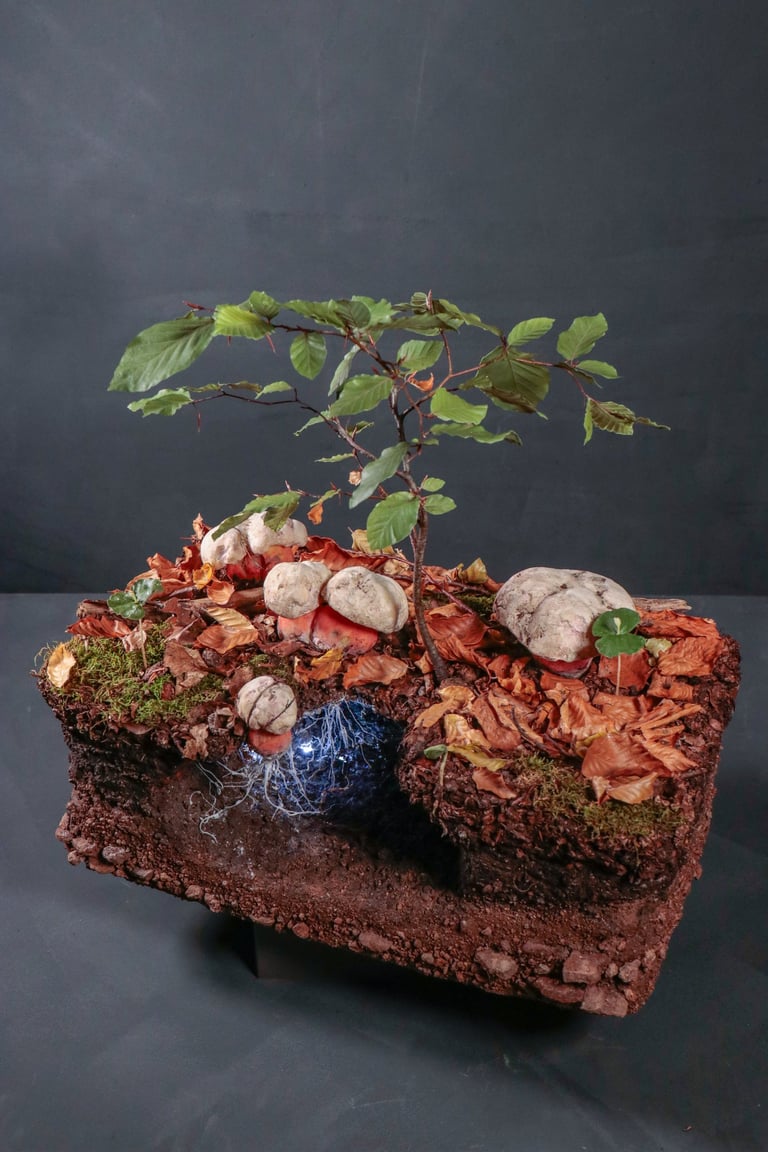
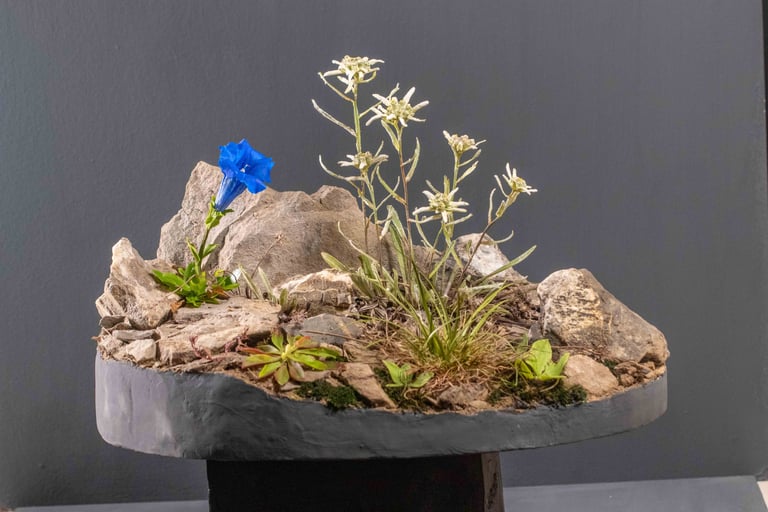
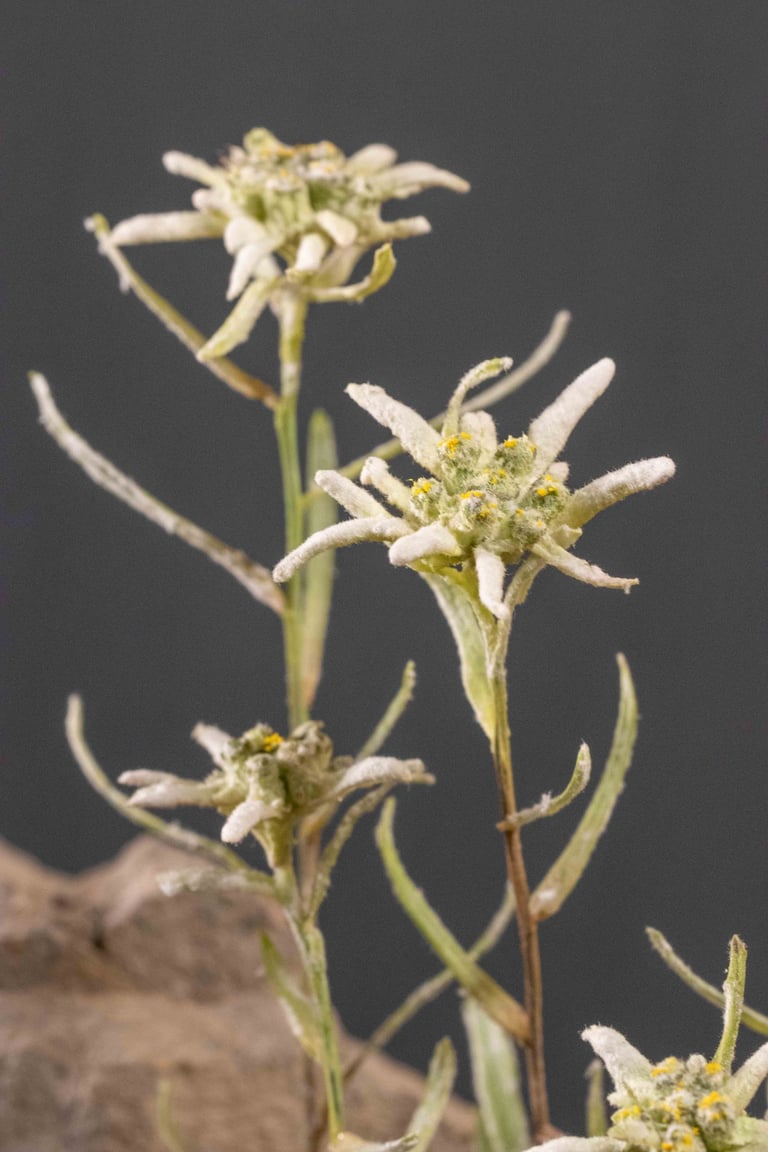
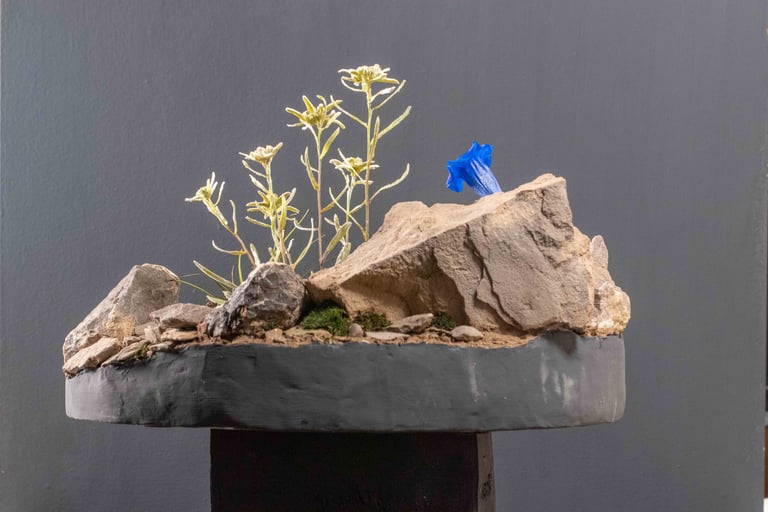
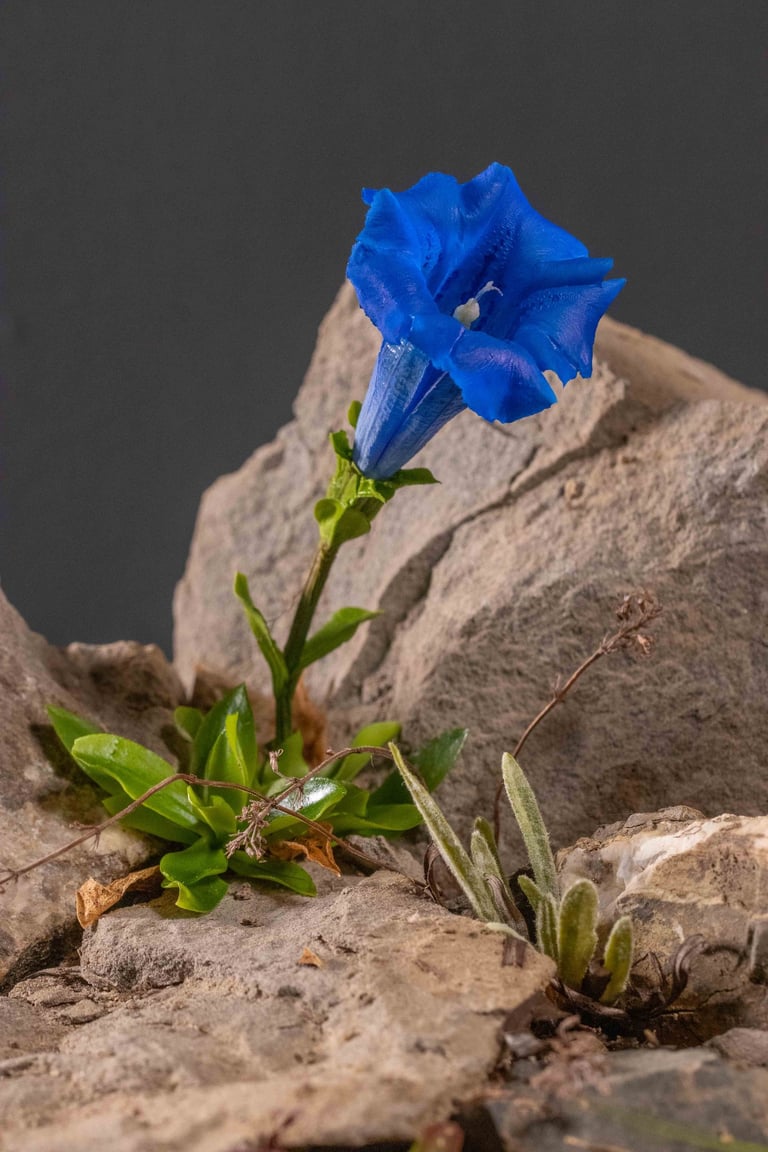
Alpine meadow habitat: Edelweiss (Leontopodium alpinum) and Stemless gentian (Gentiana clusii)
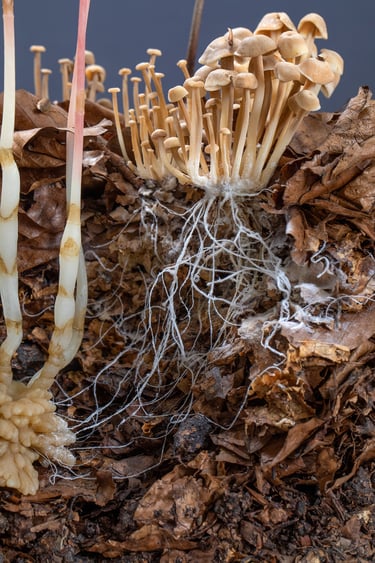
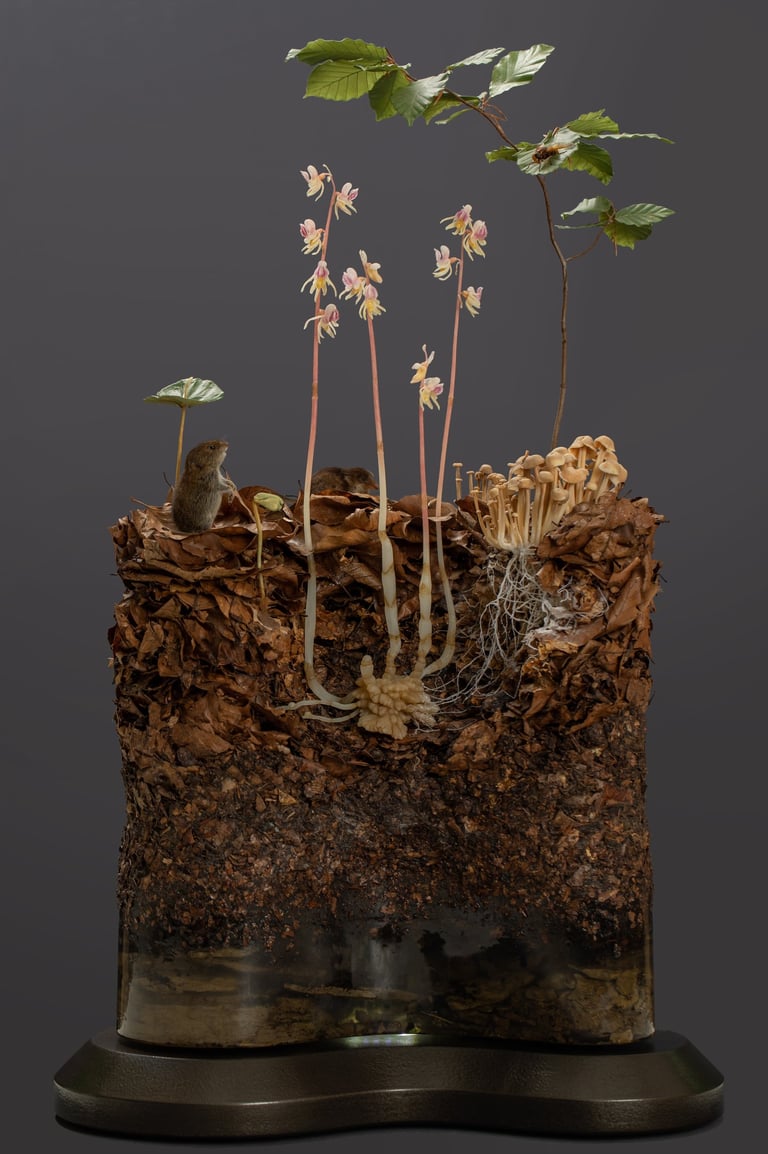
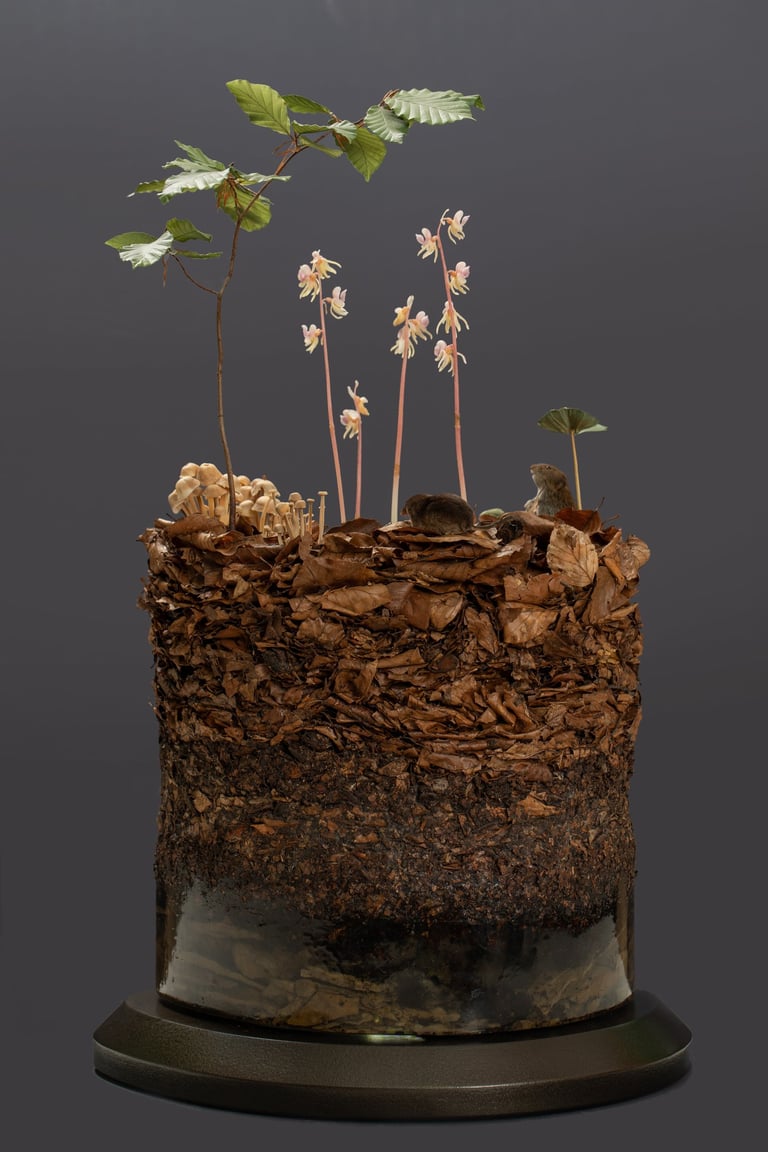
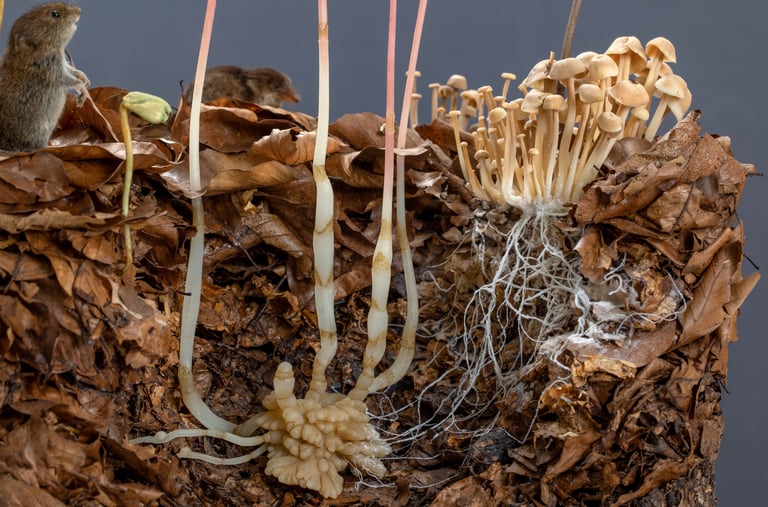
Habitat "Ghost of the forest" (Epipogium aphyllum, Fagus sylvatica, Gymnopus confluens etc. )
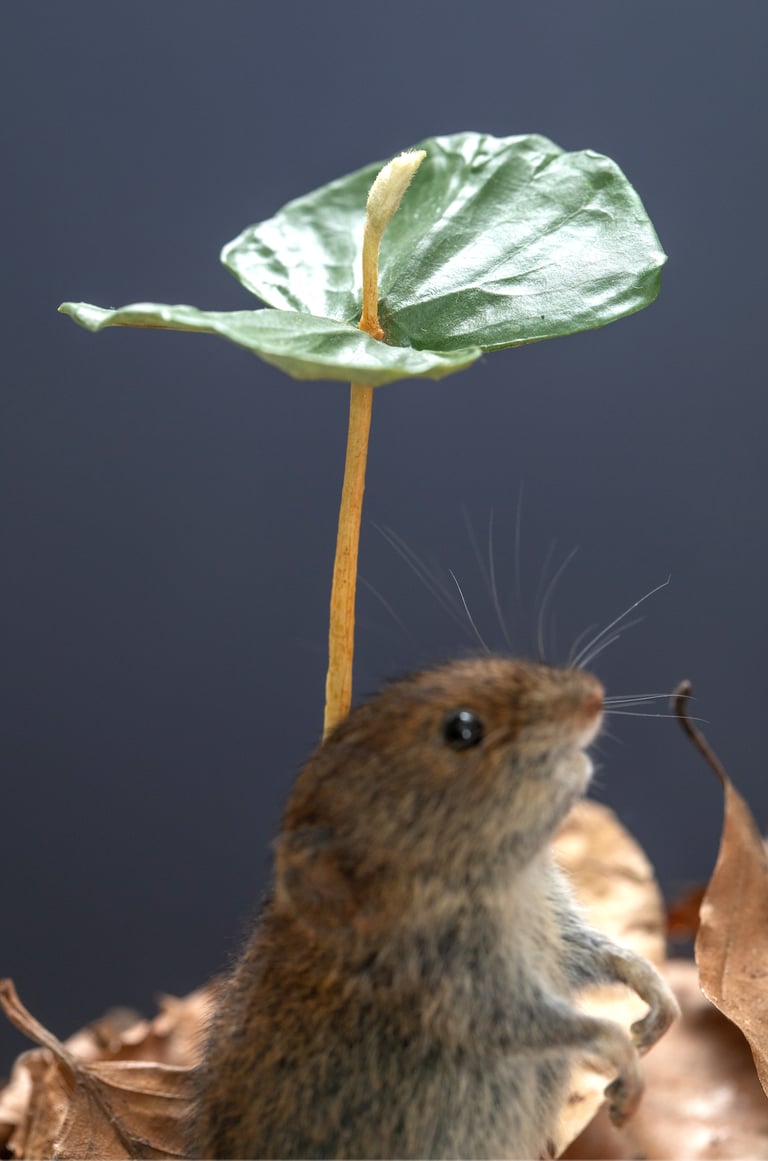
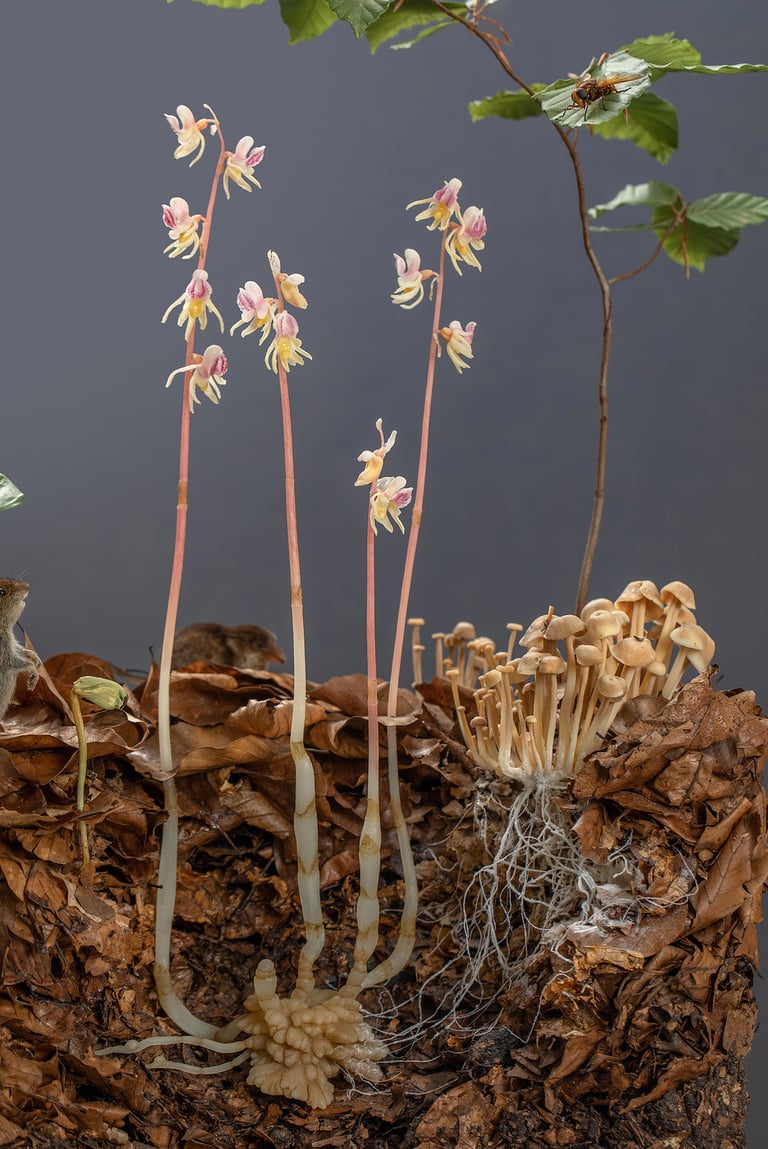
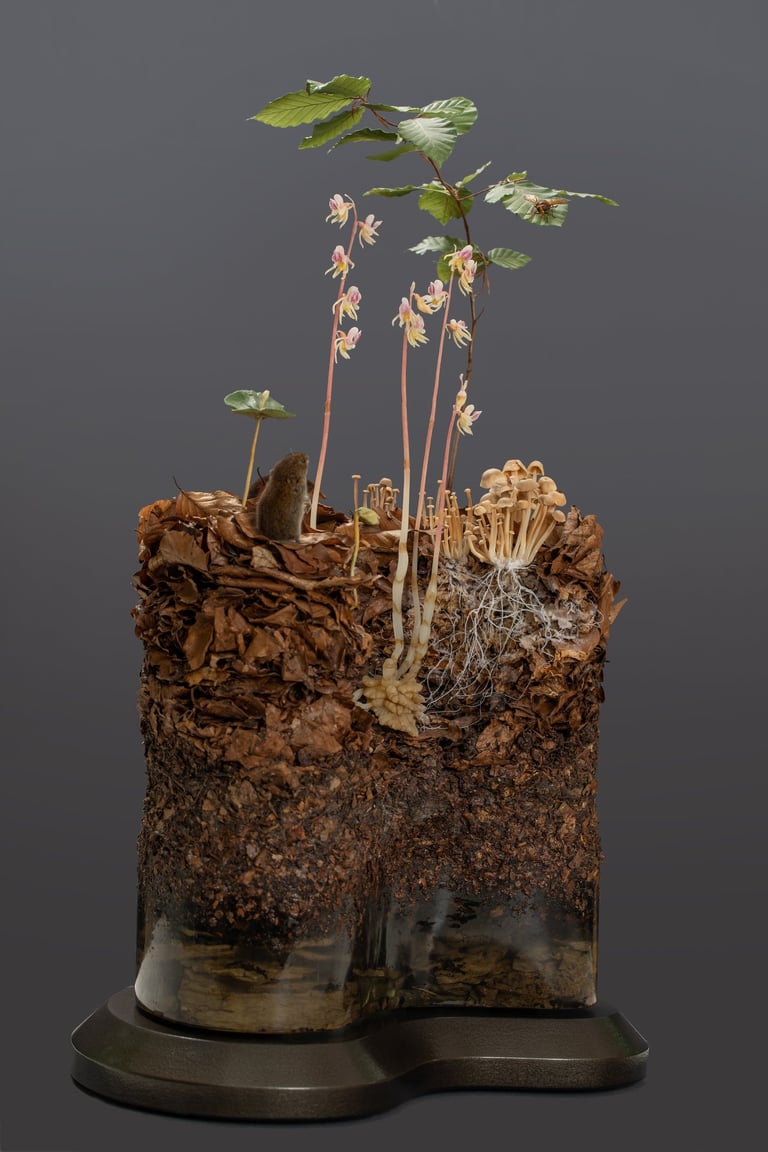
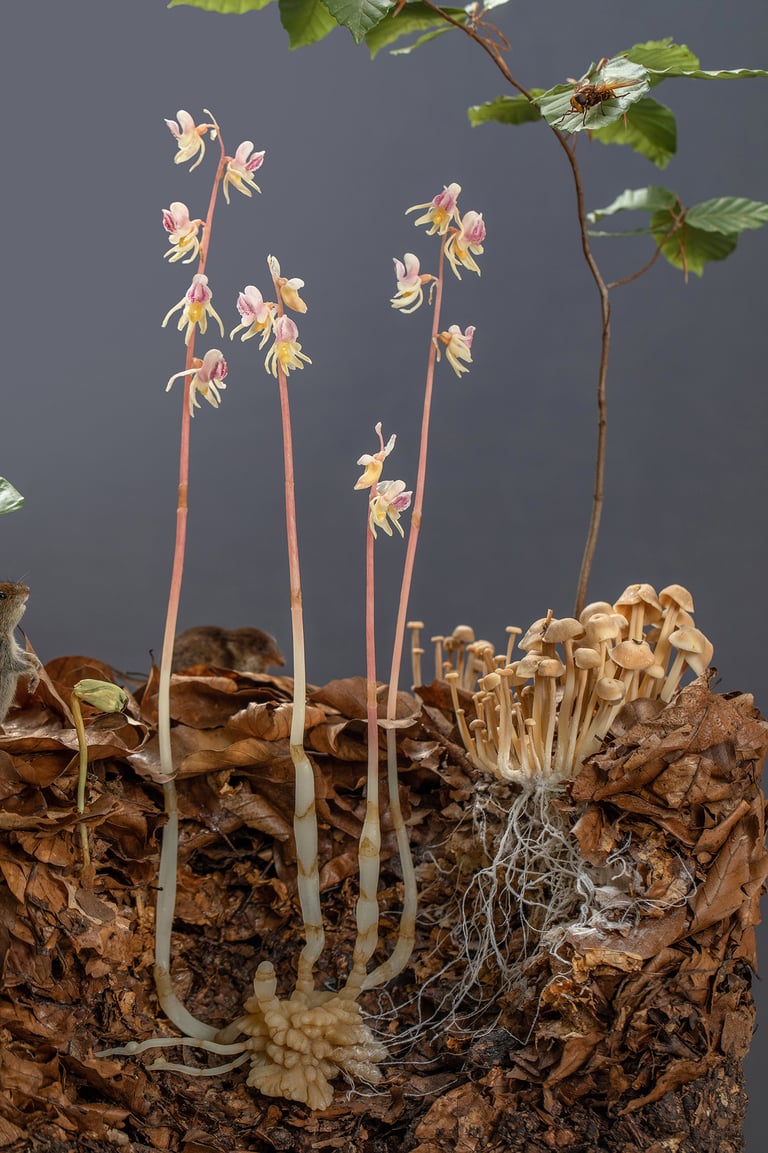
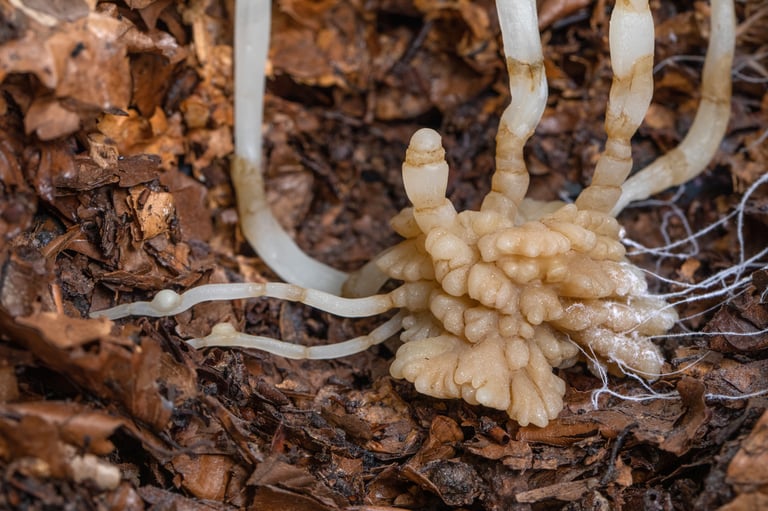
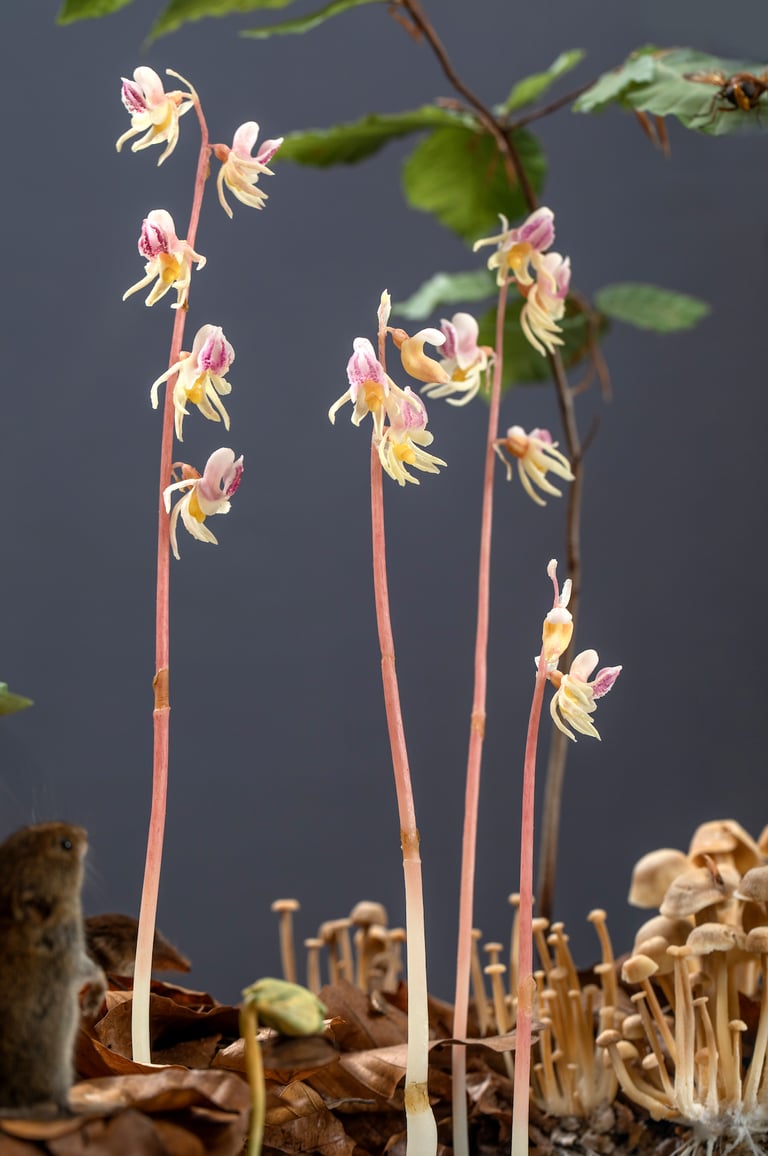
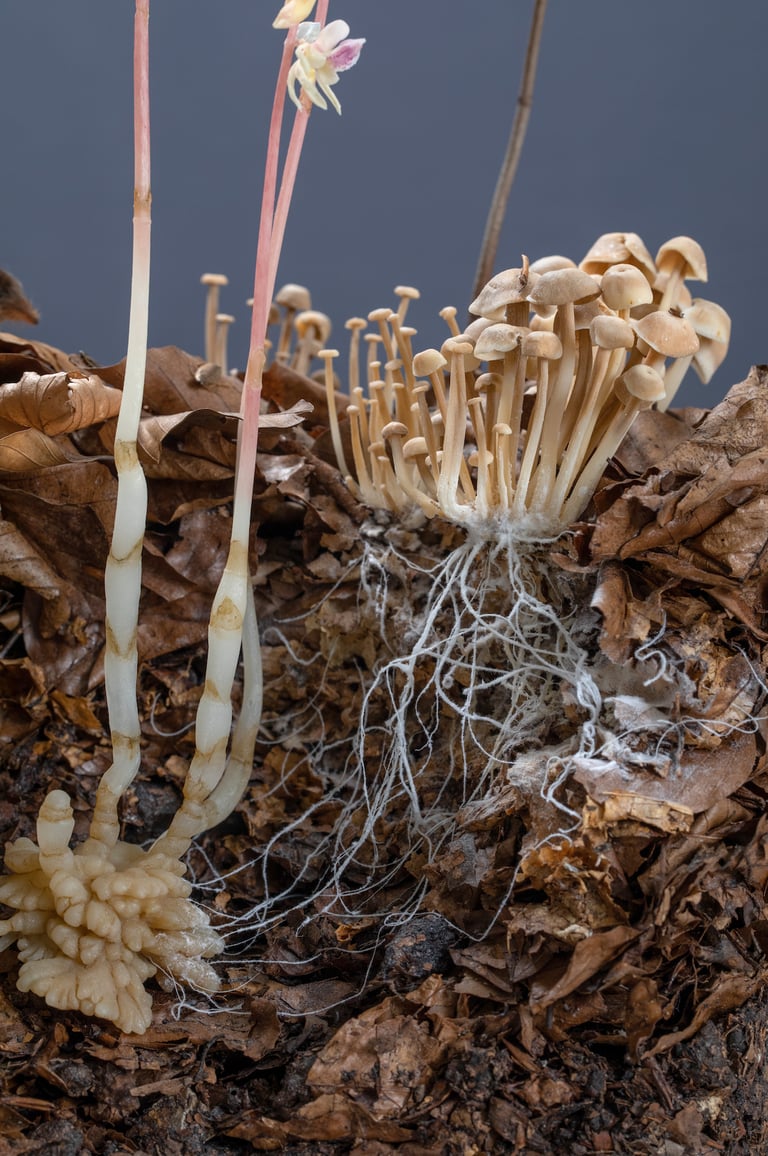
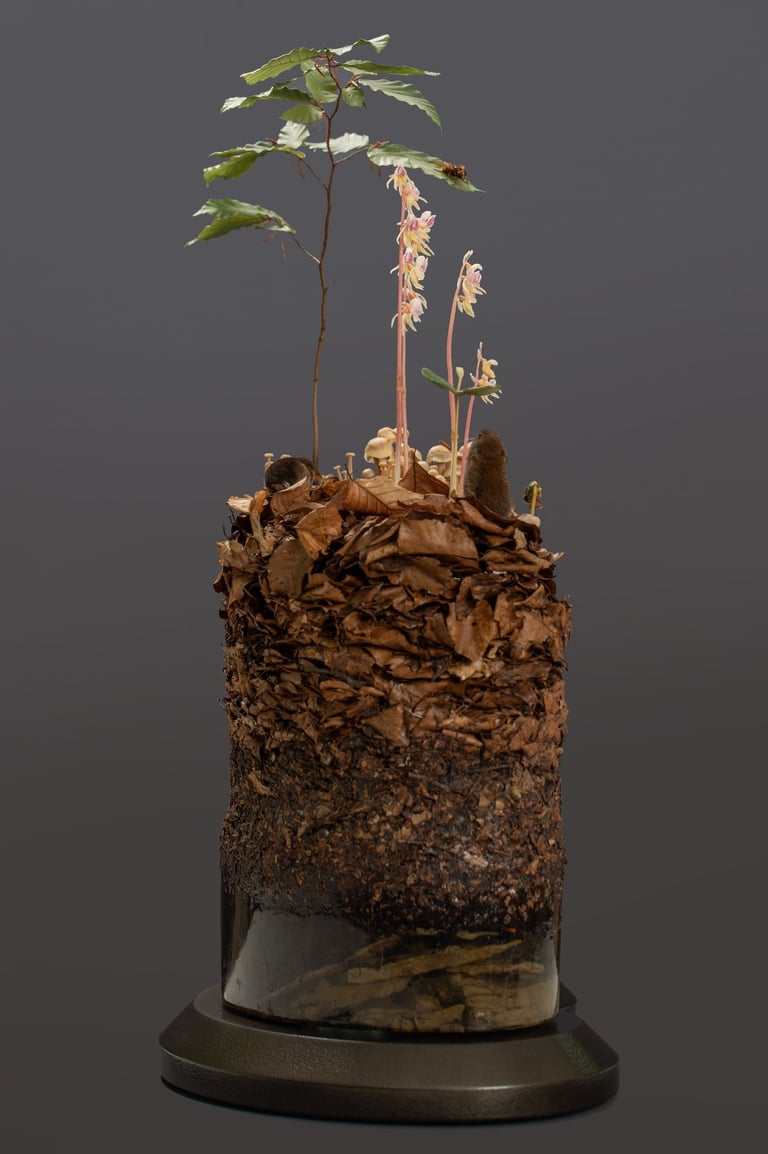
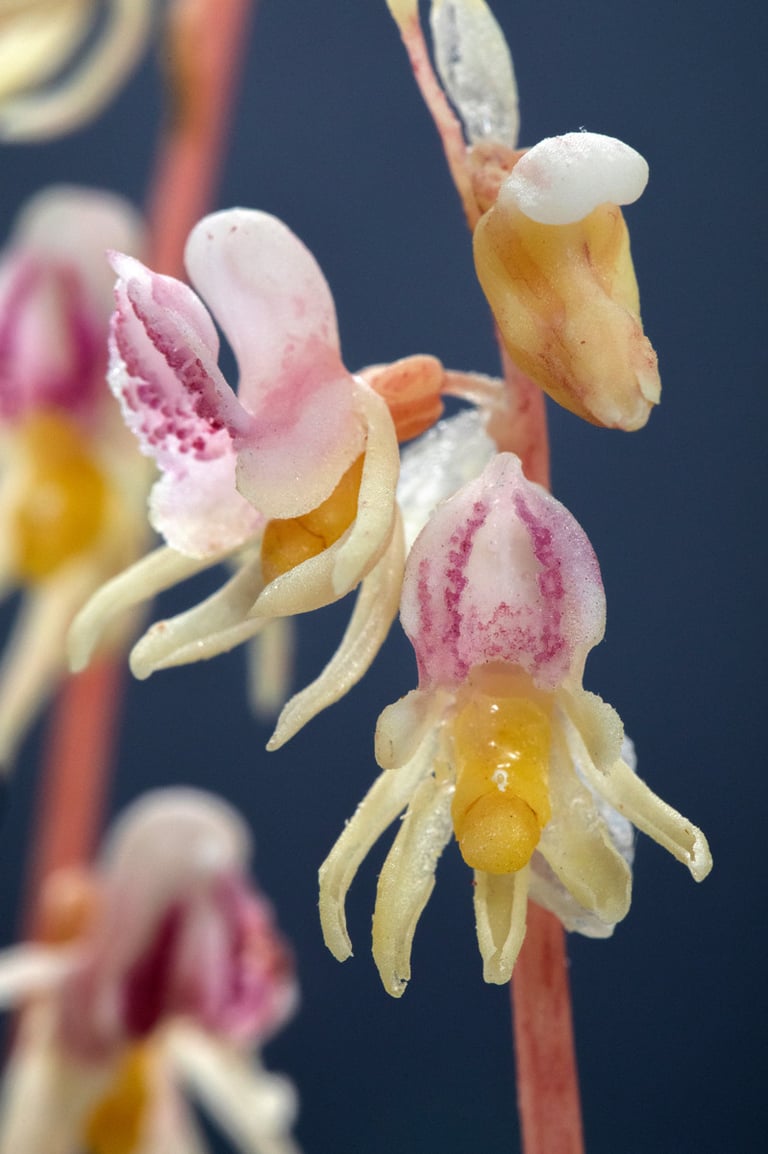
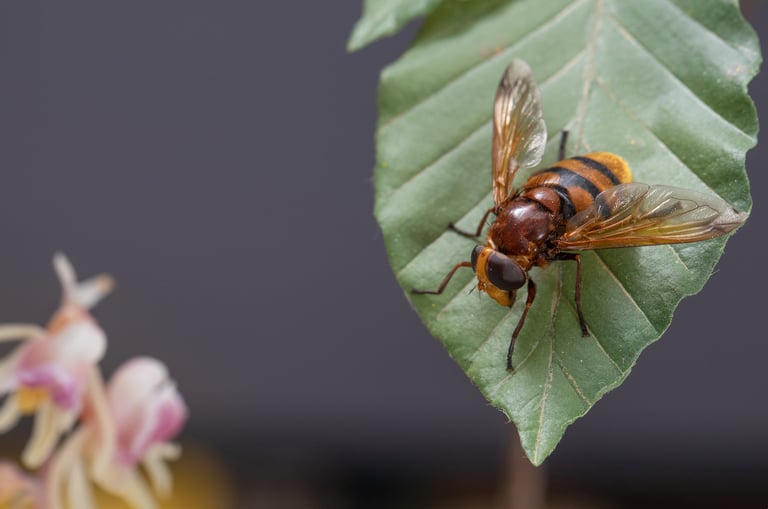
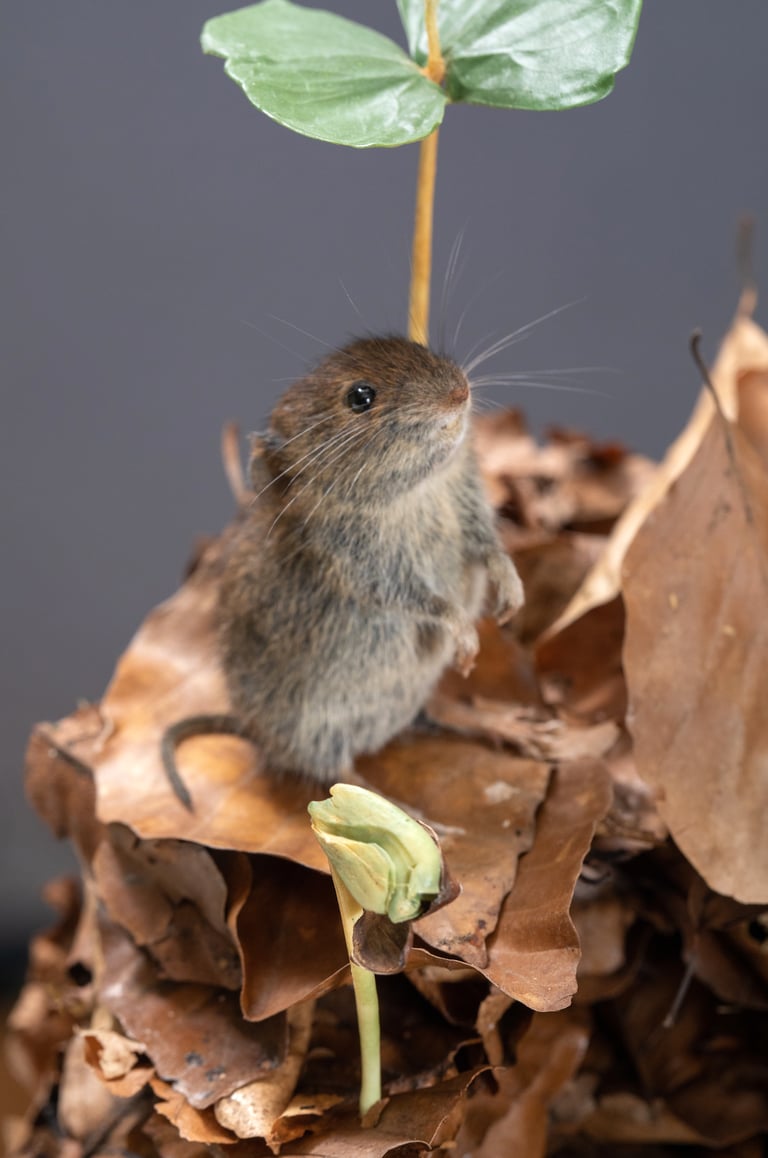
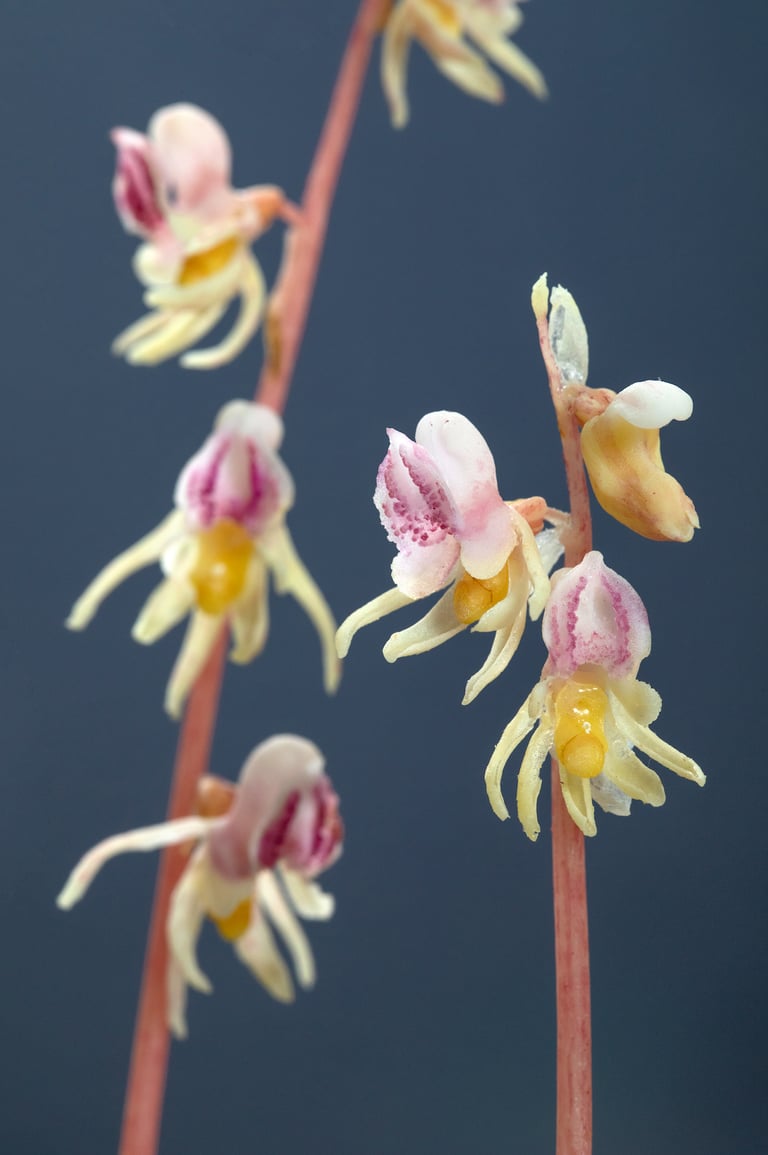
Broschüre zu download
brochure for download
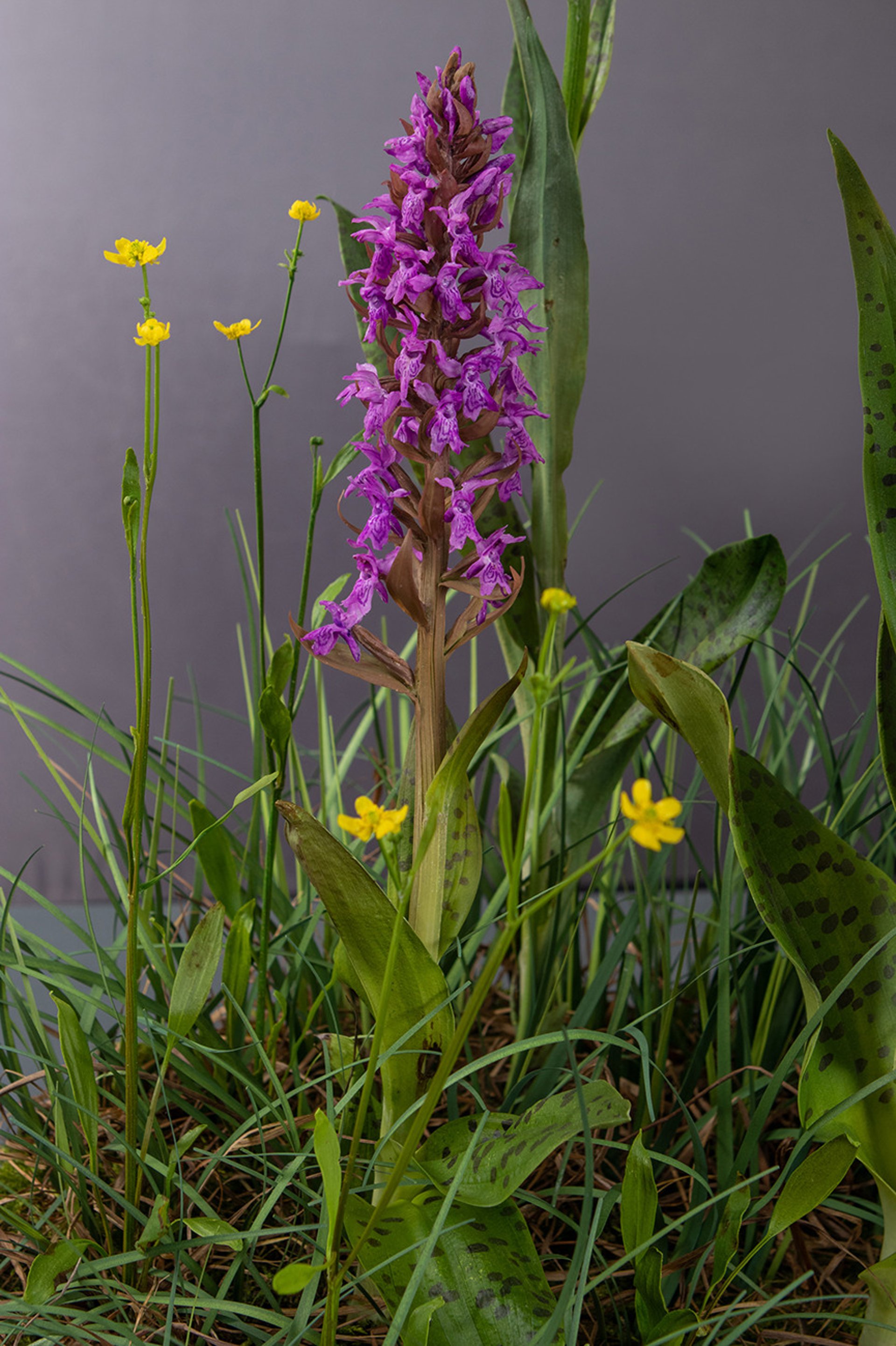
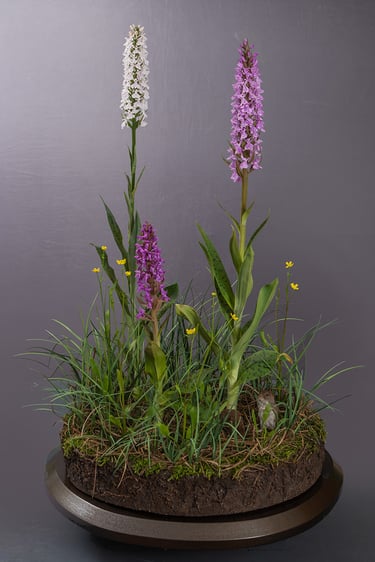
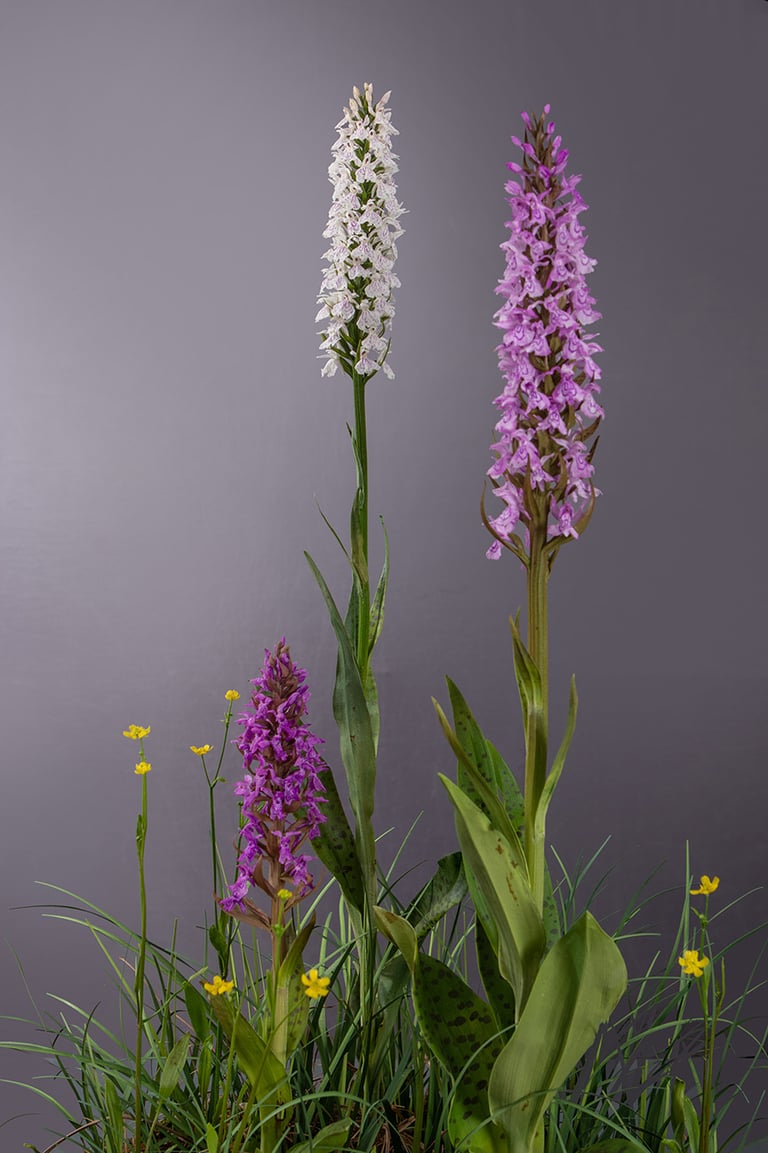
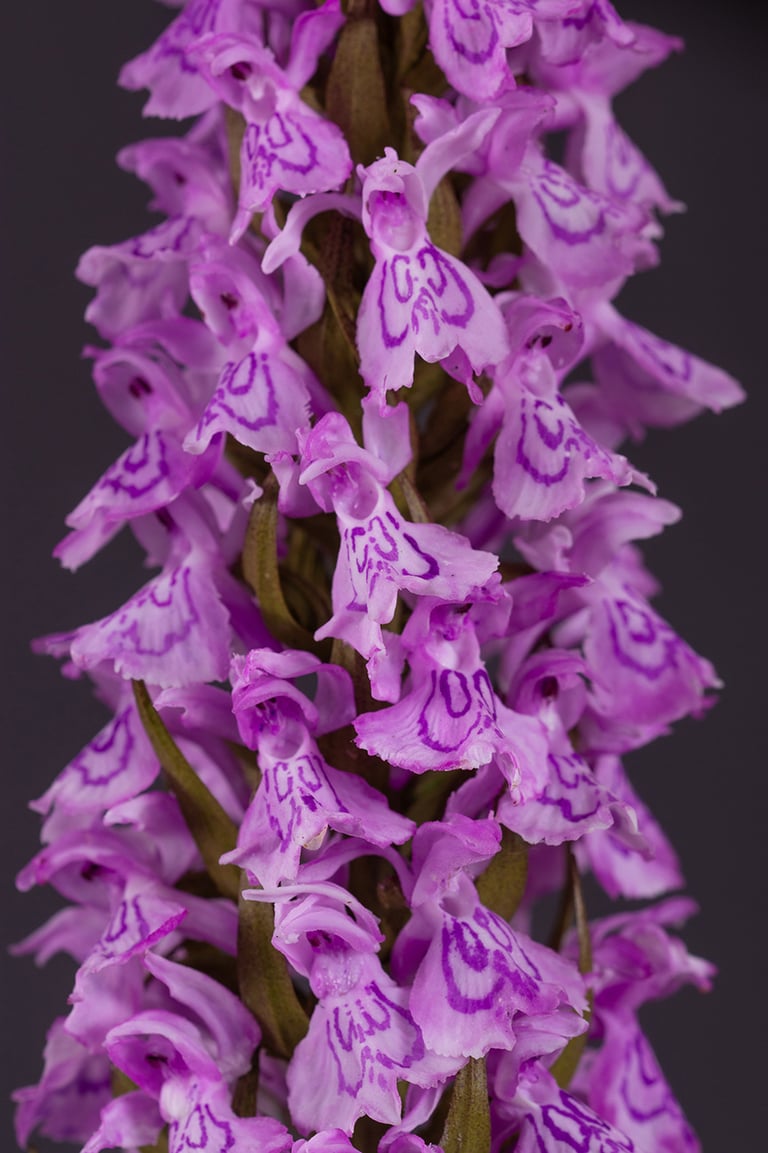
Marsh meadow habitat (Dactylorhiza maculata, Dactylorhiza majalis, Dactylhoriza X townsendiana, Ranunculus flammula etc.)
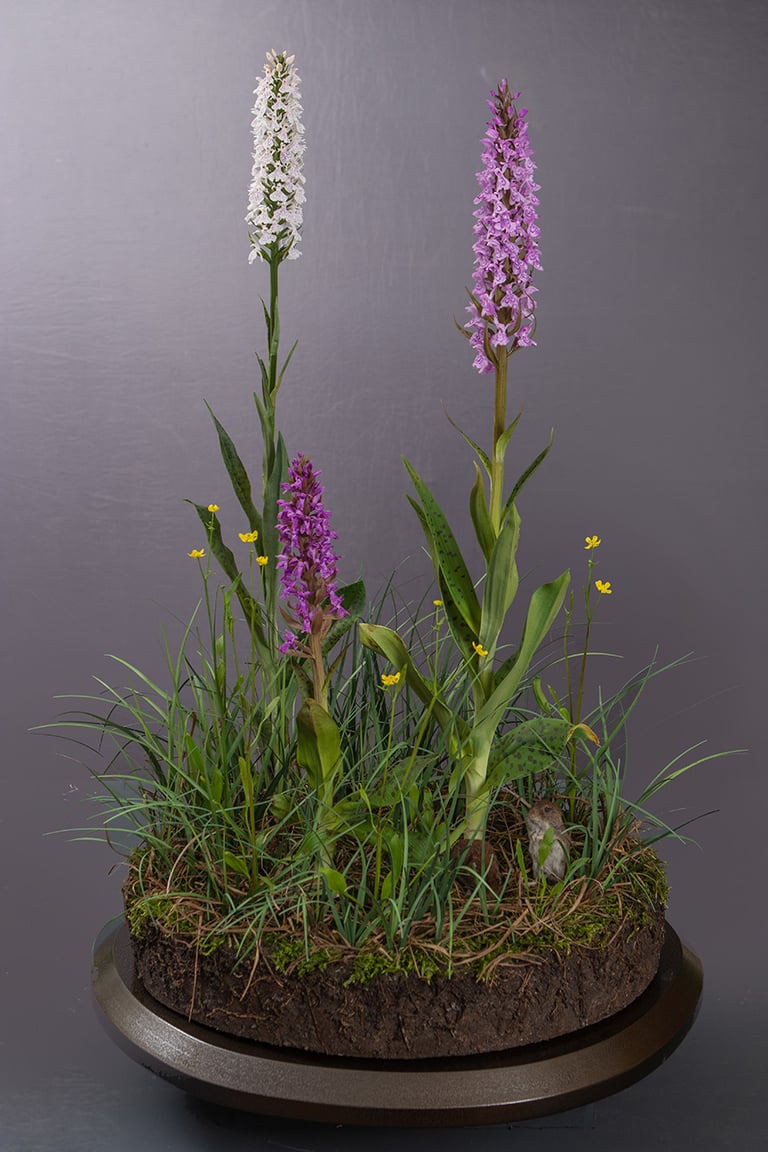
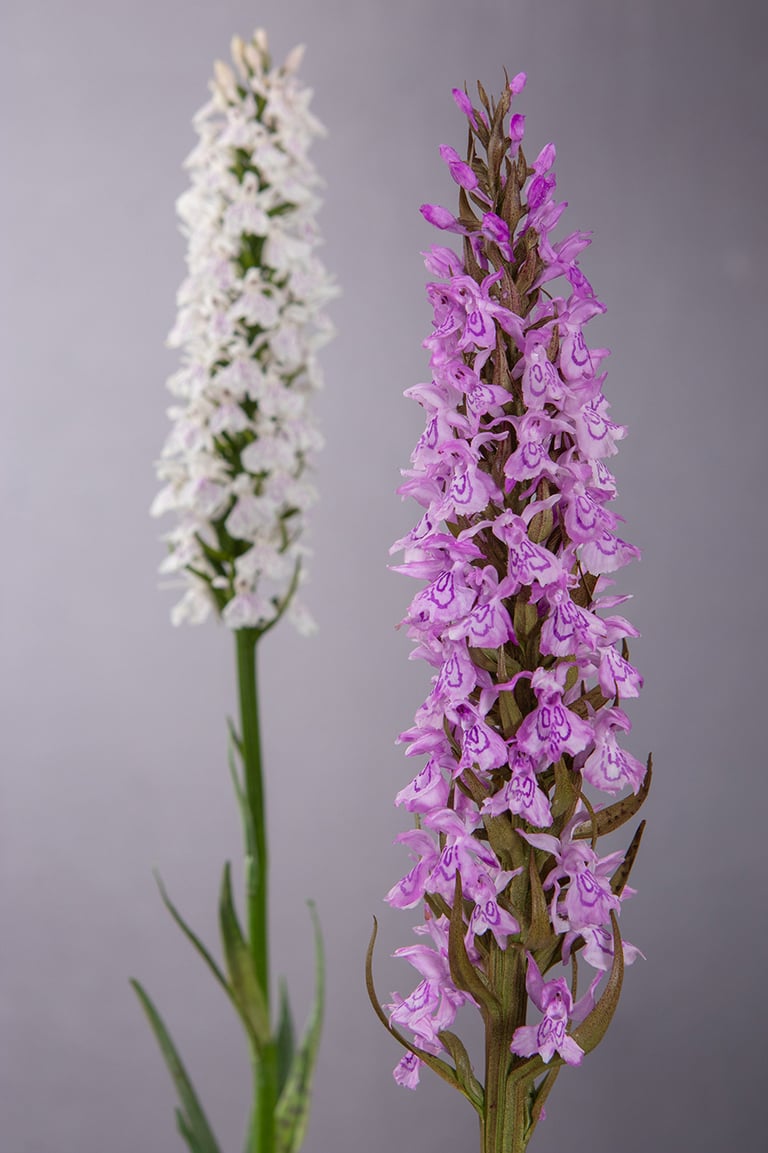
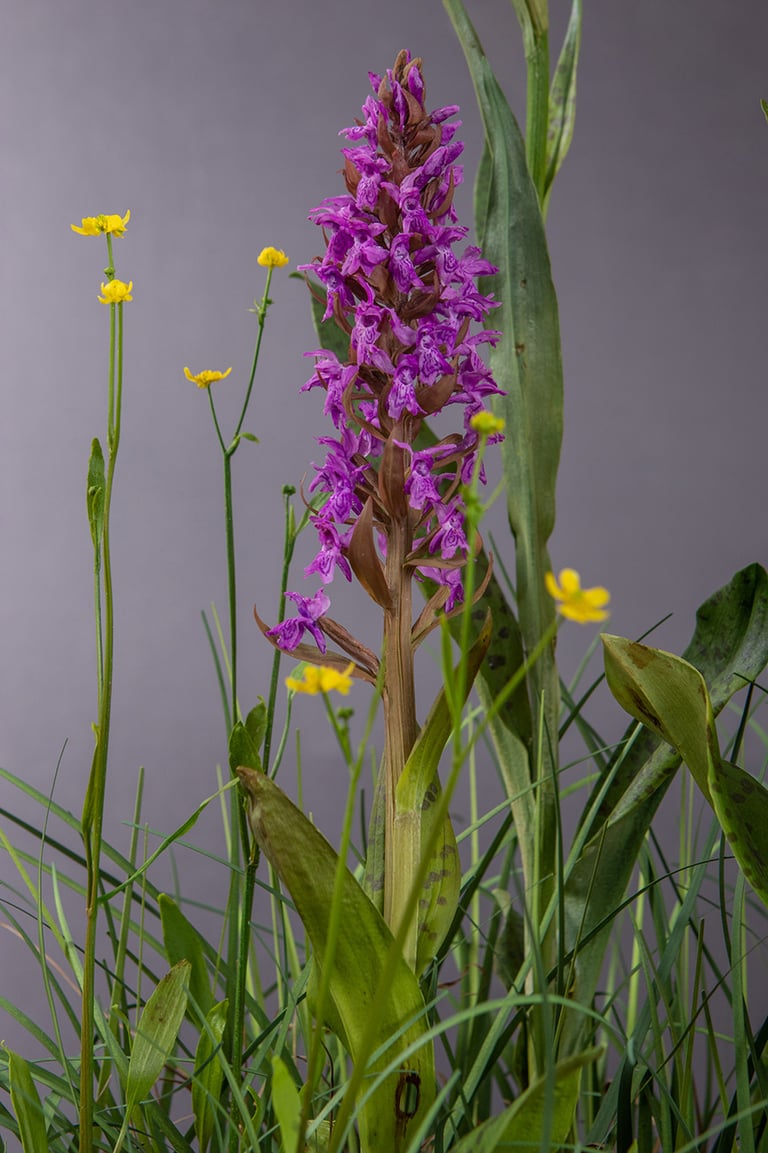
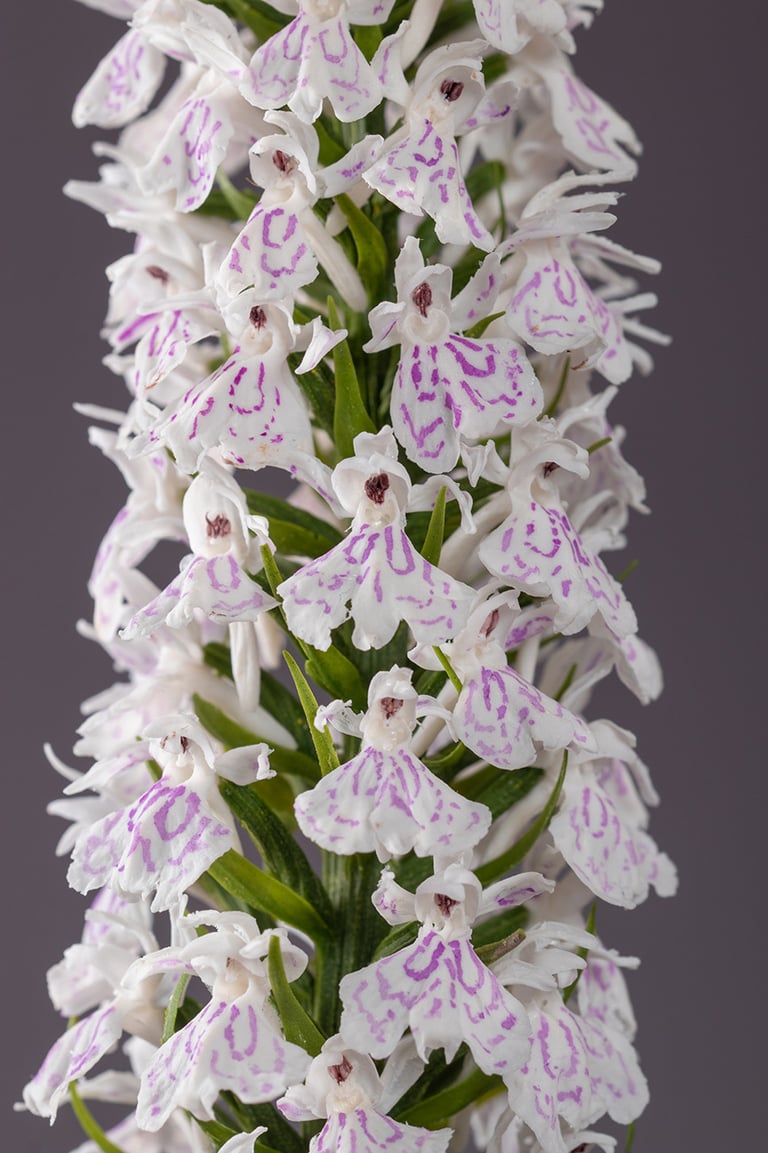
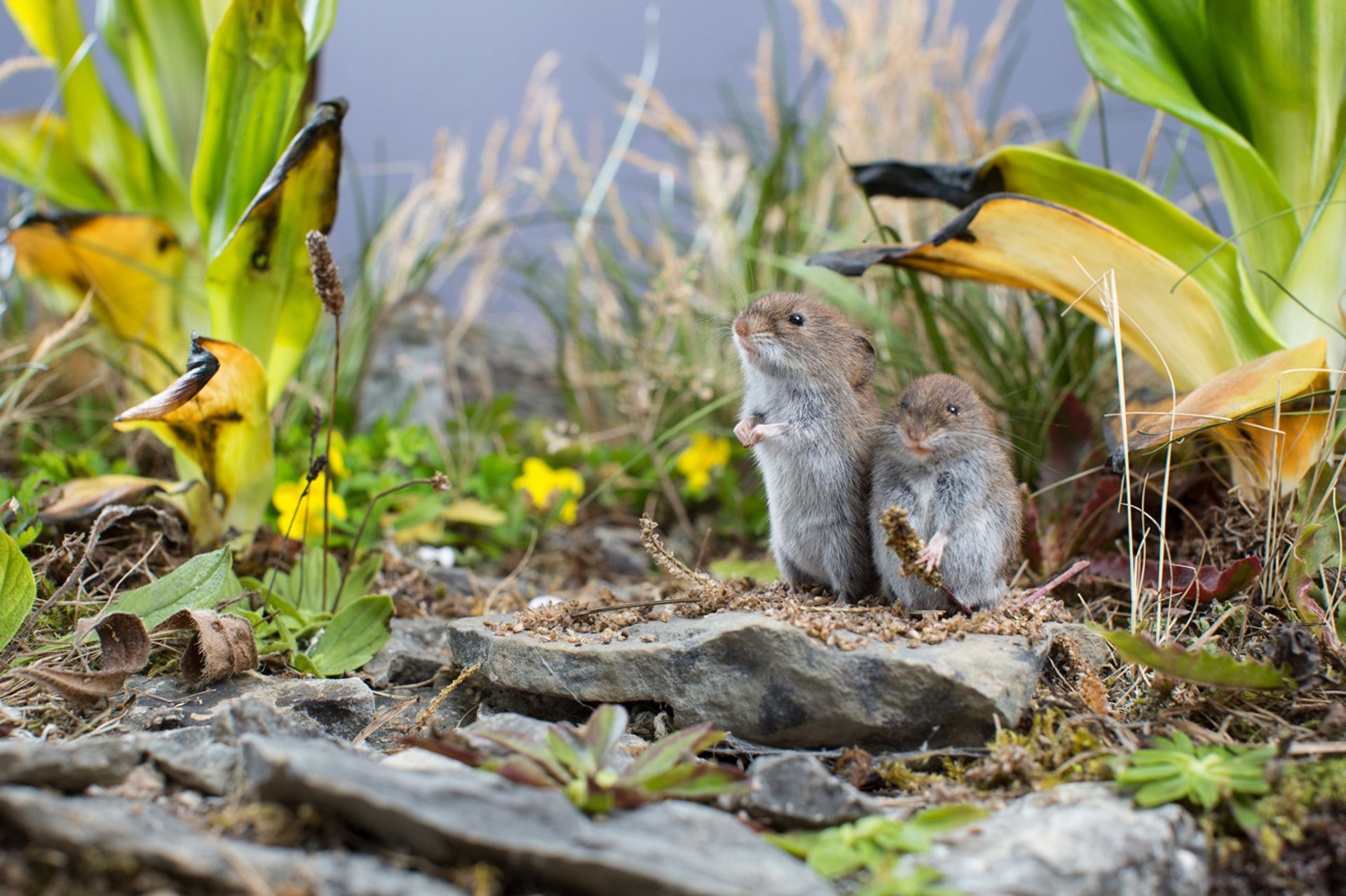
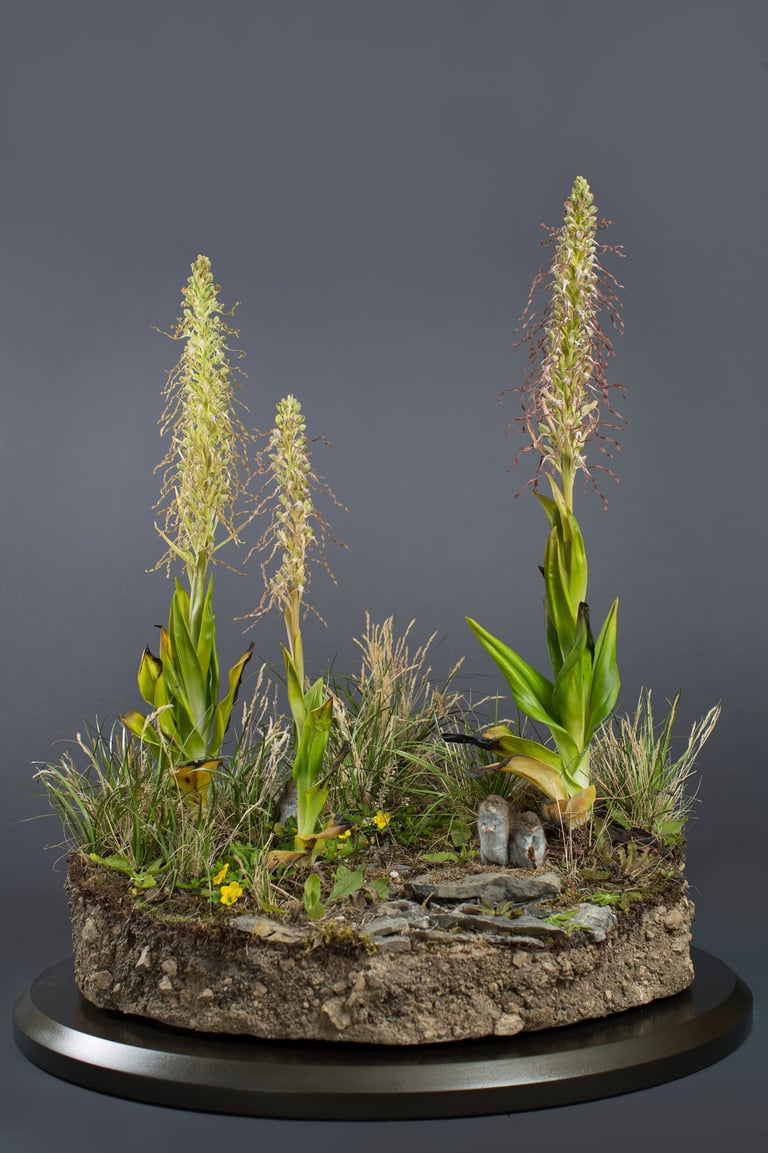
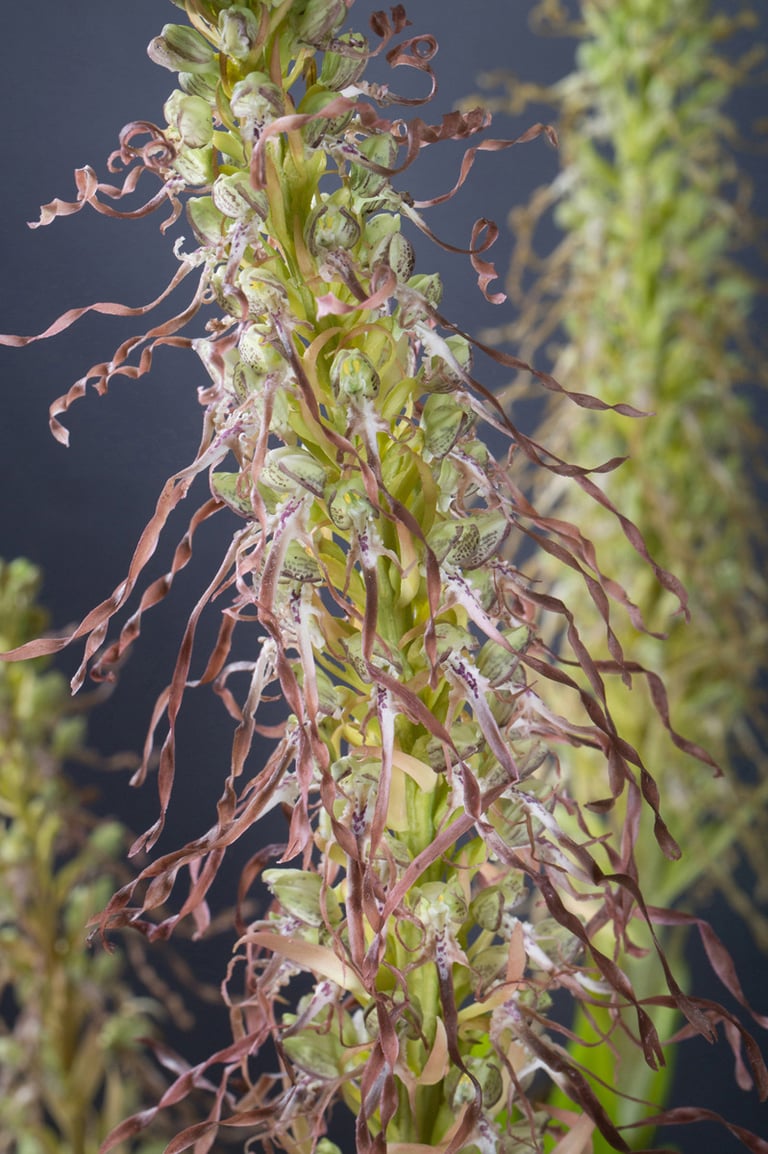
Habitat "Calcaceous grassland" (Himantoglossum hircinum, Plantago major, Potentilla reptans, Salvia vulgaris, Myodes glareolus, Carabus granulatus etc.)
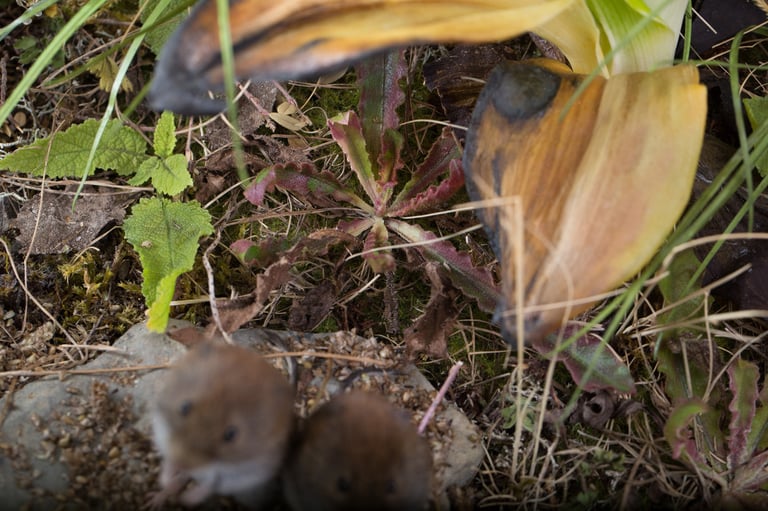
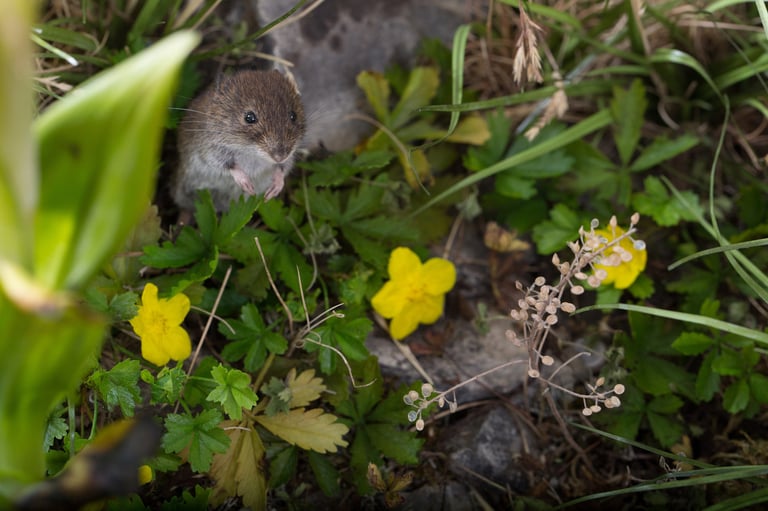
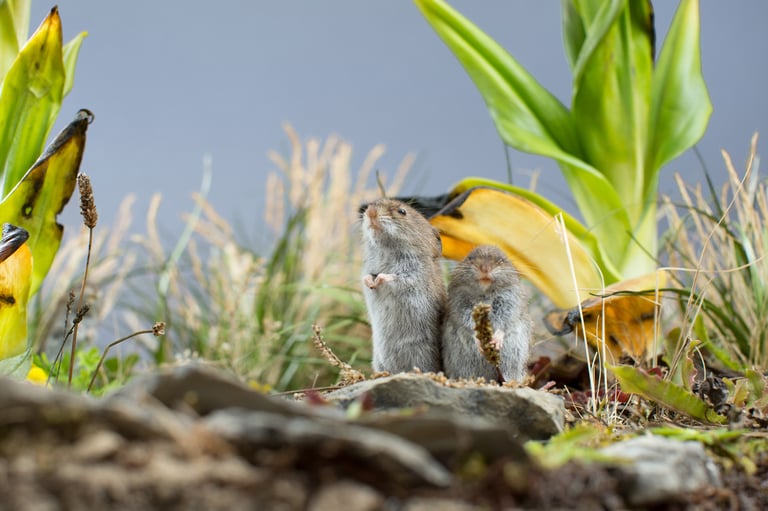
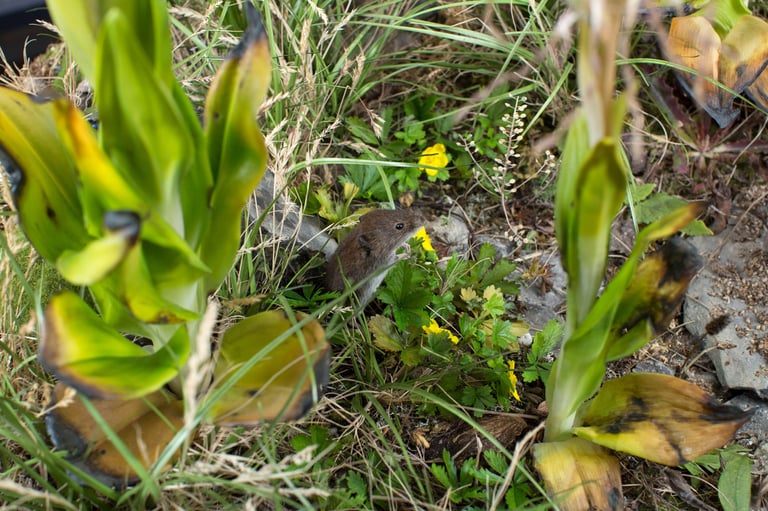
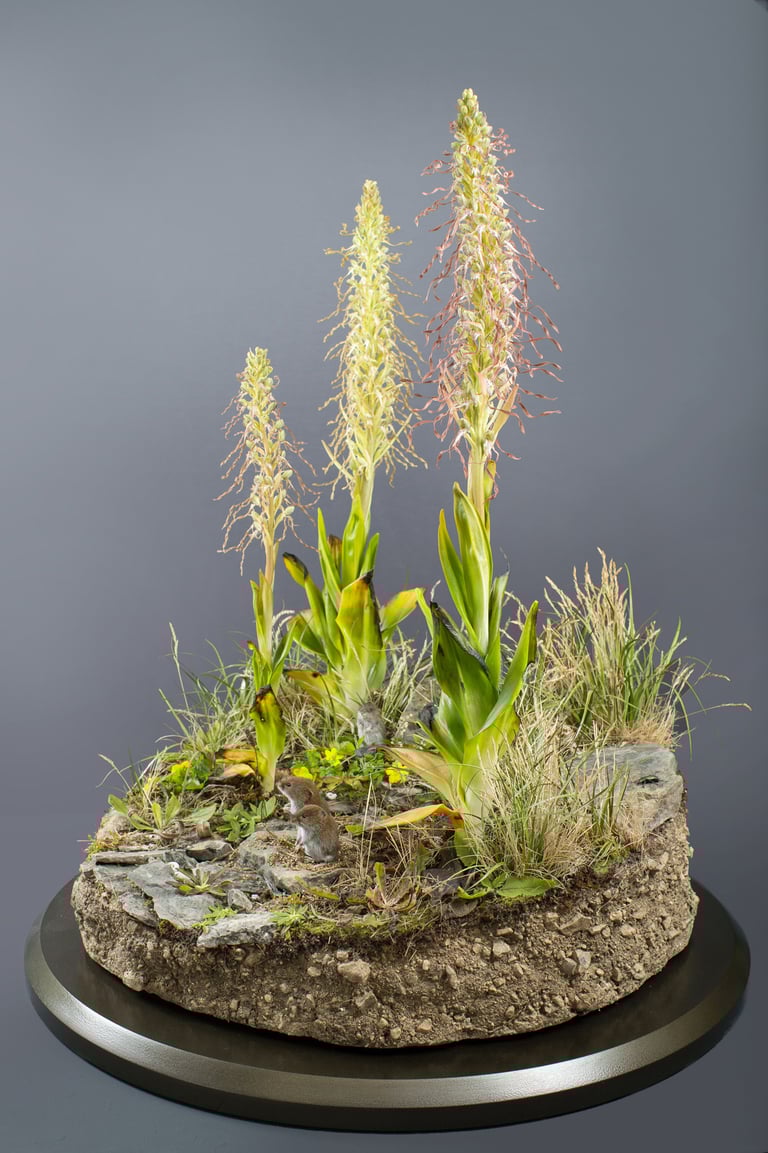
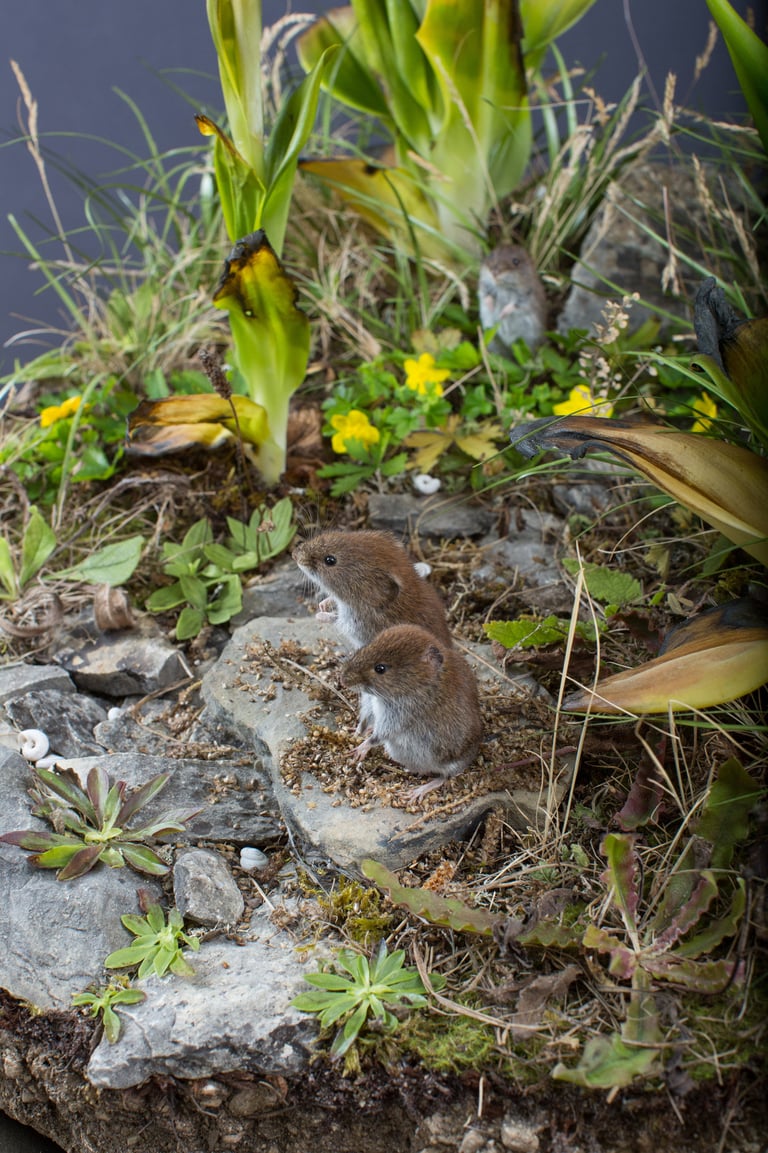
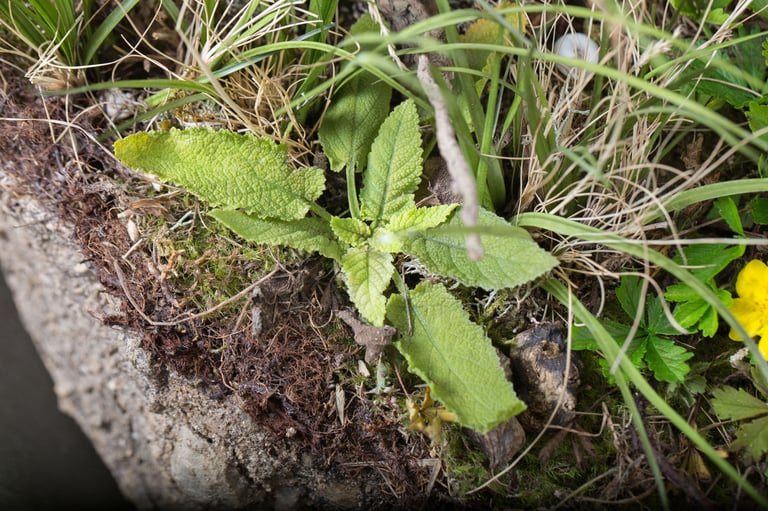
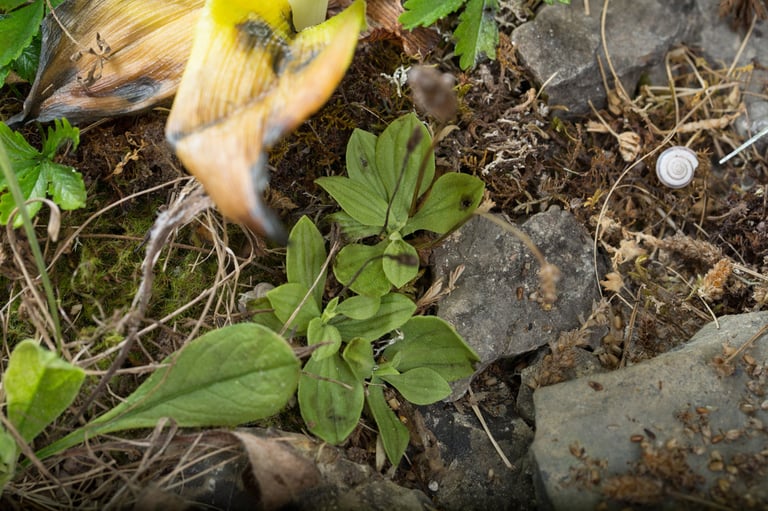
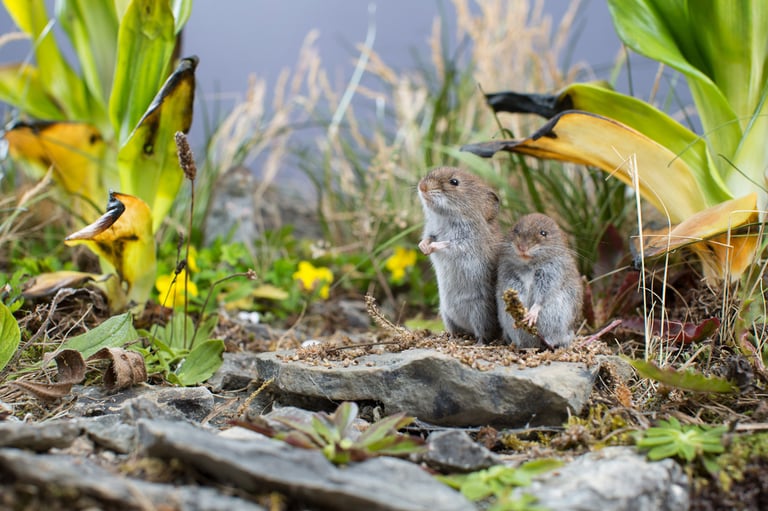
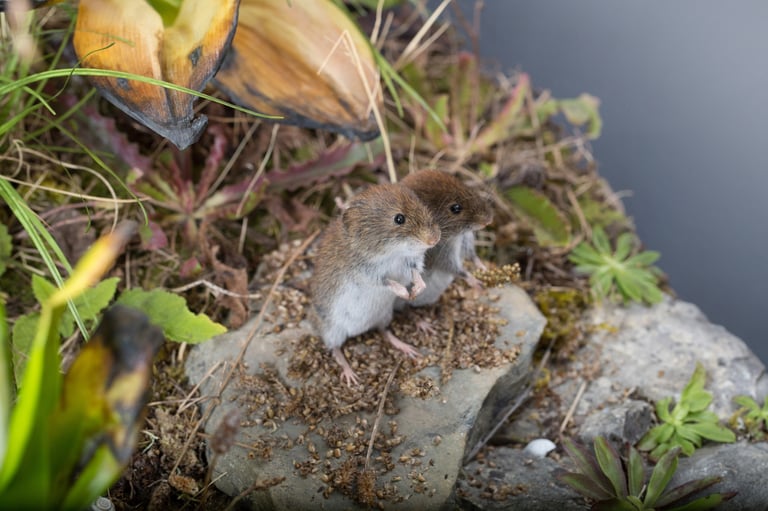
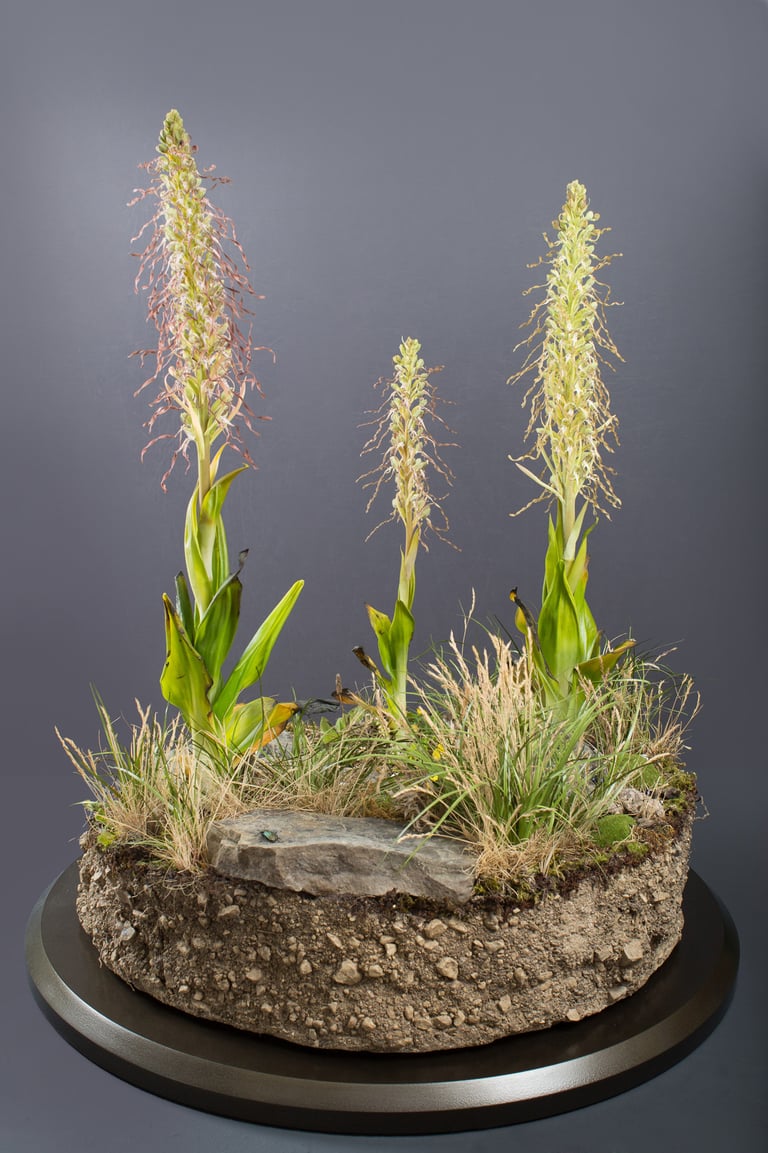
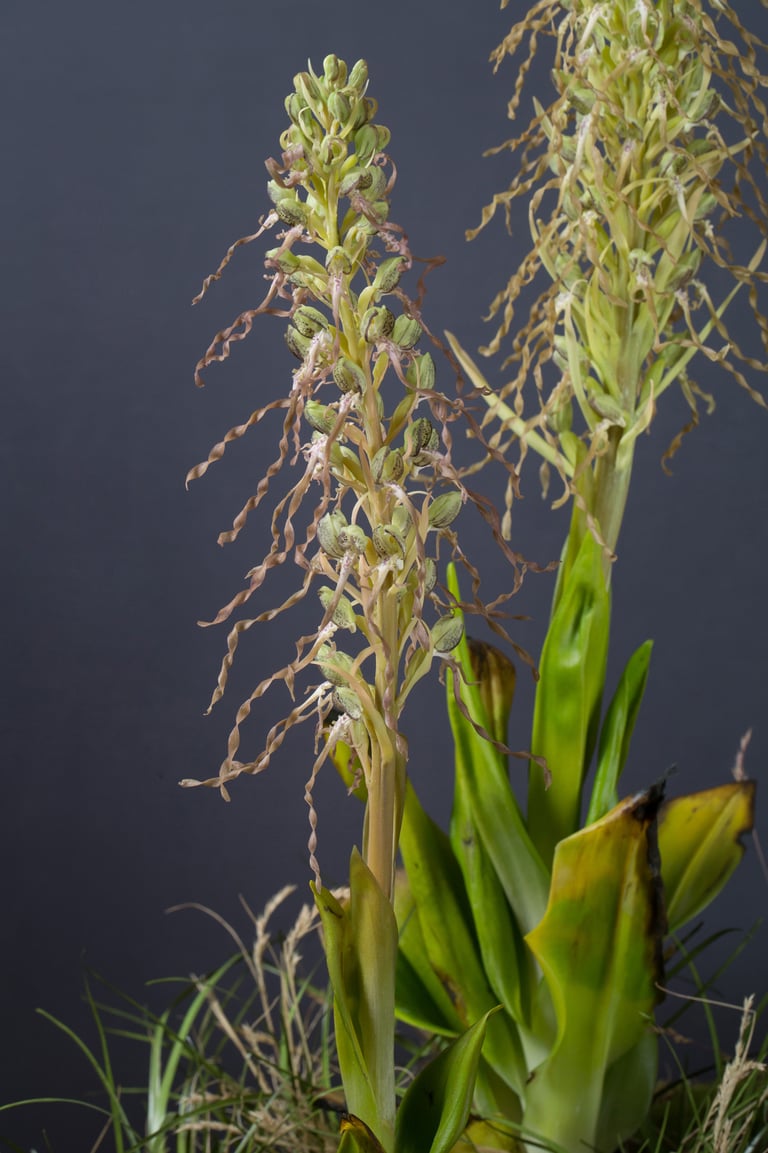
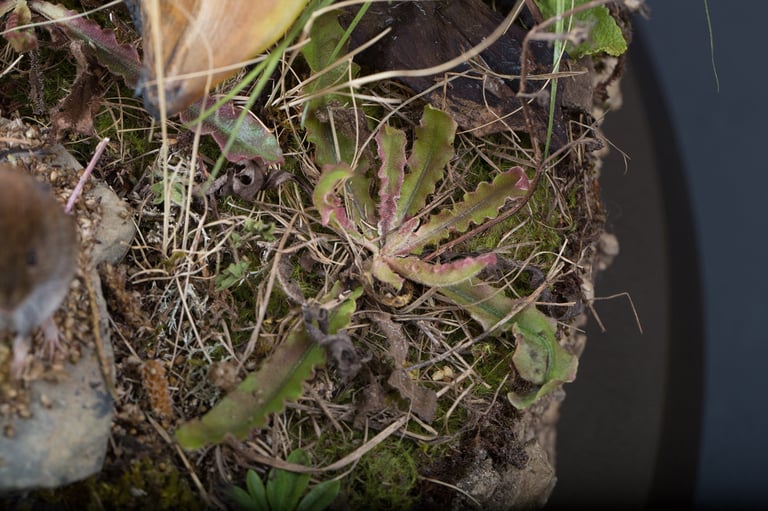
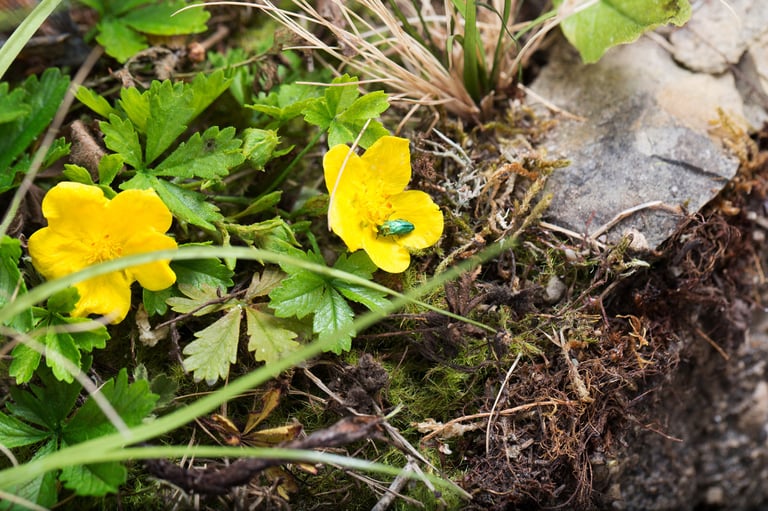
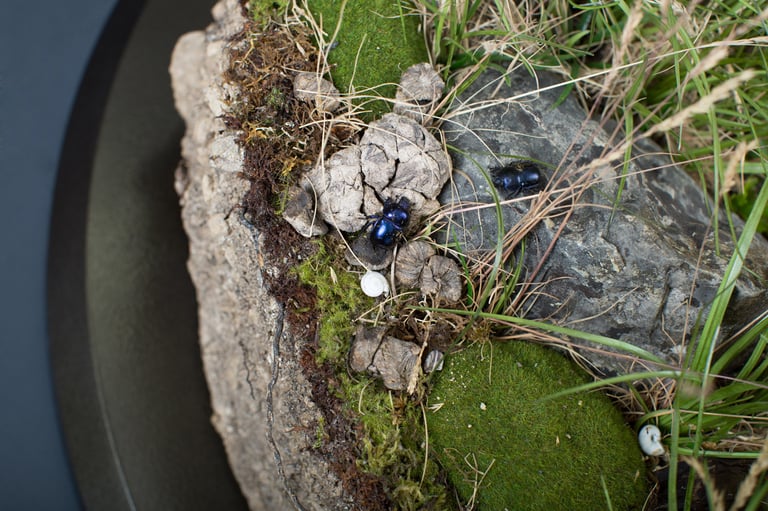
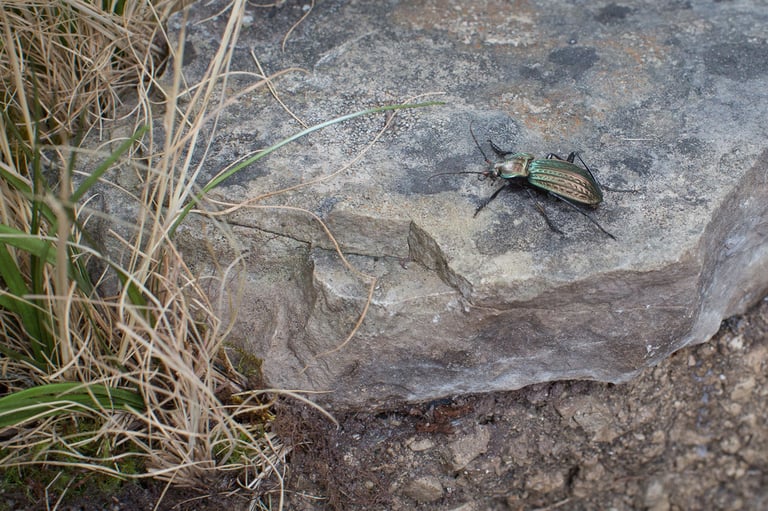
brochure for download
read blog article on calcaerous grassland
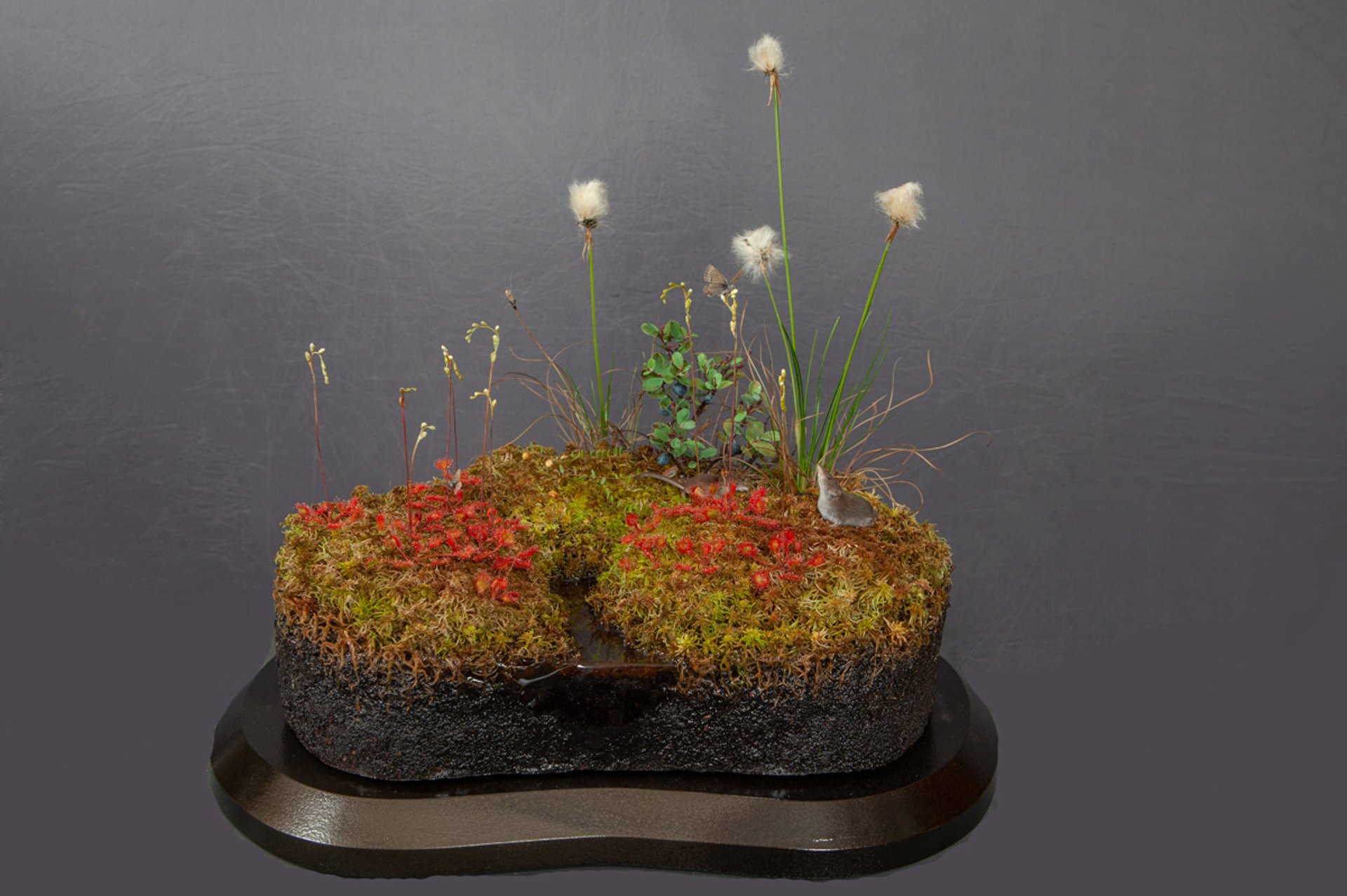
Habitat "Raised bog" (Drosera rotundifolia, Vaccinum uliginosum, Vaccinum oxycoccos, Eriophorum vaginatum, Sphagnum sp., Sorex minutus, Plebejus optilete etc. )
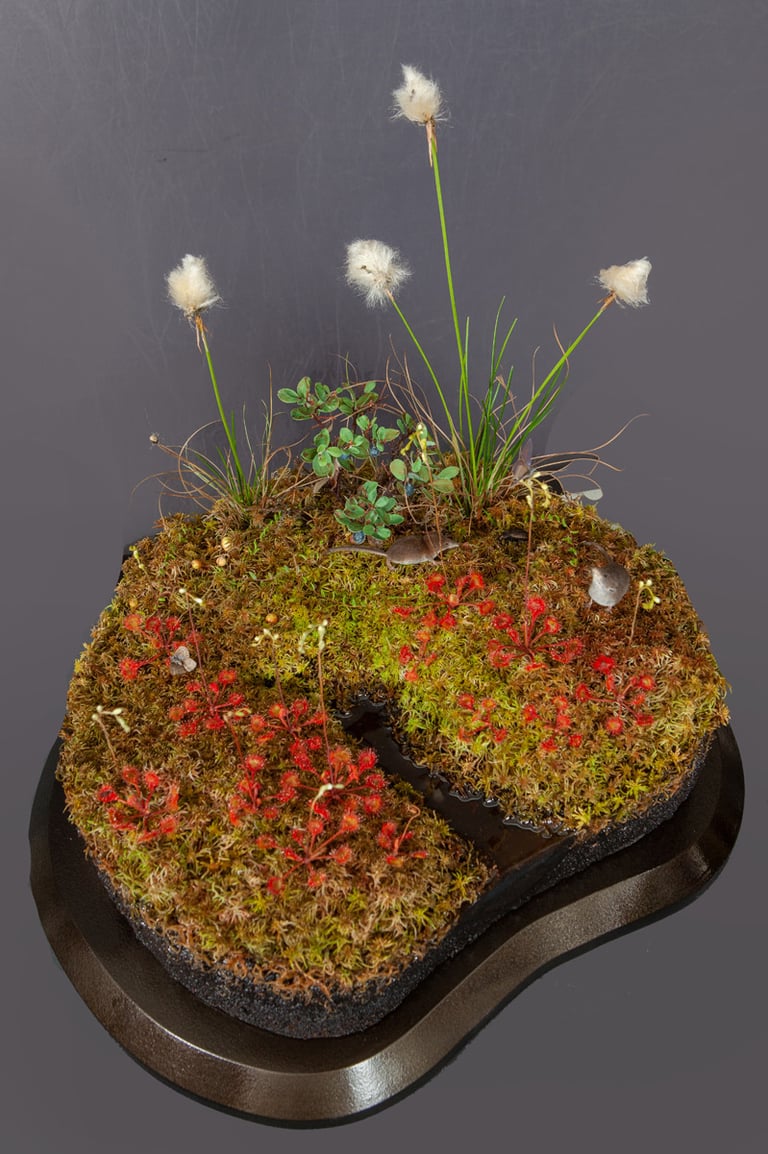
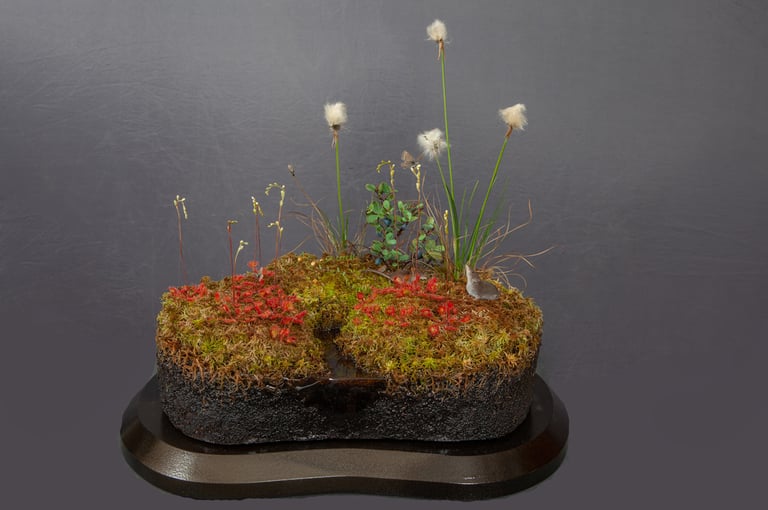
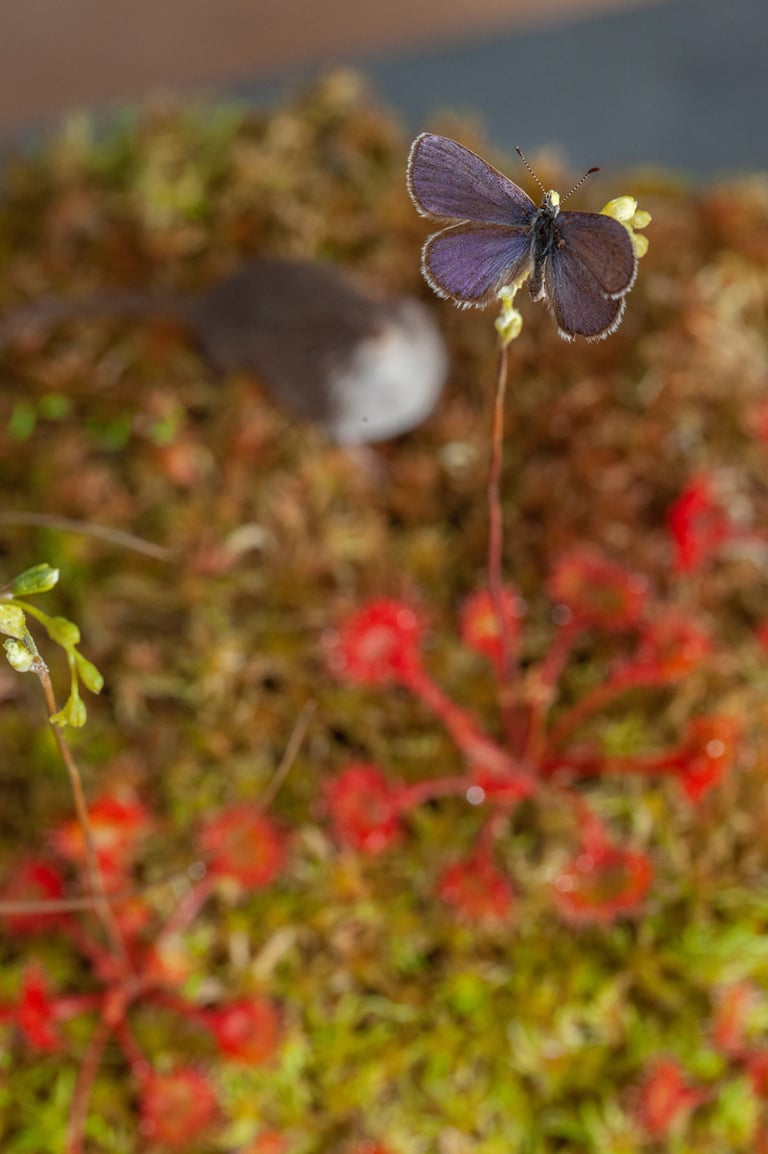
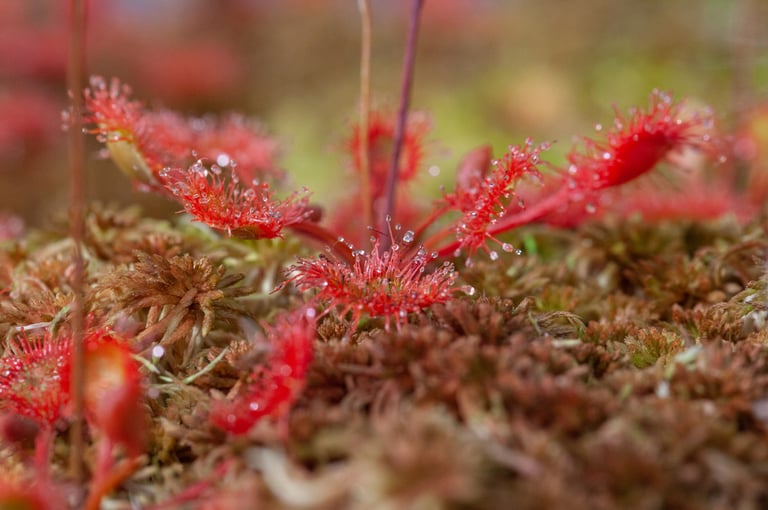
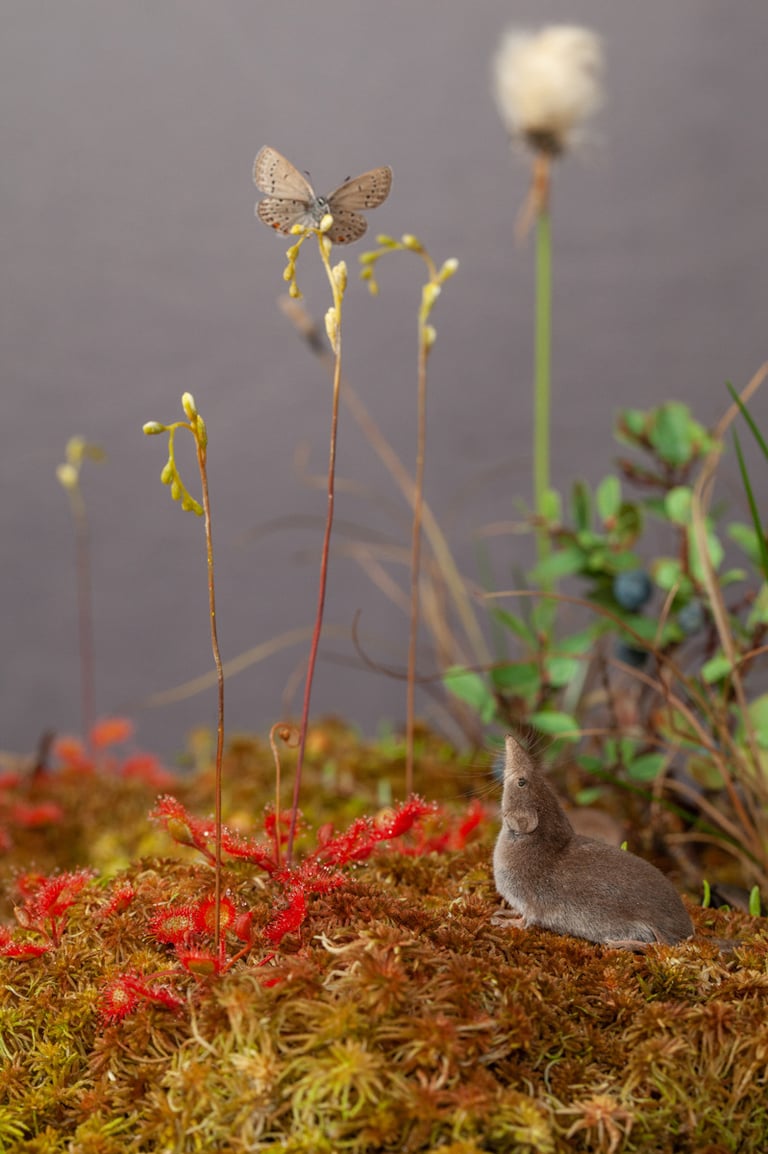
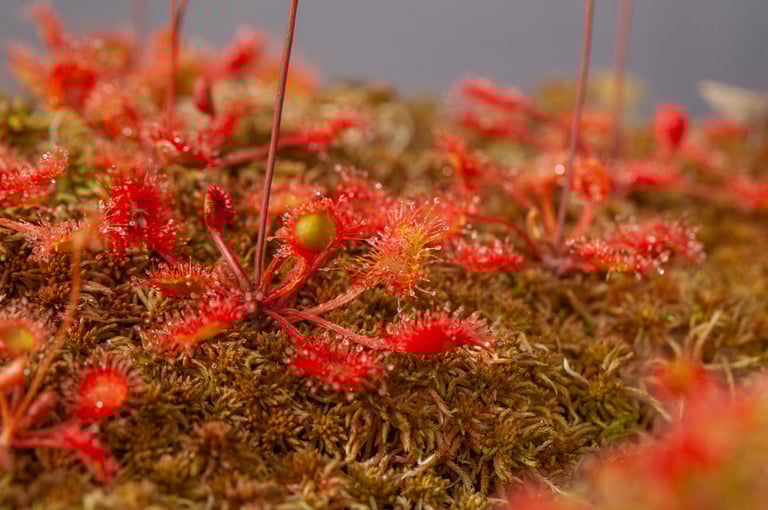
brochure for download
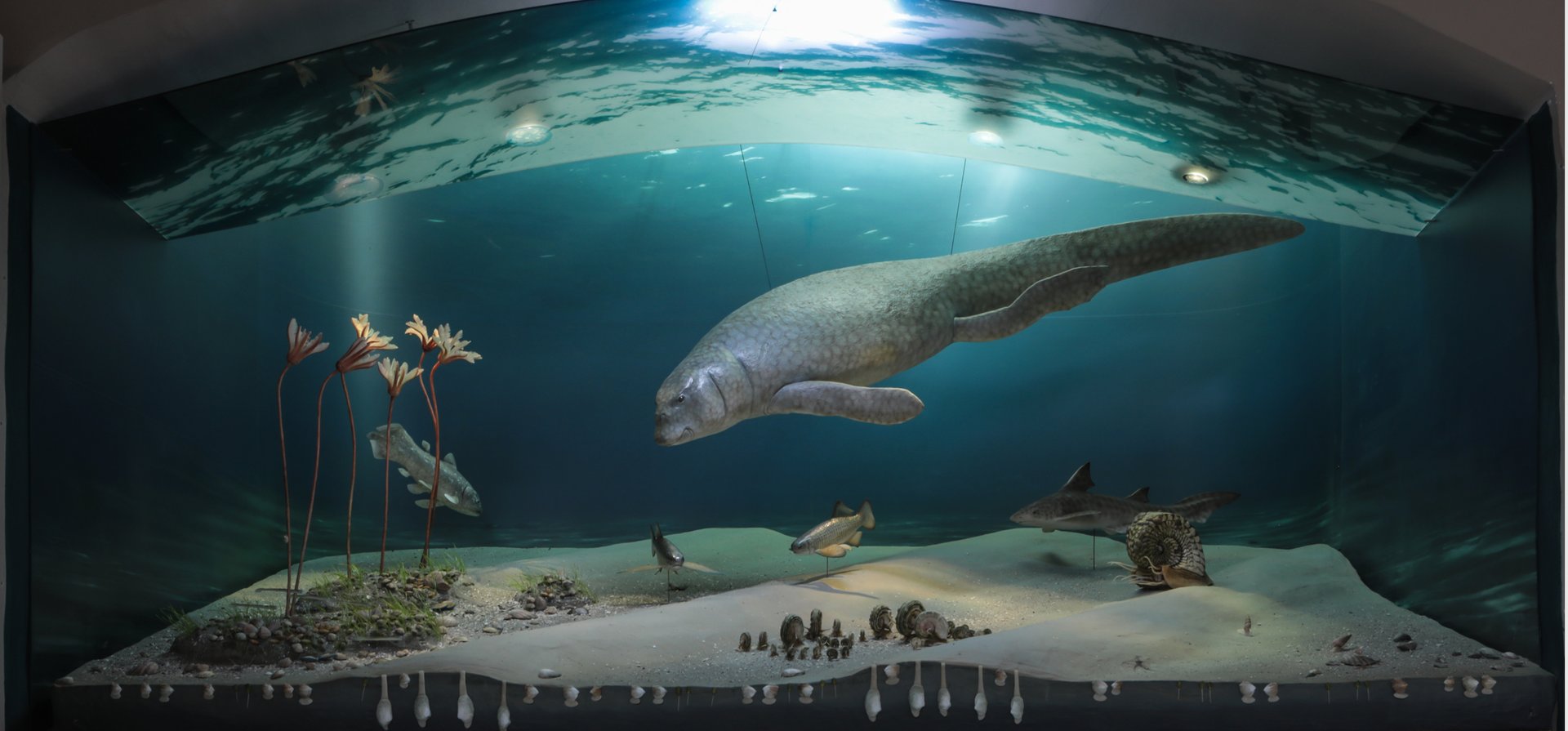
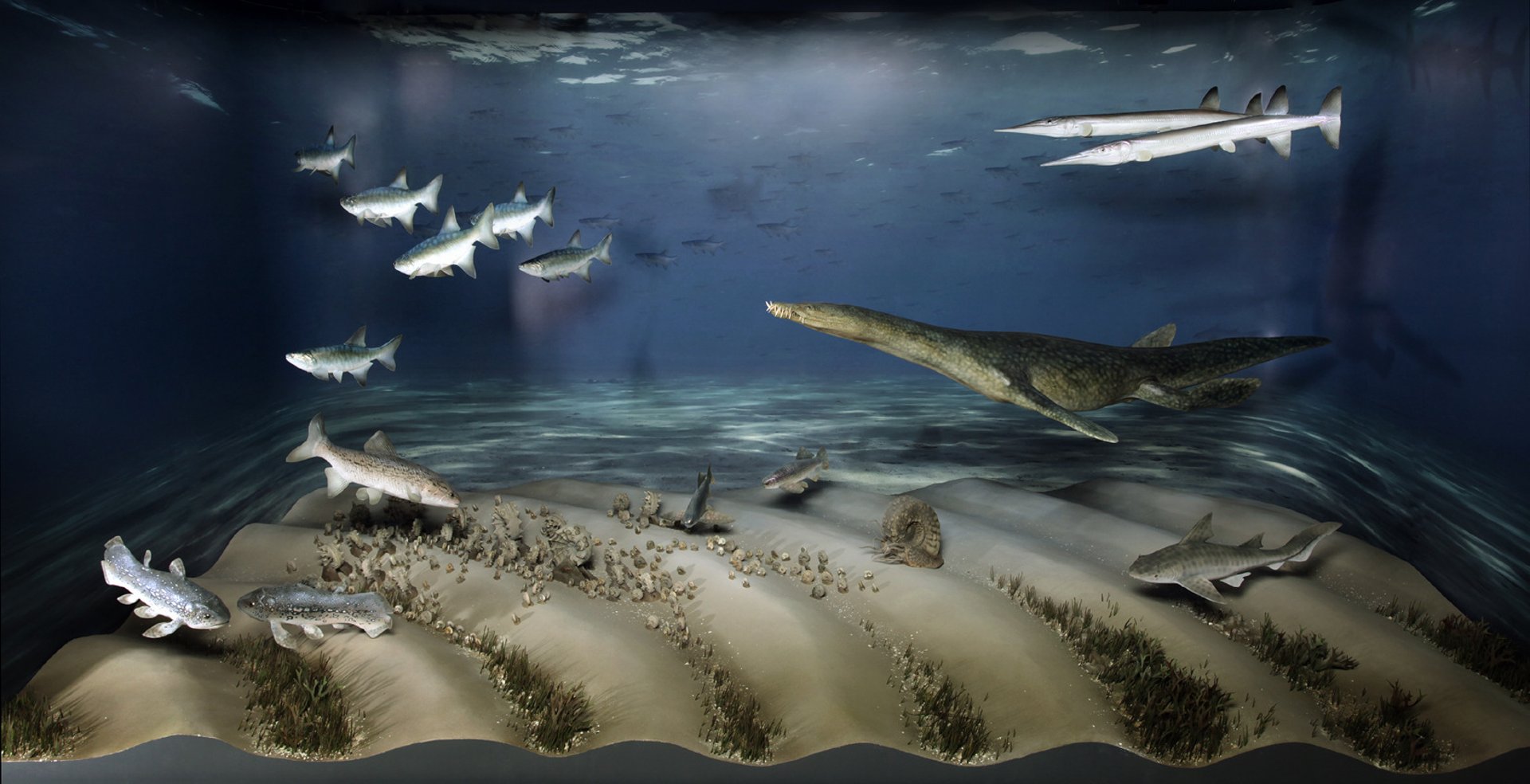
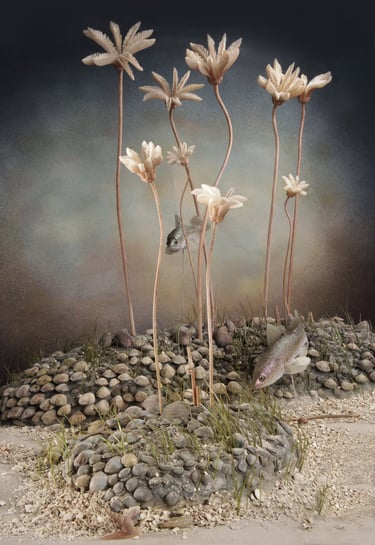
Triassic diorama, Upper Muschelkalk (Placodus gigas, Ceratites evolutus, Germanonautilus sp., Acrodus sp. Dollopterus sp., Pleuromya musculoides, Encrinus sp. etc. )
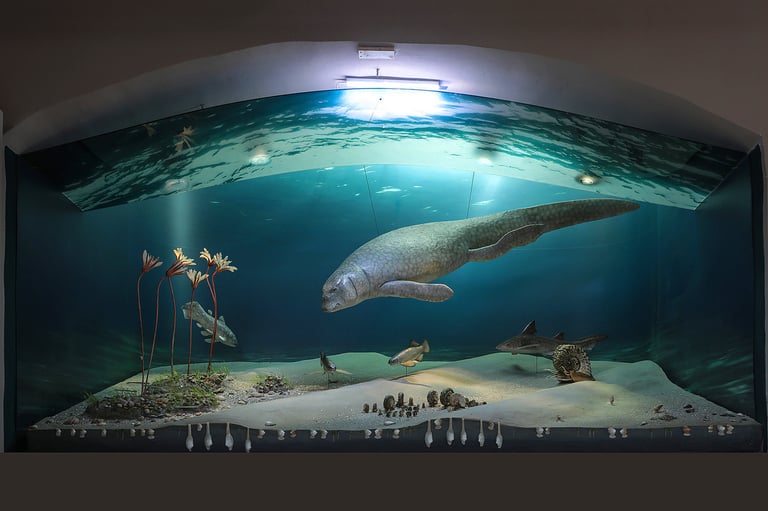
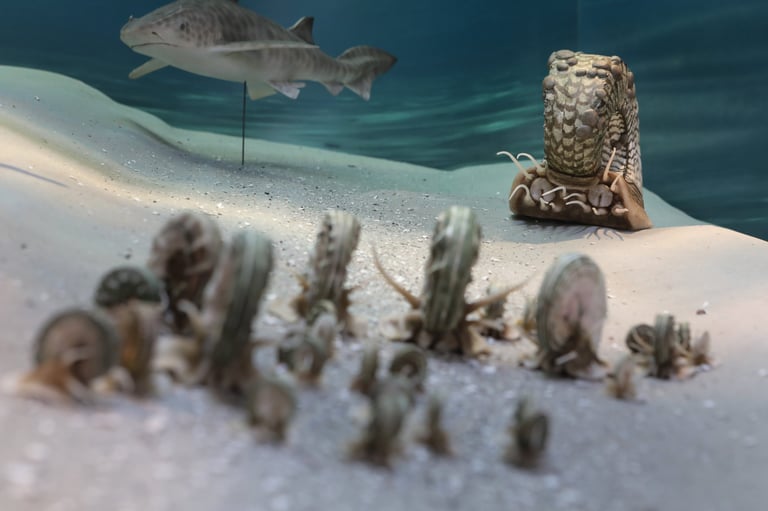
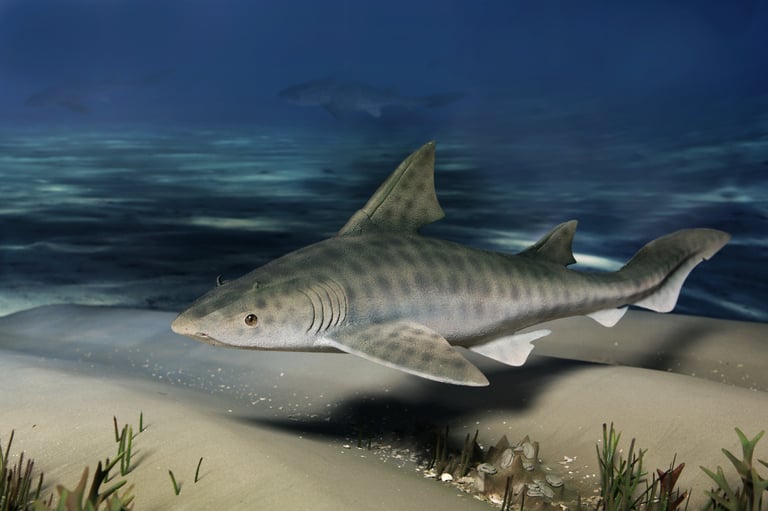
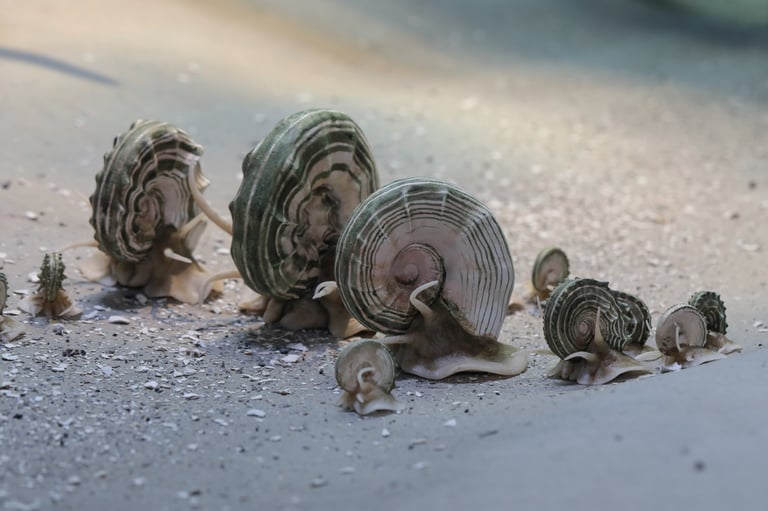
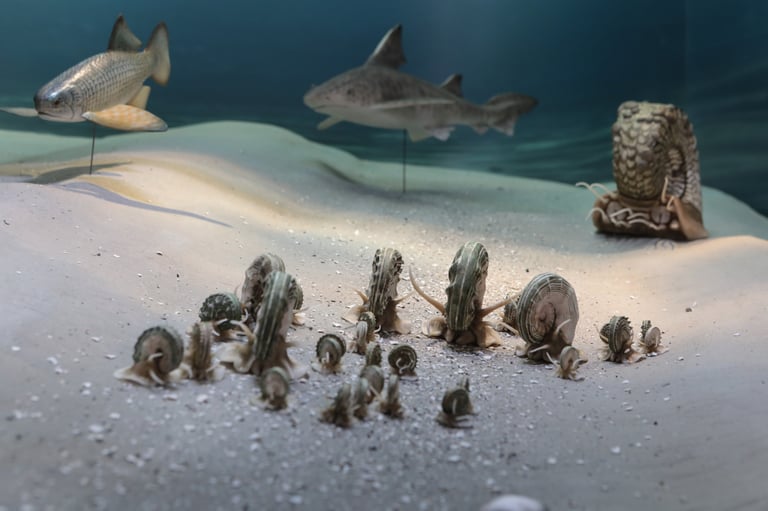
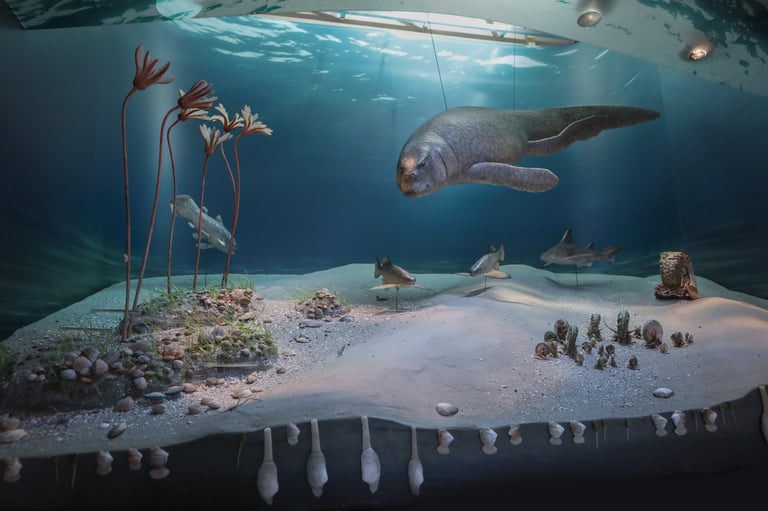
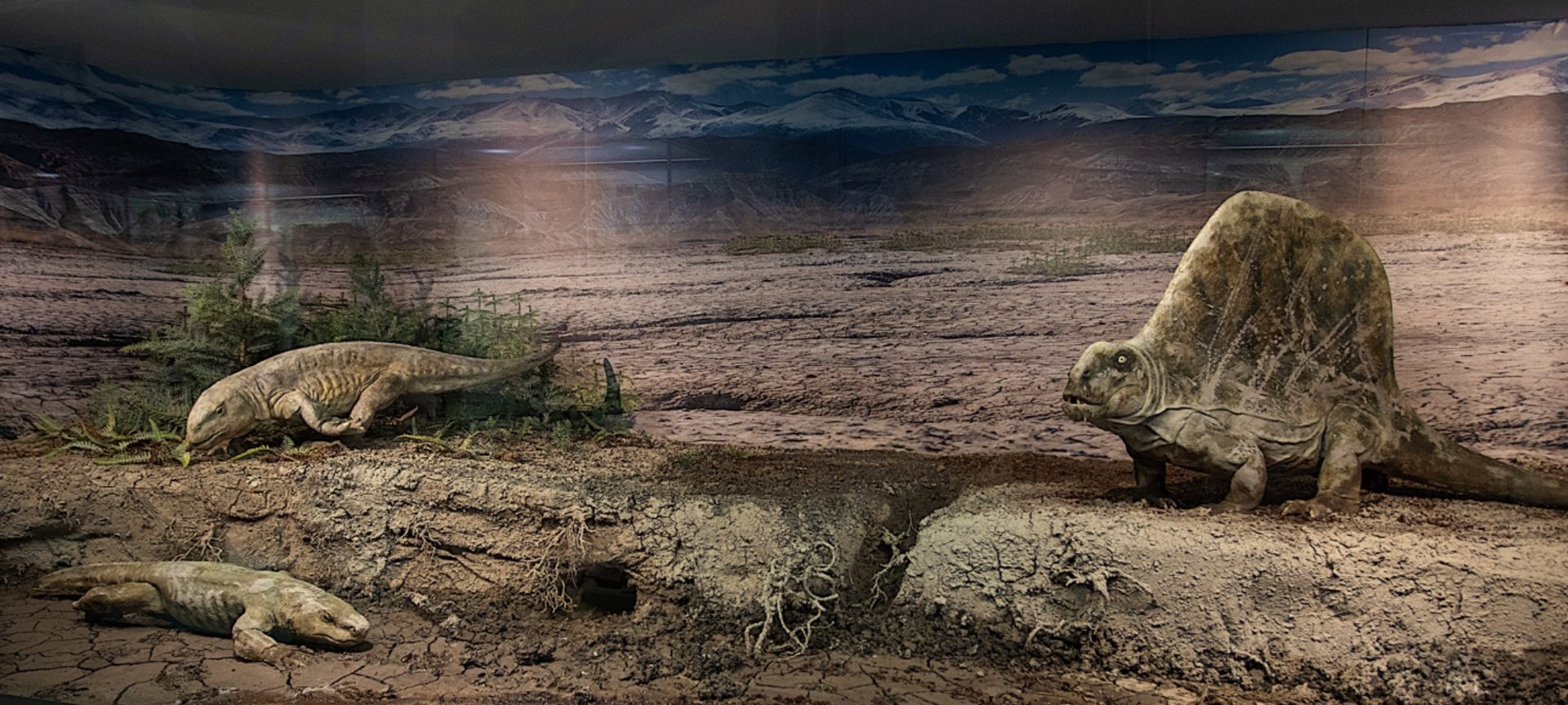
Perm-Diorama "Bromacker" (Dimetrodon teutonis, Diadectes absitus, Orobates pabsti)
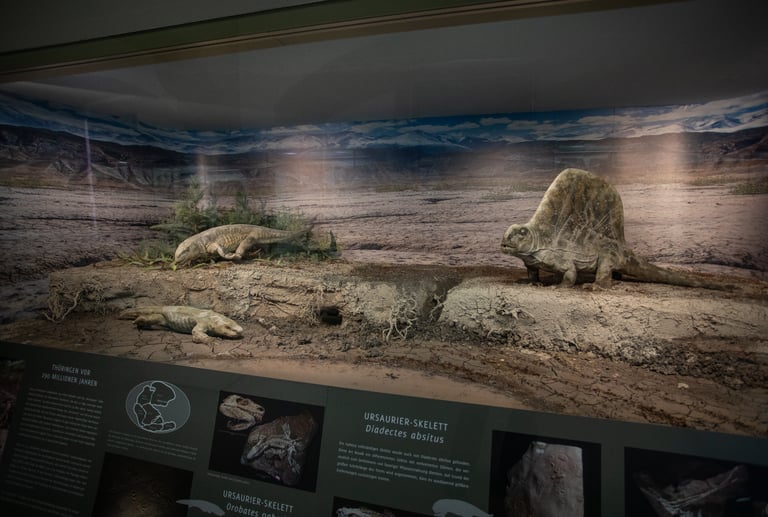
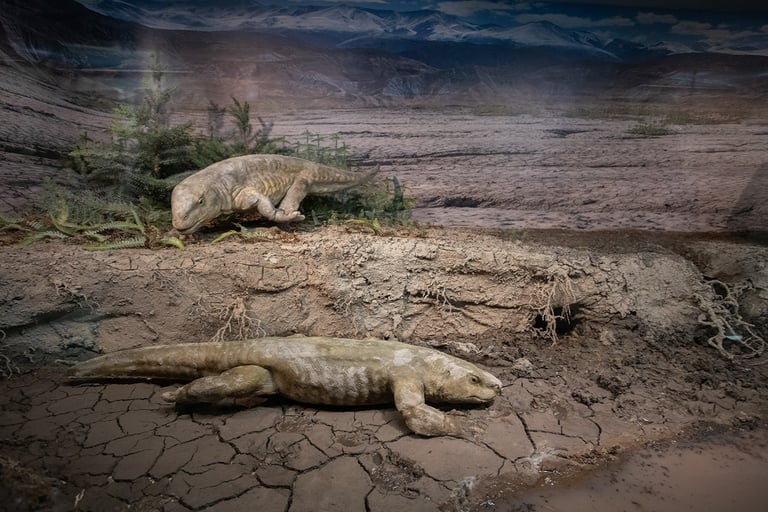
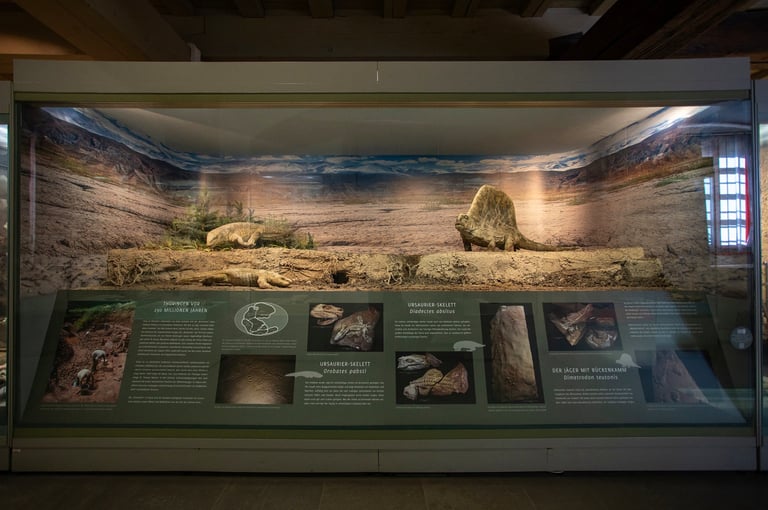
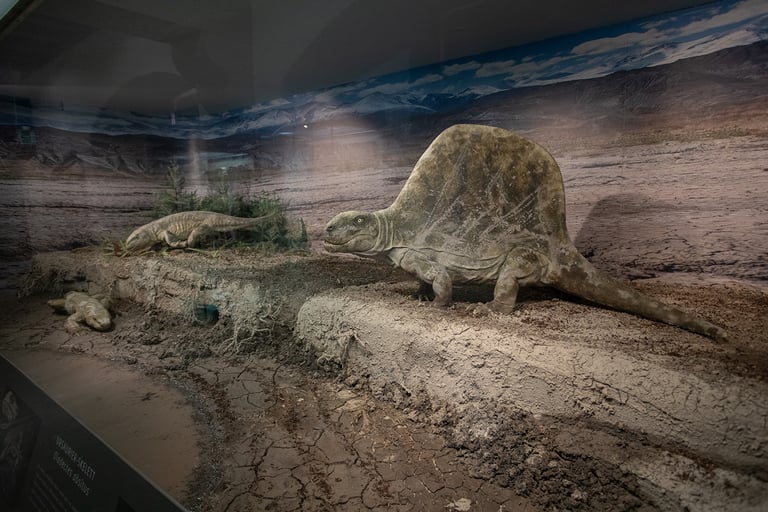
brochures for download
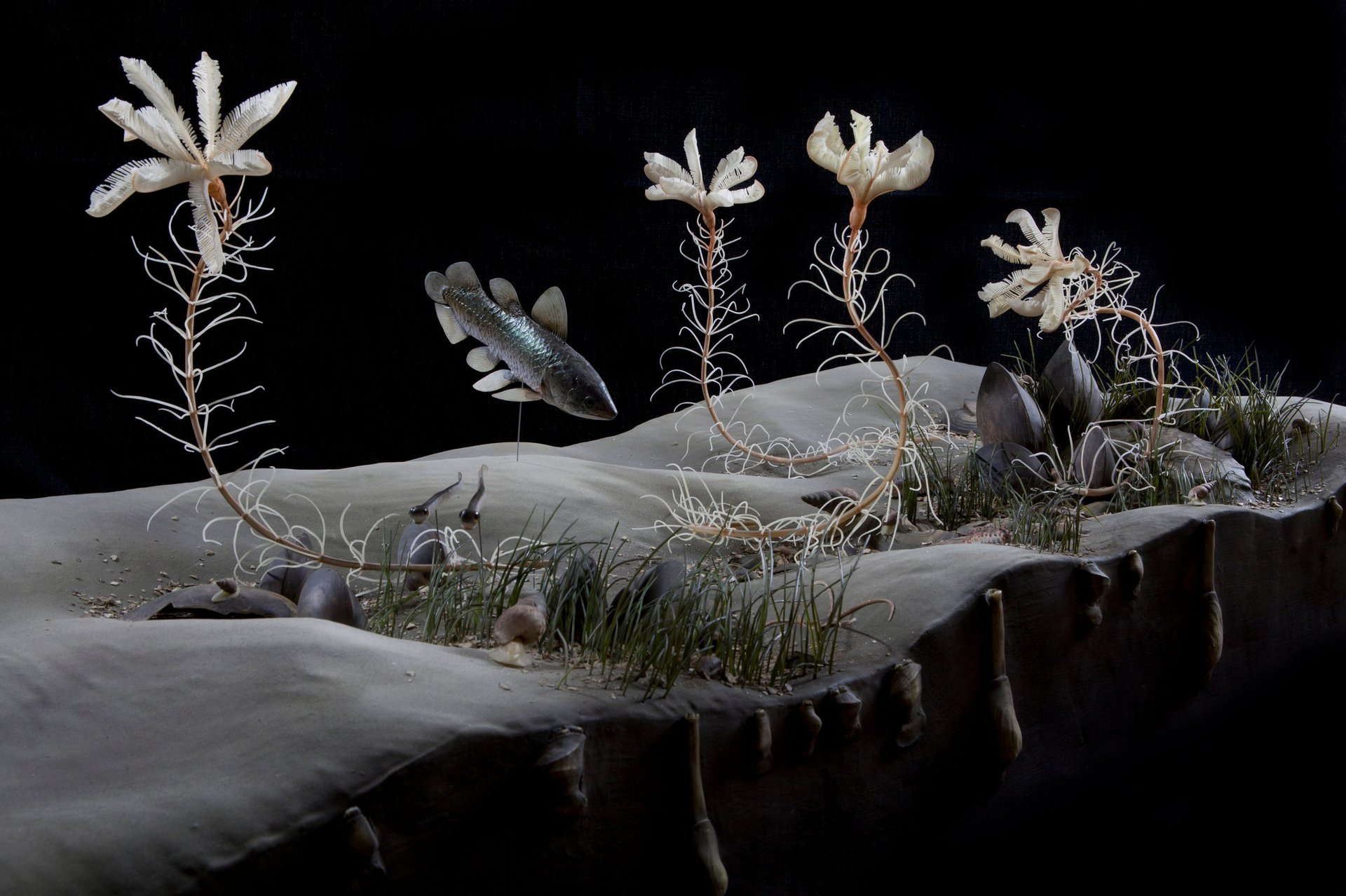
Triassic diorama, crinoid bioherm (Encrinus liliiformis, Teractinella trigonella, Coenothyris vulgaris, Aplocoma sp., Aspidura sp., Germanonautilus sp., Whiteia sp.)
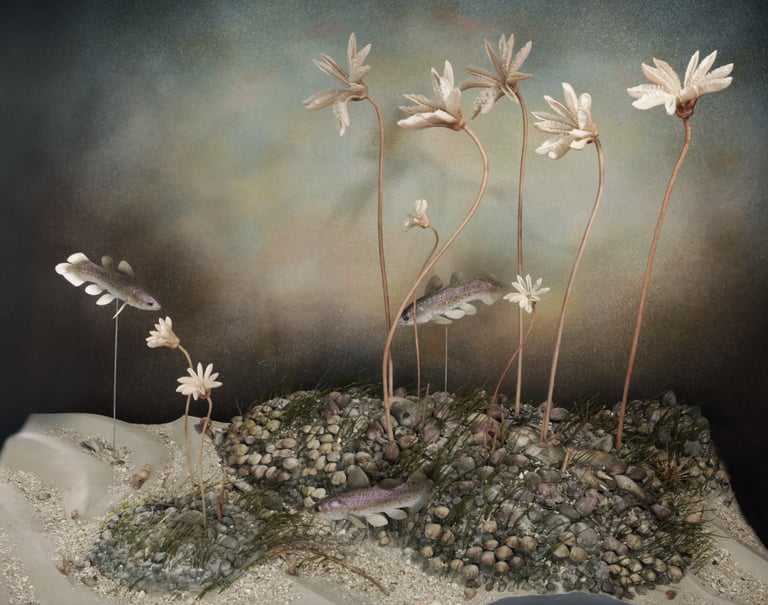
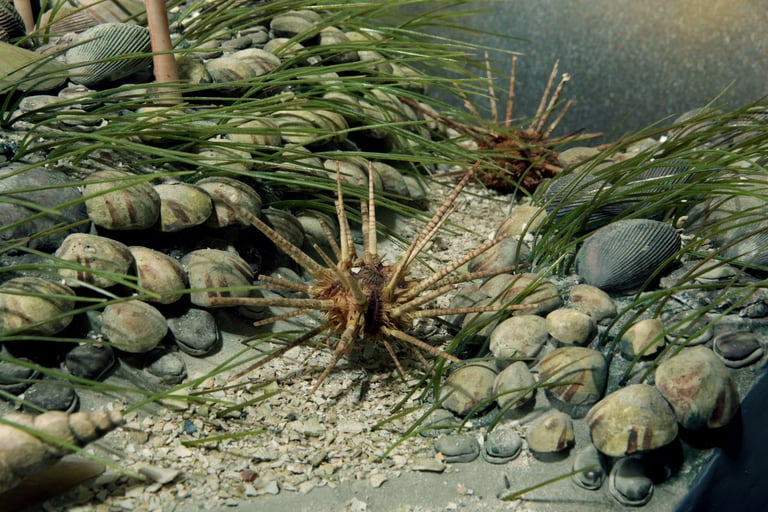
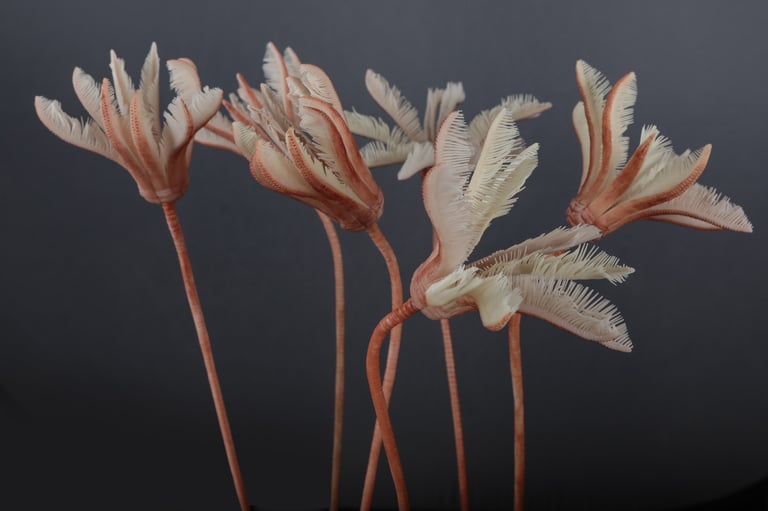
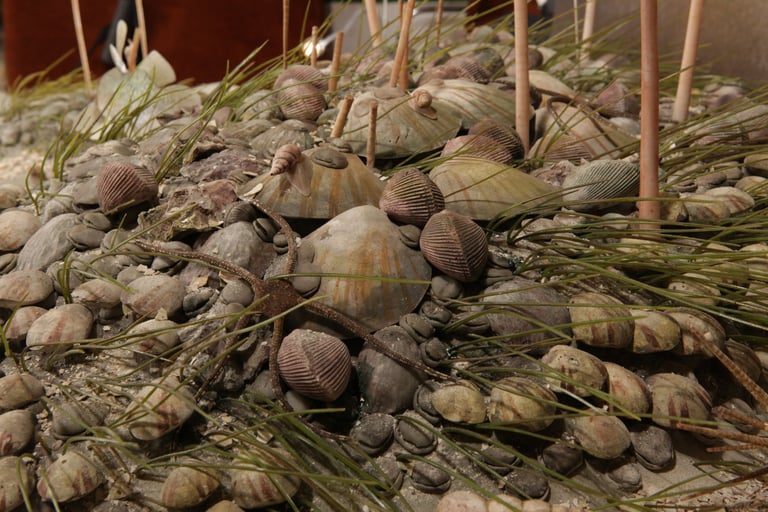
Triassic diorama "Lower Muschelkalk" (Holocrinus sp., Theelia sp., Beneckeia sp. Coenothyris sp., Aplocoma sp., Aspidurella sp., Germanonautilus sp., Whiteia sp.)
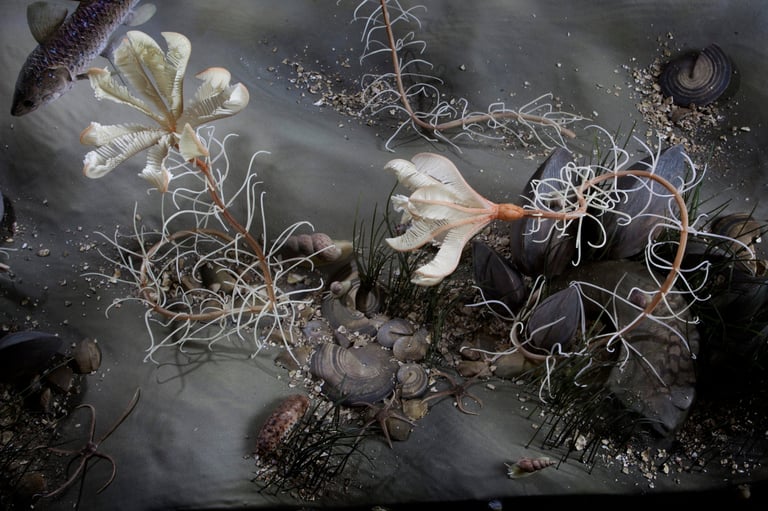
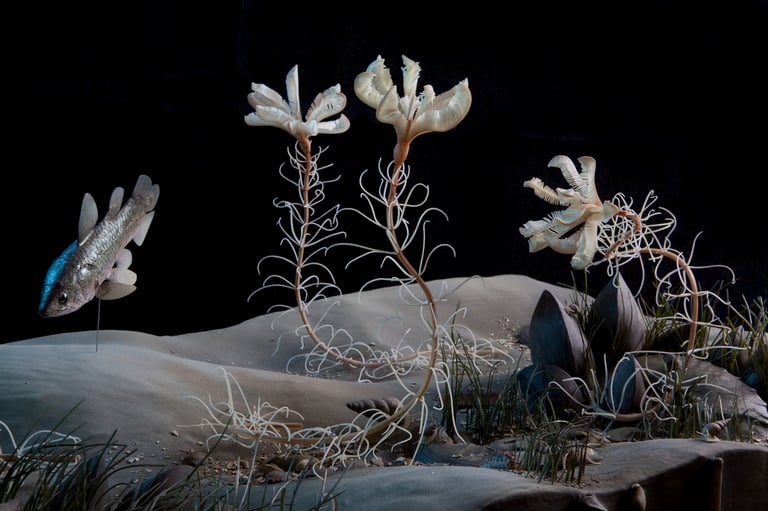
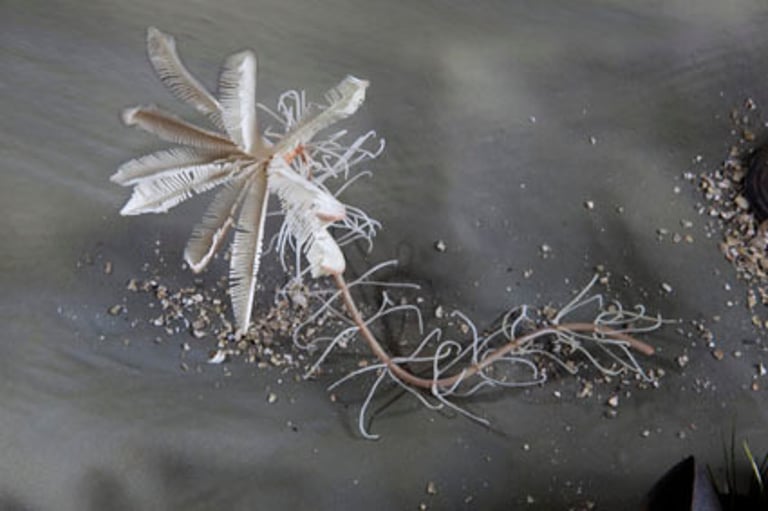
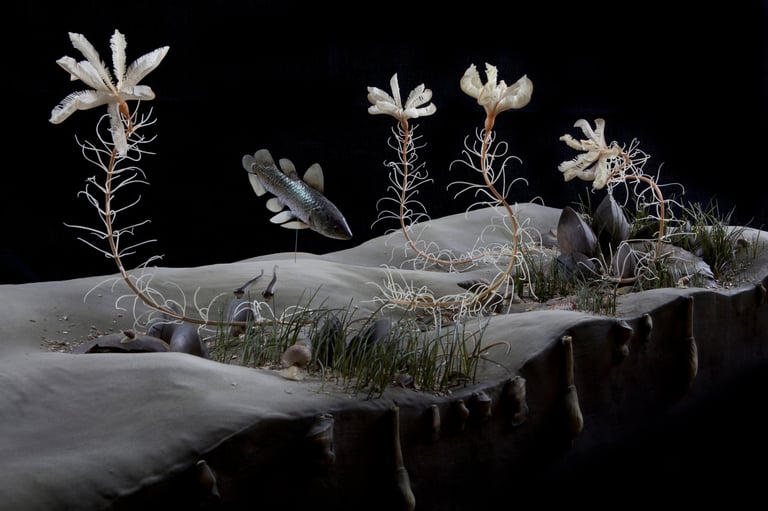
Triassic Diorama (Lagosuchus sp.)
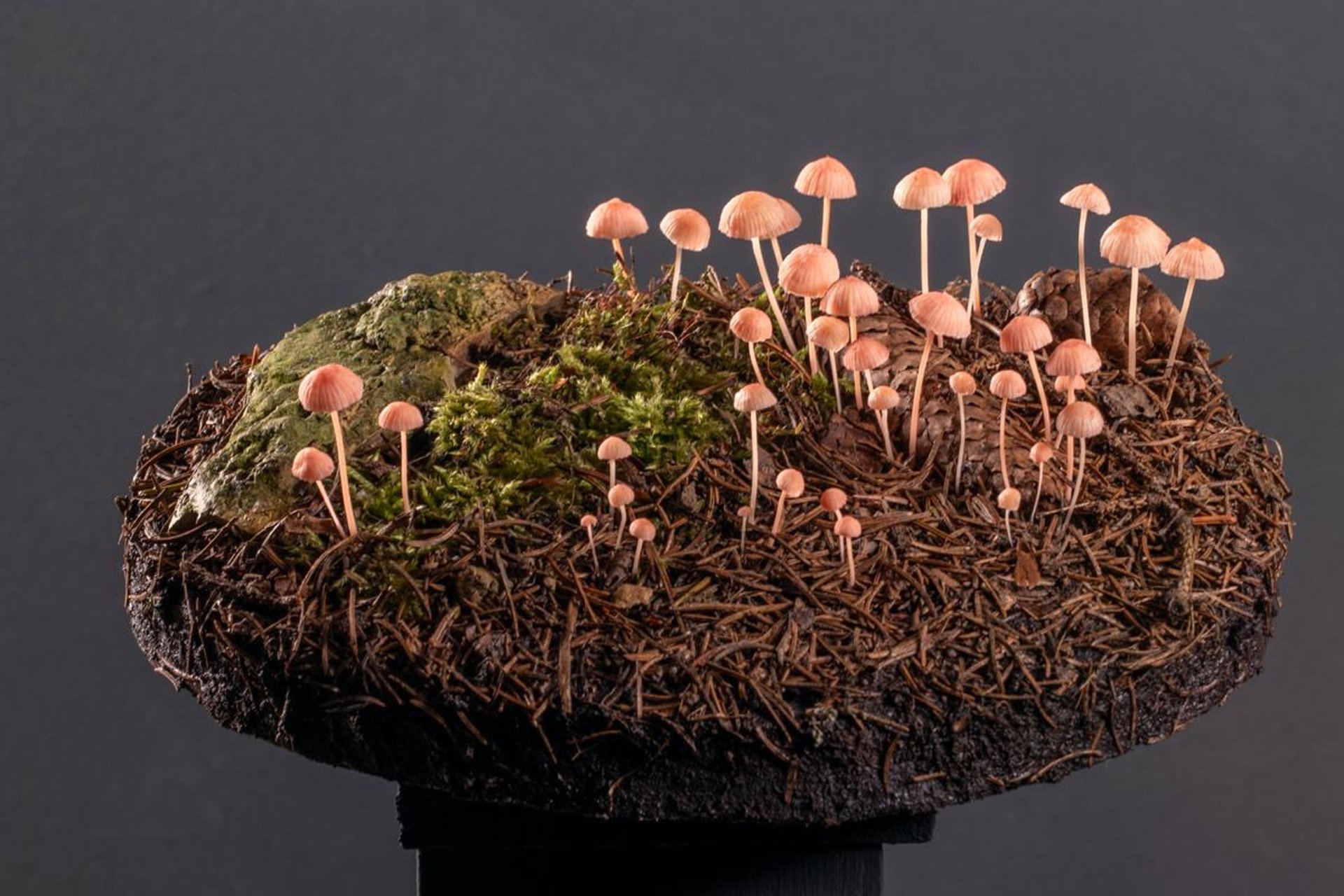
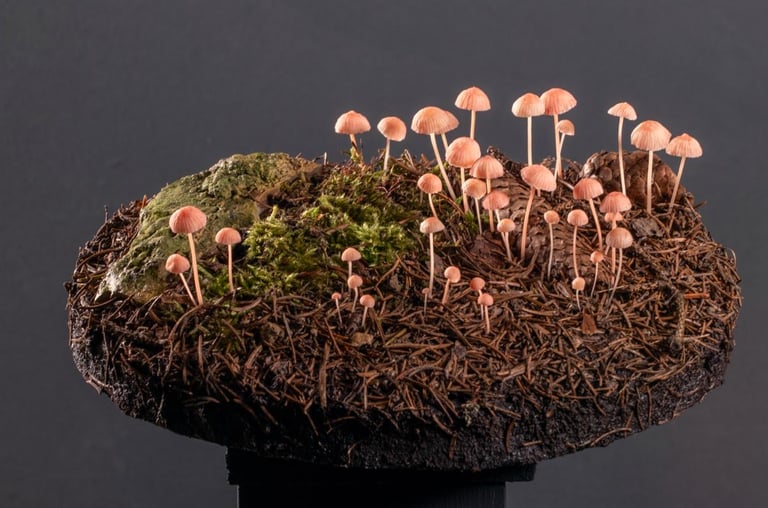
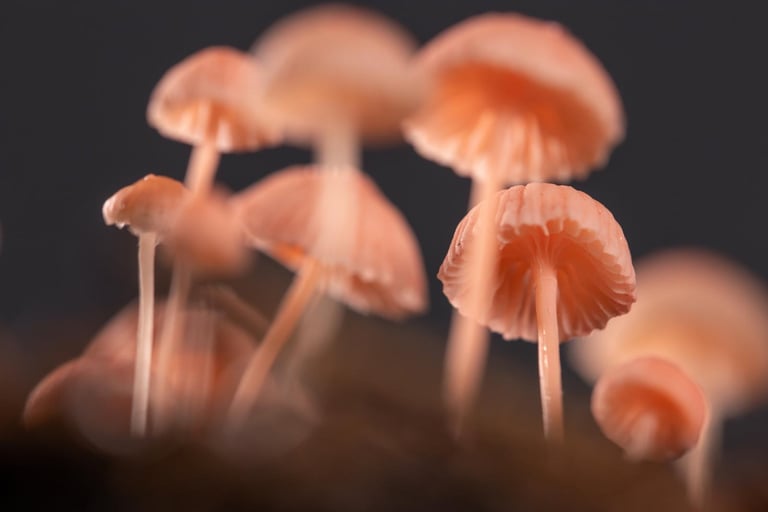
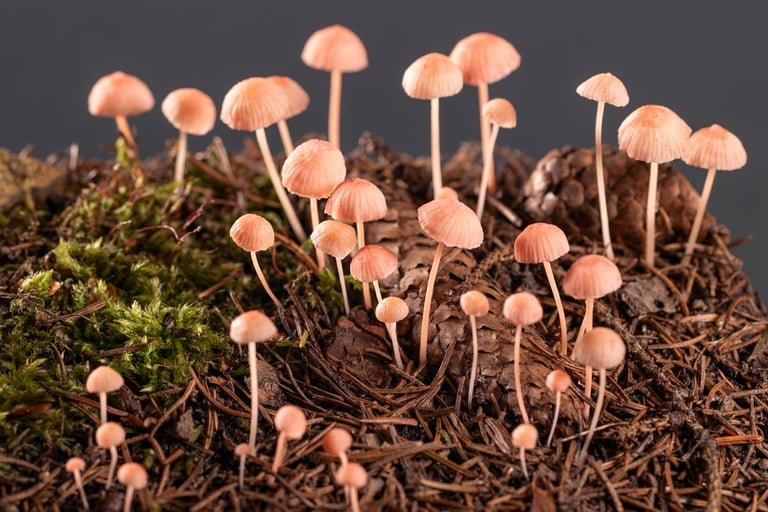
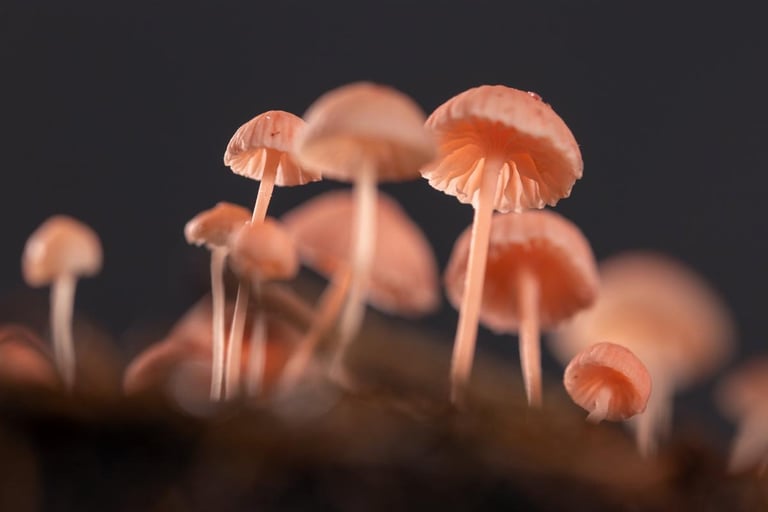
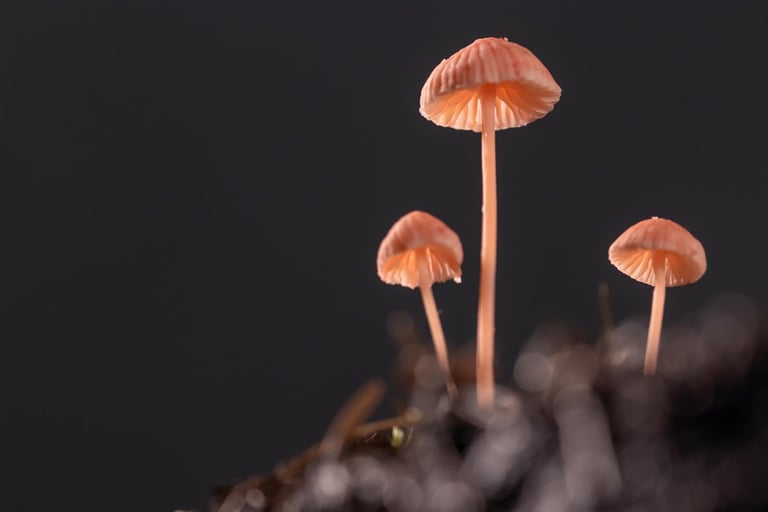
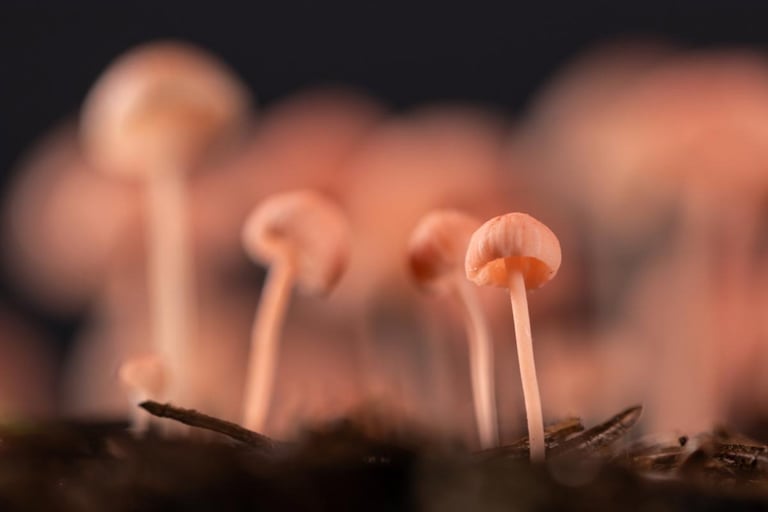
Habitat "Mycena rosea "(Mycena rosea)
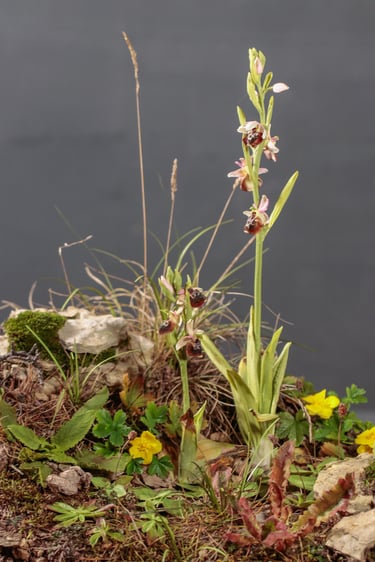
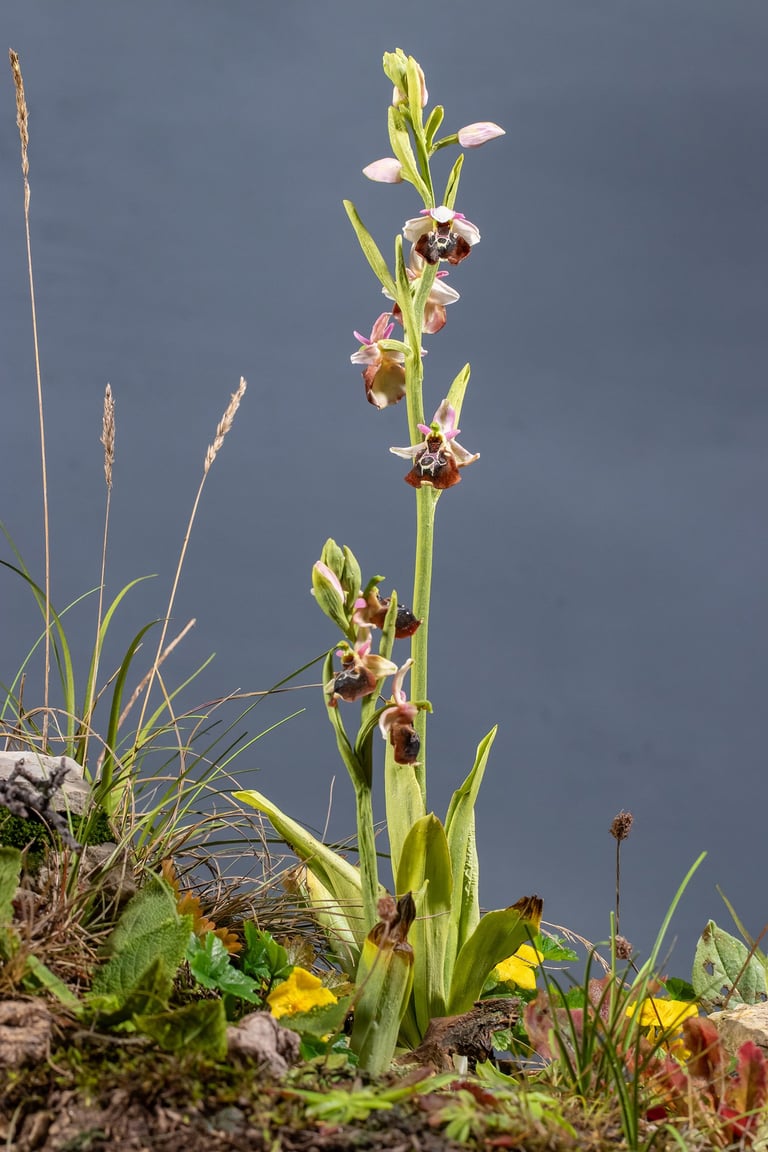
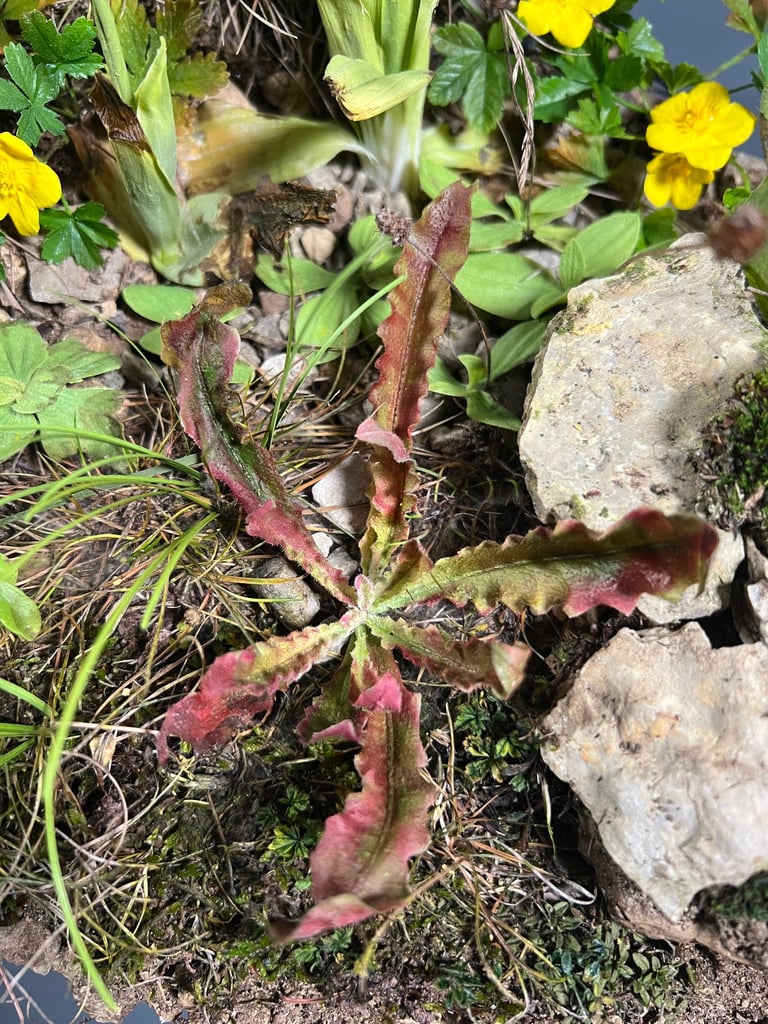
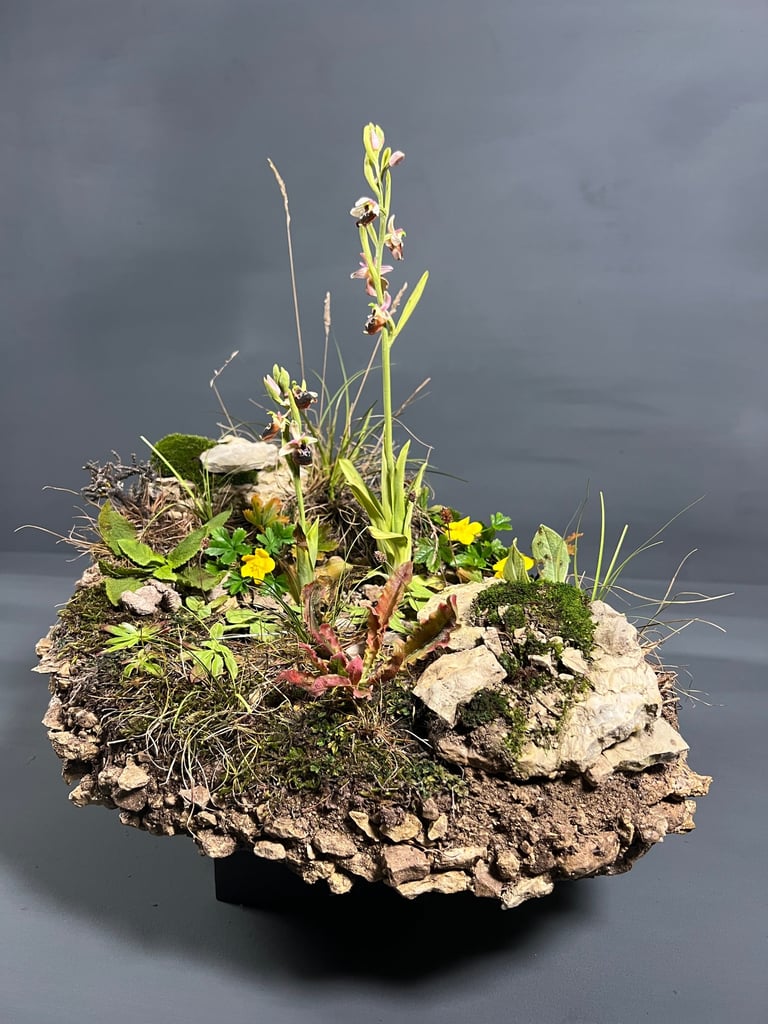
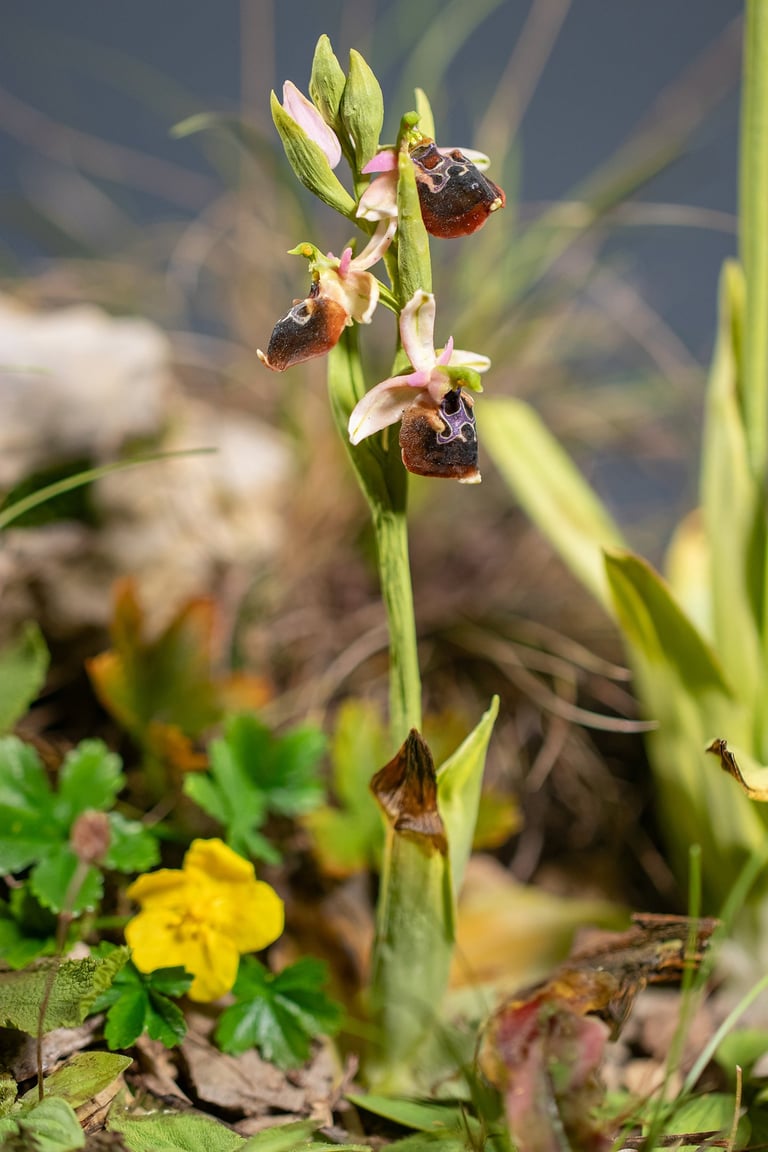
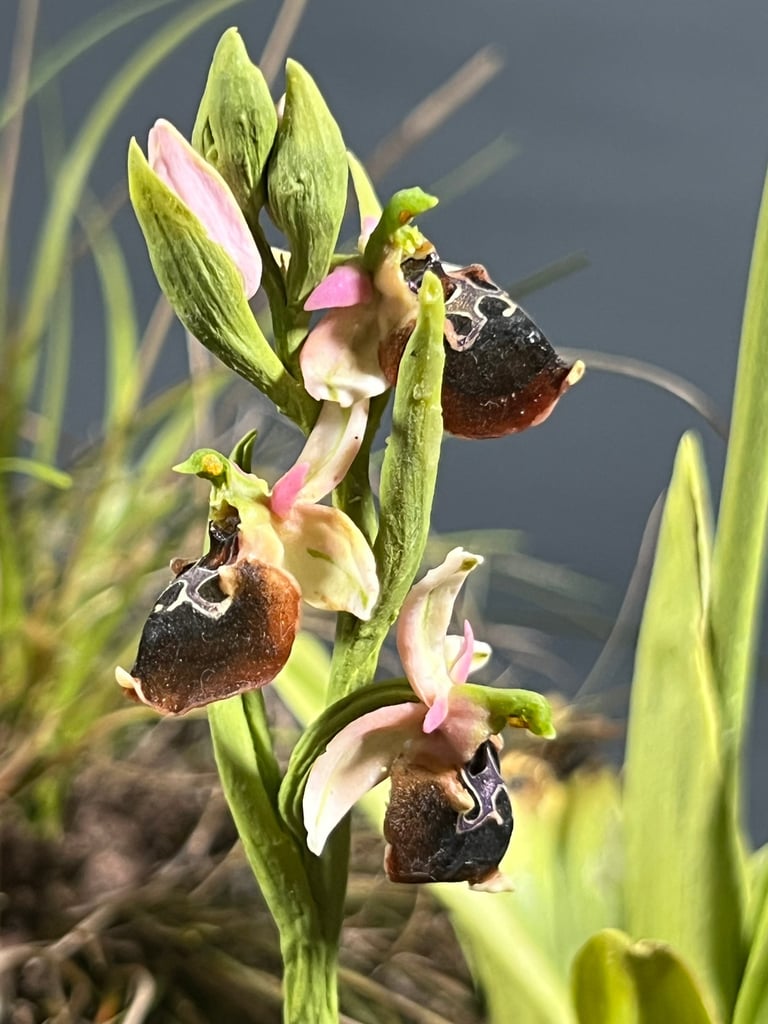
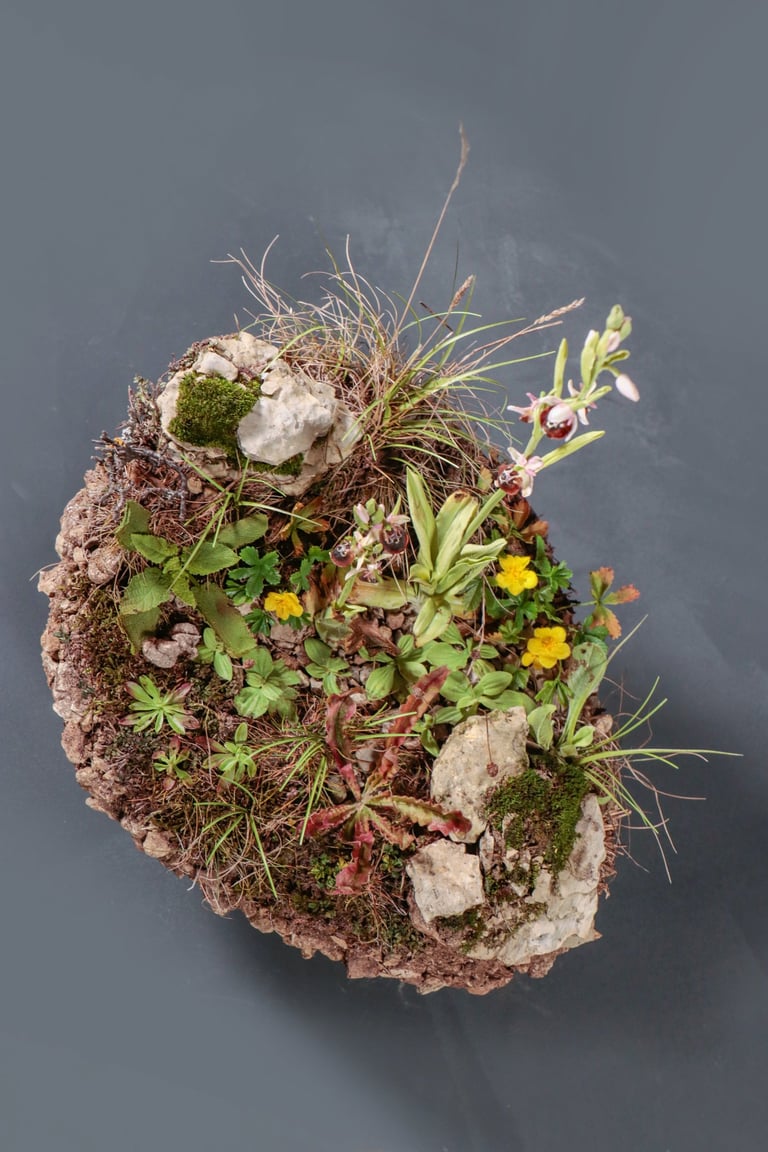
Habitat "Late spider-orchid" (Ophrys holoserica, Plantago major, Hieracium sp., Andrena sp. etc.)
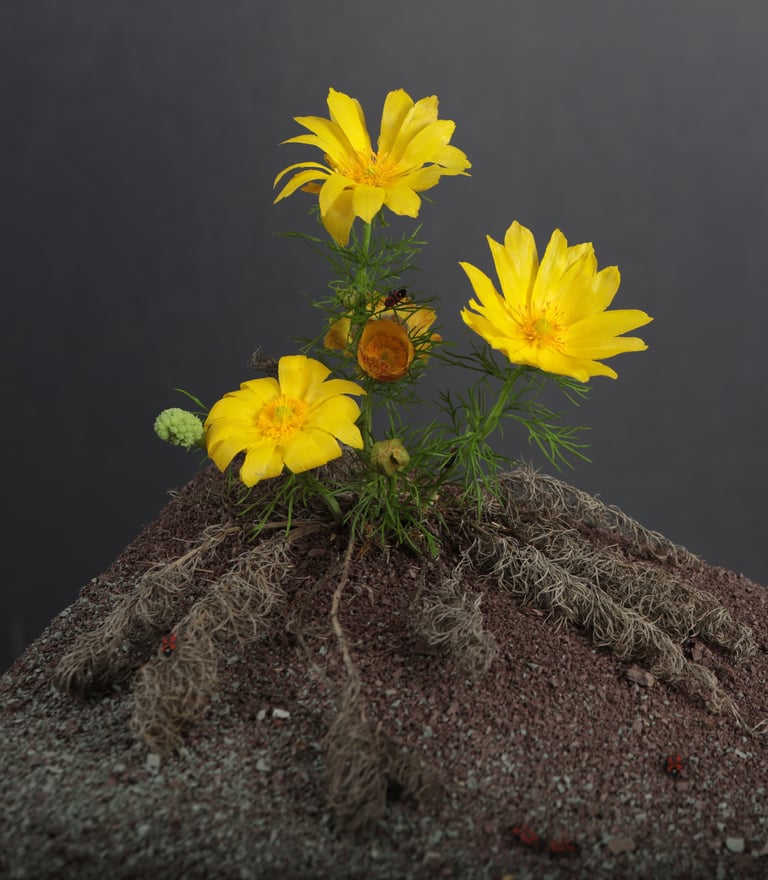
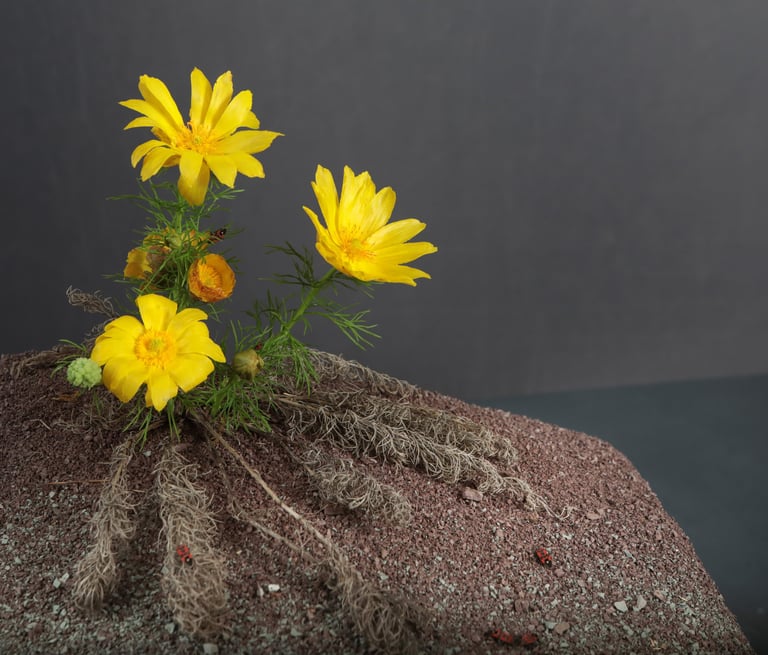
Habitat "Badlands" (Adonis vernalis, Lygeaus equestris)
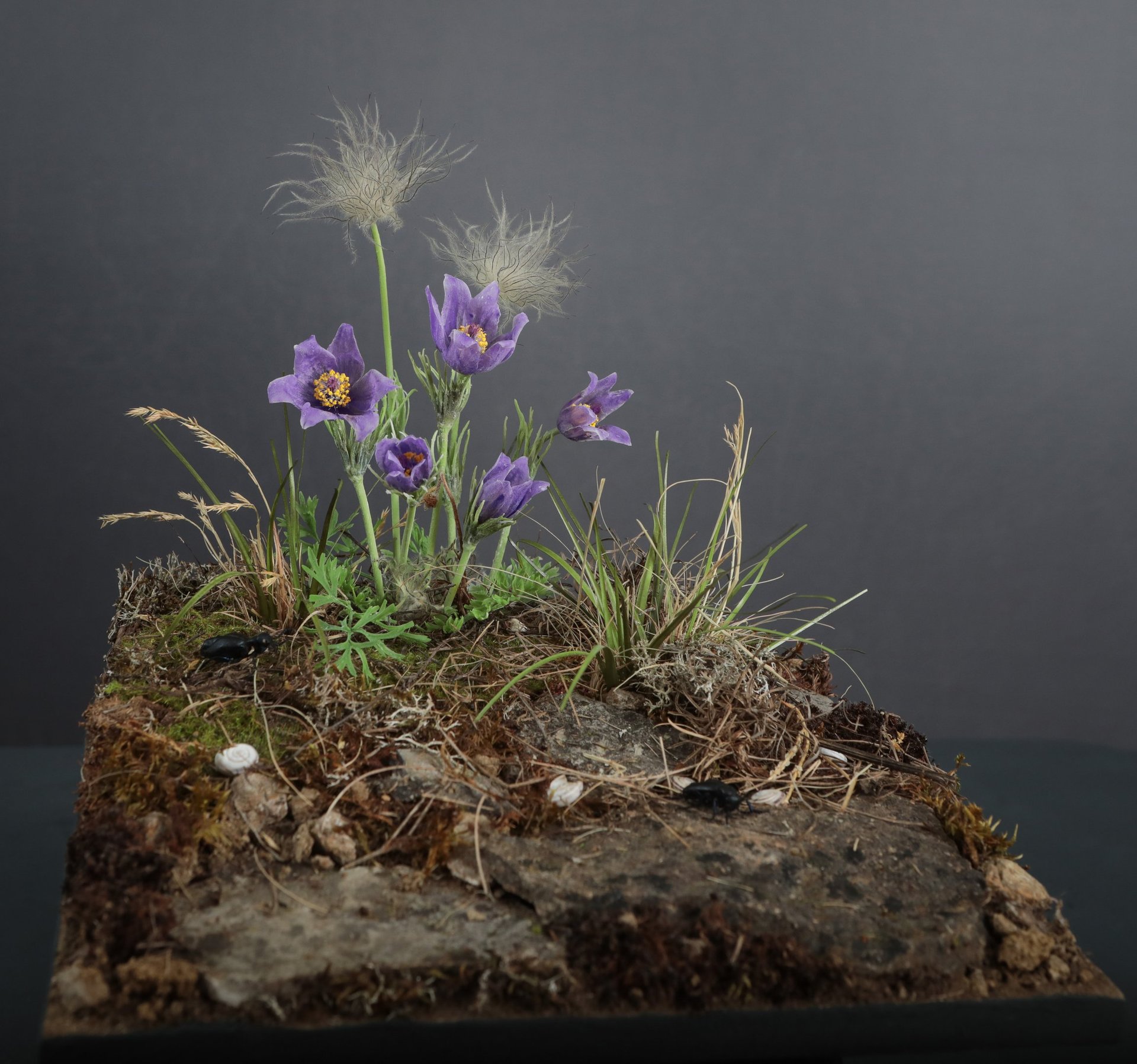
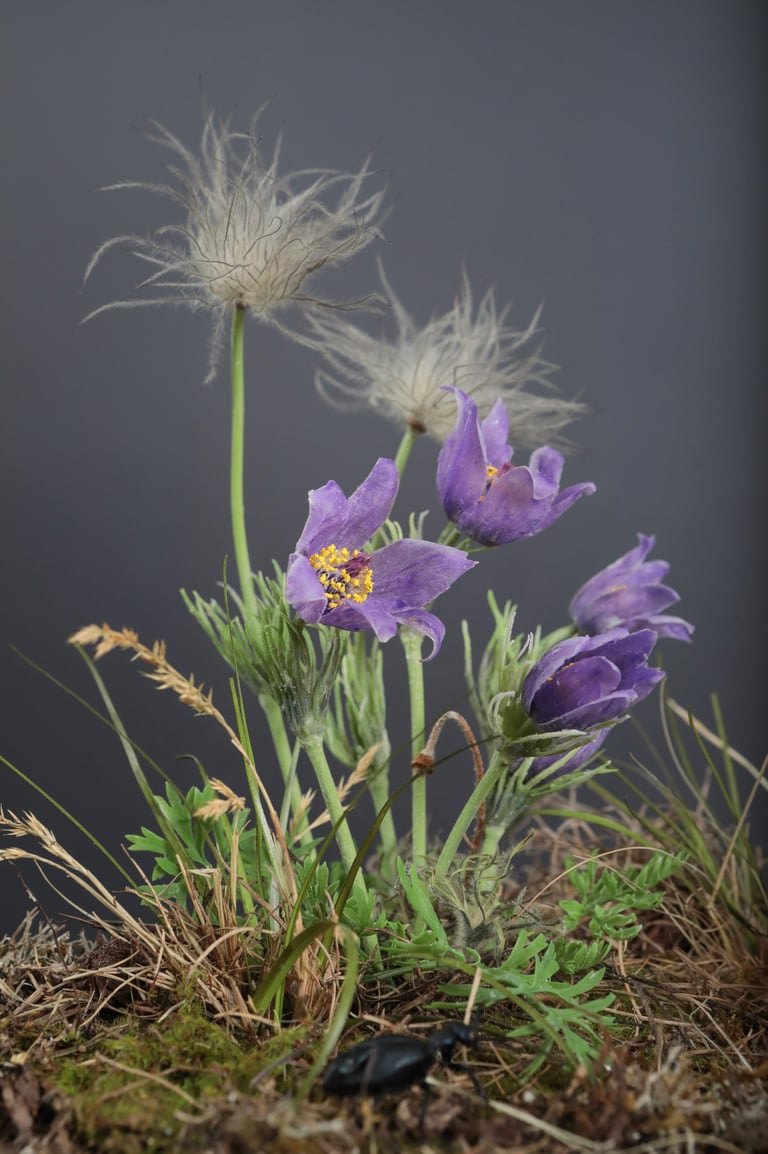
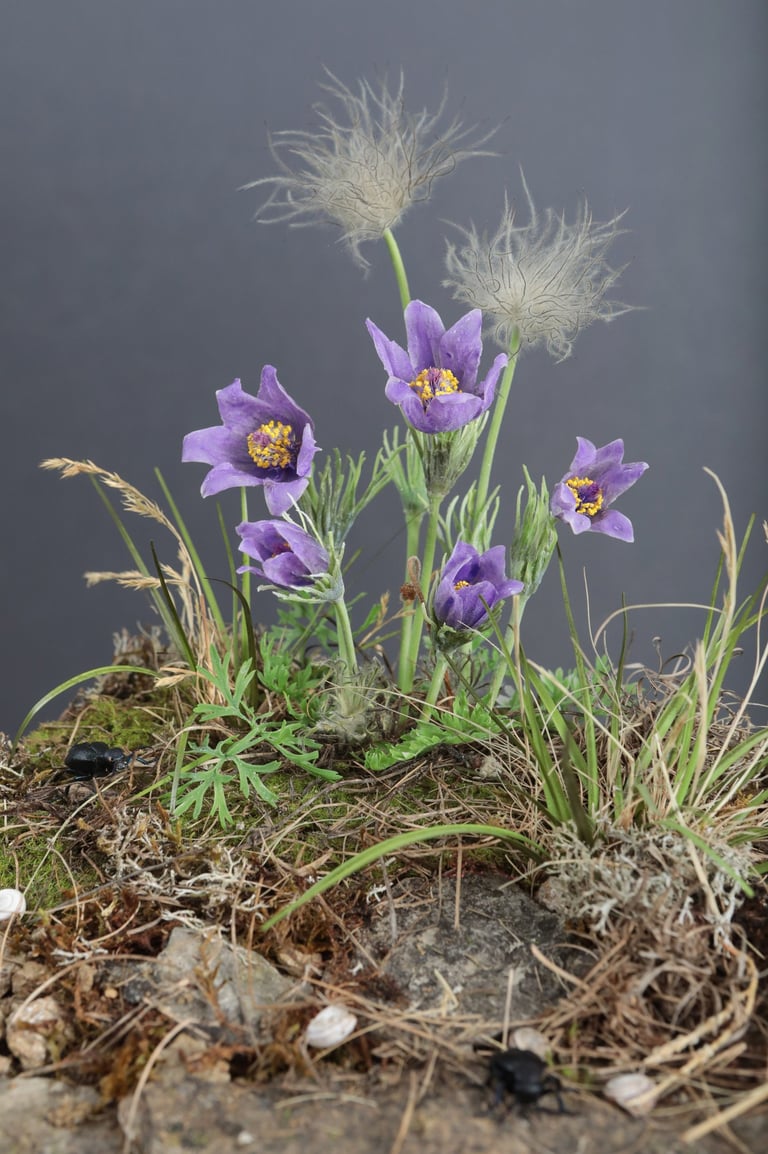
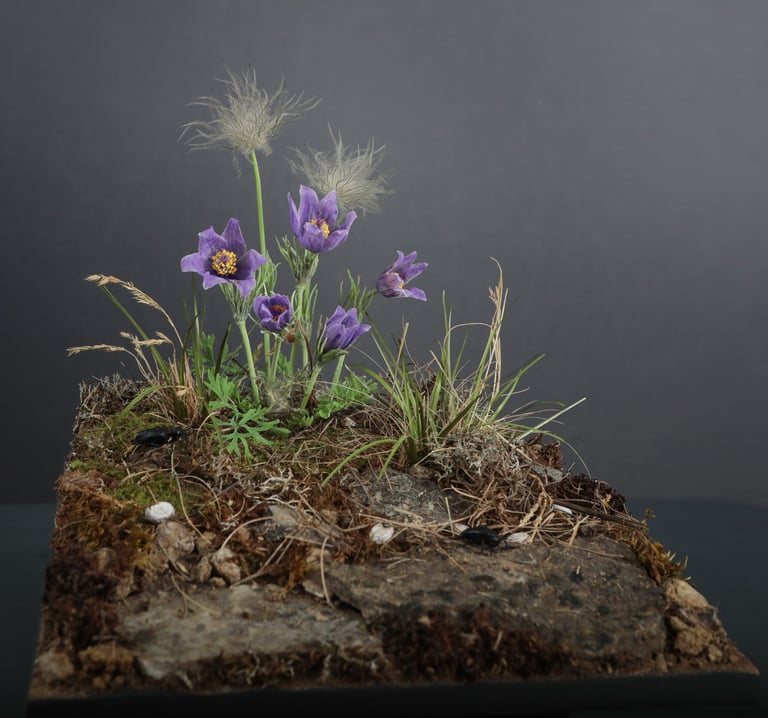
Habitat "Pasque flower" (Pulsatilla vulgaris, Meloe proscarabaeus etc.)
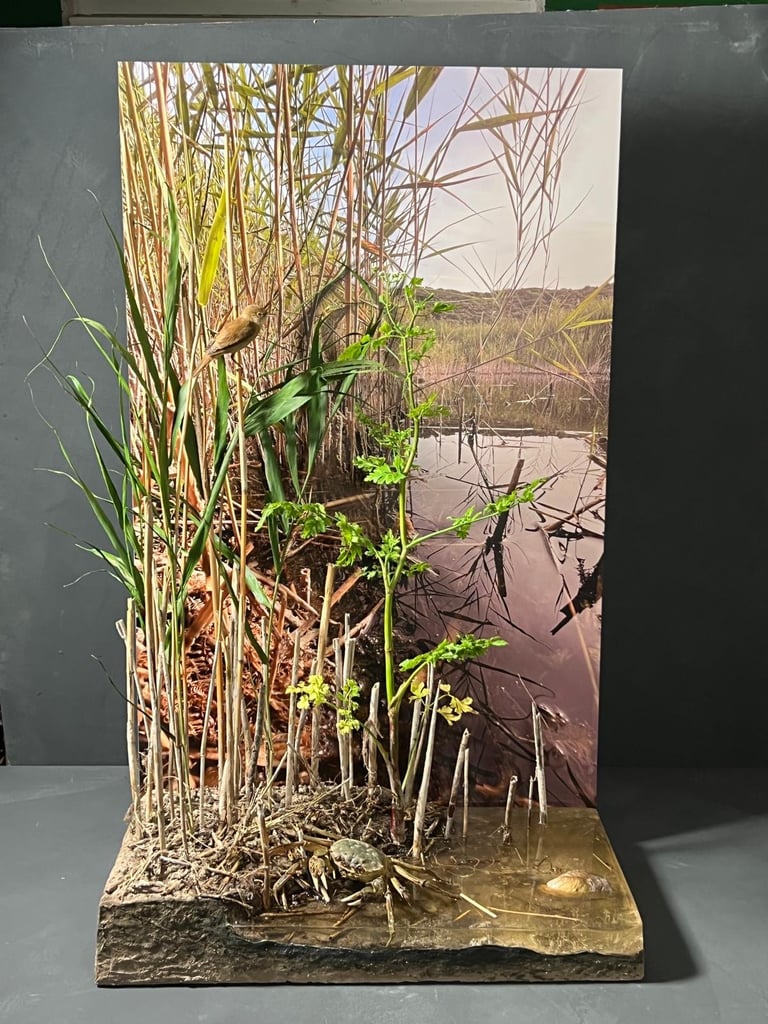
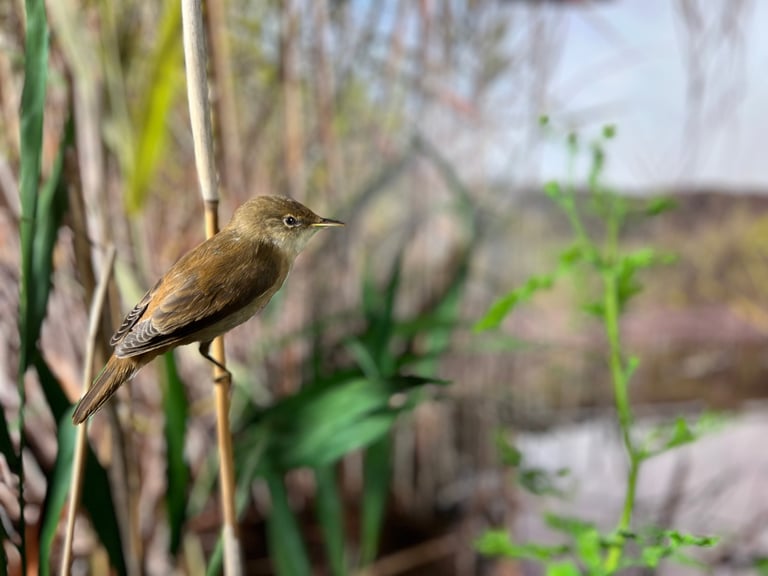
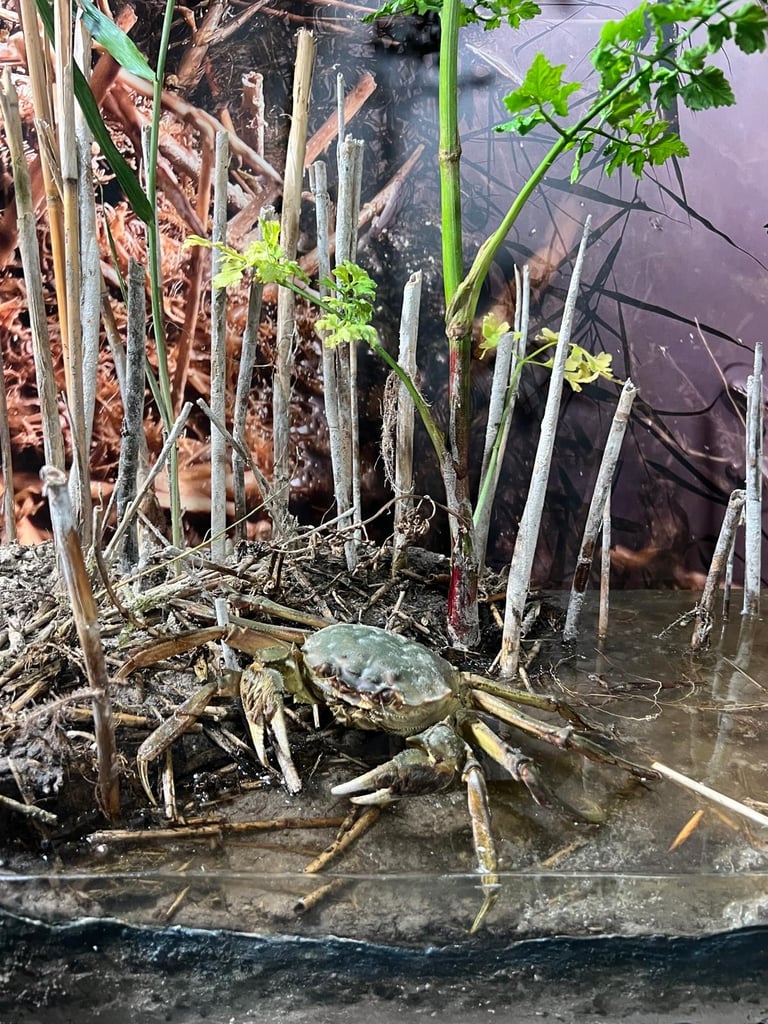
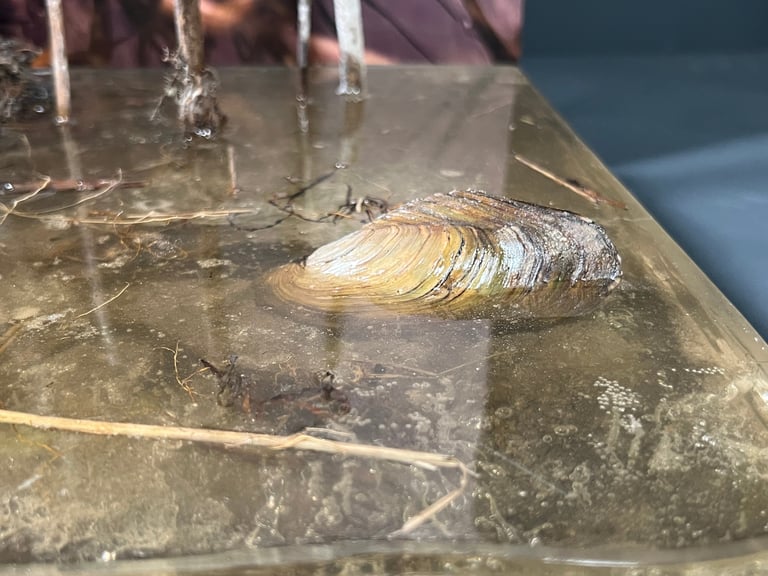
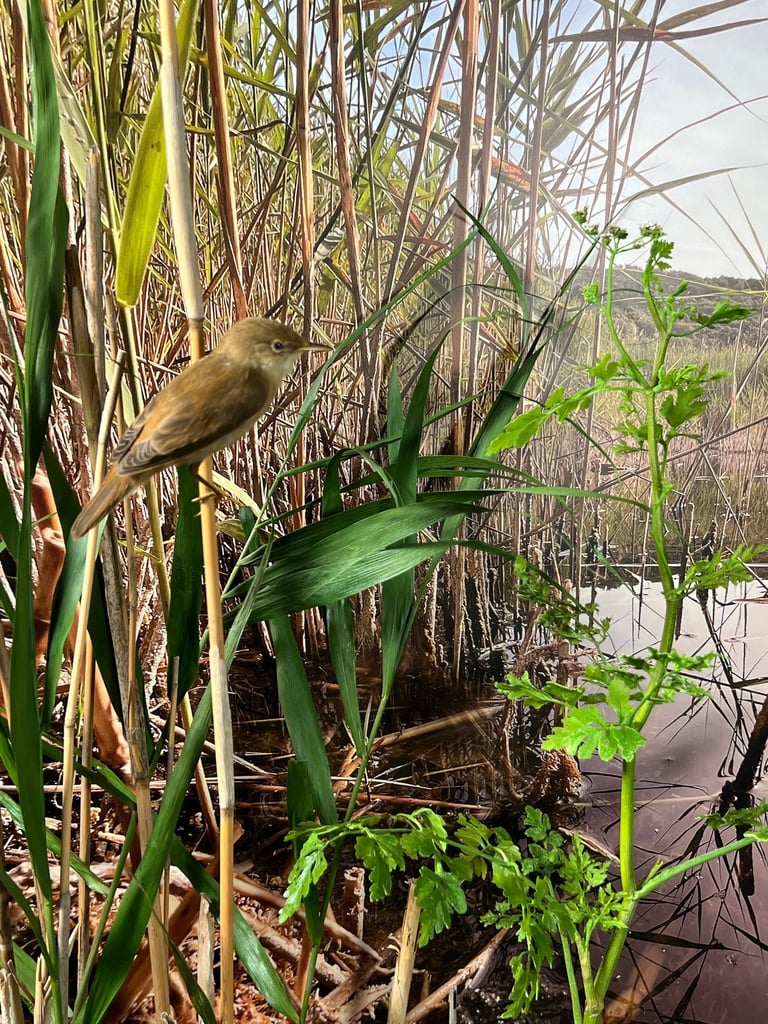
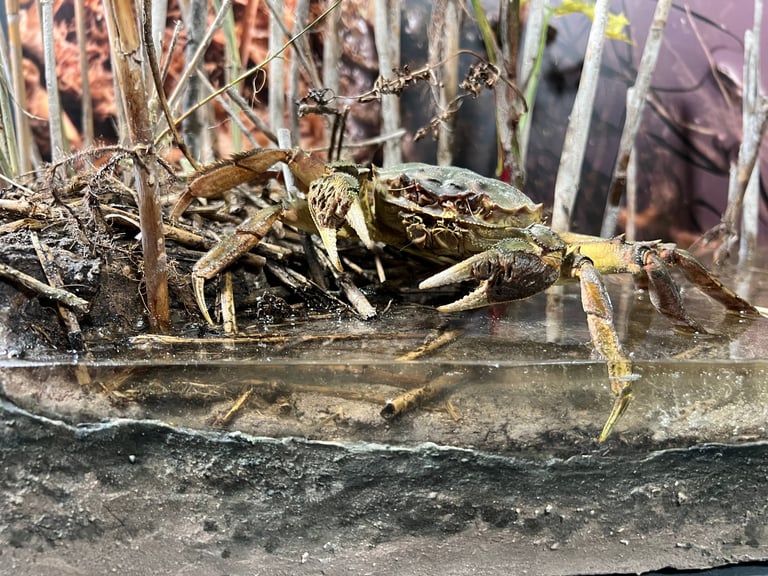
Habitat "Tide-Elbe" (Oenanthe conioides, Phragmites australis, Eriocheir sinensis, Acrocephalus scirpaceus )